

 Pregledaj u prostoru
 Pošalji
 Podeli
 Detalji o delu

 Преузми
 Slični predmeti
 Rendgenski snimak
 Slajdovi
 Statistika
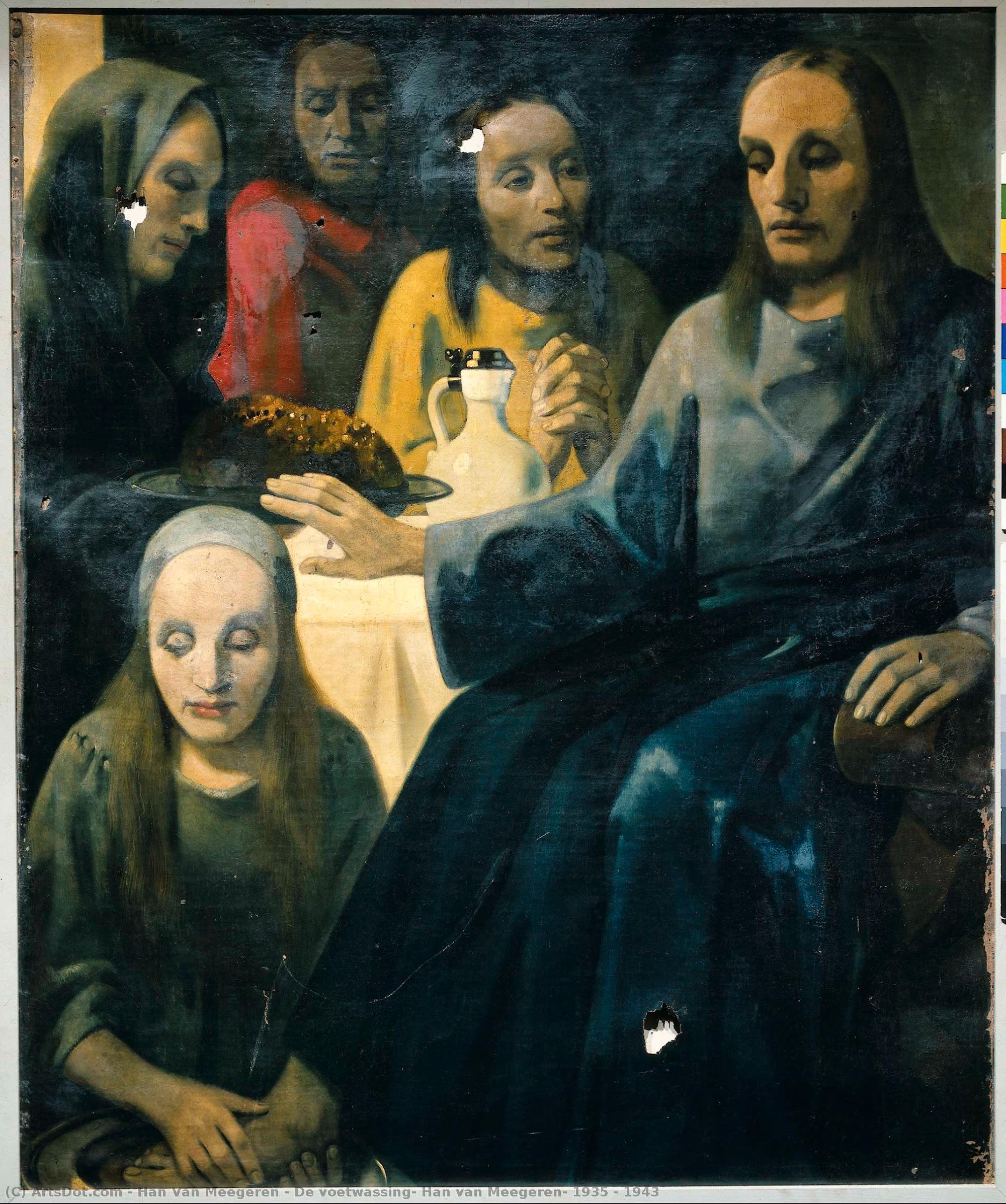
De voetwassing, Han van Meegeren, 1935 - 1943
 1943
1943 122.0 x 102.0 cm
 Pročitaj više
Giclee štampa / Umetnički otisak
Giclée štampa ili print na platnu muzejskog kvaliteta uz brzu proizvodnju i fleksibilne opcije završne obrade. ( Kupi ručno naslikanu sliku Pređi na digitalnu sliku)




































Izaberite jednu od naših unapred definisanih veličina koje odgovaraju originalnim proporcijama umetničkog dela.

Možete uneti sopstvene dimenzije kako biste umetničko delo prilagodili specifičnom okviru ili prostoru. Ako odabrani format ne odgovara proporcijama originalne slike, mi ćemo ili iscrtati deo dela ili proširiti sliku pomoću ogledane ivice ili jednobojnog popunjavanja. Digitalni prikaz će vam biti poslat na odobrenje pre početka proizvodnje.
Imajte na umu da pregled na ekranu ne odražava stvarno iscrtavanje ili proširivanje. Samo će prikaz (mockup) precizno pokazati finalnu kompoziciju.
Iako su prilagođene dimenzije dostupne, preporučujemo da odaberete dimenziju sa unapred definisane liste kako biste očuvali originalne proporcije.
Dostava širom sveta () za 2 nedelje umesto uobičajenih 4/5 nedelja. (10 септембар)

Besplatna ekspresna dostava širom sveta

Visokokvalitetno laneno platno

Kompletno osiguranje transporta

Garancija povraćaja carine i uvoznih dažbina

Garancija vernosti boja

Politika povraćaja u roku od 100 dana (isključivo u slučaju nedostataka)

Garancija povrata novca od 100%

Popust pri grupnoj kupovini
 Opcija sa staklom dostupna je samo za dimenzije manje od 110 cm

De voetwassing, Han van Meegeren, 1935 - 1943
Giclee štampa / Umetnički otisak
Dimenzije reprodukcije
-


Konačna cena
$ 62
Srodna umetnička dela





Biografija umetnika
A Master Forger's Deceptive Brilliance: The Life and Work of Han van Meegeren
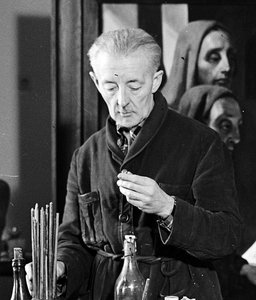
Han van Meegeren, a name synonymous with art forgery, remains one of the most fascinating and audacious figures in 20th-century art history. Born in Deventer, Netherlands, on December 10, 1889, his life was a complex tapestry woven with artistic ambition, societal rejection, and ultimately, elaborate deception. Initially aspiring to be a legitimate painter, van Meegeren studied at the Royal Academy of Fine Arts in The Hague, but faced consistent criticism and dismissal from established art circles. This early frustration fueled a deep resentment towards the Dutch art establishment, particularly those who championed the work of Johannes Vermeer, whose paintings he considered technically inferior to his own. He believed his own artistic talents were overlooked while lesser works received acclaim, setting the stage for his audacious career as a counterfeiter. Van Meegeren wasn’t driven by financial gain initially; rather, it was a desire for recognition and revenge that propelled him into creating what would become some of the most convincing forgeries ever produced. He died on December 7, 1947, in Laren, Netherlands, leaving behind a legacy as much about artistic skill as it was about calculated fraud.The Birth of "Vermeer" and Early Successes
Van Meegeren’s turning point came with his decision to forge the work of Johannes Vermeer. He meticulously researched Vermeer's techniques, studying existing paintings, analyzing pigments, and even attempting to recreate the 17th-century atmosphere in which Vermeer worked. His first successful forgery, *Christ at Emmaus* (1936), was presented as a newly discovered Vermeer and quickly gained acceptance among art experts. This initial triumph emboldened him to continue his deceptive practice. He didn’t simply copy existing Vermeers; he invented entirely new compositions that convincingly mimicked the master's style. He used period-correct materials, including 19th-century canvases (believing older canvases would arouse suspicion) and pigments, further enhancing the authenticity of his creations. The forgeries were not immediately sold to major museums or collectors. Instead, he strategically placed them with intermediaries who then presented them as rediscovered treasures, building a narrative of provenance that added to their allure. His early successes were fueled by the art world’s eagerness to find “lost” masterpieces and a surprising lack of rigorous scientific examination at the time.Technique and Deception: A Masterclass in Art Historical Mimicry
Van Meegeren's skill wasn’t merely about replicating brushstrokes; it was a profound understanding of art history and material science. He developed a unique technique involving layers of paint, allowing the work to appear aged and cracked over time. He even devised methods for creating authentic-looking craquelure – the network of fine cracks that develop in old paintings – using specific varnishes and baking processes. His attention to detail was extraordinary. He understood the chemical composition of pigments used during Vermeer’s era, carefully matching colors and textures. He also cleverly exploited a common misconception about Vermeer's painting process, believing that Vermeer applied paint in thin layers, which he replicated meticulously. The forgeries were so convincing that even renowned art experts, including Abraham Bredius, a leading authority on Dutch Golden Age painting, authenticated them as genuine Vermeers. Van Meegeren’s success wasn’t just about technical skill; it was also about understanding the psychology of authentication and exploiting the desire to believe in undiscovered masterpieces.Exposure, Trial, and Lasting Impact
The downfall of Han van Meegeren began after World War II with the discovery that one of his “Vermeers” had been sold to Hermann Göring, a high-ranking Nazi official. Accused of collaborating with the enemy by selling Dutch national treasures, van Meegeren initially faced charges of treason, which carried the death penalty. However, in a dramatic turn of events during his trial in 1947, he confessed to forging the paintings, revealing the extent of his deception. He claimed he had done so not out of political motives but to prove his artistic abilities and expose the fallibility of art experts. The revelation shocked the art world and led to a reassessment of authentication practices. While initially met with disbelief, scientific analysis confirmed that the paintings were indeed forgeries, created using modern materials and techniques. Van Meegeren was convicted of forgery and fraud but received a relatively light sentence of one year in prison. He died of a heart attack shortly after the trial, before serving his full term. His case sparked widespread debate about the nature of authenticity, artistic value, and the subjective nature of art historical judgment.A Legacy of Skill and Controversy
Han van Meegeren’s story continues to captivate audiences today. He remains a cautionary tale about the dangers of unchecked ambition and the power of deception. However, his technical skill is undeniable; he created paintings that fooled some of the most discerning eyes in the art world for decades.- His forgeries forced a re-evaluation of authentication methods, leading to the development of more sophisticated scientific techniques for analyzing pigments, canvas weave, and paint layers.
- The case highlighted the importance of provenance research and the need for critical examination of art historical narratives.
- Van Meegeren’s story has been adapted into numerous books, films, and documentaries, cementing his place in popular culture as a master forger.
- His work raises fundamental questions about the nature of artistic creation and the role of authenticity in determining value.
Osnovne informacije
- Artistic Movement Or Style: Forgery, Dutch Masters Style
- Artists Or Movements Influenced By This Artist: Art market, Forgery techniques
- Artists Who Influenced This Artist:
- Johannes Vermeer
- Pieter de Hooch
- Full Name: Han van Meegeren
- Notable Artworks:
- Supper at Emmaus (Vermeer forgery)
- Christ at Emmaus (Vermeer forgery)
- Woman Reading a Letter (Vermeer forgery)