

 Pošalji
 Podeli
 Detalji o delu

 Преузми
 Slični predmeti
 Slajdovi
 Statistika
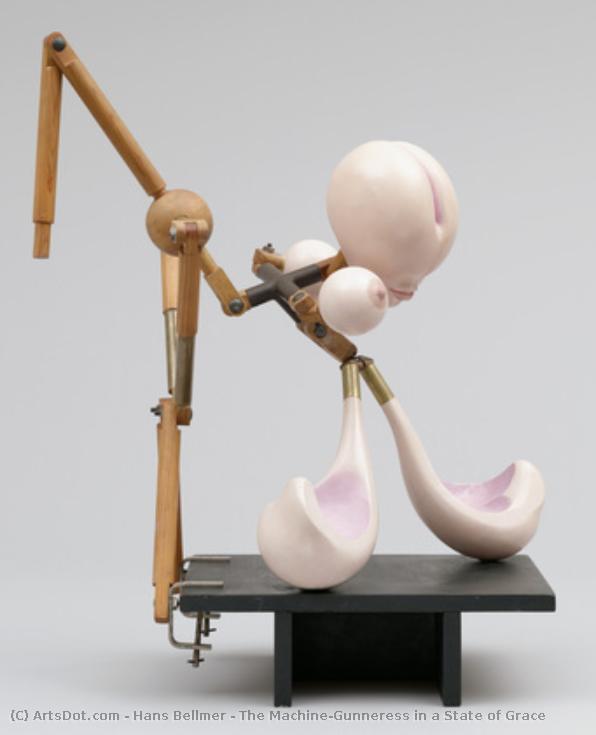
The Machine-Gunneress in a State of Grace


 Pročitaj više
Giclee štampa / Umetnički otisak
Giclée štampa ili print na platnu muzejskog kvaliteta uz brzu proizvodnju i fleksibilne opcije završne obrade. ( Kupi ručno naslikanu sliku Pređi na digitalnu sliku)




































Izaberite jednu od naših unapred definisanih veličina koje odgovaraju originalnim proporcijama umetničkog dela.

Možete uneti sopstvene dimenzije kako biste umetničko delo prilagodili specifičnom okviru ili prostoru. Ako odabrani format ne odgovara proporcijama originalne slike, mi ćemo ili iscrtati deo dela ili proširiti sliku pomoću ogledane ivice ili jednobojnog popunjavanja. Digitalni prikaz će vam biti poslat na odobrenje pre početka proizvodnje.
Imajte na umu da pregled na ekranu ne odražava stvarno iscrtavanje ili proširivanje. Samo će prikaz (mockup) precizno pokazati finalnu kompoziciju.
Iako su prilagođene dimenzije dostupne, preporučujemo da odaberete dimenziju sa unapred definisane liste kako biste očuvali originalne proporcije.
Dostava širom sveta () za 2 nedelje umesto uobičajenih 4/5 nedelja. (12 септембар)

Besplatna ekspresna dostava širom sveta

Visokokvalitetno laneno platno

Kompletno osiguranje transporta

Garancija povraćaja carine i uvoznih dažbina

Garancija vernosti boja

Politika povraćaja u roku od 100 dana (isključivo u slučaju nedostataka)

Garancija povrata novca od 100%

Popust pri grupnoj kupovini
 Opcija sa staklom dostupna je samo za dimenzije manje od 110 cm

The Machine-Gunneress in a State of Grace
Giclee štampa / Umetnički otisak
Dimenzije reprodukcije
-


Konačna cena
$ 62
A Fragmented Vision: Hans Bellmer’s “The Machine-Gunneress”
Hans Bellmer's "The Machine-Gunneress in a State of Grace," created in 1937, isn’t merely a sculpture; it’s an unsettling plunge into the subconscious, a meticulously crafted collision of beauty and brutality. Born in Poland amidst political turmoil and personal tragedy, Bellmer channeled his anxieties – fueled by the rise of fascism, familial discord, and a potent fascination with the female form – into this profoundly disturbing yet undeniably captivating work. The piece immediately confronts the viewer with its fragmented composition: a doll-like figure, seemingly caught mid-action, fused with mechanical elements that speak to both control and vulnerability. It’s a visual paradox, demanding prolonged contemplation and inviting multiple interpretations.
The sculpture's core is a meticulously assembled doll – a porcelain-skinned torso anchored by broomstick legs and adorned with a hauntingly blank mask. This isn’t the idealized beauty of traditional dolls; rather, it’s a deliberately distorted representation, hinting at a suppressed or corrupted femininity. Crucially, this figure is integrated into a complex wooden framework resembling a camera tripod or robotic arm, suggesting a loss of agency, a reduction to an object within a system of observation and control. The deliberate imbalance of the composition – the doll's head tilted precariously, limbs awkwardly positioned – amplifies the sense of unease and instability.
Surrealist Techniques & Materials: A Dance Between Organic and Inorganic
Bellmer’s artistic process was characterized by a radical deconstruction and reconstruction. He began with existing dolls, meticulously disassembling them and altering their proportions – elongating limbs, distorting faces, and removing features altogether. This technique, combined with the use of wood, metal, and glass, creates a jarring juxtaposition between organic fragility and cold, mechanical precision. The smooth porcelain-like surface of the doll contrasts sharply with the grainy texture of the wood, while the glass eyes offer an unnerving gaze. The incorporation of ball joints, inspired by antique articulated dolls, further emphasizes this interplay – suggesting a rigid structure beneath a veneer of apparent life.
Bellmer’s approach wasn't simply about assembling disparate parts; it was about creating a new, unsettling reality. He employed techniques reminiscent of early photography, utilizing a staged presentation to heighten the sculpture’s impact. The lighting, diffused and even, minimizes shadows, lending a clinical quality to the scene – as if observing this disturbing tableau through a detached lens. This deliberate flattening of perspective contributes to the work's two-dimensional feel, intensifying its surreal and dreamlike atmosphere.
Symbolism & Historical Context: Fascination, Control, and Resistance
“The Machine-Gunneress” is deeply rooted in the anxieties of its time. Created during the rise of Nazism, it’s often interpreted as a veiled critique of totalitarian control and the dehumanizing effects of mass culture. Bellmer himself alluded to his father's authoritarian personality and the oppressive atmosphere of post-war Germany as influences on his work. The machine gun itself – a symbol of violence and destruction – is inextricably linked to the doll, suggesting a merging of innocence and aggression, vulnerability and power.
Furthermore, the doll figure can be seen as an allegory for the female body under patriarchal control. Its fragmented form and unsettling gaze evoke themes of objectification, repression, and the struggle for agency. The title itself – “in a State of Grace” – is profoundly ironic, juxtaposing beauty with violence, suggesting a corrupted ideal of femininity. Despite the sculpture’s disturbing nature, it also carries a subtle undercurrent of resistance—a defiant assertion of individuality against overwhelming forces.
A Legacy of Unease: Bellmer's Enduring Influence
Hans Bellmer remains one of the most significant figures in Surrealist art. “The Machine-Gunneress in a State of Grace” stands as a testament to his unique vision and unsettling ability to explore the darkest corners of the human psyche. His work continues to resonate with contemporary audiences, prompting reflection on themes of identity, control, and the complex relationship between technology and humanity. Reproductions of this powerful sculpture offer a compelling glimpse into Bellmer’s world—a world where beauty and horror coexist in a perpetually unsettling dance.
Srodna umetnička dela



Povezani članci

Bronze Sculptures That Defined Art History | ArtsDot
Journey through art history with our Top 10 bronze sculptures! Explore masterpieces by Rodin, Michelangelo & more. Discover stories behind iconic statues and find museum-quality reproductions for your home decor at ArtsDot.com.

Bronze Age to Modern Masters: 10 Sculptures That Redefined Art | ArtsDot
Journey through art history with 10 legendary bronze sculptures – from Michelangelo's David to Rodin’s Thinker. Explore the stories, techniques & timeless beauty of these masterpieces. Find museum-quality reproductions & elevate your home decor on ArtsDot.com.

The Enduring Form: Sculpture Across History, Technique & Emotional Resonance
Explore the rich history of sculpture with ArtsDot. Discover key techniques, influential artists & investment potential for discerning collectors. Expert insights into valuing and collecting timeless masterpieces.
Nasleđe bronze: Istorija, tehnike i savremene interpretacije skulpture – vodič za kolekcionare
Istražite bogatu istoriju bronze i tehnike livenja skulptura. Saveti za kolekcionare, investiciono vrednovanje i savremene interpretacije aluminijumske bronze. ArtsDot – stručnjaci za umetnost.

The Enduring Form: Exploring Themes & Techniques in Sculpture Across Historical Periods
Explore the rich history of sculpture from ancient masterpieces to contemporary innovations. Discover key techniques, influential artists & investment potential for discerning art collectors.