

 Pregledaj u prostoru
 Pošalji
 Podeli
 Detalji o delu

 Преузми
 Slični predmeti
 Rendgenski snimak
 Slajdovi
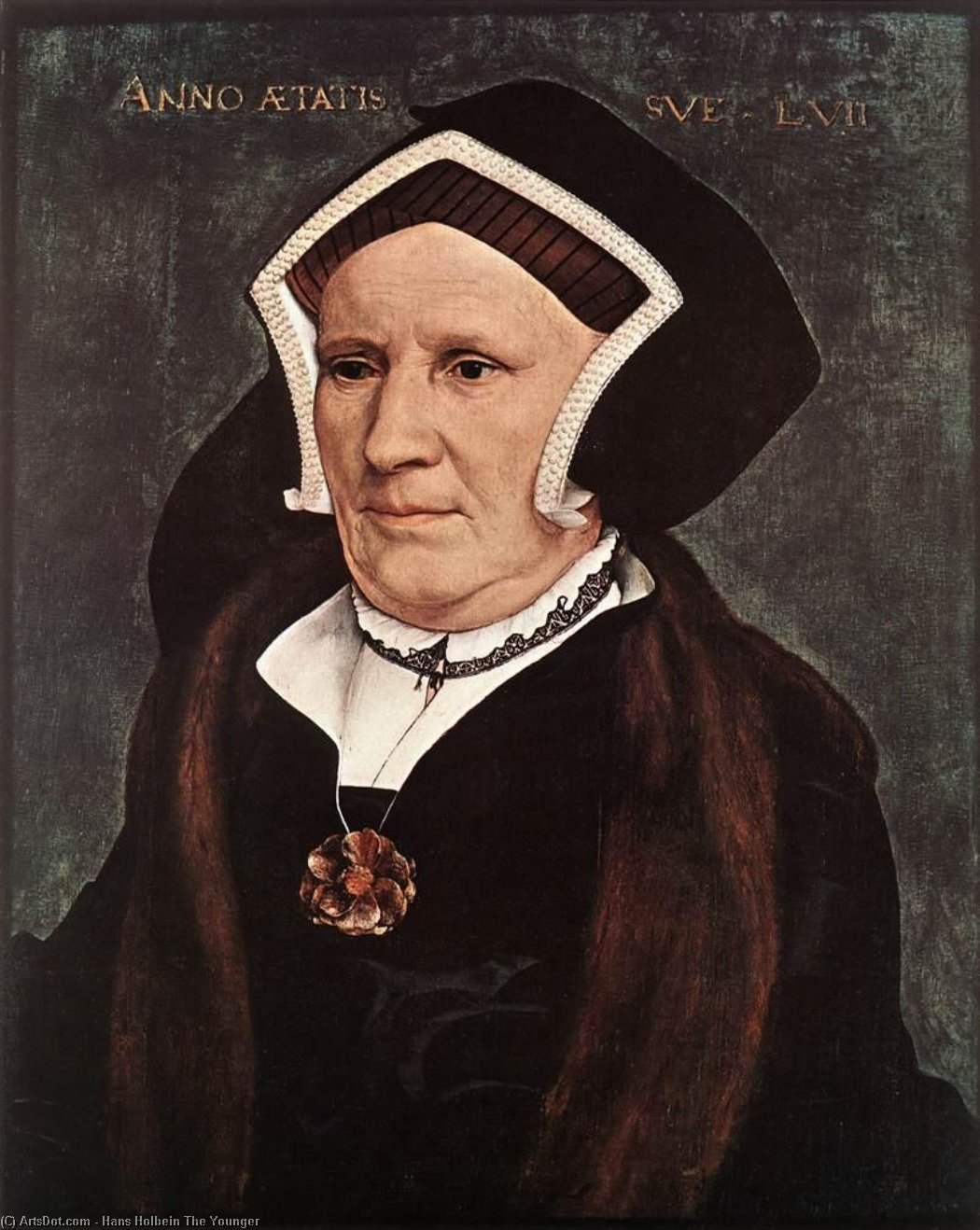
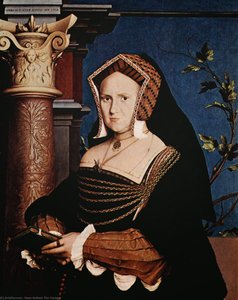
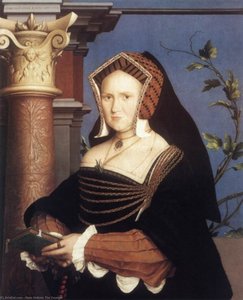
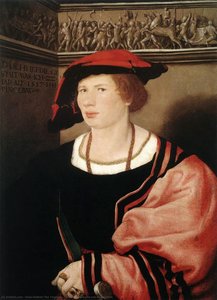
Portrait of Lady Margaret Butts


 Pročitaj više
Giclee štampa / Umetnički otisak
Giclée štampa ili print na platnu muzejskog kvaliteta uz brzu proizvodnju i fleksibilne opcije završne obrade. ( Kupi ručno naslikanu sliku Kupi digitalnu sliku)




P118B $10

P118H $10

P118W $10

P438Z $10

P508JH $12

P508YH $12

P805H $10

P805Z $10

P919BZ $10

P919G $10

P919XJ $10

P959ZH $10

P968JZ $12

W106C $8

W218G $10

W218JH $8

W218Y $10

W307PJ $10

W316G $10

W316PJ $8

W316Y $10

W398PJ $8

W4111J $10

W500HY $15

W500JH $15

W692G $12

W849H $8

W940BG $15

W953PJ $8




Izaberite jednu od naših unapred definisanih veličina koje odgovaraju originalnim proporcijama umetničkog dela.

Možete uneti sopstvene dimenzije kako biste umetničko delo prilagodili specifičnom okviru ili prostoru. Ako odabrani format ne odgovara proporcijama originalne slike, mi ćemo ili iscrtati deo dela ili proširiti sliku pomoću ogledane ivice ili jednobojnog popunjavanja. Digitalni prikaz će vam biti poslat na odobrenje pre početka proizvodnje.
Imajte na umu da pregled na ekranu ne odražava stvarno iscrtavanje ili proširivanje. Samo će prikaz (mockup) precizno pokazati finalnu kompoziciju.
Iako su prilagođene dimenzije dostupne, preporučujemo da odaberete dimenziju sa unapred definisane liste kako biste očuvali originalne proporcije.
Dostava širom sveta () za 2 nedelje umesto uobičajenih 4/5 nedelja. (2 септембар)

Besplatna ekspresna dostava širom sveta

Visokokvalitetno laneno platno

Kompletno osiguranje transporta

Garancija povraćaja carine i uvoznih dažbina

Garancija vernosti boja

Politika povrata u roku od 60 dana (samo u slučaju nedostataka)

Garancija povrata novca od 100%

Popust pri grupnoj kupovini
 Opcija sa staklom dostupna je samo za dimenzije manje od 110 cm

Portrait of Lady Margaret Butts
Giclee štampa / Umetnički otisak
Dimenzije reprodukcije
-


Konačna cena
$ 62
Portrait of Lady Margaret Butts: A Study in Regal Reserve
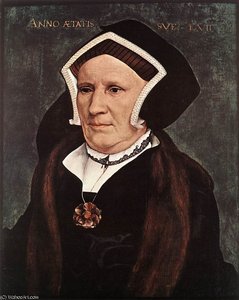
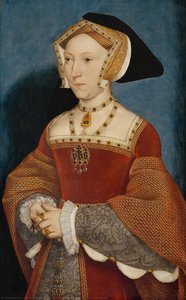
Hans Holbein the Younger’s “Portrait of Lady Margaret Butts,” painted in 1543, is more than just a likeness; it's a carefully constructed tableau of status, power, and an unspoken intensity. This oil-on-oak panel painting, currently residing within the hallowed halls of the Isabella Stewart Gardner Museum in Boston, offers a rare glimpse into the world of Tudor nobility through the artist’s masterful command of detail and psychological observation. Measuring just 46 x 37 cm, its intimate scale belies the profound depth it conveys – a testament to Holbein's ability to distill an entire personality onto a single canvas.
The painting immediately draws the eye to Lady Margaret’s face—a study in controlled restraint. Her expression is remarkably stern, her gaze direct and unwavering, as if assessing the viewer with quiet authority. The starkness of this look contrasts sharply with the delicate white collar that frames her neck, a symbol of her elevated social standing and marital status. The black veil, partially obscuring her face, adds an element of mystery and solemnity, hinting at perhaps mourning or a reserved demeanor – details carefully considered by Holbein to project a specific image.
The Artist’s Hand: A Northern Renaissance Master
Hans Holbein the Younger was a pivotal figure in the burgeoning Northern Renaissance movement, bridging the gap between Italian artistic innovation and the established traditions of Germany and England. Born around 1497 in Augsburg, he honed his skills under his father, Hans Holbein the Elder, a renowned painter and printmaker. Holbein’s early training instilled within him an unparalleled attention to detail, a meticulous approach that would become synonymous with his work. He spent formative years in Basel, Switzerland, where he developed his distinctive style—a unique blend of Italian elegance, French sophistication, and Dutch realism.
His travels led him to England, where he quickly gained recognition for his portraits of royalty and nobility. Holbein’s genius lay not merely in replicating appearances but in capturing the essence of his subjects – their character, status, and inner lives. He was a master of subtle gestures and expressions, using light and shadow to create depth and drama within the confines of the portrait.
Technique and Materials: A Symphony of Oil and Tempera
The painting itself is executed in oil on oak panel, a combination that allowed Holbein to achieve both luminous colors and remarkable textural detail. The use of tempera—a fast-drying paint—likely provided the initial underpainting, establishing the composition and values before being layered with the richer, more flexible oils. Holbein’s skill is evident in the precise rendering of fabric folds, the subtle sheen of Lady Margaret's clothing, and the delicate modeling of her face. The artist’s meticulous attention to surface texture creates a palpable sense of realism—a remarkable feat considering the limitations of the medium.
The choice of oak panel as the support speaks volumes about Holbein’s artistic sensibilities. Oak was considered a noble material, lending an air of gravitas and permanence to the portrait. It also provided a stable surface for layering multiple paint applications, allowing Holbein to build up complex textures and colors over time.
Context and Legacy: A Portrait Within a Series
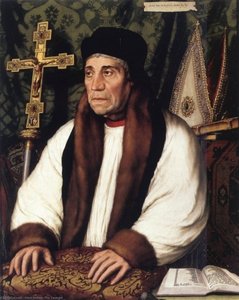
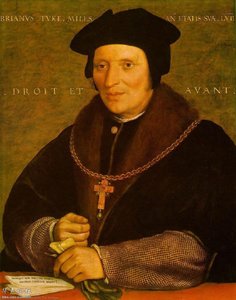
“Portrait of Lady Margaret Butts” is part of a series of portraits commissioned by Sir William Butts, a physician to Henry VIII. The painting stands alongside its companion piece, “Portrait of Sir William Butts,” both offering complementary perspectives on the couple’s status and character. This pairing underscores Holbein's ability to capture not just individual likenesses but also the dynamic between subjects – their relationship, social standing, and shared identity.
Beyond its immediate context, this portrait represents a significant contribution to the history of portraiture. Holbein’s work profoundly influenced generations of artists, establishing new standards for realism, psychological insight, and technical mastery. His portraits continue to fascinate art enthusiasts and historians alike, offering a window into the lives and times of England's elite.
Bringing Holbein Home: A ArtsDot Reproduction
At ArtsDot, we are dedicated to preserving the legacy of artistic masterpieces like “Portrait of Lady Margaret Butts.” Our hand-painted reproductions capture the essence of Holbein’s original with unparalleled fidelity—reproducing not just the colors and details but also the very spirit of the painting. Each reproduction is created by skilled artisans using traditional techniques, ensuring a timeless quality that rivals the original. Explore our collection today to bring this iconic portrait into your home or office – a stunning testament to the enduring genius of Hans Holbein the Younger.
Srodna umetnička dela
Biografija umetnika
Жаном Холбином Млађим: Мајстор Реализма и Портрета
Жан Холбин Млађи, рођен отприлике 1497. године у Аугзбургу, Немачка, био је више од самог сликара; он је био хроничар епохе, мајстор портрета чији су делови и данас дишу животом и откривају тајне своје епохе. Породична традиција уметности, са оцем Жаном Холбином Старијим као угледног сликара и гравера, положила је основу за његову изузетну каријеру. Али није то било само наслеђе – била је то неумокла посвећеност детаљу, способност да види не само изглед, већ и суштину човека, што га је издвојило од осталих. У раним годинама, у заједничкој радионици са оцем и братом Амброзијусом, Холбин је усвајао основе заната, али брзо је показао да поседује нешто више – дар да пренесе на платно не само слику, већ и душу.Од Базела до Енглеске Дворске Сцене: Узлетање Звезде
После завршетка ученичког стажа, Холбин је кренуо у путовања која су обликовала његов стил и проширила његову репутацију. Базел, град културног цветања, постао је његова прва велика сцена, где је стварао не само портрете, већ и религијска дела, те сложене дрворезе за књиге. Управо ту се родила чувена серија "Плес смрти", дело које открива Холбинову способност да ухвати мрачну поезију живота и неизбежност краја. Али судбина је имала нешто друго у виду – позив на Енглеску, земљу која ће постати његов дом и где ће доћи до пуног испуњења његовог талента. Помоћу препоруке од ренесансног хуманисте Еразма Ротердамског, Холбин је ушао у круг енглеске интелигенције, брзо освајајући срца и патронате угледних личности, укључујући сира Томаса Мора. Ово је била прекретница – од тада је Холбин постао омиљени сликар енглеског краљевског двора, а његови портрети су украшавали палате и замкове.Уметност Перцепције: Стил и Мајсторска Дела
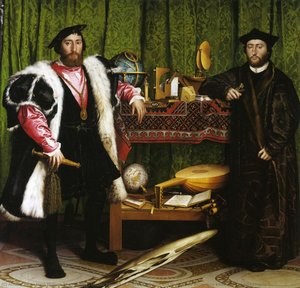
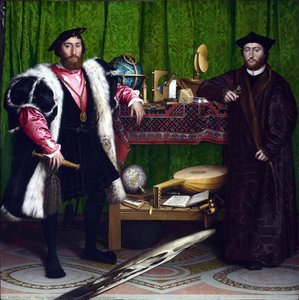
Холбинов стил се одликује изузетном посвећеношћу реализму, постигнутом кроз неуморан рад на детаљима у представљању тканина, материјала и суптилних нијанси лица. Он није само сликао портрете; он их је пажљиво конструисао, слој по слој, настојећи да ухвати не само физички изглед, већ и личност и унутрашњи свет својих модела. Иновативне композиције додатно су нагласиле ефекат његовог рада, често користећи симболичне предмете или позадине како би пренео дубље значење. "Амбасадори" (1533) је сведочанство о овоме – комплексно и синолитично богато дело које демонстрира Холбинову техничку бриљијантност и интелектуалну дубину. Скривени аморфни лобос у слици служи као моћан *memento mori*, подсећајући гледаоце на неизбежност смрти. Његови бројни портрети Хенрија VIII успоставили су трајну слику туторске моћи, док је његов портрет Еразма Ротердамског ухватио дубински интелектуални грациозност учења.Наслеђе и Утицај: Трајан Утисак
Холбинов уметнички пут био је обликован спојем различитих утицаја, спајајући прецизност немачке уметничке традиције са композиционим принципима ренесансе. Ценио је дело Албрехта Дирера и других немачких мајстора, док је током путовања усвојио италијанску уметност, интегришући њену технику у свој јединствени стил. Холбиново наслеђе је огромно; његови портрети су успоставили нови стандард реализма и психолошке проницљивости у портретној сликарској уметности, инспиришући генерације уметника који су дошли после њега. Његова дела пружају непроцењиве увиде у животе и личности кључних фигура током туторске епохе. Он није само забележио изглед – он је сачувао тренутке у времену, очувавши их за потомство.Завршна Повлачење: Историјски Значај
Жан Холбин Млађи преминуо је у Лондону 1543. године, оставивши иза себе дела која и данас опчињавају публику вековима касније. Његови портрети су више од лепих слика; они су историјски документи који нуде проблеске у политичке интриге, религиозна преображења и културне промене туторске епохе.- Његове представе Хенрија VIII постале су моћни симболи краљевске власти.
- Портретирање угледних хуманиста као што је Еразмо пружа увид у животе и мисли водећих интелектуалаца свог доба.
- Иновативно коришћење симболе додаје слојеве значења његовом раду, позивајући гледаоце да размишљају о дубљим темама.
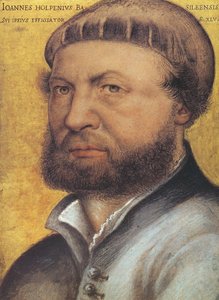
Hans Holbajn Mlađi
1497 - 1543 , Немачка
Osnovne informacije
- Datum Rođenja: oko 1497.
- Datum Smrti: 1543.
- Mesto Rođenja: Augsburg, Nemačka
- Nacionalnost: Nemačko-švajcarska
- Puno Ime: Hans Holbein Mlađi
- Umetnički Pokret: Severna Renesansa
- Uricali Su Na: ['Kasniji portreti']
- Uticali Na Njega: ['Albrecht Dürer']
- Značajna Dela:
- Poslanici
- Portret Henrika VIII
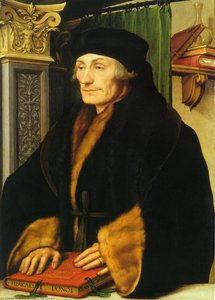
- Portret Erazma Roterdamskog
- Nikolaus Kratzer
Povezani članci
Hans Holbein the Younger: A Renaissance Portraitist's Mastery of Realism & Psychological Insight
Explore the life & art of Hans Holbein the Younger, a Renaissance master renowned for his strikingly realistic portraits and psychological insight. Discover iconic works like 'The Ambassadors' and delve into his lasting legacy.

The Enduring Legacy of Oil on Canvas: Technique, History & Aesthetic Impact
Explore the rich history & techniques of oil painting – from Renaissance masters to Impressionism. Discover pigments, layering methods, and why this timeless medium endures. Expert insights for artists & art enthusiasts.

Oil on Canvas: A Historical & Technical Exploration of a Timeless Artistic Medium
Explore the rich history & enduring techniques of oil painting on canvas. Discover the science behind its longevity, conservation practices, and contemporary relevance. Expert insights for art enthusiasts.

The Enduring Power of Painting: A Historical & Contemporary Exploration of Form and Emotion
Explore the rich history & enduring techniques of oil painting with ArtsDot. Discover masterpieces, learn about art collecting, and find authentic handmade reproductions crafted by skilled artists.

Trajnu Ostavština Uljanih Boja na Platnu: Tehnika, Istorija i Savremena Praksa
Istražite bogatu istoriju i savremene tehnike uljanog slikarstva. Saveti stručnjaka, analiza radova velikih majstora i vodiči za biranje kvalitetnih materijala. Otkrijte tajne očuvanja umetničkih dela!

![Dupli portret Жана де Динтевила и Жоржа де Села (известен и као Амбасадори) [detalj]](/media/artworks/images-thumb/bb/ab/bbab7ce77b7dd15d23d21114a63b51a4.jpg)
![Dupli portret Жана де Дентивила и Жоржа де Селва (poznat i kao „Амбасадори“) [detalj]](/media/artworks/images-thumb/42/81/42813dc49b2f72bce897aaf8b747ad5b.jpg)

