

 Pregledaj u prostoru
 Pošalji
 Podeli
 Detalji o delu

 Преузми
 Slični predmeti
 Rendgenski snimak
 Slajdovi
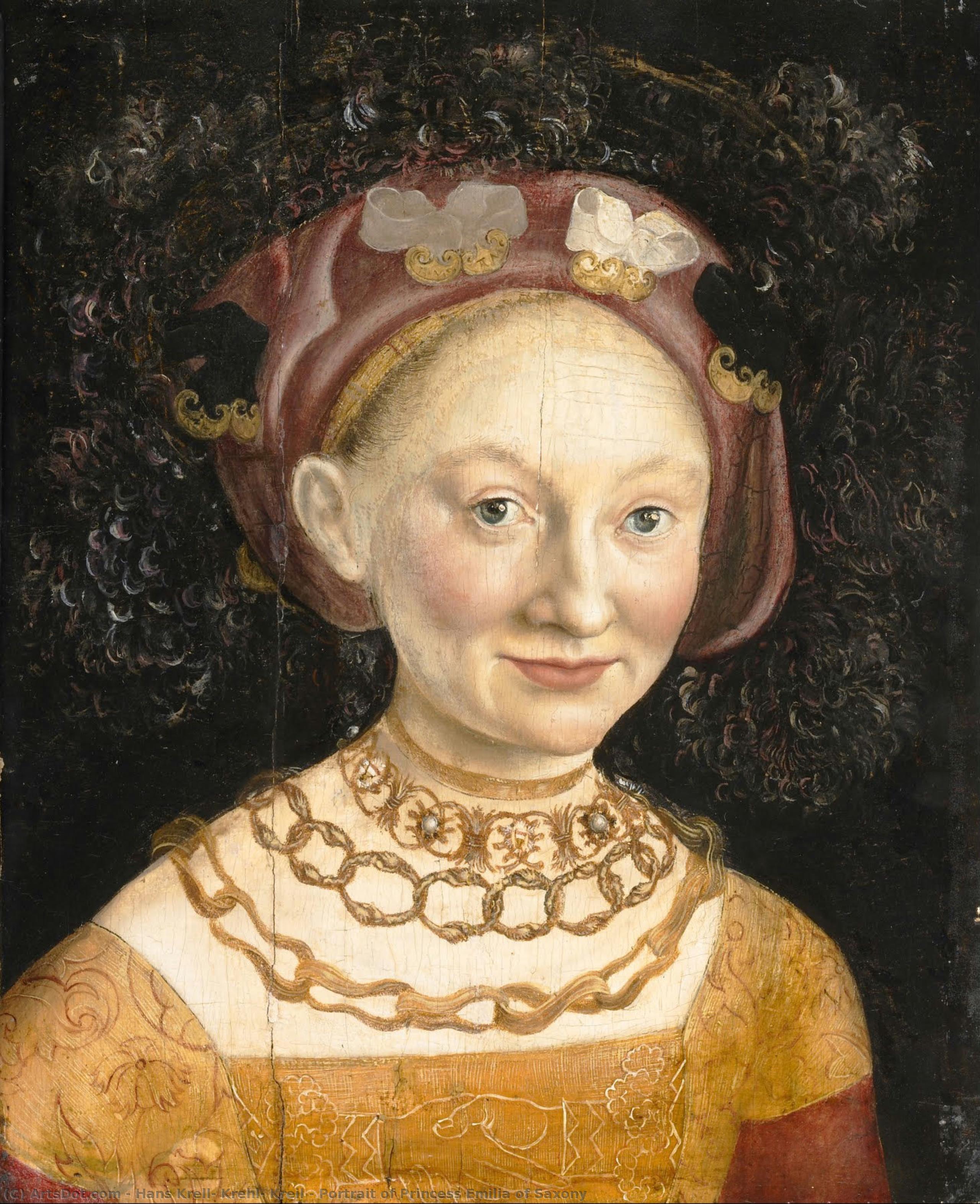
Портрет Принцезе Емилије из Саксоније
 Ulje na panelu
- Renaissance Portraiture
 1532
1532 1031.0 x 1271.0 cm
 Walker Art Gallery
 Pročitaj više
Kupite digitalnu sliku visoke rezolucije i poboljšanog kvaliteta, koja je znatno superiornija od onoga što vidite u online prikazu.
Svaka datoteka je pedantno pripremljena od strane naših stručnjaka koristeći napredne alate i profesionalnu ručnu retušu. Osiguravamo da svaka slika ima izuzetnu oštrinu, preciznu reprodukciju boja i fine detalje.
Konačna datoteka se dostavlja putem e-pošte u roku od 72 sata, optimizovana za neposrednu upotrebu u profesionalnim, izdavačkim i štamparskim okruženjima. To je isti kvalitet kojem veruju vrhunski studiji dizajna, izdavači i galerije.
Digitalna slika
Preuzmite datoteku visoke rezolucije za ličnu upotrebu, štampanje i kreativne projekte. ( Kupi print Kupi ručno naslikanu sliku)
Uključeno uz svaku porudžbinu digitalne slike
Profesionalna digitalna isporuka, zagarantovana
Kada odaberete ArtsDot.com, ne dobijate samo sliku – vi primate profesionalno unapređeno digitalno umetničko delo, izrađeno sa najvećom preciznošću i uz garanciju zadovoljstva. Evo svega što automatski dolazi uz vašu porudžbinu:

Brza dostava putem e-pošte
Vaša digitalna slika visoke rezolucije biće vam poslata putem e-pošte u roku od 72 sata od poručivanja – spremna za trenutnu upotrebu.

Digitalna datoteka unapređena veštačkom inteligencijom
Vaše umetničko delo je profesionalno optimizovano korišćenjem naprednih AI alata i ručne obrade, čime se osiguravaju maksimalni detalji, oštrina i preciznost boja.

Besplatna ponovna isporuka doživotno
Slučajno ste obrisali ili izgubili svoju datoteku? Ne brinite – poslaćemo vam je ponovo u bilo kom trenutku, potpuno besplatno.

Bez troškova uvoza – zauvek
Uživajte u svojim umetničkim delima trenutno, bez carine, dažbina ili troškova dostave – digitalni download je uvek bez poreza.

Garancija vernosti boja
Uz pomoć profesionalnih alata i upravljanja bojama, osiguravamo da vaša digitalna slika što vernije odražava originalne boje.

Garancija zadovoljstva u roku od 60 dana
Ako niste zadovoljni svojom digitalnom slikom, revidirat ćemo je ili vratiti 100% novca u roku od 60 dana – bez ikakvih pitanja.

100% garancija povrata novca
Niste zadovoljni? Obezbedite pun povrat novca u roku od 60 dana od trenutka kada ste primili svoju digitalnu datoteku – bez suvišnih pitanja.

Popusti na velike porudžbine
Kupite 3 slike, uštedite 10% - Kupite 5 slika, uštedite 15% - Kupite 10+ slika, uštedite 20%. Odlično za kreativne projekte, galerije i agencije.
A Delicate Emblem of Renaissance Patronage: Hans Krell’s Portrait of Princess Emilia
The painting “Portrait of Princess Emilia of Saxony,” executed by Hans Krell around 1532, stands as a testament to the flourishing artistic spirit of the German Renaissance and exemplifies the meticulous craftsmanship characteristic of the era. Created on wood panel using oil paint, this artwork resides within the esteemed collection of the Walker Art Gallery in Liverpool, United Kingdom, offering visitors an unparalleled opportunity to appreciate its beauty and historical significance.Subject Matter and Composition: Symbolism Embodied
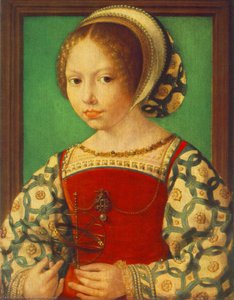
At first glance, the portrait depicts Princess Emilia of Saxony, a young woman adorned in a vibrant yellow dress accented with a delicate chain around her neck—a subtle symbol of wealth and status prevalent during the period. Her gaze is directed outwards, conveying serenity and confidence, while she wears a hat embellished with butterfly motifs – an element laden with symbolism representing transformation, rebirth, and nobility. The artist skillfully arranges these elements within a balanced composition, reflecting the humanist ideals that underpinned Renaissance art. Two butterflies strategically positioned—one near the upper left corner and another towards the lower right—further amplify this thematic resonance.Technique and Artistic Style: Precision and Detail
Krell’s mastery of oil paint technique is evident in the luminous quality of the pigments and the subtle gradations of tone achieved across the canvas. The artist demonstrates remarkable attention to detail, meticulously rendering textures – particularly on the dress fabric—and capturing the nuances of Emilia's facial expression with impressive accuracy. This meticulous approach aligns perfectly with the prevailing artistic style of the time, mirroring the stylistic conventions favored by artists like Lucas Cranach the Elder and emphasizing realism alongside idealized beauty. The painting’s execution showcases a dedication to capturing not merely likeness but also conveying an emotional essence—a hallmark of Renaissance portraiture.Historical Context: Royal Portraiture in Tudor England
Painted during the reign of King Louis II of Hungary, “Portrait of Princess Emilia of Saxony” reflects the patronage system that characterized European courts during the early sixteenth century. Commissions from royalty fueled artistic innovation and ensured the preservation of cultural heritage. The Walker Art Gallery’s acquisition underscores the importance of safeguarding artworks like this—pieces that offer invaluable insights into the social, political, and aesthetic values of their time. Furthermore, research reveals that William Roscoe, a prominent Liverpool lawyer and Radical politician, originally owned the painting, demonstrating its enduring appeal across generations. Roscoe's fascination with art and history speaks to the broader cultural landscape of Elizabethan England—a period marked by intellectual curiosity and artistic experimentation.Legacy and Interpretation: An Enduring Image
The attribution of “Portrait of Princess Emilia of Saxony” to Hans Krell represents a significant scholarly achievement, correcting an earlier misconception regarding its authorship. X-rays revealed that Krell initially portrayed Emilia wearing a taller bonnet—a stylistic choice reflecting the prevailing fashions of the time. Subsequent revisions underscored the artist’s adaptability and his ability to capture the spirit of his era. Today, this portrait continues to captivate viewers with its exquisite beauty and evocative symbolism—a timeless reminder of the artistic brilliance achieved during the Renaissance.Srodna umetnička dela
Biografija umetnika
Hans Krell (Krehl/Kreil): Life and Legacy
Early Life and Career
Hans Krell, also known as Krehl or Kreil, was a German painter of the Renaissance period. Born likely in Crailsheim or Ansbach, Germany, he lived until 1565. His early career began as court painter to George the Pious, Margrave of Brandenburg-Ansbach in Ansbach. This position provided him with valuable experience and exposure to aristocratic patronage.
Service to Royalty
Krell’s artistic talents soon attracted wider attention, leading him to enter the service of King Louis II of Hungary in Prague and Buda around 1522–1526. As court portraitist, he was responsible for creating images of the Hungarian royal family and other prominent figures. This period significantly shaped his style and established his reputation as a skilled portrait painter.
The ‘Battle of Orsha’ Attribution
A pivotal moment in Krell's rediscovery came with the reattribution of the painting Battle of Orsha, previously long associated with Lucas Cranach the Elder. Art historian Dieter Koepplin convincingly argued for Krell’s authorship, dating the work to around 1524–1530. The painting depicts the battle fought on September 8, 1514, between allied Polish-Lithuanian forces and the army of Moscow. This attribution is supported by Krell's connections with patrons of the Jagiellonian dynasty and rulers of Prussia.
Artistic Style and Influences
Krell’s style reflects the influences of his time, particularly that of Lucas Cranach the Elder. He was known for his realistic portraiture, attention to detail, and ability to capture the likenesses of his subjects. His work often features rich colors and a refined sense of composition.
- Portraiture: Krell excelled in creating lifelike portraits that conveyed both physical appearance and social status.
- Historical Paintings: The ‘Battle of Orsha’ demonstrates his ability to depict large-scale historical events with dramatic flair.
Patronage and Major Achievements
Krell earned the title Fürstenmaler (painter of princes) due to his extensive work for German nobility, including Albrecht of Brandenburg-Ansbach, Hedwig Jagiellon, Electress of Brandenburg, and Elector Augustus of Saxony. He continuously completed paintings of Saxon princes for the ceremonial hall and council chamber of the Old Town Hall in Leipzig.
Legacy and Historical Significance
Although not as widely recognized as some of his contemporaries, Hans Krell played a significant role in the artistic landscape of 16th-century Germany. His work provides valuable insights into the courtly life and political events of the period. Today, examples of his paintings can be found in museums such as the Kunstsammlungen Graf von Schönborn Pommersfelden in Germany.
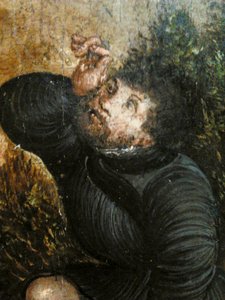
hans krell, krehl, kreil
1565 , Germany
Kratke činjenice
- Birth_Place: Crailsheim, Germany
- Death_Date: 1565
- Influenced_By: Lucas Cranach the Elder
- Movement: Renaissance
- Name: Hans Krell (Krehl/Kreil)
- Nationality: German
- Notable_Works: Battle of Orsha, Portrait of Princess Emilia of Saxony

