

 Pregledaj u prostoru
 Pošalji
 Podeli
 Detalji o delu

 Преузми
 Slični predmeti
 Rendgenski snimak
 Slajdovi
 Statistika
Scenes from the Life of David
 Oil On Panel
- German Renaissance Printmaking
 1534
1534- Renaissance
 128.0 x 131.0 cm
 Louvre
 Pročitaj više
Giclee štampa / Umetnički otisak
Giclée štampa ili print na platnu muzejskog kvaliteta uz brzu proizvodnju i fleksibilne opcije završne obrade. ( Kupi ručno naslikanu sliku Pređi na digitalnu sliku)




P118B $10

P118H $10

P118W $10

P438Z $10

P508JH $12

P508YH $12

P805H $10

P805Z $10

P919BZ $10

P919G $10

P919XJ $10

P959ZH $10

P968JZ $12

W106C $8

W218G $10

W218JH $8

W218Y $10

W307PJ $10

W316G $10

W316PJ $8

W316Y $10

W398PJ $8

W4111J $10

W500HY $15

W500JH $15

W692G $12

W849H $8

W940BG $15

W953PJ $8




Izaberite jednu od naših unapred definisanih veličina koje odgovaraju originalnim proporcijama umetničkog dela.

Možete uneti sopstvene dimenzije kako biste umetničko delo prilagodili specifičnom okviru ili prostoru. Ako odabrani format ne odgovara proporcijama originalne slike, mi ćemo ili iscrtati deo dela ili proširiti sliku pomoću ogledane ivice ili jednobojnog popunjavanja. Digitalni prikaz će vam biti poslat na odobrenje pre početka proizvodnje.
Imajte na umu da pregled na ekranu ne odražava stvarno iscrtavanje ili proširivanje. Samo će prikaz (mockup) precizno pokazati finalnu kompoziciju.
Iako su prilagođene dimenzije dostupne, preporučujemo da odaberete dimenziju sa unapred definisane liste kako biste očuvali originalne proporcije.
Dostava širom sveta () za 2 nedelje umesto uobičajenih 4/5 nedelja. (10 септембар)

Besplatna ekspresna dostava širom sveta

Visokokvalitetno laneno platno

Kompletno osiguranje transporta

Garancija povraćaja carine i uvoznih dažbina

Garancija vernosti boja

Politika povraćaja u roku od 100 dana (isključivo u slučaju nedostataka)

Garancija povrata novca od 100%

Popust pri grupnoj kupovini
 Opcija sa staklom dostupna je samo za dimenzije manje od 110 cm

Scenes from the Life of David
Giclee štampa / Umetnički otisak
Dimenzije reprodukcije
-


Konačna cena
$ 62
Hans Sebald Beham’s “Scenes from the Life of David”: A Window into Reformation Germany
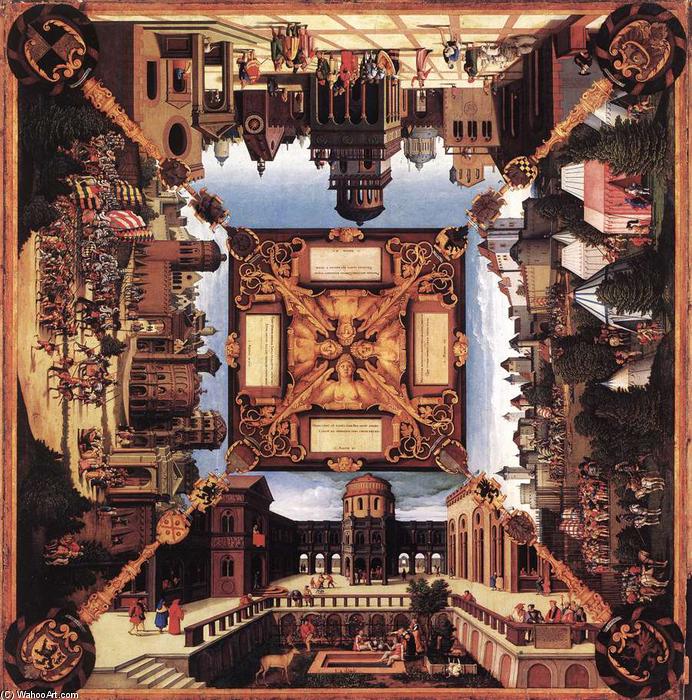
The meticulously rendered cityscape depicted in Hans Sebald Beham's "Scenes from the Life of David," created in 1534, offers a captivating glimpse into the artistic and intellectual landscape of late Renaissance Germany. More than just a depiction of a bustling urban scene, this work is a complex tapestry woven with threads of religious allegory, classical influence, and the burgeoning anxieties of a nation grappling with profound change. Measuring a modest 128 x 131 cm, the painting’s intimate scale belies its rich narrative content – a testament to Beham's skill in distilling complex stories into visually compelling compositions.
Beham, born around 1500 in Nuremberg, was a pivotal figure within the “Little Masters” circle, renowned for his extraordinarily detailed engravings. His work reflects the era’s turbulent currents; he navigated the transition from late Gothic to early Renaissance styles while simultaneously engaging with the radical ideas of the Reformation. This painting exemplifies this duality – it showcases classical elements like architectural detail and humanistic figures alongside a distinctly Protestant sensibility, evident in the moralizing themes explored within the scenes.
A Narrative Unfolding: Scenes from Scripture
The artwork presents four distinct episodes drawn from the biblical narrative of David’s life. The first panel captures a dramatic encounter between Saul and David, with women emerging from Jerusalem to offer assistance – a scene rife with political intrigue and foreshadowing the future conflict between the two kings. The second depicts Bathsheba bathing, an image laden with both sensual beauty and potential transgression, prompting contemplation on temptation and divine judgment. The third panel illustrates David sending Uriah to the siege of Rabbath, highlighting themes of loyalty, honor, and the consequences of human actions. Finally, Nathan confronts David with God’s condemnation, a pivotal moment emphasizing accountability and repentance.
Beham's masterful use of perspective draws the viewer into the scene, creating a sense of immediacy and involvement. The buildings, rendered with meticulous detail, suggest a thriving city – Nuremberg itself, likely – while the figures are depicted with a remarkable degree of realism, capturing their gestures, expressions, and clothing with precision. Note the subtle variations in costume and architecture, indicative of Beham’s careful study of both contemporary trends and classical models.
Technique and Materials: A Study in Detail
Executed in oil on panel, “Scenes from the Life of David” showcases Beham's exceptional technical skill. The artist employed a layering technique, building up color gradually to achieve remarkable depth and luminosity. The use of chiaroscuro – the dramatic interplay of light and shadow – further enhances the sense of realism and adds emotional weight to the scenes. Close examination reveals an astonishing level of detail in every element, from the folds of fabric to the texture of stone.
The composition is carefully balanced, with each panel contributing equally to the overall narrative. The triangular arrangement of the scenes creates a dynamic visual rhythm, guiding the viewer’s eye through the story. Beham's meticulous attention to detail and his command of perspective demonstrate his mastery of the Renaissance artistic principles he had absorbed.
Symbolism and Emotional Resonance
Beyond their biblical subject matter, these scenes resonate with broader symbolic meanings relevant to the Reformation era. The depiction of David’s flaws – his lust for Bathsheba, his deception of Uriah – serves as a cautionary tale against pride and ambition. The emphasis on moral judgment and divine retribution reflects the Protestant critique of papal authority and the call to individual piety.
“Scenes from the Life of David” is not merely a historical record; it’s an invitation to contemplate fundamental questions about human nature, faith, and morality. The painting's enduring appeal lies in its ability to engage viewers on multiple levels – intellectually, emotionally, and spiritually. A high-quality reproduction allows us to appreciate Beham’s artistry and the profound cultural context of this remarkable work, offering a tangible connection to a pivotal moment in European history.
Srodna umetnička dela
Biografija umetnika
Hans Sebald Beham: A Master of Miniature and Reformation
Born in Nuremberg around 1500, Hans Sebald Beham (though often referred to as Hans Sebald Beham due to the “H” in his monogram) emerged during a pivotal period of artistic and religious upheaval in Germany. His life coincided with the dawn of the Reformation, a time when traditional authority was being challenged and new ideas – both artistic and theological – were rapidly spreading. While details about his early life remain scarce, what we know of Beham reveals an artist deeply influenced by the era’s turbulent currents and remarkably adept at navigating them through his intricate prints.
Beham's origins are shrouded in mystery; records concerning his parents are absent. However, he was part of a family connected to the artistic world – his brother, Bartel Beham, also pursued a career as an artist. Their training remains undocumented, suggesting that Beham’s early development relied heavily on observation and perhaps informal apprenticeships rather than structured academic instruction. This lack of formal documentation is characteristic of many artists working during this period, particularly those operating outside the established centers of artistic patronage.
The “Godless Painters” and Nuremberg's Religious Divide
Beham’s career took a dramatic turn in 1525 when he, along with his brother Bartel and Georg Pencz, were banished from Nuremberg. The charges leveled against them – heresy, blasphemy, and a refusal to recognize the authority of the city council – painted a picture of artists deeply involved in radical Protestant beliefs. This expulsion earned them the moniker “godless painters,” a label that reflects the anxieties surrounding religious dissent within the staunchly Catholic city.
The accusations stemmed from Beham’s increasingly outspoken Lutheran views, which clashed directly with Nuremberg's established Catholic leadership. The timing of this event is particularly significant: just two months after the banishment, Nuremberg officially adopted Lutheranism as its state religion. This swift shift highlights the volatile religious climate and underscores the precarious position occupied by artists who dared to challenge prevailing orthodoxies. Despite their subsequent reinstatement, Beham’s hasty departure from Nuremberg in 1528 – prompted by legal threats related to a plagiarism accusation concerning his treatise on horse proportions (allegedly derived from an unpublished manuscript by Albrecht Dürer) – demonstrates the lingering distrust and potential for persecution.
A Prodigious Printmaker: Technique and Subject Matter
Following his time in Nuremberg, Beham spent years working across various German cities, establishing himself as a prolific printmaker. His work is characterized by an extraordinary level of detail—many of his engravings are remarkably small, some even approaching the size of postage stamps. This miniaturization was not merely a technical feat; it reflected a deliberate aesthetic choice, emphasizing precision and meticulous observation.
Beham’s prints encompassed a diverse range of subjects, including scenes from peasant life, classical mythology, and erotic themes – often intertwined in complex allegorical narratives. His depictions of everyday rural life offered a stark contrast to the idealized representations favored by many of his contemporaries, providing a glimpse into the realities of ordinary people during the Renaissance. Simultaneously, he skillfully adapted classical motifs, imbuing them with a distinctly German sensibility. His engravings frequently feature dynamic compositions and dramatic figures, showcasing a mastery of line and perspective.
Influence and Legacy
Beham’s artistic development is inextricably linked to that of Albrecht Dürer, his supposed master. While the precise nature of their relationship remains debated, Beham clearly absorbed many of Dürer's techniques—particularly his meticulous attention to detail and his innovative use of engraving—but he pushed beyond Dürer’s established style, embracing a greater degree of social commentary and exploring more unconventional subject matter. He stands as one of the “Little Masters,” a group of German artists who followed in Dürer’s footsteps but developed their own distinctive voices within the evolving landscape of printmaking.
Despite his relatively obscure status for much of the 20th century, Beham's work has experienced a resurgence of interest in recent decades. His prints are now recognized as significant contributions to German Renaissance art and offer valuable insights into the religious, social, and artistic currents of his time. His legacy lies not only in the beauty and technical brilliance of his engravings but also in his courageous embrace of challenging subjects and his willingness to defy convention.
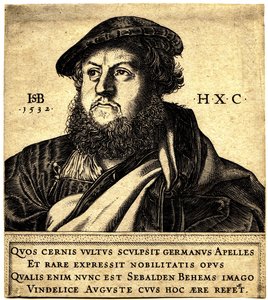
Hans Sebald Beham
1500 - 1550 , Germany
Osnovne informacije
- Artistic Movement Or Style: Little Masters
- Artists Or Movements Influenced By This Artist: ['Dürer']
- Artists Who Influenced This Artist: ['Albrecht Dürer']
- Date Of Birth: 1500
- Date Of Death: 1550
- Full Name: Hans Sebald Beham
- Nationality: German
- Notable Artworks:
- Coat of Arms
- Fountain of Youth
- Christ & Samaria
- Place Of Birth: Nuremberg, Germany
Povezani članci

Caspar David Friedrich: Romanticism's Master of Landscape & the Sublimity of Inner Experience
Explore the profound landscapes of Caspar David Friedrich, a master of German Romanticism. Discover the symbolism, themes & enduring influence of this iconic artist. A deep dive into his life and work.
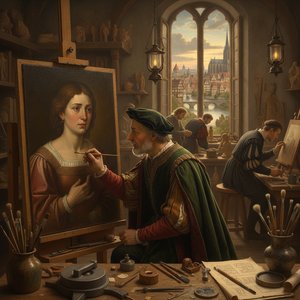
The Northern Awakening: Artistic Innovation & Cultural Transformation in the German Renaissance
Explore the artistic innovation of the German Renaissance! Discover Dürer, the Danube School & Reformation art. Learn about techniques, materials & lasting influence. Find museum-quality reproductions at ArtsDot.
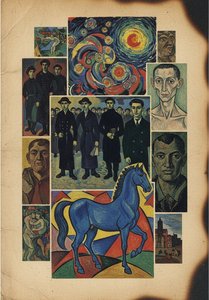
German Expressionism's 10 Defining Masterpieces | Art for Your Home
Explore 10 defining German Expressionism masterpieces – from Munch's 'The Scream' to Kandinsky’s abstracts. Discover the artists, stories & bold colors behind this powerful art movement. Find museum-quality reproductions at ArtsDot.com.
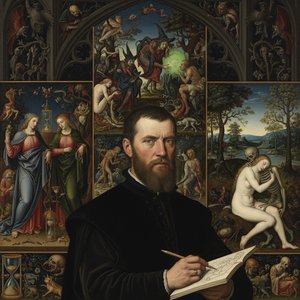
Hans Baldung Grien: A Renaissance Master of Allegory, Innovation & the Grotesque
Explore the captivating world of Hans Baldung Grien, a Renaissance master renowned for his allegorical paintings, striking woodcuts & unique depictions of mythology and the grotesque. Discover his life, works & legacy with ArtsDot.
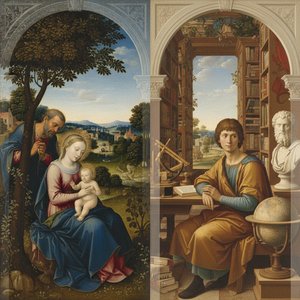
Gerard David: Bridging Late Medieval Tradition with Early Renaissance Humanism
Explore the captivating world of Gerard David, a pivotal figure bridging late medieval artistry with the Early Renaissance. Discover his innovative techniques, religious masterpieces, and enduring legacy – a must-read for discerning art collectors.