 Pregledaj u prostoru
 Pošalji
 Podeli
 Detalji o delu

 Преузми
 Slični predmeti
 Rendgenski snimak
 Slajdovi
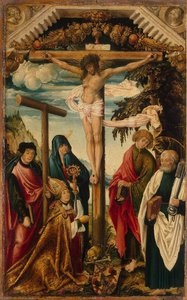
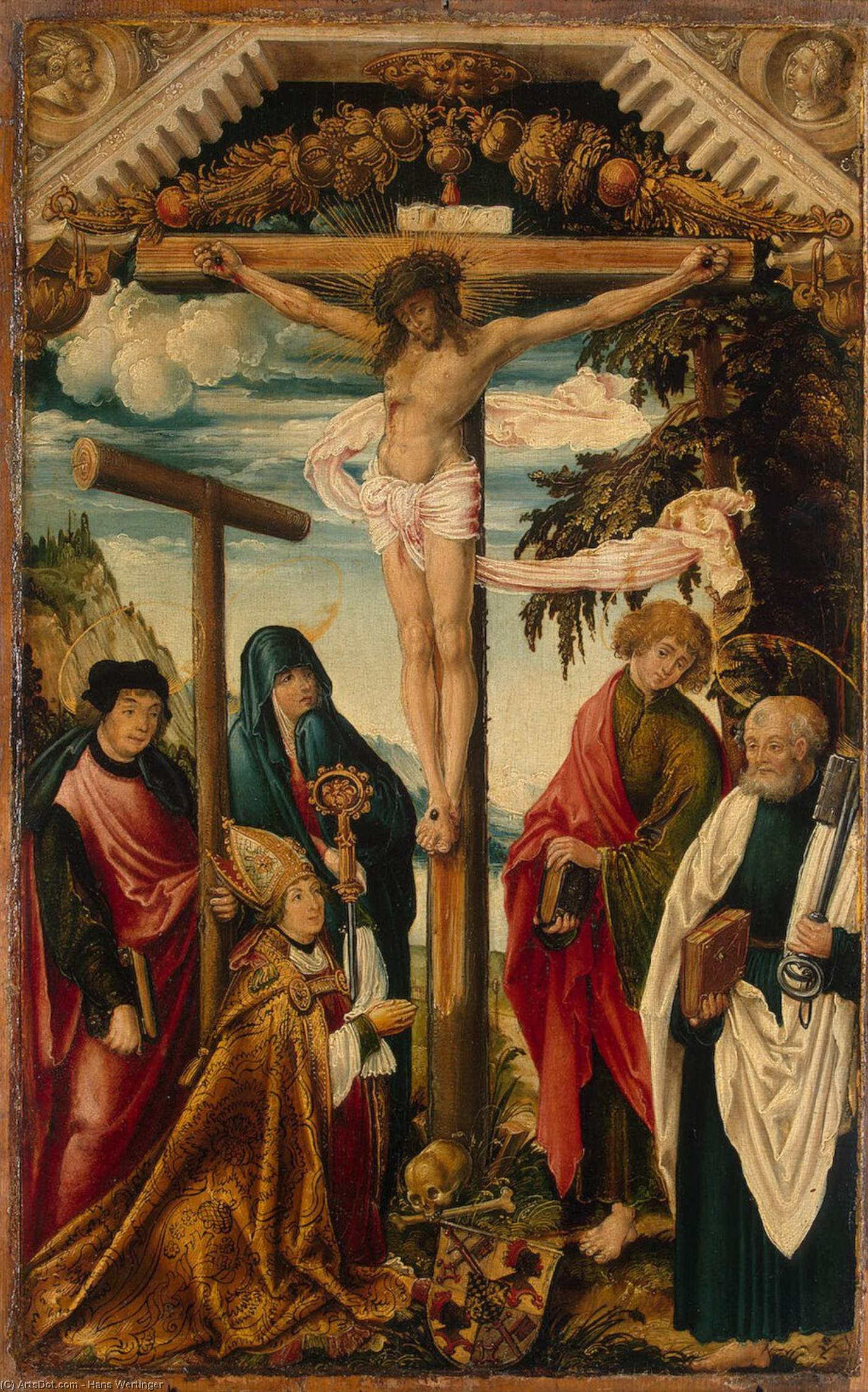
Križanje sa svetcima i davajem
 Akril na platnu
- Umetnost za zidove
- Baroque Revival
 53.0 x 82.0 cm
 Hermitage Museum
 Pročitaj više
Giclee štampa / Umetnički otisak
Giclée štampa ili print na platnu muzejskog kvaliteta uz brzu proizvodnju i fleksibilne opcije završne obrade. ( Kupi ručno naslikanu sliku Kupi digitalnu sliku)




P118B $10

P118H $10

P118W $10

P438Z $10

P508JH $12

P508YH $12

P805H $10

P805Z $10

P919BZ $10

P919G $10

P919XJ $10

P959ZH $10

P968JZ $12

W106C $8

W218G $10

W218JH $8

W218Y $10

W307PJ $10

W316G $10

W316PJ $8

W316Y $10

W398PJ $8

W4111J $10

W500HY $15

W500JH $15

W692G $12

W849H $8

W940BG $15

W953PJ $8




Izaberite jednu od naših unapred definisanih veličina koje odgovaraju originalnim proporcijama umetničkog dela.

Možete uneti sopstvene dimenzije kako biste umetničko delo prilagodili specifičnom okviru ili prostoru. Ako odabrani format ne odgovara proporcijama originalne slike, mi ćemo ili iscrtati deo dela ili proširiti sliku pomoću ogledane ivice ili jednobojnog popunjavanja. Digitalni prikaz će vam biti poslat na odobrenje pre početka proizvodnje.
Imajte na umu da pregled na ekranu ne odražava stvarno iscrtavanje ili proširivanje. Samo će prikaz (mockup) precizno pokazati finalnu kompoziciju.
Iako su prilagođene dimenzije dostupne, preporučujemo da odaberete dimenziju sa unapred definisane liste kako biste očuvali originalne proporcije.
Dostava širom sveta () za 2 nedelje umesto uobičajenih 4/5 nedelja. (24 август)

Besplatna ekspresna dostava širom sveta

Visokokvalitetno laneno platno

Kompletno osiguranje transporta

Garancija povraćaja carine i uvoznih dažbina

Garancija vernosti boja

Politika povrata u roku od 60 dana (samo u slučaju nedostataka)

Garancija povrata novca od 100%

Popust pri grupnoj kupovini
 Opcija sa staklom dostupna je samo za dimenzije manje od 110 cm

Križanje sa svetcima i davajem
Giclee štampa / Umetnički otisak
Dimenzije reprodukcije
-


Konačna cena
$ 62
Opis predmeta
Hans Wertinger’s Crucifixion with Saints and Donor: A Testament to Bavarian Court Art
Hans Wertinger, born around 1465 in Landshut, Bavaria, represents a cornerstone of late fifteenth-century German artistic production. Though his name may not resonate widely today, his prolific output—primarily consisting of intricately carved woodcuts and richly adorned panel paintings—offers an invaluable glimpse into the aesthetic sensibilities of the Wittelsbach court during a period marked by significant political upheaval and intellectual ferment. Wertinger’s career was inextricably intertwined with Duke Ludwig X, whose patronage fostered not merely commissions but also a profound engagement with humanist thought and artistic innovation. Wertinger's formative years were spent honing his craft within the workshops of Nuremberg masters, absorbing techniques that would define his distinctive style. However, it was Ludwig X who decisively propelled Wertinger to prominence, establishing him as an indispensable figure in shaping the court’s visual culture. This relationship extended beyond mere artistic collaboration; Wertinger became a trusted advisor and intellectual companion, reflecting the broader humanist currents circulating throughout Europe at the time. The painting itself—a monumental panel measuring 53 x 82 cm—depicts a dramatic scene of crucifixion featuring Jesus Christ flanked by several saints and a kneeling donor, Philipp. Executed in oil on panel, Wertinger’s masterful brushwork captures both anatomical precision and expressive emotion. The composition is carefully balanced, drawing the viewer's eye towards the central figure – Jesus – while simultaneously incorporating elements that underscore the solemnity of the occasion. Noticeably, the backdrop incorporates stylized trees and clouds, creating an atmosphere conducive to contemplation and reverence—a hallmark of devotional art during Wertinger’s era. Symbolism permeates every aspect of this artwork. The inclusion of apples scattered throughout the image is particularly noteworthy; these fruits hark back to biblical narratives concerning Adam and Eve, representing both earthly beauty and the consequences of transgression. Simultaneously, they serve as a poignant reminder of humanity's vulnerability before divine judgment. Wertinger’s meticulous attention to detail—from the drapery folds to the facial expressions of the saints—demonstrates his commitment to conveying not just visual accuracy but also profound spiritual significance.- Artist: Hans Wertinger
- Year Created: Unknown
- Medium: Oil on Panel
- Dimensions: 53 x 82 cm
- Location: Hermitage, St. Petersburg
Srodna umetnička dela
Biografija umetnika
Hans Wertinger: A Master of Bavarian Court Art
Born in Landshut, Bavaria, around 1465 and tragically passing away in the same city in 1533, Hans Wertinger stands as a pivotal figure in the late 15th-century German art scene. While not a household name today, his prolific output—spanning woodcuts, panel paintings, and decorative designs—offers a remarkable glimpse into the artistic landscape of the Bavarian court during a period of significant political and cultural transformation. Wertinger’s career was inextricably linked to the powerful Wittelsbach dynasty, specifically Duke Ludwig X, and his influence extended far beyond simply fulfilling commissions; he became an integral part of the court's intellectual and aesthetic life.
Wertinger’s early training remains somewhat shrouded in mystery, though it is believed he received instruction within the workshops of prominent Nuremberg artists. However, it was his association with Ludwig X that truly shaped his artistic trajectory. Appointed as the Duke’s court painter in 1516, Wertinger quickly established himself as a versatile and highly sought-after artist. He wasn't merely a decorator; he was tasked with creating visual representations of the Duke’s power, piety, and intellectual pursuits – a demanding role that required both technical skill and astute political awareness.
A Diverse Artistic Portfolio
Wertinger’s artistic output is remarkably diverse, reflecting the multifaceted demands placed upon him by his royal patron. He excelled in several mediums, producing intricate woodcuts depicting biblical scenes, allegorical representations of the months of the year (a popular motif during this period), and elaborate panel paintings for altarpieces and private chapels. His work frequently incorporated rich decorative elements – garlands, heraldic symbols, and classical motifs – demonstrating a sophisticated understanding of visual rhetoric and courtly aesthetics.
- Woodcuts: Wertinger’s woodcut prints are particularly noteworthy for their clarity, detail, and expressive quality. These images often served as didactic tools, conveying religious narratives to a largely illiterate population.
- Panel Paintings: His panel paintings, such as the magnificent “Crucifixion with Saints and Donor” (available as a hand-painted reproduction on ArtsDot.com), showcase his mastery of color, composition, and perspective. These works frequently depict scenes from the Bible or portray saints, often incorporating elements of courtly life and symbolism.
- Decorative Designs: Wertinger’s contributions to the decoration of Ludwig X's palace at Burg Trausnitz were extensive, including stained glass designs, wall murals, and furnishings. These projects demonstrate his ability to integrate seamlessly into a broader architectural and artistic context.
A prime example of Wertinger’s skill is “King Alexander and his physician Philip,” currently housed in the National Gallery in Prague. This portrait exemplifies his signature style – a combination of realistic depiction and elaborate decorative framing, reflecting the opulent tastes of the Bavarian court. His later work, like "Crucifixion, with Dr. Peter Baumgartner and His Family," further demonstrates his ability to imbue religious scenes with intimate human drama.
Influences and Artistic Style
Wertinger’s artistic style is often described as a synthesis of late Gothic and early Renaissance influences. He inherited the meticulous detail and rich color palette characteristic of German Late Gothic art, while simultaneously embracing elements of perspective and naturalism that were gaining prominence in Italy. His work reflects the humanist ideals prevalent at the Bavarian court, particularly the interest in classical antiquity and the study of human anatomy.
The influence of Dietrich von Plieningen, a prominent humanist scholar and advisor to Duke Ludwig X, is also evident in Wertinger’s artistic output. The two collaborated on several projects, including illuminated manuscripts and historical paintings, demonstrating a shared commitment to both artistic excellence and intellectual inquiry.
Historical Significance
Hans Wertinger's legacy lies not only in the beauty of his individual works but also in his role as a key figure in shaping the visual culture of the Bavarian court during a pivotal period of German history. His art provides valuable insights into the political, religious, and intellectual currents that defined the late 15th century. His work stands as a testament to the power of patronage and the enduring appeal of artistic expression within the context of royal courts.
Explore stunning hand-painted reproductions of Hans Wertinger’s masterpieces today on ArtsDot.com – bringing these remarkable works of art into your home or office.
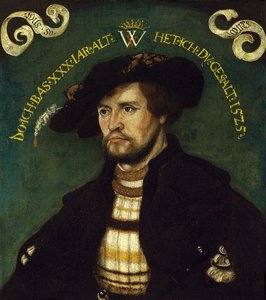
hans wertinger
1465 - 1533 , Germany
Osnovne informacije
- Artistic Movement Or Style: German Renaissance
- Date Of Birth: c. 1465
- Date Of Death: 1533
- Full Name: Hans Wertinger
- Nationality: German
- Notable Artworks:
- King Alexander...
- Crucifixion with...
- Place Of Birth: Landshut, Germany
Povezani članci
German Expressionism's 10 Defining Masterpieces | Art for Your Home
Explore 10 defining German Expressionism masterpieces – from Munch's 'The Scream' to Kandinsky’s abstracts. Discover the artists, stories & bold colors behind this powerful art movement. Find museum-quality reproductions at ArtsDot.com.
The Northern Awakening: Artistic Innovation & Cultural Transformation in the German Renaissance
Explore the artistic innovation of the German Renaissance! Discover Dürer, the Danube School & Reformation art. Learn about techniques, materials & lasting influence. Find museum-quality reproductions at ArtsDot.
Oil on Panel Masters: 10 Paintings That Revolutionized Art |
Journey through 10 legendary 'Oil on Panel' masterpieces by Van Eyck, Bosch & Bruegel. Explore the stories behind these iconic Renaissance & Baroque paintings and find museum-quality art reproductions to elevate your home decor. Discover all masterpieces on !
Hans Baldung Grien: A Renaissance Master of Allegory, Innovation & the Grotesque
Explore the captivating world of Hans Baldung Grien, a Renaissance master renowned for his allegorical paintings, striking woodcuts & unique depictions of mythology and the grotesque. Discover his life, works & legacy with ArtsDot.
Hans Holbein the Younger: A Renaissance Portraitist's Mastery of Realism & Psychological Insight
Explore the life & art of Hans Holbein the Younger, a Renaissance master renowned for his strikingly realistic portraits and psychological insight. Discover iconic works like 'The Ambassadors' and delve into his lasting legacy.