

 Pregledaj u prostoru
 Pošalji
 Podeli
 Detalji o delu

 Преузми
 Slični predmeti
 Rendgenski snimak
 Slajdovi
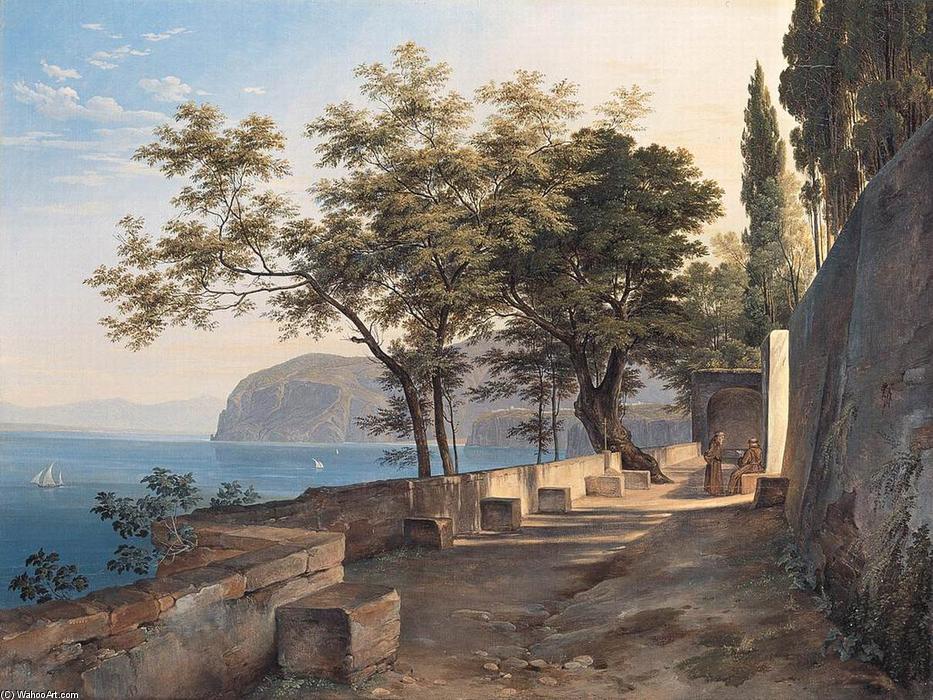
Terrace of the Capucin Priory in Sorrento
 Romanticism
 1823
1823 42.0 x 55.0 cm
 Neue Pinakothek
 Pročitaj više
Ručno rađena uljana reprodukcija
Ručno oslikano uljanim bojama na platnu u dimenzijama i okviru po vašem izboru, izrađeno po porudžbini od strane naših umetnika. ( Kupi print Kupi digitalnu sliku)




































Izaberite jednu od naših unapred definisanih veličina koje odgovaraju originalnim proporcijama umetničkog dela.

Можете унети сопствене димензије како бисте прилагодили дело одређеном оквиру или простору. Ако одабрана величина не одговара пропорцијама оригинала, слика ће бити исечена или проширена додатним елементима који се ручно насликавају. Дигитални prikaz ће вам бити послат на одобрење пре почетка производње.
Имајте на уму да преглед на екрану не одражава стварно исецање или проширење. Само приказ (mockup) ће тачно приказати коначну композицију.
Иако су доступне прилагођене величине, препоручујемо да одаберете димензију из дефинисане листе како бисте сачували оригиналне пропорције.
Nakon narudžbine, tim ArtsDot.com će klijentu putem e-pošte poslati uputstva i dostaviti prikaz predloženog rešenja
Isporuka širom sveta () za 3/4 nedelje umesto uobičajenih 5 nedelja. (4 септембар). Bez kompromisa po pitanju kvaliteta.

Besplatna ekspresna dostava širom sveta

Visokokvalitetno laneno platno

Kompletno osiguranje transporta

Garancija povraćaja carine i uvoznih dažbina

Garancija vernosti boja

Politika povrata u roku od 60 dana (samo u slučaju nedostataka)

Garancija povrata novca od 100%

Popust pri grupnoj kupovini
 Opcija sa staklom dostupna je samo za dimenzije manje od 110 cm

Terrace of the Capucin Priory in Sorrento
Tehnika reprodukcije
Dimenzije reprodukcije
-


Konačna cena
$ 263
The Painting's Composition and Style
The Terrace of the Capucin Priory in Sorrento depicts a serene coastal scene, with a stone terrace overlooking the sea. The artist has masterfully incorporated trees, shrubs, and two individuals engaged in conversation, adding a sense of human presence to the scene. Reinhold's use of soft hues and gentle light creates a tranquil atmosphere, inviting viewers to immerse themselves in this peaceful setting. Key Features of the painting include:- The artist's exceptional attention to detail, evident in the intricate architecture and lush vegetation
- The captivating play of light and shadow, which adds depth and dimensionality to the scene
- The sense of serenity and calmness, which pervades the entire composition
Reinhold's Artistic Legacy
Heinrich Carl Reinhold was a prominent German painter and engraver, known for his stunning landscapes and cityscapes. His work can be found in various museums and collections, including the Von Der Heydt Museum in Wuppertal, Germany. As a testament to his artistic genius, Reinhold's paintings continue to inspire and captivate art lovers around the world. For more information on Heinrich Carl Reinhold and his works, visit https://ArtsDot.com and explore our extensive collection of handmade oil painting reproductions. You can also learn more about the artist's life and legacy on Terrace of the Capucin Priory in Sorrento.Discover the beauty of Terrace of the Capucin Priory in Sorrento and other stunning artworks by renowned artists at https://ArtsDot.com.
Srodna umetnička dela
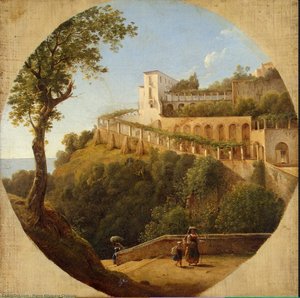
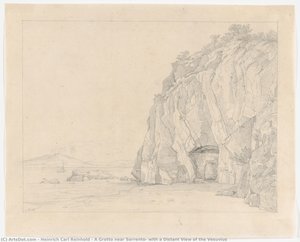
Biografija umetnika
A Romantic Vision of Italy: The Life and Legacy of Heinrich Carl Reinhold
Johann Heinrich Carl Reinhold emerged as a luminous figure within the burgeoning Romantic movement, leaving behind a legacy defined by his captivating landscapes and meticulously rendered depictions of Italian scenery. Born in 1788 in Gera, Thuringia, Reinhold’s artistic journey was deeply rooted in familial tradition. His early training began under the nurturing tutelage of his father and his half-brother, Friedrich Philipp Reinhold, an experience that fostered a profound appreciation for the precision of drawing and established the technical foundation upon which his later masterpieces would be built. As a student at the Dresden Academy of Fine Arts, he began to absorb the classical ideals that would serve as the structural backbone of his compositions, even as his spirit drifted toward the emotive power of Romanticism. The trajectory of Reinhold’s career was shaped by a series of pivotal migrations across Europe's great artistic centers. In 1806, seeking further refinement, he moved to Vienna, enrolling at the Akademie der bildenden Künste Wien. It was here that his talent caught the eye of the influential Dominique Vivant, Baron de Denon, the Director of Museums in Paris. This encounter proved transformative, propelling Reinhold into the vibrant heart of Parisian artistic discourse in 1809. During his years in France, he did not merely observe; he actively documented the era's seismic shifts, capturing the grandeur and drama of Napoleon’s military campaigns through a masterful blend of keen observation and poetic interpretation.The Italian Influence and Artistic Maturity
The true soul of Reinhold’s oeuvre, however, was found in the sun-drenched landscapes of the South. Following his time in Paris, a renewed enthusiasm for Romanticism spurred his return to Vienna in 1819, leading to an ambitious expedition to Italy alongside Johann Christoph Erhard. This journey through Rome and Naples allowed Reinhold to immerse himself in a classical milieu that would forever alter his palette and perspective. His works from this period, such as the breathtaking Terrace of the Capucin Priory in Sorrento, demonstrate a remarkable sensitivity to light and atmosphere. In these paintings, one finds a serene coastal beauty where stone terraces, lush vegetation, and the gentle play of shadow create a tranquil, almost meditative atmosphere. Reinhold’s technical mastery is particularly evident in his ability to balance the monumental with the intimate. While he could capture the sweeping vistas of a distant Vesuvius or the dramatic scale of Roman architecture, he never lost sight of the human element. His compositions often feature subtle traces of life—a young couple beneath a wicker basket or figures engaged in quiet conversation—which ground his grand landscapes in a sense of lived reality. This duality between the epic and the everyday is what makes his work so enduringly poignant.Historical Significance and Artistic Heritage
Though his life was tragically short, ending in 1825, Reinhold’s impact on the German Romantic landscape tradition remains significant. He bridged the gap between the rigorous academic traditions of the late 18th century and the emotive, nature-centric philosophies of the 19th century. His ability to synthesize the stylistic innovations of Joseph Anton Koch with his own firsthand observations of Mediterranean light created a unique visual language that resonated across borders. Today, the works of Heinrich Carl Reinhold serve as vital windows into a bygone era of European exploration and artistic passion. His paintings are not merely records of scenery but are emotional evocations of a time when the landscape was viewed as a mirror to the human soul. His contributions continue to be celebrated in prestigious institutions such as:- The Neue Pinakothek in Munich, which houses his exquisite depictions of Sorrento.
- The National Gallery of Art, preserving his intimate studies of figures within landscapes.
- The Von Der Heydt Museum, where his legacy as a master of German landscape art is preserved.
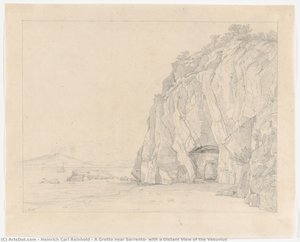
heinrich carl reinhold
1788 - 1825
Osnovne informacije
- Artistic Movement Or Style: Romantic Painting
- Artists Or Movements Influenced By This Artist: ['Romanticism']
- Artists Who Influenced This Artist: ['Joseph Anton Koch']
- Date Of Birth: 18 July 1788
- Date Of Death: 15 January 1825
- Full Name: Johann Heinrich Carl Reinhold
- Nationality: German
- Notable Artworks:
- Terrace of the Capucin Priory in Sorrento
- Family at the Foot of a Staircase of a Roman Palace
- Place Of Birth: Gera, thuringia
Povezani članci

Glavna dela koja su definisala Romantični pejzaž: 10 remek-dela za vaš dom
Otkrijte 10 remek-dela romantičnog pejzažnog slikarstva! Uronite u svet Claude Lorraina, Caspara David Friedricha i Turnera. Ispričane priče umetnosti, inspiracija za dekoraciju doma. Kvalitetne reprodukcije na ArtsDot.com – istražite celu kolekciju online!

Evocations of Place: A Historical Journey Through Landscape Art
Explore the rich history of landscape art with ArtsDot. Discover renowned artists, movements like Impressionism & Romanticism, and expert guidance for collecting timeless pieces. Find your perfect serene escape today!

25 Remek-dela Džona Konstebla: Lepota Engleske na Platnu | ArtsDot
Uronite u svet Džona Konstebla! Otkrijte 25 remek-dela engleskog pejzaža, romantizma i seoske idile. Kupite reprodukcije slika vrhunskog kvaliteta za dekoraciju enterijera na ArtsDot.com.
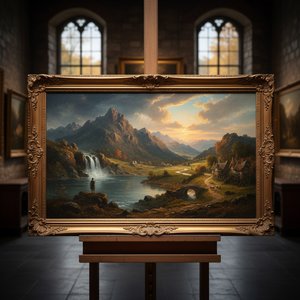
The Sublime and the Picturesque: Exploring Emotion & Nature in Romantic Landscape Painting
Explore the emotional power of Romantic landscape painting! Discover the sublime & picturesque traditions, key artists like Friedrich & Cole, and find your perfect artwork at ArtsDot.

Evoking Nature's Sublime: A Comprehensive Exploration of 19th-Century Landscape Painting
Explore the captivating world of 19th-century landscape painting! Discover renowned artists like Friedrich & Monet, key movements, and find the perfect artwork to bring nature's serenity into your home. Expert insights at ArtsDot.

