

 Pregledaj u prostoru
 Pošalji
 Podeli
 Detalji o delu

 Преузми
 Slični predmeti
 Rendgenski snimak
 Slajdovi
 Statistika
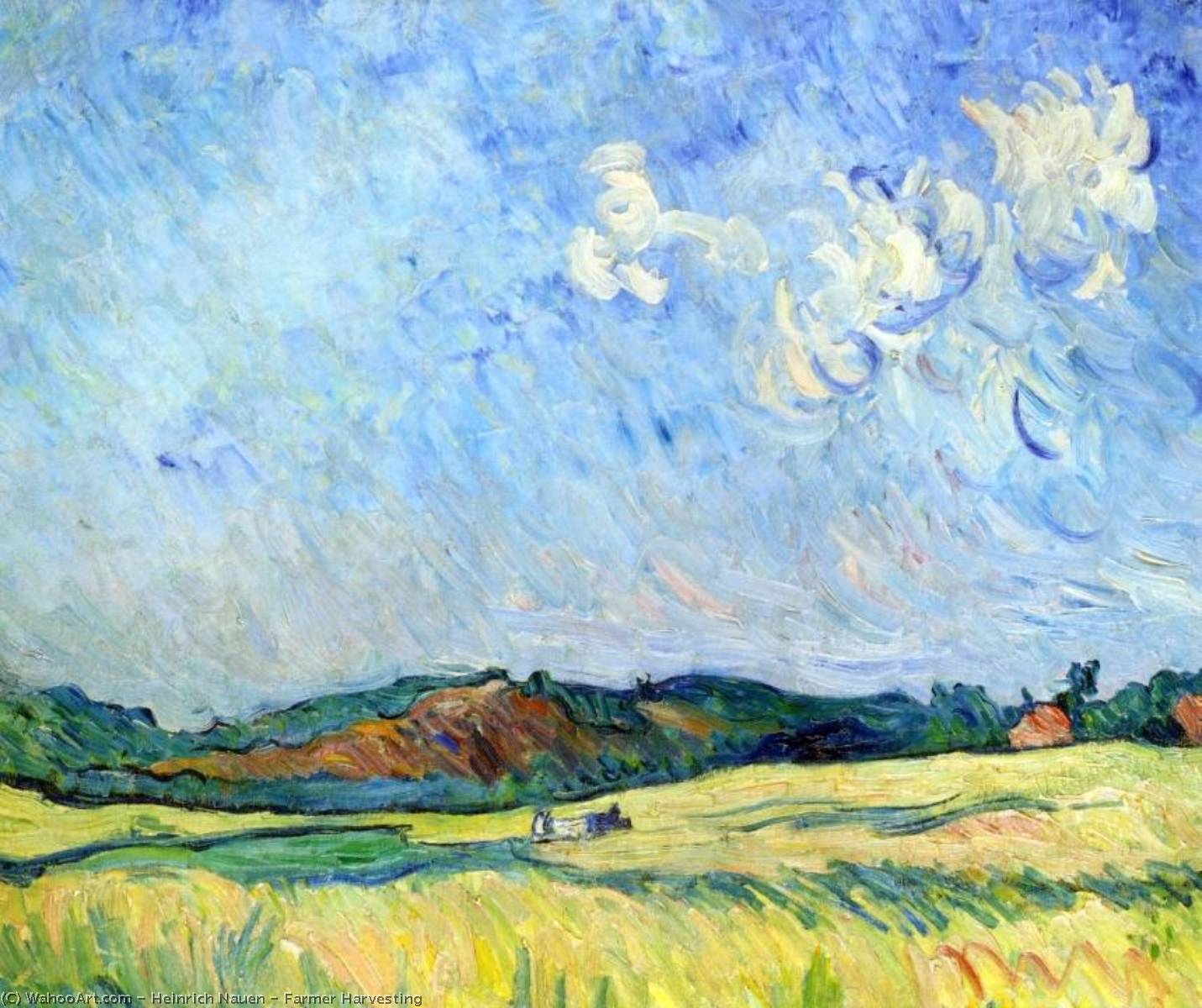
Farmer Harvesting


 Pročitaj više
Giclee štampa / Umetnički otisak
Giclée štampa ili print na platnu muzejskog kvaliteta uz brzu proizvodnju i fleksibilne opcije završne obrade. ( Kupi ručno naslikanu sliku Pređi na digitalnu sliku)




P118B $10

P118H $10

P118W $10

P438Z $10

P508JH $12

P508YH $12

P805H $10

P805Z $10

P919BZ $10

P919G $10

P919XJ $10

P959ZH $10

P968JZ $12

W106C $8

W218G $10

W218JH $8

W218Y $10

W307PJ $10

W316G $10

W316PJ $8

W316Y $10

W398PJ $8

W4111J $10

W500HY $15

W500JH $15

W692G $12

W849H $8

W940BG $15

W953PJ $8




Izaberite jednu od naših unapred definisanih veličina koje odgovaraju originalnim proporcijama umetničkog dela.

Možete uneti sopstvene dimenzije kako biste umetničko delo prilagodili specifičnom okviru ili prostoru. Ako odabrani format ne odgovara proporcijama originalne slike, mi ćemo ili iscrtati deo dela ili proširiti sliku pomoću ogledane ivice ili jednobojnog popunjavanja. Digitalni prikaz će vam biti poslat na odobrenje pre početka proizvodnje.
Imajte na umu da pregled na ekranu ne odražava stvarno iscrtavanje ili proširivanje. Samo će prikaz (mockup) precizno pokazati finalnu kompoziciju.
Iako su prilagođene dimenzije dostupne, preporučujemo da odaberete dimenziju sa unapred definisane liste kako biste očuvali originalne proporcije.
Dostava širom sveta () za 2 nedelje umesto uobičajenih 4/5 nedelja. (8 септембар)

Besplatna ekspresna dostava širom sveta

Visokokvalitetno laneno platno

Kompletno osiguranje transporta

Garancija povraćaja carine i uvoznih dažbina

Garancija vernosti boja

Politika povraćaja u roku od 100 dana (isključivo u slučaju nedostataka)

Garancija povrata novca od 100%

Popust pri grupnoj kupovini
 Opcija sa staklom dostupna je samo za dimenzije manje od 110 cm

Farmer Harvesting
Giclee štampa / Umetnički otisak
Dimenzije reprodukcije
-


Konačna cena
$ 62
A Glimpse of Rural Life: Heinrich Nauen's "Farmer Harvesting"
This captivating painting by Heinrich Nauen offers a poignant snapshot of rural life in 1908 Germany. The scene depicts a farmer diligently harvesting wheat, driving a tractor through the golden fields. Two figures are subtly placed in the background, perhaps assisting with the labor or simply observing this vital process. The presence of two tractors – one larger and more prominent, another receding into the distance – speaks to the burgeoning mechanization of agriculture during this period, a significant shift impacting both rural communities and the broader German economy. Nauen’s work isn't merely a depiction of agricultural activity; it is an exploration of human connection with nature and the changing landscape of early 20th-century Germany.Style & Technique: Expressionist Detail
Heinrich Nauen, though often associated with German Expressionism, demonstrates a unique blend of styles in "Farmer Harvesting." While the subject matter aligns with Expressionist interests in depicting everyday life and social change, Nauen’s technique leans towards meticulous detail. He employs a realistic approach to rendering the machinery and figures, showcasing his skill in capturing texture and form. The use of light and shadow creates depth within the field, emphasizing the vastness of the landscape and the farmer's solitary yet purposeful work.- Color Palette: Dominated by warm earth tones – golds, browns, and yellows – reflecting the ripened wheat and the late summer sun.
- Brushwork: Appears relatively smooth and controlled, contributing to the overall sense of realism while still retaining a subtle vibrancy characteristic of Expressionist art.
Historical Context & Symbolism
Painted in 1908, "Farmer Harvesting" reflects a pivotal moment in German history. The early 20th century witnessed rapid industrialization and modernization across Europe. The introduction of tractors like the one depicted marked a transition from traditional farming methods to more mechanized processes. This shift had profound social and economic consequences for rural communities. Symbolically, the painting can be interpreted as representing both progress and potential displacement. The farmer’s dedication suggests resilience and adaptation, while the machinery hints at an uncertain future for those reliant on older ways of life. The expansive wheat field itself symbolizes abundance and sustenance, a cornerstone of German society.Emotional Impact & Decorative Appeal
"Farmer Harvesting" evokes a sense of quiet dignity and understated beauty. The scene is imbued with a feeling of peaceful industry – the rhythmic movement of the tractor, the golden expanse of the field, and the implied connection between man and land all contribute to this tranquil atmosphere. This painting’s appeal extends beyond art enthusiasts; it's an ideal piece for interior designers seeking to create spaces that are both visually striking and emotionally resonant. Its warm color palette and evocative subject matter lend themselves well to farmhouse-style decor, rustic interiors, or even contemporary settings where a touch of pastoral charm is desired. The detailed rendering makes it suitable for larger reproductions, allowing viewers to appreciate the intricacies of Nauen’s artistry.Srodna umetnička dela
Biografija umetnika
Heinrich Nauen: A Rhineland Visionary
Born in Krefeld, Germany, in 1880, Heinrich Nauen’s artistic journey was one of quiet observation and profound emotional resonance. His early life, marked by a family of bakers, provided a grounding contrast to the burgeoning artistic spirit that would soon consume him. Unlike many artists who sought grand urban centers, Nauen found his creative haven in the Rhineland, a region steeped in folklore, rural beauty, and a deep connection to the land – influences that would irrevocably shape his distinctive style.
Nauen’s formal training began at the Kunstakademie Düsseldorf in 1898, where he honed his skills under the tutelage of established masters. However, it was his subsequent studies at the Staatliche Akademie der Bildenden Künste Stuttgart from 1900 to 1902 that truly ignited his artistic fire. This period exposed him to a wider range of techniques and perspectives, including the burgeoning influence of Vincent van Gogh’s expressive brushwork and vibrant color palette. He later sought inspiration in Paris, immersing himself in the Fauvist movement and absorbing its bold experimentation with form and hue. These diverse influences coalesced into a uniquely personal vision – one characterized by a meticulous attention to detail, a subtle yet powerful use of light and shadow, and an underlying current of melancholy.
Floral Still Lifes and Rural Landscapes
Nauen’s artistic output is predominantly defined by two recurring themes: exquisitely rendered floral still lifes and evocative landscapes of the Rhineland. His floral paintings are not merely depictions of beauty; they are intimate studies of texture, color, and form. He meticulously captured the delicate veins of petals, the velvety sheen of blossoms, and the subtle gradations of light that transform a simple bouquet into a miniature world of sensory detail. These works possess an almost photographic precision, yet they also radiate a palpable sense of warmth and quiet contemplation.
Equally compelling are his landscapes. Nauen’s depictions of the Rhineland—rolling hills, dense forests, and meandering rivers—are imbued with a profound sense of place. He avoided dramatic vistas or heroic compositions, instead favoring intimate scenes that captured the subtle rhythms of rural life. His paintings aren't about grand pronouncements; they are about quiet moments – a farmer harvesting his crops, a solitary figure contemplating the landscape, or the dappled sunlight filtering through the trees. He employed a muted palette and a restrained brushstroke to convey a sense of timelessness and serenity.
The Influence of Expressionism
While Nauen’s work predates the formal establishment of German Expressionism, it undeniably shares many key characteristics with the movement. His use of intense color, distorted forms, and emotionally charged subject matter—particularly in his landscapes—reflects a desire to express inner feelings rather than simply represent external reality. The emotional intensity found in his paintings is often subtle, but deeply felt, creating an atmosphere of introspection and vulnerability.
However, Nauen’s style retains a distinct individuality. Unlike some Expressionists who embraced bold abstraction or violent imagery, Nauen maintained a commitment to realism, albeit one filtered through the lens of personal experience. His work is characterized by a quiet dignity and a profound respect for the natural world – qualities that set him apart from his more overtly radical contemporaries.
A Life Interrupted
Heinrich Nauen’s career was tragically cut short by World War I and the subsequent rise of the Nazi regime. Following the war, he found himself embroiled in the formation of the “Young Rhineland” artists' group, a collective dedicated to promoting regional art. However, his work was deemed "degenerate" by the Nazis, leading to its confiscation and destruction. Nauen and his wife, Marie, retreated to Kalkar, where he succumbed to stomach cancer in 1940.
Despite the devastation of war and persecution, Nauen’s legacy endures. His paintings—particularly his floral still lifes—are now recognized as significant examples of German Expressionism, offering a poignant glimpse into the soul of a talented artist who found solace and inspiration in the beauty of the Rhineland.
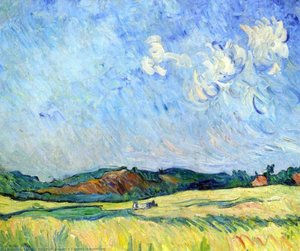
heinrich nauen
1880 - 1940
Osnovne informacije
- Artistic Movement Or Style: Expressionism
- Artists Or Movements Influenced By This Artist: ['Fauvism']
- Artists Who Influenced This Artist: ['Vincent van Gogh']
- Date Of Birth: June 1, 1880
- Date Of Death: November 26, 1940
- Full Name: Heinrich Nauen
- Nationality: German
- Notable Artworks:
- Farmer Harvesting
- The Harvest
- Place Of Birth: Krefeld, Germany
Povezani članci
Cultivating Visions: A Historical Journey Through Rural Landscapes in Art
Explore the rich history of rural landscape painting with ArtsDot. Discover Impressionist masterpieces, key artists & movements. Find your perfect serene artwork and bring nature's beauty home.
German Expressionism's 10 Defining Masterpieces | Art for Your Home
Explore 10 defining German Expressionism masterpieces – from Munch's 'The Scream' to Kandinsky’s abstracts. Discover the artists, stories & bold colors behind this powerful art movement. Find museum-quality reproductions at ArtsDot.com.

25 Remek-dela Džona Konstebla: Lepota Engleske na Platnu | ArtsDot
Uronite u svet Džona Konstebla! Otkrijte 25 remek-dela engleskog pejzaža, romantizma i seoske idile. Kupite reprodukcije slika vrhunskog kvaliteta za dekoraciju enterijera na ArtsDot.com.

Glavna dela koja su definisala Romantični pejzaž: 10 remek-dela za vaš dom
Otkrijte 10 remek-dela romantičnog pejzažnog slikarstva! Uronite u svet Claude Lorraina, Caspara David Friedricha i Turnera. Ispričane priče umetnosti, inspiracija za dekoraciju doma. Kvalitetne reprodukcije na ArtsDot.com – istražite celu kolekciju online!

Evocations of Place: A Historical Journey Through Landscape Art
Explore the rich history of landscape art with ArtsDot. Discover renowned artists, movements like Impressionism & Romanticism, and expert guidance for collecting timeless pieces. Find your perfect serene escape today!