

 Pregledaj u prostoru
 Pošalji
 Podeli
 Detalji o delu

 Преузми
 Slični predmeti
 Rendgenski snimak
 Slajdovi
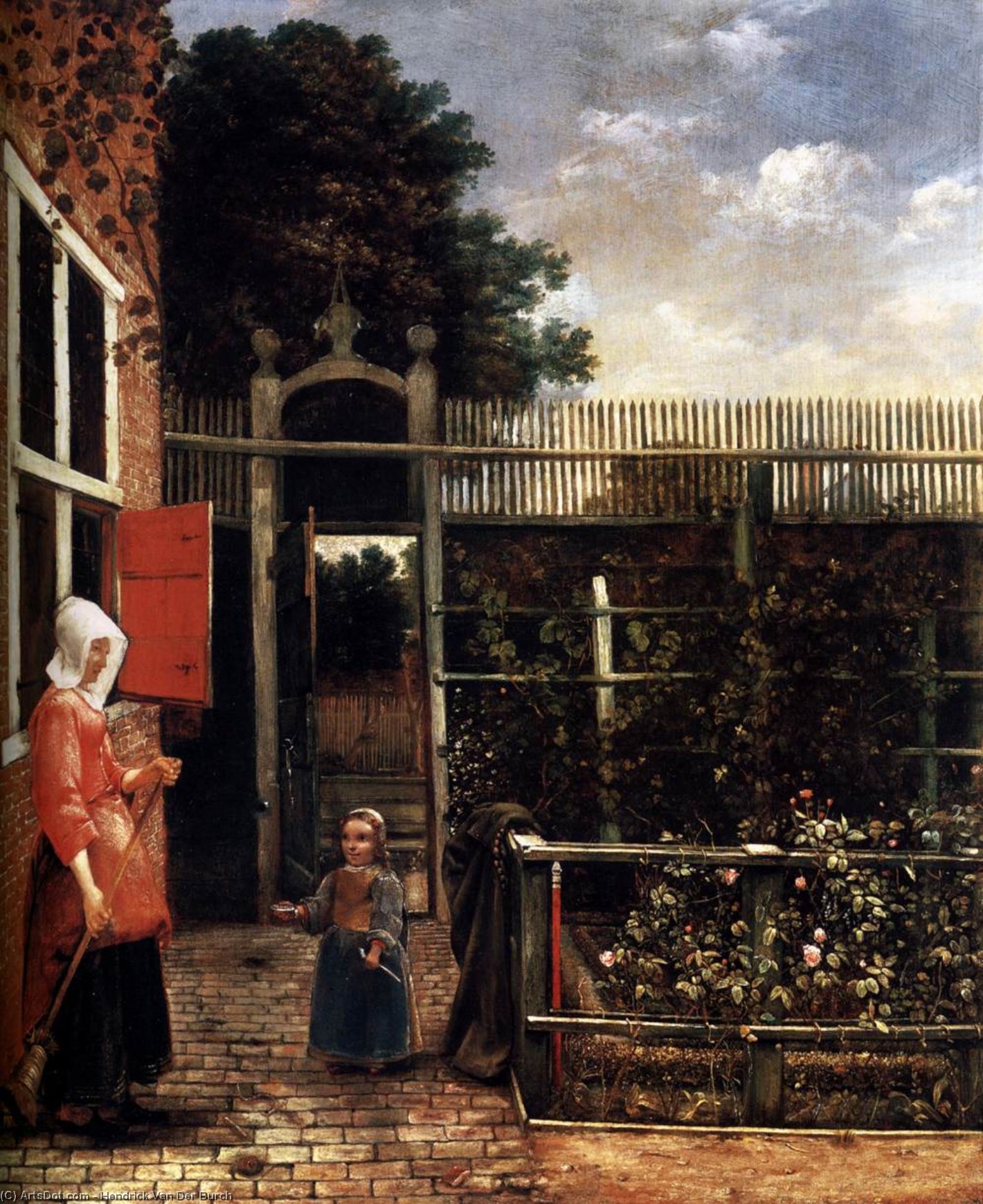
Woman with a Child Blowing Bubbles in a Garden
 Oil On Canvas
- WallArt
- Baroque
 1660
1660- Early Modern
 59.0 x 50.0 cm
 Kunsthaus Zürich
 Pročitaj više
Ručno rađena uljana reprodukcija
Ručno oslikano uljanim bojama na platnu u dimenzijama i okviru po vašem izboru, izrađeno po porudžbini od strane naših umetnika. ( Kupi print Kupi digitalnu sliku)




P118B $10

P118H $10

P118W $10

P438Z $10

P508JH $12

P508YH $12

P805H $10

P805Z $10

P919BZ $10

P919G $10

P919XJ $10

P959ZH $10

P968JZ $12

W106C $8

W218G $10

W218JH $8

W218Y $10

W307PJ $10

W316G $10

W316PJ $8

W316Y $10

W398PJ $8

W4111J $10

W500HY $15

W500JH $15

W692G $12

W849H $8

W940BG $15

W953PJ $8




Izaberite jednu od naših unapred definisanih veličina koje odgovaraju originalnim proporcijama umetničkog dela.

Можете унети сопствене димензије како бисте прилагодили дело одређеном оквиру или простору. Ако одабрана величина не одговара пропорцијама оригинала, слика ће бити исечена или проширена додатним елементима који се ручно насликавају. Дигитални prikaz ће вам бити послат на одобрење пре почетка производње.
Имајте на уму да преглед на екрану не одражава стварно исецање или проширење. Само приказ (mockup) ће тачно приказати коначну композицију.
Иако су доступне прилагођене величине, препоручујемо да одаберете димензију из дефинисане листе како бисте сачували оригиналне пропорције.
Nakon narudžbine, tim ArtsDot.com će klijentu putem e-pošte poslati uputstva i dostaviti prikaz predloženog rešenja
Isporuka širom sveta () za 3/4 nedelje umesto uobičajenih 5 nedelja. (27 август). Bez kompromisa po pitanju kvaliteta.

Besplatna ekspresna dostava širom sveta

Visokokvalitetno laneno platno

Kompletno osiguranje transporta

Garancija povraćaja carine i uvoznih dažbina

Garancija vernosti boja

Politika povrata u roku od 60 dana (samo u slučaju nedostataka)

Garancija povrata novca od 100%

Popust pri grupnoj kupovini
 Opcija sa staklom dostupna je samo za dimenzije manje od 110 cm

Woman with a Child Blowing Bubbles in a Garden
Tehnika reprodukcije
Dimenzije reprodukcije
-


Konačna cena
$ 263
Opis umetničkog dela
A Golden Afternoon in Dutch Domestic Bliss
Step back with us into the sun-drenched tranquility of the Dutch Golden Age, where life unfolded with an exquisite grace captured by Hendrick van der Burgh. This painting, depicting a woman and child amidst a lush garden setting, is more than just a portrait; it is a carefully composed tableau vivant of domestic joy. The vibrant splash of red worn by the central figures immediately draws the eye, suggesting vitality and warmth against the softer greens and earthy tones of the surrounding landscape. One can almost hear the gentle laughter echoing across the manicured lawn as the child blows iridescent bubbles, momentary spheres catching the light like captured dreams.
The Artistry of Everyday Life
Hendrick van der Burgh possessed a unique gift for observing the quotidian—the moments that pass unnoticed in our modern rush. While some contemporaries sought grand historical narratives or dramatic mythological scenes, Van der Burgh found his profound subject matter in the simple rhythms of daily existence. Here, the garden itself becomes a character; it is not merely a backdrop but an integral part of the narrative structure. Notice the details: the suggestion of a wrought-iron fence and gate lending architectural depth, and the potted plant anchoring the composition near the center. These elements ground the scene in reality, inviting the viewer to imagine themselves strolling through this very space.
Technique and Atmosphere
The mastery evident in this piece lies in Van der Burgh’s delicate handling of light and atmosphere. His technique allows the sunlight to filter through the foliage, creating subtle gradations of shadow and highlight that give the scene an almost palpable warmth. The composition is masterfully balanced; the figures occupy the left and center, while the background subtly recedes, populated by other indistinct figures enjoying their leisure. This careful arrangement guides the viewer’s eye naturally across the canvas, ensuring that every corner whispers a story of peaceful communion.
Symbolism of Leisure and Connection
In the context of 17th-century Dutch life, such scenes were potent symbols. They celebrated the burgeoning middle class's appreciation for private domestic pleasures and the value placed on family connection. The bubbles themselves carry a lovely symbolism—fleeting moments of pure, unburdened joy that exist only in the present instant. Owning a reproduction of this work brings that same feeling into your own home; it is an invitation to pause, to breathe deeply, and to appreciate the quiet beauty found within one's own garden walls.
Bringing Dutch Serenity Home
For collectors and interior designers alike, this artwork offers unparalleled depth. Whether displayed in a formal drawing-room or a sunlit conservatory, its gentle narrative quality adds an immediate layer of cultured serenity. The rich color palette, dominated by the striking red against the cool greens, ensures that it serves as both a focal point and a calming presence. It is a timeless piece that speaks to enduring human joys—the simple pleasure of company, nature, and a perfect afternoon.
Srodna umetnička dela



Biografija umetnika
The Quiet Observer of the Dutch Golden Age
In the vibrant, bustling era of the Dutch Golden Age, where grand landscapes and dramatic portraits often commanded the spotlight, Hendrick van der Burgh carved out a unique and intimate niche. A painter of the Delft School, Van der and Burch possessed a rare gift for finding the extraordinary within the ordinary. While his contemporaries might have sought the epic or the heroic, he turned his gaze toward the quiet corners of domestic life, capturing the subtle rhythms of existence that often go unnoticed. Born in 1627 and baptized in the village of Naaldwijk near Delft, his early years were steeped in the atmosphere of a nation experiencing unprecedented prosperity and artistic flourishing.
The artist’s connection to the great masters of his time adds a layer of fascinating intimacy to his biography. He was, in fact, related to the celebrated Pieter de Hooch, serving as his step-brother following the marriage of his sister, Jannetge, to De Hooch. This familial link placed him at the very heart of the Delft artistic community, a circle defined by meticulous observation and a profound respect for light and space. Though his recorded life remains somewhat elusive—with confirmed residencies in Leiden between 1658 and 1659—his presence in the annals of art history is firmly established through his distinctive "hvb" monogram, which adorns many of his prints and portraits.
A Mastery of Domestic Intimacy
Van der Burgh’s oeuvre is a testament to the beauty of the mundane. He specialized in genre scenes—paintings that act as windows into the daily lives of the 17th-century Dutch people. His subjects were not kings or deities, but rather ordinary individuals engaged in the humble tasks of survival and social interaction. One might find himself transported to a sunlit barn during milking time, or seated at a table amidst a merry company sharing a meal. He even ventured into more peculiar corners of society, such as documenting the clinical, yet strangely human, scene of a dentist’s consultation.
Technically, his work is characterized by a remarkable sense of restraint and atmospheric depth. Eschewing the heavy, dramatic chiaroscuro that defined much of the Baroque period, Van der Burgh preferred a softer, more diffused light. This choice allowed him to focus on the delicate textures of his subjects: the rough weave of a woolen garment, the cool sheen of a polished copper milk can, or the gentle translucency of skin. His palette was often muted, relying on earthy tones and soft hues to create a sense of calm and stability. Through this subtle approach, he achieved a profound psychological depth, capturing fleeting expressions of emotion that resonate with viewers centuries later.
Legacy and Artistic Significance
The historical significance of Hendrick van der Burgh lies in his contribution to the evolution of genre painting. He was part of a movement that shifted the artistic focus from religious and mythological narratives toward a celebration of national identity and middle-class values. His work reflects the burgeoning sense of pride in the Dutch Republic, where the sanctity of family life, piety, and industriousness were held in high regard. By elevating the domestic sphere to the level of fine art, he helped define the visual language of an entire era.
Though his total artistic output was relatively small compared to some of his more prolific peers, the enduring quality of his vision remains undiminished. His ability to weave together:
- Meticulous Realism: A dedication to the accurate rendering of light, texture, and form.
- Emotional Resonance: The capacity to imbue simple scenes with a palpable sense of human presence and atmosphere.
- Cultural Documentation: Providing a vital visual record of the social customs and domestic landscapes of the 17th-century Netherlands.
Today, Van der Burgh stands as a master of the quiet moment, reminding us that there is profound beauty to be found in the stillness of everyday life.
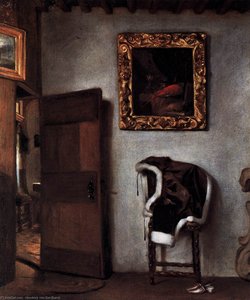
hendrick van der burch
1627 - 1666 , Netherlands
Osnovne informacije
- Artistic Movement Or Style: Dutch Golden Age Genre Painting
- Date Of Birth: 1627
- Full Name: Hendrick van der Burgh
- Nationality: Dutch
- Notable Artworks:
- After Milking Time
- Merry Company at a Table
- Interior of a Netherlandisch house with a dental operator
- Place Of Birth: Delft, Netherlands
Povezani članci

Zlatno doba Holandske umetnosti: Top 10 remek dela za vaš dom
Otkrijte remek dela Holandskog zlatnog doba! Uronite u svet Rembrandta, Vermeera i drugih majstora. 10 ikoničnih slika koje su definisale umetnost. Inspiracija za vaš dom i kolekciju - ekskluzivne reprodukcije na ArtsDot.com!

Golden Age Reflections: Dutch Baroque Painting & Cultural Innovation
Explore the Dutch Golden Age of painting! Discover key artists like Vermeer & ter Borch, their innovative techniques, and the rich cultural context behind these Baroque masterpieces. Learn about collecting & appreciating this iconic art period.

Illuminating Innovation: Exploring the Dutch Golden Age of Painting
Explore the Dutch Golden Age of painting with ArtsDot. Discover Rembrandt, Vermeer & other Masters. Learn about key characteristics, iconic artworks, and lasting influence. Expert insights for collectors & enthusiasts.

Illuminating Realism: Exploring the Dutch Golden Age of Painting (1600-1700)
Explore the Dutch Golden Age of painting (1600-1700) with ArtsDot. Discover Rembrandt, Vermeer & other masters. Learn about techniques, history & find museum-quality reproductions.
Charles Leickert: Capturing the Dutch Golden Age Light – A Comprehensive Study of Technique, Context, and Legacy
Explore the captivating winter landscapes of Charles Leickert, a master of Dutch Golden Age light & atmosphere. Discover his techniques, symbolism, and lasting legacy – a comprehensive study for art enthusiasts and collectors.

