

 Pregledaj u prostoru
 Pošalji
 Podeli
 Detalji o delu

 Преузми
 Slični predmeti
 Rendgenski snimak
 Slajdovi
 Statistika
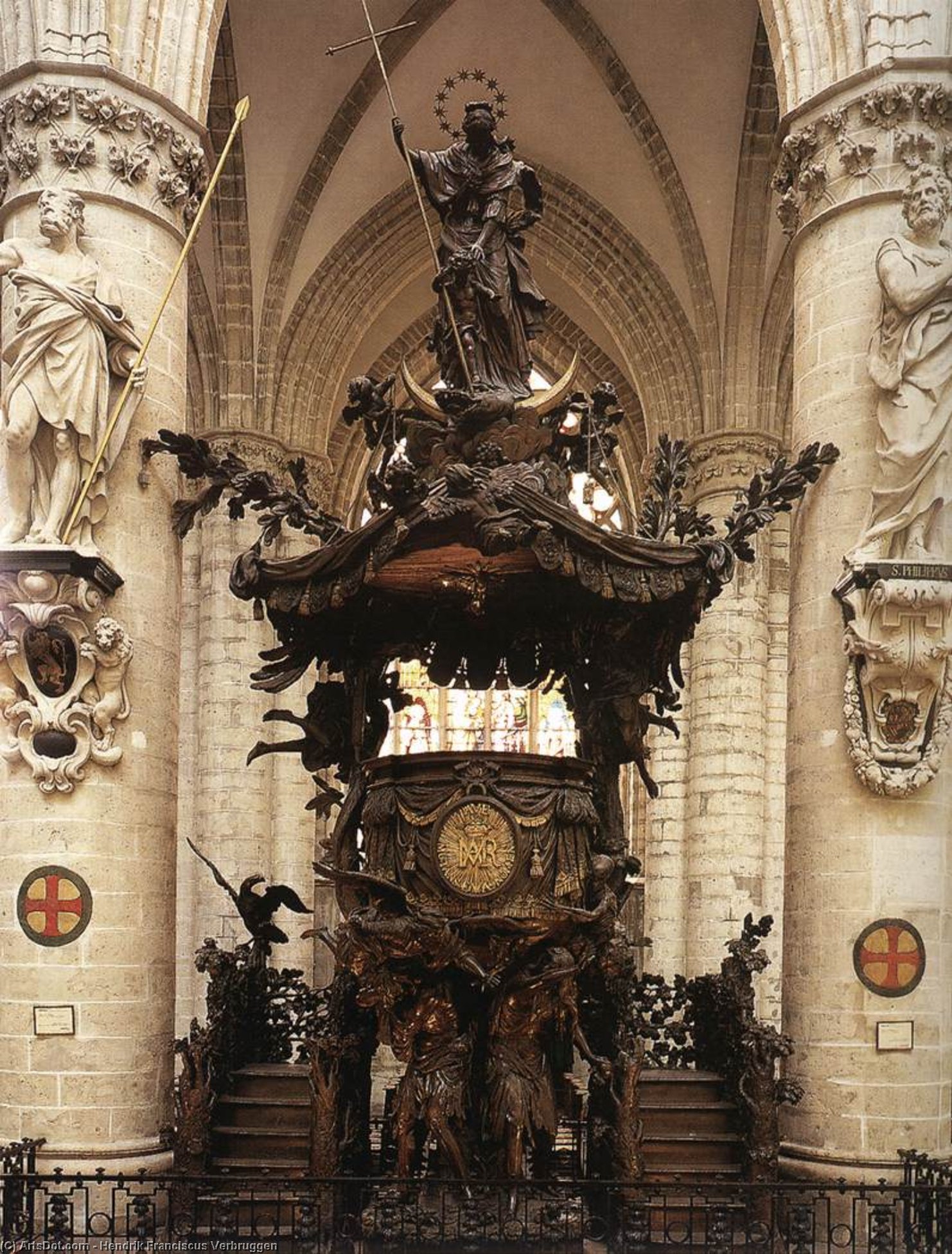
Pulpit


 Pročitaj više
Ručno rađena uljana reprodukcija
Ručno oslikano uljanim bojama na platnu u dimenzijama i okviru po vašem izboru, izrađeno po porudžbini od strane naših umetnika. ( Pređi na štampu Pređi na digitalnu sliku)




































Izaberite jednu od naših unapred definisanih veličina koje odgovaraju originalnim proporcijama umetničkog dela.

Можете унети сопствене димензије како бисте прилагодили дело одређеном оквиру или простору. Ако одабрана величина не одговара пропорцијама оригинала, слика ће бити исечена или проширена додатним елементима који се ручно насликавају. Дигитални prikaz ће вам бити послат на одобрење пре почетка производње.
Имајте на уму да преглед на екрану не одражава стварно исецање или проширење. Само приказ (mockup) ће тачно приказати коначну композицију.
Иако су доступне прилагођене величине, препоручујемо да одаберете димензију из дефинисане листе како бисте сачували оригиналне пропорције.
Nakon narudžbine, tim ArtsDot.com će klijentu putem e-pošte poslati uputstva i dostaviti prikaz predloženog rešenja
Isporuka širom sveta () za 3/4 nedelje umesto uobičajenih 5 nedelja. (8 септембар). Bez kompromisa po pitanju kvaliteta.

Besplatna ekspresna dostava širom sveta

Visokokvalitetno laneno platno

Kompletno osiguranje transporta

Garancija povraćaja carine i uvoznih dažbina

Garancija vernosti boja

Politika povraćaja u roku od 100 dana (isključivo u slučaju nedostataka)

Garancija povrata novca od 100%

Popust pri grupnoj kupovini
 Opcija sa staklom dostupna je samo za dimenzije manje od 110 cm

Pulpit
Tehnika reprodukcije
Dimenzije reprodukcije
-


Konačna cena
$ 263
Srodna umetnička dela









Biografija umetnika
Hendrik Franciscus Verbruggen: Sculptor of Sacred Spaces
Hendrik Franciscus Verbruggen (1654-1724), a name perhaps less familiar than some of his Baroque contemporaries, stands as a pivotal figure in the sculptural landscape of 17th-century Flanders. Born into a family steeped in artistic tradition – his father, Pieter Verbrugghen I, was a prominent sculptor himself – Verbruggen inherited not just a legacy but also a deep understanding of form and technique that would shape his distinctive style. His life unfolded against the backdrop of religious upheaval and political transformation, influencing both his subject matter and his approach to creating monumental works within churches across Belgium. While he initially began as an assistant to illuminator Jan Ruyselinck, Verbruggen’s true calling lay in the creation of intricately detailed pulpits, altarpieces, and other sacred furnishings that breathed life into religious spaces.Early Life and Artistic Training
Verbruggen's formative years were spent in Antwerp, a city renowned as a center for artistic innovation during the Baroque period. His father’s tutelage provided him with a solid foundation in classical principles and Flemish sculptural traditions. However, Verbruggen’s artistic journey extended beyond mere imitation; he was deeply influenced by the Italian Renaissance, particularly the dramatic dynamism of Gianlorenzo Bernini. Accounts suggest that he may have even undertaken a pilgrimage to Italy, absorbing firsthand the grandeur and expressive power of Roman sculpture – a connection reflected in the theatricality often found within his own work. This exposure to both Flemish and Italian styles would ultimately contribute to the unique synthesis that characterizes Verbruggen’s oeuvre. His brother, Pieter Verbrugghen II, also followed in their father's footsteps, further enriching the family’s artistic legacy.The Art of the Pulpit: A Defining Style
Verbruggen is most celebrated for his elaborate pulpits – monumental sculptural ensembles designed to dominate the chancel of a church. These weren’t merely functional pieces; they were intended as visual narratives, bringing biblical stories to life within the sacred space. His designs are characterized by a remarkable attention to detail, employing rich materials like lime wood and often incorporating elements of polychrome painting and gilding. The drapery in his sculptures is particularly noteworthy – flowing, dynamic, and imbued with a sense of movement that captures the drama of religious scenes. Works such as “Adam and Eve Banished from Paradise (detail of the pulpit)” exemplify this style, showcasing intricate figures set within richly ornamented settings. His work frequently draws upon classical motifs, subtly interwoven with Christian iconography to create a harmonious blend of tradition and innovation.Notable Commissions and Historical Context
Verbruggen’s career spanned several decades, during which he undertook numerous significant commissions throughout Belgium. He played a crucial role in the decoration of churches in Mechelen, Brussels, Ghent, and other cities, leaving an indelible mark on their architectural heritage. His involvement with the construction of the Saint Charles Borromeo Church in Antwerp is particularly noteworthy, reflecting the city’s status as a major center for Jesuit activity. The political and religious climate of the time – the ongoing struggle between Catholicism and Protestantism – profoundly shaped Verbruggen's work. His pulpits served not only as objects of worship but also as powerful symbols of Catholic authority in a period of intense religious conflict.Legacy and Significance
Hendrik Franciscus Verbruggen’s contribution to Flemish Baroque sculpture is undeniable. While he may not be as widely recognized as some of his contemporaries, his work embodies the spirit of the era – a fusion of classical ideals, dramatic expression, and religious fervor. His pulpits remain testaments to the skill and artistry of a master craftsman, offering invaluable insights into the visual culture of 17th-century Belgium. His influence can be seen in subsequent generations of sculptors, and his works continue to inspire awe and admiration for their beauty and historical significance. The Metropolitan Museum of Art’s collection, featuring “Saint John the Evangelist,” provides a tangible example of his enduring artistic legacy. His work stands as a powerful reminder of the role that art played in shaping religious identity and defining the visual landscape of Europe during a period of profound transformation.
hendrik franciscus verbruggen
1654 - 1724 , Belgium
Osnovne informacije
- Artistic Movement Or Style: Baroque
- Artists Or Movements Influenced By This Artist: ['Lucas Faydherbe']
- Artists Who Influenced This Artist: ['Gianlorenzo Bernini']
- Date Of Birth: April 30, 1654
- Date Of Death: December 12, 1724
- Full Name: Hendrik Franciscus Verbruggen
- Nationality: Flemish
- Notable Artworks:
- Adam and Eve Banished
- Memorial of Bishop Capello
- Place Of Birth: Antwerp, Belgium