

 Pregledaj u prostoru
 Pošalji
 Podeli
 Detalji o delu

 Преузми
 Slični predmeti
 Rendgenski snimak
 Slajdovi
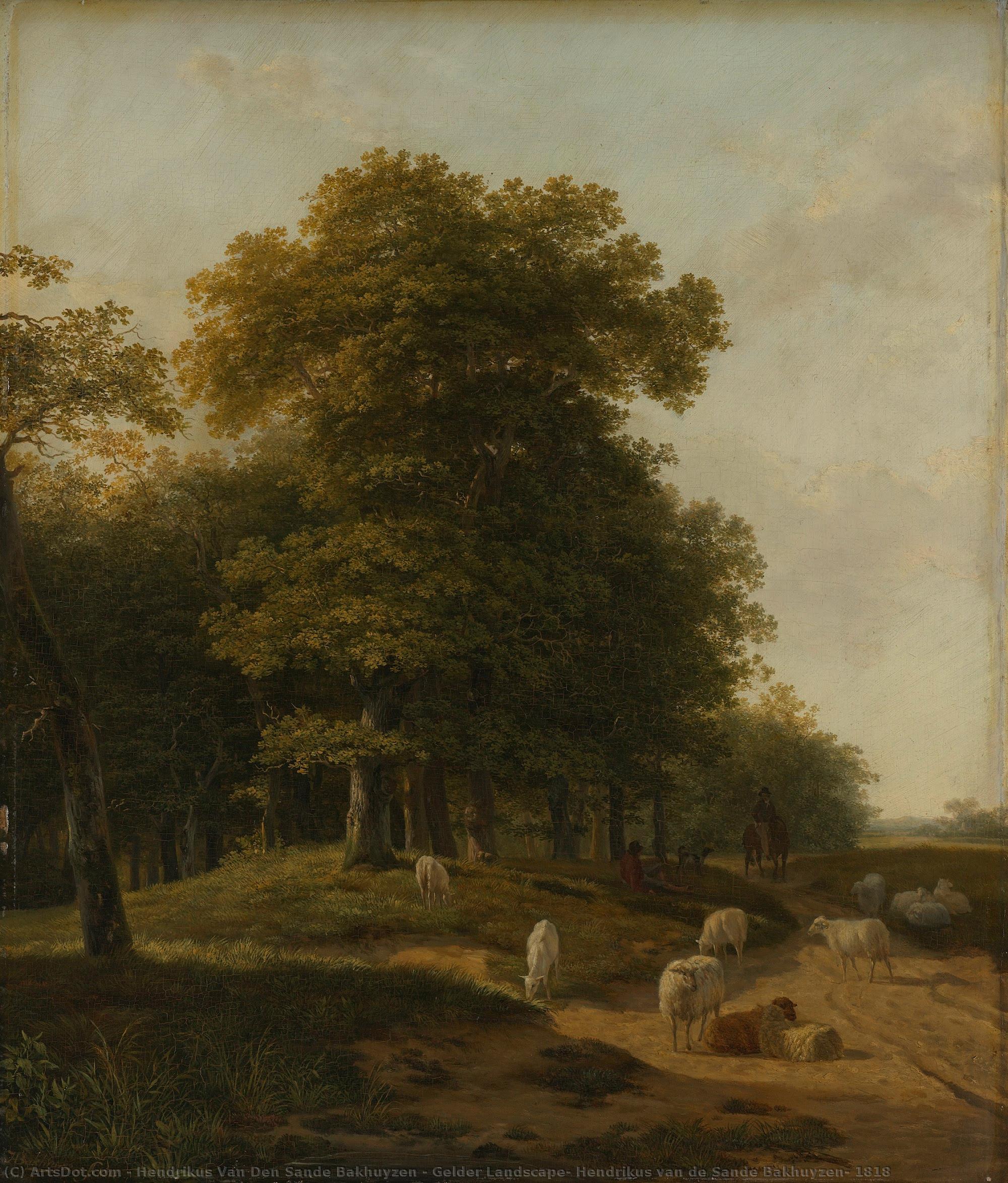
Gelder Landscape, Hendrikus van de Sande Bakhuyzen, 1818
 Romanticism
 1818
1818 55.0 x 46.0 cm
 Pročitaj više
Ručno rađena uljana reprodukcija
Ručno oslikano uljanim bojama na platnu u dimenzijama i okviru po vašem izboru, izrađeno po porudžbini od strane naših umetnika. ( Kupi print Kupi digitalnu sliku)




































Izaberite jednu od naših unapred definisanih veličina koje odgovaraju originalnim proporcijama umetničkog dela.

Можете унети сопствене димензије како бисте прилагодили дело одређеном оквиру или простору. Ако одабрана величина не одговара пропорцијама оригинала, слика ће бити исечена или проширена додатним елементима који се ручно насликавају. Дигитални prikaz ће вам бити послат на одобрење пре почетка производње.
Имајте на уму да преглед на екрану не одражава стварно исецање или проширење. Само приказ (mockup) ће тачно приказати коначну композицију.
Иако су доступне прилагођене величине, препоручујемо да одаберете димензију из дефинисане листе како бисте сачували оригиналне пропорције.
Nakon narudžbine, tim ArtsDot.com će klijentu putem e-pošte poslati uputstva i dostaviti prikaz predloženog rešenja
Isporuka širom sveta () za 3/4 nedelje umesto uobičajenih 5 nedelja. (1 септембар). Bez kompromisa po pitanju kvaliteta.

Besplatna ekspresna dostava širom sveta

Visokokvalitetno laneno platno

Kompletno osiguranje transporta

Garancija povraćaja carine i uvoznih dažbina

Garancija vernosti boja

Politika povrata u roku od 60 dana (samo u slučaju nedostataka)

Garancija povrata novca od 100%

Popust pri grupnoj kupovini
 Opcija sa staklom dostupna je samo za dimenzije manje od 110 cm

Gelder Landscape, Hendrikus van de Sande Bakhuyzen, 1818
Tehnika reprodukcije
Dimenzije reprodukcije
-


Konačna cena
$ 288
Srodna umetnička dela
Biografija umetnika
A Legacy Rooted in Dutch Romanticism: The Life and Art of Hendrikus van de Sande Bakhuyzen
Hendrik (Hendrikus) van de Sande Bakhuyzen, born in The Hague on January 2nd, 1795, stands as a pivotal figure bridging the Romantic period with the nascent beginnings of the Hague School. His life unfolded against a backdrop of evolving artistic sensibilities in the Netherlands, and he became not only a respected landscape painter in his own right but also a crucial mentor to a generation that would redefine Dutch art. Born into a family steeped in publishing—his father, Gerrit Bakhuysen, was a prominent figure in the industry—Hendrik’s early life offered a stable foundation, though it wasn't necessarily one directly connected to the world of painting. He legally adopted his mother’s surname, van de Sande, in 1819, a gesture that perhaps signaled a conscious forging of his own identity within the artistic landscape. His wife, Sophia Wilhelmine Kiehl, provided a constant presence throughout his life and career. The Hague, with its unique light and atmospheric conditions, would become both his home and an enduring source of inspiration.Early Training and Establishing a Style
Bakhuyzen’s formal artistic journey began with lessons from Jan Willem Pieneman, followed by studies at the recently established Hague Academy under Simon Andreas Krausz. This early training laid the groundwork for his developing skills in landscape painting. He wasn't working in isolation; contemporaries like Andreas Schelfhout and Bart van Hove were fellow students, forming a cohort that would collectively shape the direction of Dutch art. His talent quickly became apparent, with the Rijksmuseum acquiring his *Gelder Landscape* in 1818—a significant achievement for such a young artist. This early success was followed by further recognition, including medals from Royal Societies in Brussels and Antwerp during the 1820s. These accolades not only affirmed his technical abilities but also established him within the Dutch art community. Bakhuyzen’s style at this stage can be characterized as Romantic Realism, deeply influenced by the pastoral scenes of earlier masters like Paulus Potter. He excelled in depicting idyllic landscapes populated with cattle and rural life, capturing a sense of tranquility and harmony.A Teacher and Founder of a Movement
Beyond his own artistic production, Bakhuyzen’s most lasting impact may lie in his role as an educator. He became a board member of the Art Academy in The Hague and eventually its Director, dedicating himself to nurturing the next generation of Dutch painters. His studio became a crucible for innovation, attracting students who would later become leading figures in the Hague School—a movement known for its realistic depictions of everyday life and its embrace of plein air painting. Among his most notable pupils were Willem Roelofs, Hubertus van Hove, François Pieter ter Meulen, and, crucially, his own son, Julius van de Sande Bakhuyzen. These artists, initially guided by their mentor’s Romantic sensibilities, gradually moved towards a more impressionistic approach, focusing on capturing the fleeting effects of light and atmosphere. His travels with pupils like Willem Roelofs along the Rhine River in 1841 were instrumental in broadening their artistic horizons and fostering a shared vision for a new style of Dutch landscape painting.The Influence of Family and Artistic Legacy
The Bakhuyzen family was remarkably prolific, contributing significantly to the art world across multiple generations. Hendrik’s son, Julius Jacobus van de Sande Bakhuyzen (1835-1925), followed in his father's footsteps, becoming a well-respected etcher and painter within the Hague School. His daughter, Gerardina Jacoba van de Sande Bakhuyzen (1826–1895), specialized in still life, flowers, and fruit paintings, adding another dimension to the family’s artistic output. Even his other sons pursued scientific endeavors—Henricus Gerardus becoming a prominent astronomer and director of the Leiden Observatory—demonstrating a broader intellectual curiosity within the family. This familial dedication to art and science underscores the Bakhuyzen's commitment to both aesthetic beauty and intellectual exploration.Historical Significance and Enduring Appeal
Hendrik van de Sande Bakhuyzen’s contribution extends beyond his own paintings; he was a catalyst for change, fostering an environment where artists could experiment with new techniques and perspectives. His influence is particularly evident in the development of the Hague School, which marked a departure from traditional Dutch Romanticism towards a more modern and realistic style. His works, characterized by their serene landscapes and evocative depictions of nature, continue to resonate with audiences today. They offer a glimpse into 19th-century Dutch life and a testament to the enduring power of landscape painting. He successfully blended tradition with innovation, paving the way for future generations of artists to explore the beauty and complexity of the natural world. His legacy is not merely that of a skilled painter, but of a dedicated teacher who nurtured a movement and shaped the course of Dutch art history.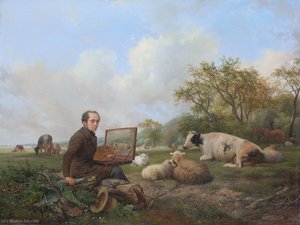
hendrikus van den sande bakhuyzen
1795 - 1860
Osnovne informacije
- Artistic Movement Or Style: Romanticism, Hague School
- Artists Or Movements Influenced By This Artist:
- Hague School
- Willem Roelofs
- Julius van de Sande Bakhuyzen
- Artists Who Influenced This Artist:
- Jan Willem Pieneman
- Simon Andreas Krausz
- Paul Potter
- Date Of Birth: January 2, 1795
- Date Of Death: December 12, 1860
- Full Name: Hendrikus van de Sande Bakhuyzen
- Nationality: Dutch
- Notable Artworks:
- Pond in the Hague Forest
- Gelders landschap
- Place Of Birth: The Hague, Netherlands
Povezani članci
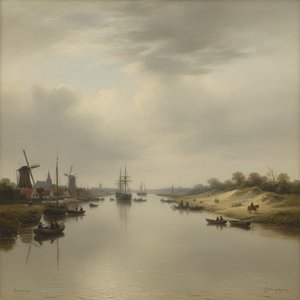
Jan van Goyen: Master of Dutch Landscape & Atmospheric Perspective
Discover Jan van Goyen, the master of Dutch landscape painting. Explore his subtle technique, atmospheric realism & lasting influence on art history. Learn about this 17th-century pioneer at ArtsDot.

Rembrandt van Rijn: 25 Majstorstava Svetla i Senke za Vaš Dom | ArtsDot
Uronite u svet Rembrandta van Rijna! Otkrijte 25 najlepših dela holandskog majstora – portrete, istorijske scene i biblijska platna. Kvalitetne reprodukcije slika za dekoraciju enterijera dostupne na ArtsDot.com.
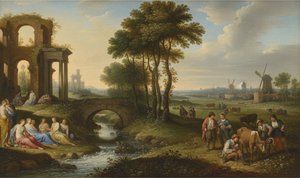
Cornelis van Poelenburch: Bridging Mannerism & the Dutch Baroque Landscape
Discover Cornelis van Poelenburch, a pivotal Dutch Baroque landscape painter bridging Mannerism & Italianate styles. Explore his life, key works, and lasting influence on 17th-century art with ArtsDot.

Francisco Goya: 25 Remek-dela Španskog Majstora za Vaš Dom | ArtsDot
Istražite 25 remek-dela Francisca Goya, španskog slikara romantizma i impresionizma. Portreti, tamne slike & istorija umetnosti na ArtsDot.com! Kupite reprodukcije slika vrhunskog kvaliteta za dekoraciju enterijera. Otkrijte celu kolekciju online.
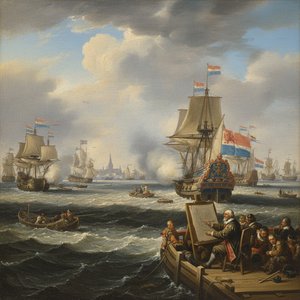
Willem van de Velde the Elder: Master of Maritime Painting & Chronicler of the Dutch Golden Age
Discover the captivating maritime paintings of Willem van de Velde the Elder, a master chronicler of the Dutch Golden Age. Explore his unparalleled realism and lasting influence on naval art history.

