

 Pregledaj u prostoru
 Pošalji
 Podeli
 Detalji o delu

 Преузми
 Slični predmeti
 Rendgenski snimak
 Slajdovi
 Statistika
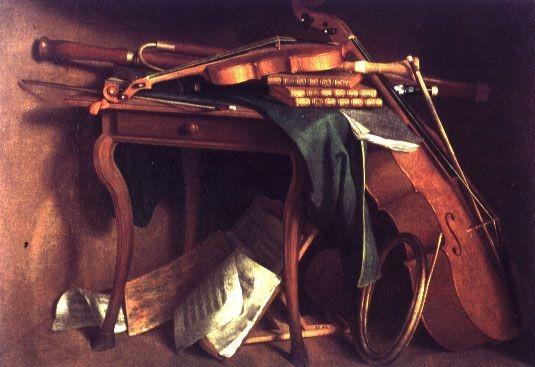
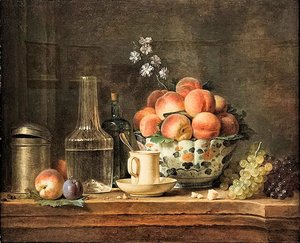
Musician's Table (also known as La Table du Musicien)
 Pročitaj više
Giclee štampa / Umetnički otisak
Giclée štampa ili print na platnu muzejskog kvaliteta uz brzu proizvodnju i fleksibilne opcije završne obrade. ( Kupi ručno naslikanu sliku Pređi na digitalnu sliku)




































Izaberite jednu od naših unapred definisanih veličina koje odgovaraju originalnim proporcijama umetničkog dela.

Možete uneti sopstvene dimenzije kako biste umetničko delo prilagodili specifičnom okviru ili prostoru. Ako odabrani format ne odgovara proporcijama originalne slike, mi ćemo ili iscrtati deo dela ili proširiti sliku pomoću ogledane ivice ili jednobojnog popunjavanja. Digitalni prikaz će vam biti poslat na odobrenje pre početka proizvodnje.
Imajte na umu da pregled na ekranu ne odražava stvarno iscrtavanje ili proširivanje. Samo će prikaz (mockup) precizno pokazati finalnu kompoziciju.
Iako su prilagođene dimenzije dostupne, preporučujemo da odaberete dimenziju sa unapred definisane liste kako biste očuvali originalne proporcije.
Dostava širom sveta () za 2 nedelje umesto uobičajenih 4/5 nedelja. (10 септембар)

Besplatna ekspresna dostava širom sveta

Visokokvalitetno laneno platno

Kompletno osiguranje transporta

Garancija povraćaja carine i uvoznih dažbina

Garancija vernosti boja

Politika povraćaja u roku od 100 dana (isključivo u slučaju nedostataka)

Garancija povrata novca od 100%

Popust pri grupnoj kupovini
 Opcija sa staklom dostupna je samo za dimenzije manje od 110 cm

Musician's Table (also known as La Table du Musicien)
Giclee štampa / Umetnički otisak
Dimenzije reprodukcije
-


Konačna cena
$ 62
Srodna umetnička dela







Biografija umetnika
Henri-Horace Roland de la Porte: A Master of Quiet Elegance
Henri-Horace Roland de la Porte (c. 1724 – November 23, 1793) remains a quietly significant figure in the history of French still life painting. Often overshadowed by his more flamboyant contemporaries, De La Porte’s work possesses a subtle grace and meticulous observation that reveals a profound understanding of light, texture, and the inherent beauty within everyday objects. Born in Paris, he initially trained under Jean-Baptiste Oudry, a master known for his depictions of exotic animals and vibrant floral arrangements – an influence readily apparent in his early works. However, De La Porte quickly developed a distinct style, one characterized by a restrained palette, carefully considered compositions, and a remarkable ability to imbue seemingly mundane subjects with a sense of quiet dignity.
His artistic journey was marked by acceptance into the Royal Academy of Painting and Sculpture in 1763, where he presented his “reception piece,” *Vase de lapis orné de bronze et musette à soufflet* (1763). This ambitious work, now housed in the Louvre Museum, immediately established him as a skilled painter capable of rendering complex textures and intricate details. It showcased his burgeoning talent for trompe-l’œil – creating illusions of three-dimensional objects on a two-dimensional surface – a technique he would continue to refine throughout his career. The painting itself, a lavish display of lapis lazuli, bronze, and musical instruments, exemplifies De La Porte's fascination with luxurious materials and the interplay of light and shadow.
The Language of Still Life
De La Porte’s still lifes are not merely arrangements of objects; they are carefully constructed narratives. He meticulously studied the principles of composition, employing techniques borrowed from classical architecture to create balanced and harmonious scenes. A key element in his work is the use of equilateral triangles – a compositional device frequently observed in his paintings, as seen in works like *Nature morte aux instruments de musique* (1765) and *Apprêts d’un déjeuner rustique*. Within these triangular frameworks, repeated shapes and colors subtly reinforce each other, generating a sense of visual unity. He skillfully manipulated light to highlight specific elements within the composition, drawing the viewer's eye to key details – a glistening grape, a delicate porcelain cup, or the polished surface of a musical instrument.
Furthermore, De La Porte’s approach was deeply influenced by Chardin, whose quiet realism and focus on everyday objects resonated with the artist. Like Chardin, De La Porte sought to capture the essence of his subjects through subtle gestures and carefully observed details. His brushwork is notably dry and precise, reflecting a meticulous attention to surface texture – the sheen of polished silver, the rough grain of wood, or the delicate folds of fabric. This painstaking detail elevates even the simplest objects into works of art.
Musical Instruments and Everyday Objects
A defining characteristic of De La Porte’s oeuvre is his fascination with musical instruments. He produced numerous still lifes depicting violins, cellos, harpsichords, and other instruments, often arranged in intimate settings alongside food and drink. These paintings are not simply depictions of objects; they evoke a sense of leisure, refinement, and the pleasures of the table. The inclusion of musical instruments suggests an appreciation for beauty, harmony, and the pursuit of artistic expression – values that were highly valued during the 18th century.
Alongside his celebrated depictions of musical instruments, De La Porte also painted a wide range of everyday objects: fruit bowls overflowing with seasonal produce, stacks of bread and cheese, and arrangements of tableware. These works demonstrate his ability to find beauty in the ordinary, transforming simple items into subjects worthy of artistic contemplation. His *Nature morte au potiron et aux champignons* (Still Life with Pumpkin and Mushrooms) exemplifies this talent, showcasing a rustic charm and an appreciation for the bounty of nature.
Legacy and Historical Context
Despite his considerable skill and consistent output, De La Porte’s work received relatively little recognition during his lifetime. His style, characterized by its restraint and subtlety, contrasted with the more flamboyant tendencies of other still life painters of the era. However, in recent decades, scholars have increasingly recognized De La Porte's unique contribution to French painting. His meticulous observation, masterful use of light and shadow, and profound understanding of composition have earned him a place among the most important artists of the 18th century.
De La Porte’s career coincided with significant social and political changes in France. The Enlightenment emphasized reason, science, and individual expression – values that found their way into his art. His paintings reflect a desire to capture the beauty of the natural world and the pleasures of everyday life, offering a counterpoint to the grandeur and excess of the aristocracy. His work serves as a poignant reminder of the quiet elegance and understated grace that can be found in the most unexpected places.
henri horace roland de la porte
1724 - 1793 , France
Osnovne informacije
- Artistic Movement Or Style: Still life, Trompe-l'œil
- Artists Or Movements Influenced By This Artist: ['Jean Siméon Chardin']
- Artists Who Influenced This Artist: ['Jean-Baptiste Oudry']
- Date Of Birth: c. 1724
- Date Of Death: 1793
- Full Name: Henri-Horace Roland Delaporte
- Nationality: French
- Notable Artworks:
- Vase of Lapis
- Nature morte à la vielle
- Basket of Eggs
- Place Of Birth: Paris, France