

 Pregledaj u prostoru
 Pošalji
 Podeli
 Detalji o delu

 Преузми
 Slični predmeti
 Rendgenski snimak
 Slajdovi
 Stats
StatsBonbonnière in the shape of an armchair


 Pročitaj više
Ručno rađena uljana reprodukcija
Ručno oslikano uljanim bojama na platnu u dimenzijama i okviru po vašem izboru, izrađeno po porudžbini od strane naših umetnika. ( Switch to Print Switch to Digital Image)




P118B $10

P118H $10

P118W $10

P438Z $10

P508JH $12

P508YH $12

P805H $10

P805Z $10

P919BZ $10

P919G $10

P919XJ $10

P959ZH $10

P968JZ $12

W106C $8

W218G $10

W218JH $8

W218Y $10

W307PJ $10

W316G $10

W316PJ $8

W316Y $10

W398PJ $8

W4111J $10

W500HY $15

W500JH $15

W692G $12

W849H $8

W940BG $15

W953PJ $8




Izaberite jednu od naših unapred definisanih veličina koje odgovaraju originalnim proporcijama umetničkog dela.

Можете унети сопствене димензије како бисте прилагодили дело одређеном оквиру или простору. Ако одабрана величина не одговара пропорцијама оригинала, слика ће бити исечена или проширена додатним елементима који се ручно насликавају. Дигитални prikaz ће вам бити послат на одобрење пре почетка производње.
Имајте на уму да преглед на екрану не одражава стварно исецање или проширење. Само приказ (mockup) ће тачно приказати коначну композицију.
Иако су доступне прилагођене величине, препоручујемо да одаберете димензију из дефинисане листе како бисте сачували оригиналне пропорције.
Nakon narudžbine, tim ArtsDot.com će klijentu putem e-pošte poslati uputstva i dostaviti prikaz predloženog rešenja
Isporuka širom sveta () za 3/4 nedelje umesto uobičajenih 5 nedelja. (8 септембар). Bez kompromisa po pitanju kvaliteta.

Besplatna ekspresna dostava širom sveta

Visokokvalitetno laneno platno

Kompletno osiguranje transporta

Garancija povraćaja carine i uvoznih dažbina

Garancija vernosti boja

Politika povraćaja u roku od 100 dana (isključivo u slučaju nedostataka)

Garancija povrata novca od 100%

Popust pri grupnoj kupovini
 Opcija sa staklom dostupna je samo za dimenzije manje od 110 cm

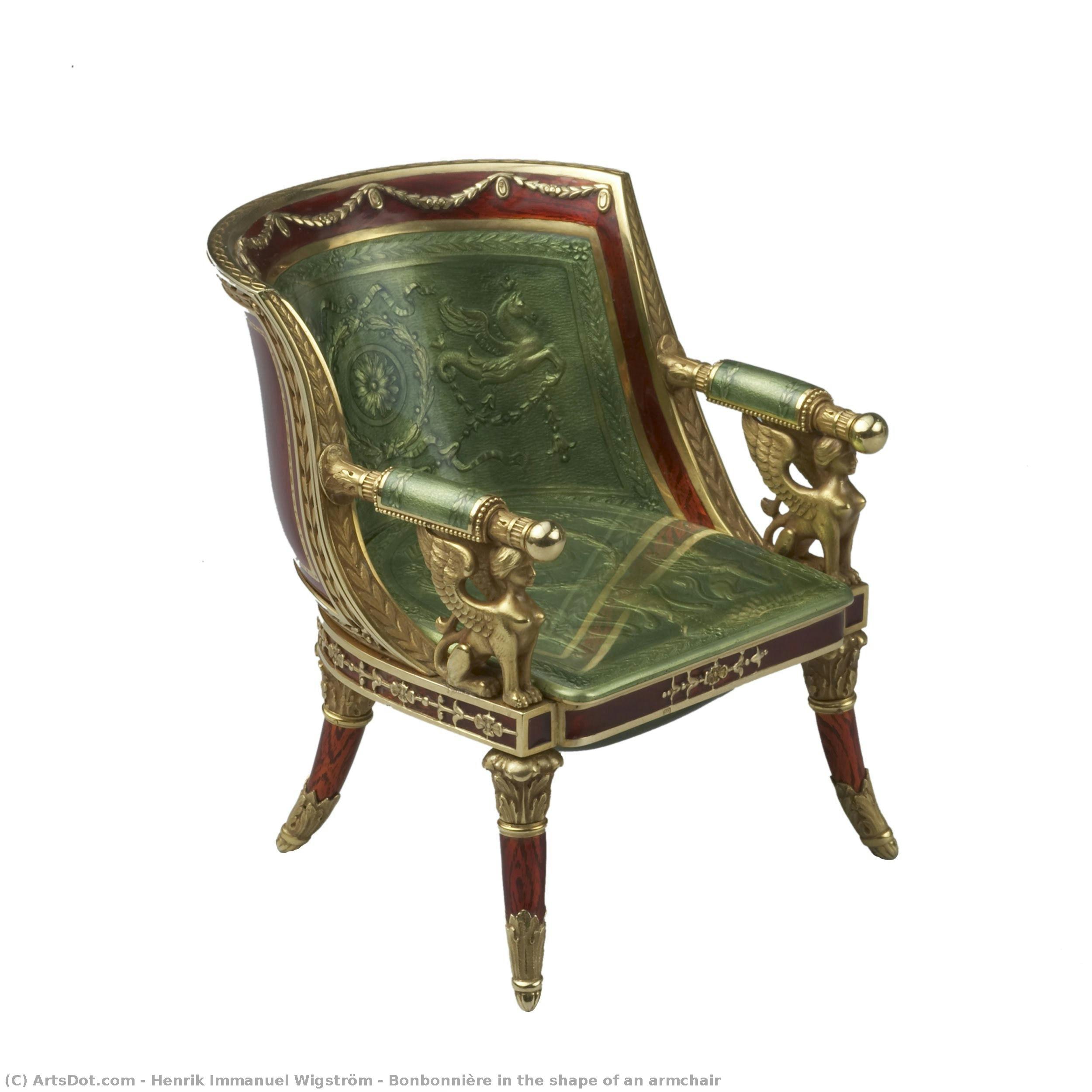
Bonbonnière in the shape of an armchair
Tehnika reprodukcije
Dimenzije reprodukcije
-


Konačna cena
$ 263
A Silent Maestro's Legacy: Henrik Wigström and the Enchanting Bonbonnière
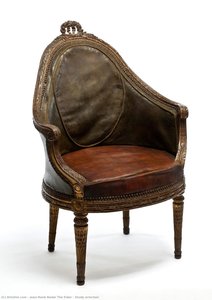
The Finnish goldsmith Henrik Immanuel Wigström (1862-1923) remains an enigmatic figure within the annals of Fabergé history, often overshadowed by his more flamboyant colleague Michael Perchin. Yet, Wigström’s unwavering dedication to craftsmanship and profound understanding of classical styles cemented his position as Fabergé's most prolific workmaster after Perchin’s untimely demise in 1903—a testament to his enduring influence on the opulent aesthetic sensibilities of the Russian Imperial Court. This remarkable chair-shaped bonbonnière embodies Wigström’s artistic vision, reflecting not merely decorative prowess but a deep immersion in artistic traditions that would shape Fabergé's distinctive visual language for decades to come.The Art Nouveau Roots and Classical Transformation
Wigström’s formative years were steeped in the burgeoning Art Nouveau movement, evident in his early explorations of flowing lines and organic forms—a stylistic impulse shared with many prominent artists of his time. However, Wigström swiftly recognized the limitations of this aesthetic preoccupation and embraced the grandeur of Louis XVI, Empire, and neoclassical styles, prioritizing meticulous detail and formal elegance. This deliberate shift signaled a commitment to honoring artistic heritage while simultaneously elevating Fabergé’s creations to unparalleled levels of sophistication. The chair's design reflects this duality—a subtle nod to Art Nouveau fluidity juxtaposed against the unwavering stability of classical proportions.A Symphony of Materials and Technique
The bonbonnière itself is crafted from meticulously carved birchwood, chosen for its pale hue and delicate grain – qualities that lend an air of understated refinement to the piece. Intricate floral motifs adorn the surface, painstakingly executed with guilloche engraving—a technique perfected during the reign of Louis XVI—that creates a mesmerizing textured effect reminiscent of hammered metal. Gold leaf is applied liberally throughout, highlighting the sculptural contours of the chair and imparting a luminous sheen that captures the ethereal beauty characteristic of Fabergé’s finest works. The painstaking layering of materials underscores Wigström's mastery of traditional goldsmithing techniques, demonstrating an unwavering respect for established artistic conventions.Symbolism Within Elegance: Comfort and Regal Presence
More than just a functional container for sweets, the chair-shaped bonbonnière speaks volumes about Fabergé’s symbolic aspirations—namely, conveying notions of comfort and regal splendor. The chair represents repose and contemplation, mirroring the aristocratic ideals prevalent during the Imperial era. Simultaneously, its elevated posture embodies authority and prestige, reflecting Fabergé's desire to encapsulate the grandeur of Russian monarchy within each exquisitely crafted jewel. The choice of green and gold – colors associated with prosperity and imperial power – reinforces this symbolic narrative, solidifying Wigström’s contribution to Fabergé’s artistic lexicon.A Legacy Enduring Beyond Time
Henrik Wigström's influence extends far beyond the creation of individual pieces like this bonbonnière; he established a workshop that produced countless masterpieces during his tenure as Fabergé’s head workmaster, shaping the visual identity of the House for an entire generation. His unwavering devotion to classical styles—particularly Louis XVI and Empire—served as a cornerstone of Fabergé's artistic ethos, ensuring that its creations would resonate with timeless beauty and sophistication. The Bonbonnière in the shape of an armchair stands as a poignant reminder of Wigström’s legacy – a testament to his quiet genius and enduring contribution to the history of Russian art and jewelry.Srodna umetnička dela
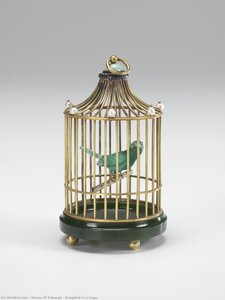
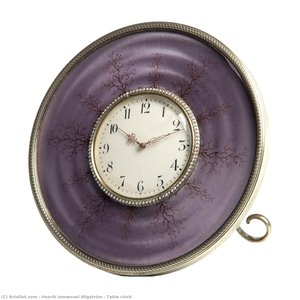
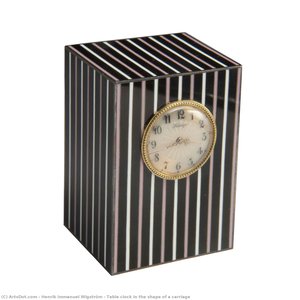
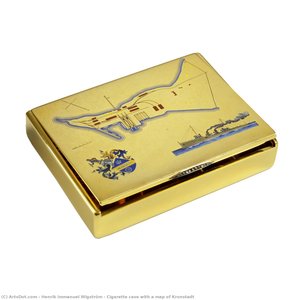
Biografija umetnika
The Silent Maestro of Fabergé Elegance
Henrik Immanuel Wigström stands as a pivotal figure in the history of Russian goldsmithing and, crucially, the opulent world of Fabergé. Born in Ekenäs, Finland, in 1862, Wigström’s artistic journey began amidst the burgeoning Art Nouveau movement but swiftly cemented itself within the exacting standards of the Imperial Court, shaping the aesthetic landscape of his era. While often overshadowed by his more flamboyant colleague Michael Perchin, Wigström possessed an unparalleled dedication to craftsmanship and a profound understanding of Louis XVI, Empire, and neoclassical styles—qualities that ensured he became Fabergé’s most prolific workmaster after Perchin's untimely demise in 1903.
His formative years were defined by rigorous discipline and a deep-seated fascination for the decorative arts. Wigström received his early artistic education at the Helsingfors Konstakademi (Finnish Art Academy), where he honed his skills in silver and goldsmithing. This grounding in traditional techniques would prove invaluable as he navigated the complexities of the Fabergé workshop, allowing him to master the delicate balance between structural integrity and ornamental splendor.
A Legacy of Imperial Splendor
When Wigström joined the Fabergé atelier in 1903, he inherited a monumental responsibility: maintaining the prestige of the House of Fabergé following the loss of Perchin. He did not merely maintain this standard; he elevated it. Under his leadership, the workshop produced an astonishing array of decorative objects that embodied the grandeur of Imperial Russia. His work is characterized by a refined neoclassical aesthetic, leaning into the elegance of the Louis XVI and Empire styles to create pieces that felt both timeless and profoundly luxurious.
Wigström's artistic output was remarkably diverse, ranging from functional objects of high utility to purely ornamental treasures. His mastery is evident in several key areas:
- Exquisite Timepieces: He was renowned for creating magnificent table clocks, such as the Moon’s Face Table Clock and the breathtaking Table Clock in the Shape of a Carriage, which showcased his ability to blend mechanical precision with artistic storytelling.
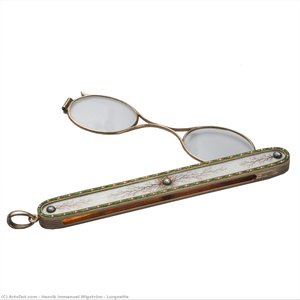
- Decorative Objects: His repertoire included stunning lorgnettes, intricate ink sets, and delicate silverwork that served as the pinnacle of high-society luxury.
- Hardstone Artistry: He excelled in crafting hardstone animals, figures, and flowers with remarkable precision, utilizing his deep knowledge of mineral textures to breathe life into inanimate stone.
Technique and Historical Significance
The true genius of Wigström lay in his technical perfectionism. His work is defined by flawless enamelwork, intricate guilloche engraving, and the masterful manipulation of precious metals. Every piece he touched reflected a meticulous attention to detail that satisfied even the most discerning members of the Romanov dynasty. By blending the delicate textures of fine enamel with the structural strength of gold and silver, he created objects that were as much feats of engineering as they were works of art.
As the era of Imperial Russia drew to a close, Wigström’s contributions remained a testament to a vanished world of unparalleled opulence. His ability to interpret historical styles through a modern, refined lens ensured that his work would remain iconic long after the workshops of St. Petersburg fell silent. Today, his legacy lives on through the rare and precious artifacts that continue to captivate collectors, serving as enduring symbols of the height of Fabergé's artistic achievement.
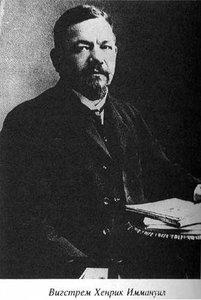
henrik immanuel wigström
1862 - 1923 , Finland
Osnovne informacije
- Artistic Movement Or Style: Louis XVI, Empire, Neoclassical
- Artists Who Influenced This Artist: ['Michael Evlampievich Perchin']
- Date Of Birth: October 2, 1862
- Date Of Death: March 14, 1923
- Full Name: Henrik Immanuel Wigström
- Nationality: Finnish
- Notable Artworks:
- Miniature Perfume Bottle
- Ink set
- Moon’s Face Table Clock
- Place Of Birth: Ekenäs, Finland
Povezani članci
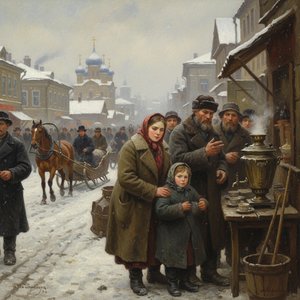
Vladimir Makovsky: Realism, Social Commentary & Russian Life in Late 19th-Century Painting
Explore the captivating world of Vladimir Makovsky, a leading Russian realist painter. Discover his insightful depictions of 19th-century life, social commentary & legacy with ArtsDot.
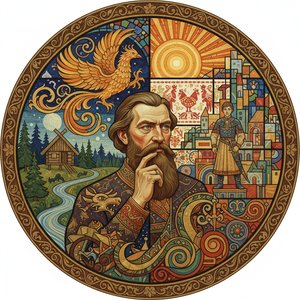
Ivan Bilibin: A Synthesis of Folklore, Modernism & National Identity in Russian Illustration
Explore the enchanting world of Ivan Bilibin, a master Russian illustrator who synthesized folklore, Art Nouveau & national identity. Discover his iconic fairy tale illustrations and legacy with ArtsDot.
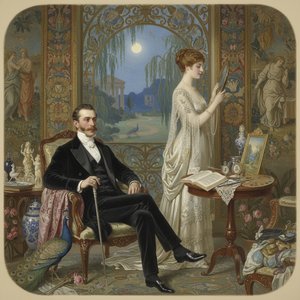
Konstantin Somov: A Master of Russian Aestheticism & Symbolist Elegance
Explore the captivating world of Konstantin Somov, a leading figure of Russian Symbolism & Aestheticism. Discover his exquisite portraits, ballet scenes, and Rococo-inspired masterpieces. Learn about his life, influences, and enduring legacy.

Mikhail Nesterov: Spiritual Quests & Symbolic Landscapes of Russian Symbolism
Explore the captivating world of Mikhail Nesterov, a pioneer of Russian Symbolism. Discover his spiritual themes, iconic paintings like 'The Hermit,' and lasting influence on Russian art history. Learn more at ArtsDot.
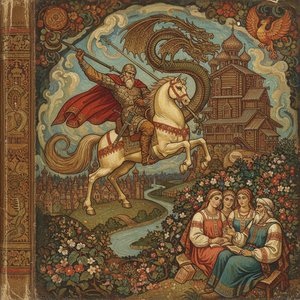
Victor Vasnetsov: Myth, Nationalism & the Revival of Russian Fairy Tale Painting
Explore the captivating world of Victor Vasnetsov, a co-founder of Russian folklorist painting. Discover his iconic works, influence on national identity, and lasting legacy in this expert guide.