

 Pregledaj u prostoru
 Pošalji
 Podeli
 Detalji o delu

 Преузми
 Slični predmeti
 Rendgenski snimak
 Slajdovi
 Statistika
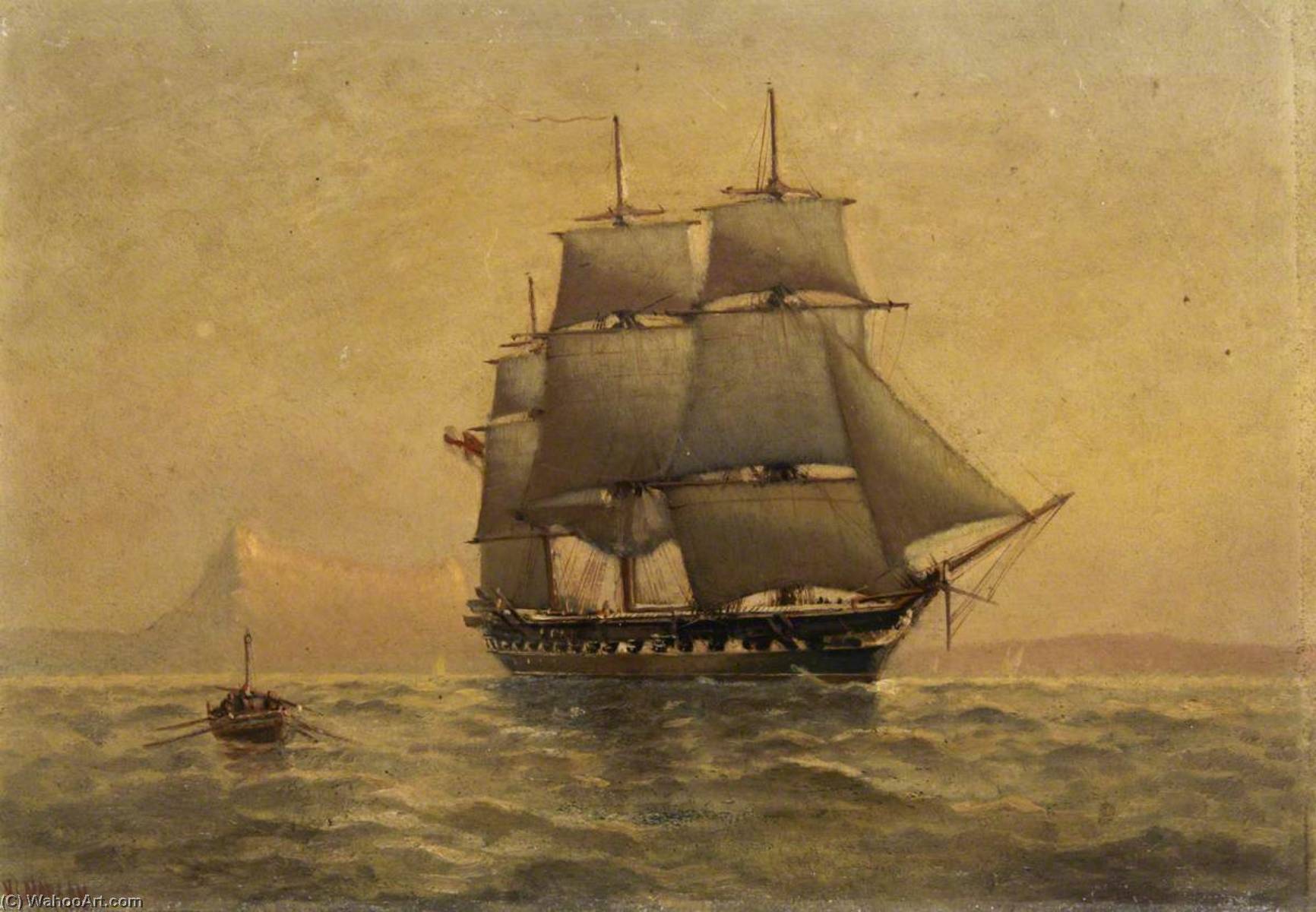
The Screw Frigate HMS 'Immortalite'
 Romanticism
 1859
1859 33.0 x 48.0 cm
 Pročitaj više
Ručno rađena uljana reprodukcija
Ručno oslikano uljanim bojama na platnu u dimenzijama i okviru po vašem izboru, izrađeno po porudžbini od strane naših umetnika. ( Pređi na štampu Pređi na digitalnu sliku)




































Izaberite jednu od naših unapred definisanih veličina koje odgovaraju originalnim proporcijama umetničkog dela.

Можете унети сопствене димензије како бисте прилагодили дело одређеном оквиру или простору. Ако одабрана величина не одговара пропорцијама оригинала, слика ће бити исечена или проширена додатним елементима који се ручно насликавају. Дигитални prikaz ће вам бити послат на одобрење пре почетка производње.
Имајте на уму да преглед на екрану не одражава стварно исецање или проширење. Само приказ (mockup) ће тачно приказати коначну композицију.
Иако су доступне прилагођене величине, препоручујемо да одаберете димензију из дефинисане листе како бисте сачували оригиналне пропорције.
Nakon narudžbine, tim ArtsDot.com će klijentu putem e-pošte poslati uputstva i dostaviti prikaz predloženog rešenja
Isporuka širom sveta () za 3/4 nedelje umesto uobičajenih 5 nedelja. (8 септембар). Bez kompromisa po pitanju kvaliteta.

Besplatna ekspresna dostava širom sveta

Visokokvalitetno laneno platno

Kompletno osiguranje transporta

Garancija povraćaja carine i uvoznih dažbina

Garancija vernosti boja

Politika povraćaja u roku od 100 dana (isključivo u slučaju nedostataka)

Garancija povrata novca od 100%

Popust pri grupnoj kupovini
 Opcija sa staklom dostupna je samo za dimenzije manje od 110 cm

The Screw Frigate HMS 'Immortalite'
Tehnika reprodukcije
Dimenzije reprodukcije
-


Konačna cena
$ 263
Srodna umetnička dela

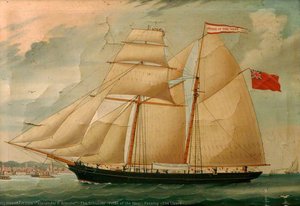
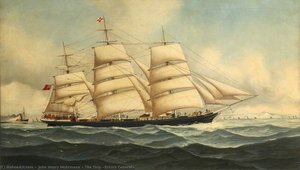
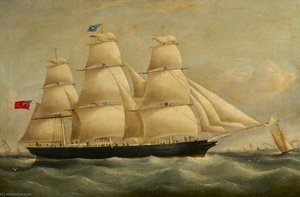
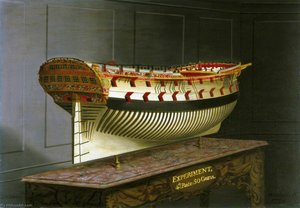
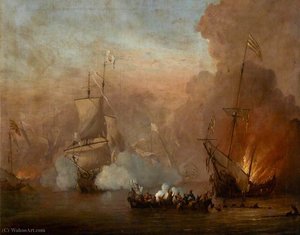
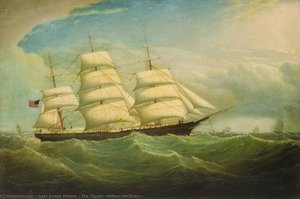
Biografija umetnika
The Master of Naval Impressionism: The Life and Legacy of Henry J. Morgan
In the grand tapestry of British maritime art, few threads shimmer with as much atmospheric brilliance as those woven by Henry J. Morgan. Born in London in 1839, Morgan emerged during a transformative era when Britain’s naval supremacy was both a political reality and a profound cultural symbol. While his early years remain somewhat veiled in the mists of history, his artistic trajectory reveals a man deeply enamored with the salt spray and the structural majesty of the sea. His journey began not merely as an observer of ships, but as a student of light and shadow, driven by a lifelong vocation to capture the pulse of the ocean through the lens of Naval Impressionism.
Morgan’s formal education provided the technical bedrock upon which his more fluid, emotive style would later flourish. At the prestigious Slade School of Fine Art, he mastered the rigors of composition and perspective, yet it was his mentorship under luminaries such as George Frederic Watts and William Holman Hunt that truly shaped his artistic soul. From these masters, Morgan inherited a unique duality: the meticulous, almost scientific attention to detail characteristic of the Pre-Raphaelite influence, balanced against an intense desire to evoke emotional resonance. This tension between precision and feeling became the hallmark of his work, allowing him to render the intricate rigging of a warship with absolute clarity while simultaneously capturing the fleeting, ethereal quality of a morning mist over Portsmouth harbor.
A Symphony of Ships and Sea
The oeuvre of Henry J. Morgan is a profound exploration of maritime power and the romanticism of naval life. His canvases serve as historical windows into the Victorian and Edwardian eras, documenting the transition from majestic sailing vessels to the formidable steel-clad warships of a new age. Unlike many of his contemporaries who sought to produce mere photographic records of naval engagements, Morgan sought the spirit of the sea. He utilized loose, impressionistic brushstrokes and a subtle, nuanced palette to convey the movement of turbulent waters and the shifting moods of the sky.
His subject matter frequently centered on the iconic vessels that defined British maritime identity. Through his eyes, we witness:
- The Majesty of the Fleet: Notable works such as 'Dreadnought' and 'Victory' at Portsmouth showcase his ability to place legendary ships within a harmonious, atmospheric composition, highlighting their historical weight.
- The Drama of the Elements: In pieces like 'HMS Wanderer' (1887–1891), Morgan captures the raw, untamed energy of warships battling tempestuous seas, using light and shadow to heighten the sense of peril and adventure.
- Serene Naval Life: Beyond the heat of battle, his work often retreats into the quiet dignity of harbor scenes, such as 'HMS Comus' (1899), where the play of light on still water evokes a sense of nostalgic peace.
Historical Significance and Artistic Triumph
The enduring significance of Henry J. Morgan lies in his ability to elevate maritime painting from documentation to high art. By integrating Impressionistic techniques into the traditionally rigid genre of naval art, he bridged the gap between the literal and the lyrical. His work does not simply show us what a ship looked like; it tells us how the sea felt as it surged against the hull. This emotional depth ensured that his paintings remained powerful expressions of historical significance long after the ships themselves had been decommissioned.
As we look back upon his life, which concluded in 1917, we see an artist who successfully captured the twilight of a great maritime era. His legacy is preserved not only in museum collections but in the way he taught us to perceive the sea—not as a static backdrop, but as a living, breathing protagonist in the drama of human history. Through his masterful use of color, light, and motion, Morgan remains a pivotal figure whose work continues to resonate with anyone moved by the timeless allure of the ocean.

henry j morgan
1839 - 1917
Osnovne informacije
- Artistic Movement Or Style: Maritime painting
- Date Of Birth: 1839
- Date Of Death: 1917
- Full Name: Henry J. Morgan
- Nationality: British
- Notable Artworks:
- Rover
- 'Dreadnought' and 'Victory' at Portsmouth
- Place Of Birth: England
Povezani članci

The Enduring Legacy of Oil on Canvas: Technique, History & Aesthetic Impact
Explore the rich history & techniques of oil painting – from Renaissance masters to Impressionism. Discover pigments, layering methods, and why this timeless medium endures. Expert insights for artists & art enthusiasts.

The Enduring Power of Painting: A Historical & Contemporary Exploration of Form and Emotion
Explore the rich history & enduring techniques of oil painting with ArtsDot. Discover masterpieces, learn about art collecting, and find authentic handmade reproductions crafted by skilled artists.
Henri Matisse: 25 Remek-dela koji definišu boju i modernu umetnost | ArtsDot
Uronite u svet Henri Matissea! Istražite 25 remek-dela Fauvizma i moderne umetnosti. Otkrijte priče iza slika, tehnike i inspiraciju slavnog francuskog slikara. Reprodukcije vrhunskog kvaliteta dostupne na ArtsDot.com.

Oil on Canvas: A Historical & Technical Exploration of a Timeless Artistic Medium
Explore the rich history & enduring techniques of oil painting on canvas. Discover the science behind its longevity, conservation practices, and contemporary relevance. Expert insights for art enthusiasts.

Dostava i povrat
APS pruža stručnu svetsku isporuku umetnina uz negu na nivou muzeja, potpuno praćenje i garanciju povraćaja novca u roku od 100 dana. Od pomoći oko carine do Priority Production, verujte transparentnoj usluzi, sigurnom pakovanju i pouzdanom dostavom za kolekcionare, dizajnere i galerije.