

 Pregledaj u prostoru
 Pošalji
 Podeli
 Detalji o delu

 Преузми
 Slični predmeti
 Rendgenski snimak
 Slajdovi
 Statistika
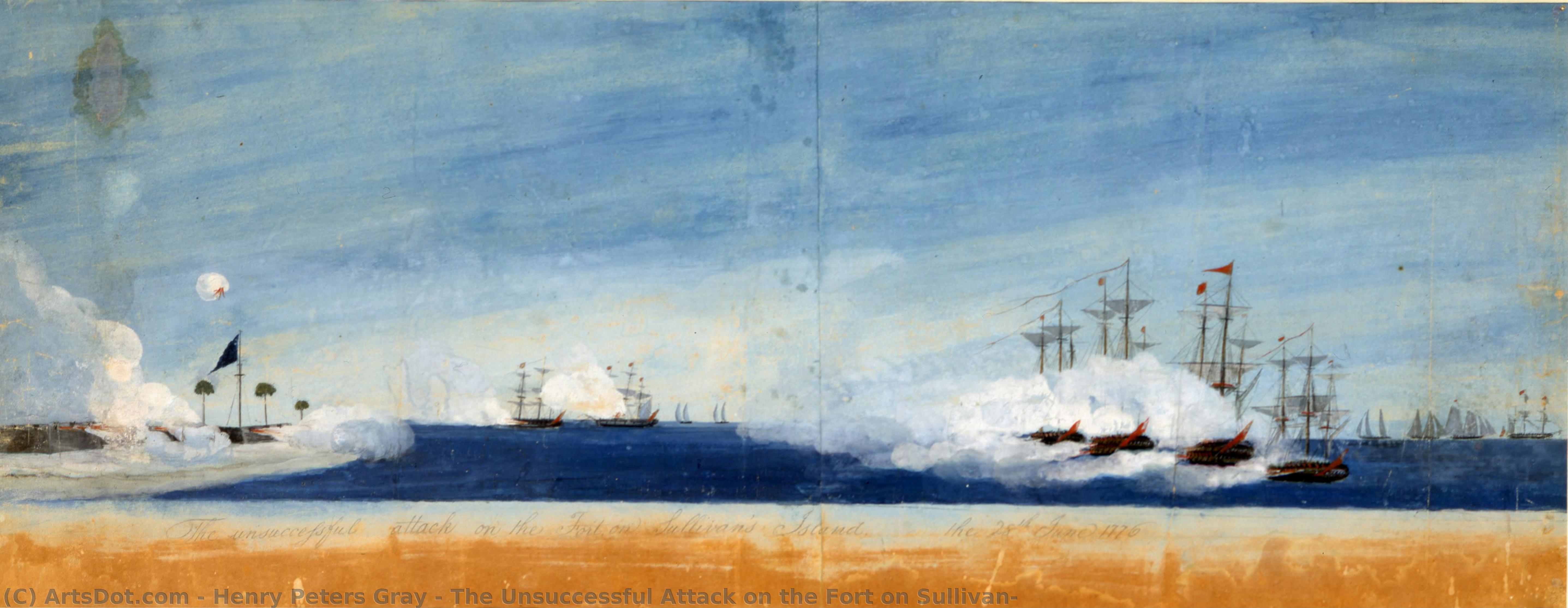
The Unsuccessful Attack on the Fort on Sullivan


 Pročitaj više
Ručno rađena uljana reprodukcija
Ručno oslikano uljanim bojama na platnu u dimenzijama i okviru po vašem izboru, izrađeno po porudžbini od strane naših umetnika. ( Pređi na štampu Pređi na digitalnu sliku)




































Izaberite jednu od naših unapred definisanih veličina koje odgovaraju originalnim proporcijama umetničkog dela.

Можете унети сопствене димензије како бисте прилагодили дело одређеном оквиру или простору. Ако одабрана величина не одговара пропорцијама оригинала, слика ће бити исечена или проширена додатним елементима који се ручно насликавају. Дигитални prikaz ће вам бити послат на одобрење пре почетка производње.
Имајте на уму да преглед на екрану не одражава стварно исецање или проширење. Само приказ (mockup) ће тачно приказати коначну композицију.
Иако су доступне прилагођене величине, препоручујемо да одаберете димензију из дефинисане листе како бисте сачували оригиналне пропорције.
Nakon narudžbine, tim ArtsDot.com će klijentu putem e-pošte poslati uputstva i dostaviti prikaz predloženog rešenja
Isporuka širom sveta () za 3/4 nedelje umesto uobičajenih 5 nedelja. (9 септембар). Bez kompromisa po pitanju kvaliteta.

Besplatna ekspresna dostava širom sveta

Visokokvalitetno laneno platno

Kompletno osiguranje transporta

Garancija povraćaja carine i uvoznih dažbina

Garancija vernosti boja

Politika povraćaja u roku od 100 dana (isključivo u slučaju nedostataka)

Garancija povrata novca od 100%

Popust pri grupnoj kupovini
 Opcija sa staklom dostupna je samo za dimenzije manje od 110 cm

The Unsuccessful Attack on the Fort on Sullivan
Tehnika reprodukcije
Dimenzije reprodukcije
-


Konačna cena
$ 263
Srodna umetnička dela








Biografija umetnika
Henry Peters Gray: A Visionary of Romantic American Art
Henry Peters Gray (June 23, 1819 – November 12, 1877) was an American painter who emerged as a prominent figure in the Tonalist movement during the mid-nineteenth century. Born in New York City to parents of English descent, Gray’s artistic journey began with early training under Frederic Church and Asher B. Durand, two titans of Hudson River School landscape painting—a style that profoundly shaped his aesthetic sensibilities. However, Gray swiftly distinguished himself from his peers by embracing a more emotionally resonant approach, prioritizing atmospheric effects and psychological nuance over mere topographical accuracy. This stylistic divergence cemented his place as one of the foremost practitioners of Romantic American art.- Early Life & Training: Gray’s formative years were marked by exposure to influential artistic mentors. He studied briefly with Church and Durand, absorbing their mastery of capturing the grandeur of the Hudson River Valley—a tradition emphasizing dramatic vistas and idealized depictions of nature. Yet, Gray quickly recognized that such representations lacked the depth required to convey genuine human emotion.
The Tonalist Style: Atmosphere Over Detail
Gray’s artistic breakthrough arrived with his embrace of the Tonalist movement—a reaction against the Hudson River School's rigid formalism. Unlike Church and Durand, who meticulously rendered landscapes with precise color palettes and sharp contours, Gray prioritized creating luminous, hazy scenes that evoked mood and emotion. He achieved this effect through a technique known as “atmospheric perspective,” subtly blending colors to simulate the diffusion of light in mountainous regions or misty forests. This method allowed him to convey not just what he saw but how he *felt* about his subjects—a hallmark of Romantic art’s preoccupation with subjective experience.- Notable Paintings:
- "The Greek Lovers" (1846): This evocative painting captures the spirit of Greco-Roman antiquity, utilizing soft tonal colors and delicate brushstrokes to convey a sense of serene contemplation. Gray skillfully employed atmospheric perspective to create an ethereal backdrop—a testament to his commitment to Romantic ideals.
- "The Wages of War" (1848): A poignant depiction of the aftermath of battle, “The Wages of War” showcases Gray’s ability to convey psychological trauma through subtle visual cues. The muted palette and hazy atmosphere heighten the painting's emotional impact.
- "The Pride of the Village" (1859): Gray’s masterful portrayal of rural life exemplifies his Romantic fascination with idealized beauty and harmony. He skillfully blended tonal colors to create a luminous impression of a tranquil village scene.
Influences & Legacy
Gray's artistic vision was undeniably shaped by the broader intellectual currents of his time—particularly Transcendentalism, championed by Ralph Waldo Emerson and Henry David Thoreau. These thinkers emphasized intuition, individualism, and a profound connection with nature—values that resonated deeply within Gray’s creative spirit. Furthermore, Gray drew inspiration from Eugène Delacroix's Romantic landscapes, recognizing the power of art to express complex emotions and capture fleeting moments of beauty. Gray’s enduring legacy resides in his pioneering contribution to American Romantic painting. He established a new aesthetic standard—one prioritizing emotional resonance over technical precision—and paved the way for subsequent generations of artists to explore the expressive potential of tonalist technique. His paintings continue to captivate audiences today, serving as poignant reminders of the Romantic era’s preoccupation with sublime landscapes and profound human experience.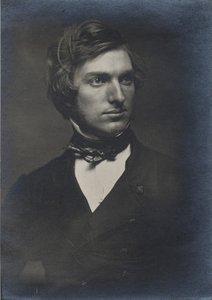
Osnovne informacije
- Artistic Movement Or Style: Tonalist
- Artists Or Movements Influenced By This Artist: ['Romanticism']
- Artists Who Influenced This Artist: ['Hudson River School']
- Date Of Birth: June 23, 1819
- Full Name: Henry Peters Gray
- Nationality: American
- Notable Artworks:
- The Greek Lovers
- The Wages of War
- The Pride of the Village
- Place Of Birth: New York City, United States