

 Pregledaj u prostoru
 Pošalji
 Podeli
 Detalji o delu

 Преузми
 Slični predmeti
 Rendgenski snimak
 Slajdovi
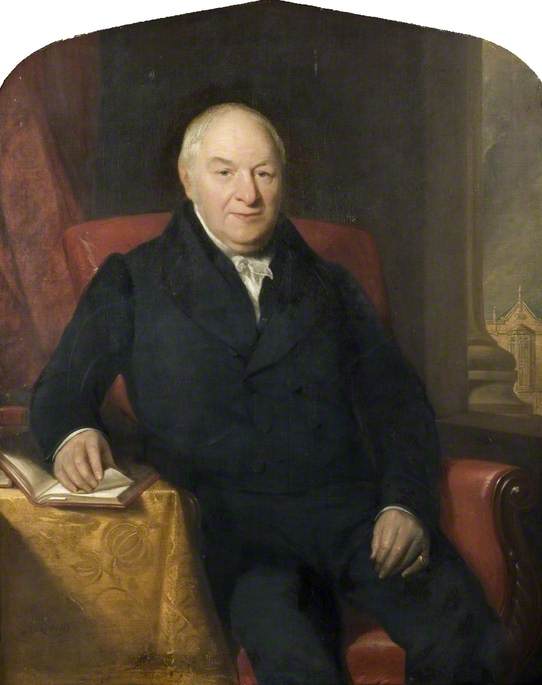
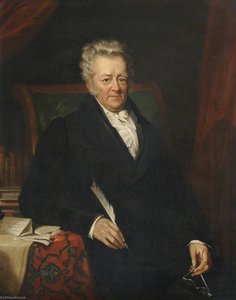
Edward Johnstone (1757–1851), Principal of Queen's College, Birmingham
 122.0 x 100.0 cm
 University of Birmingham
 Pročitaj više
Kupite digitalnu sliku visoke rezolucije i poboljšanog kvaliteta, koja je znatno superiornija od onoga što vidite u online prikazu.
Svaka datoteka je pedantno pripremljena od strane naših stručnjaka koristeći napredne alate i profesionalnu ručnu retušu. Osiguravamo da svaka slika ima izuzetnu oštrinu, preciznu reprodukciju boja i fine detalje.
Konačna datoteka se dostavlja putem e-pošte u roku od 72 sata, optimizovana za neposrednu upotrebu u profesionalnim, izdavačkim i štamparskim okruženjima. To je isti kvalitet kojem veruju vrhunski studiji dizajna, izdavači i galerije.
Digitalna slika
Preuzmite datoteku visoke rezolucije za ličnu upotrebu, štampanje i kreativne projekte. ( Kupi print Kupi ručno naslikanu sliku)
Uključeno uz svaku porudžbinu digitalne slike
Profesionalna digitalna isporuka, zagarantovana
Kada odaberete ArtsDot.com, ne dobijate samo sliku – vi primate profesionalno unapređeno digitalno umetničko delo, izrađeno sa najvećom preciznošću i uz garanciju zadovoljstva. Evo svega što automatski dolazi uz vašu porudžbinu:

Brza dostava putem e-pošte
Vaša digitalna slika visoke rezolucije biće vam poslata putem e-pošte u roku od 72 sata od poručivanja – spremna za trenutnu upotrebu.

Digitalna datoteka unapređena veštačkom inteligencijom
Vaše umetničko delo je profesionalno optimizovano korišćenjem naprednih AI alata i ručne obrade, čime se osiguravaju maksimalni detalji, oštrina i preciznost boja.

Besplatna ponovna isporuka doživotno
Slučajno ste obrisali ili izgubili svoju datoteku? Ne brinite – poslaćemo vam je ponovo u bilo kom trenutku, potpuno besplatno.

Bez troškova uvoza – zauvek
Uživajte u svojim umetničkim delima trenutno, bez carine, dažbina ili troškova dostave – digitalni download je uvek bez poreza.

Garancija vernosti boja
Uz pomoć profesionalnih alata i upravljanja bojama, osiguravamo da vaša digitalna slika što vernije odražava originalne boje.

Garancija zadovoljstva u roku od 60 dana
Ako niste zadovoljni svojom digitalnom slikom, revidirat ćemo je ili vratiti 100% novca u roku od 60 dana – bez ikakvih pitanja.

100% garancija povrata novca
Niste zadovoljni? Obezbedite pun povrat novca u roku od 60 dana od trenutka kada ste primili svoju digitalnu datoteku – bez suvišnih pitanja.

Popusti na velike porudžbine
Kupite 3 slike, uštedite 10% - Kupite 5 slika, uštedite 15% - Kupite 10+ slika, uštedite 20%. Odlično za kreativne projekte, galerije i agencije.
Srodna umetnička dela







Biografija umetnika
The Quiet Observer of Victorian Faith
In the heart of a rapidly industrializing Birmingham, where the soot of progress began to settle upon the cobblestones of England, Henry Room (1802–1850) emerged as a painter of profound spiritual and psychological depth. To look upon a Room portrait is to encounter more than a mere likeness; it is to witness a meticulous documentation of the Victorian soul. Born in Newhall Street to John Room, a skilled japanner, the artist inherited an early appreciation for the fine details of craftsmanship and the subtle luster of decorative arts. This foundation of precision would later define his approach to oil on canvas, where every brushstroke served the higher purpose of capturing the moral character of his subjects.
Room’s artistic journey was deeply intertwined with the evangelical currents that pulsed through 19 and early 19th-century Britain. As a deacon in the church of John Morison, his life was anchored by a dedication to religious philanthropy and the celebration of Christian values. This spiritual devotion found its most potent expression in his portraiture, particularly through his depictions of missionaries, reformers, and academics. He did not merely paint faces; he painted convictions. His work often served as a visual record for the Evangelical Magazine, providing a dignified countenance to those working on the front lines of global religious expansion.
Artistic Evolution and the Spirit of Rebellion
The development of Room’s style was marked by a notable spirit of independence. While he received his formal training at Joseph Barber's Drawing School, honing his skills under classical ideals, he was never content to remain within the confines of tradition. A pivotal moment in his career arrived in 1828 when, alongside Peter Hollins, he broke away from the conservative constraints of the Royal Birmingham Society of Artists. This act of artistic rebellion led to the establishment of the Temple Row Gallery, a space designed to foster experimentation and challenge the stagnant conventions of the era.
During his time in London, sharing a studio in Old Bond Street, Room’s technical mastery began to flourish. His palette remained characteristically restrained, favoring muted tones of earth browns, deep greens, and somber reds. This choice was far from a lack of imagination; rather, it was a deliberate aesthetic strategy to prevent flamboyant color from distracting the viewer from the psychological truth of the sitter. By utilizing subtle gradations of tone and a controlled application of light, he achieved a sense of quiet dignity that became his hallmark. His ability to blend colors with such delicacy allowed him to capture the inner life—the contemplative, often heavy, weight of responsibility carried by the men and women he portrayed.
Legacy and Historical Significance
The historical significance of Henry Room lies in his role as a visual chronicler of a transformative era. His reach extended far beyond the borders of Birmingham, as evidenced by his frequent exhibitions at the Royal Academy from 1826 onwards. Through the medium of engraving, particularly through the work of John Cochran, his portraits reached a much wider audience, embedding the faces of contemporary heroes into the collective memory of the British public. His notable works include:
- Thomas Clarkson: A powerful 1839 portrait of the famed abolitionist, capturing the gravity of his fight against slavery.
- The Medical Series: A collection of portraits executed for Thomas Joseph Pettigrew's Biographical Memoirs, celebrating the intellectual rigor of the scientific community.
- Royal and Diplomatic Encounters: Grand compositions such as the interview of Queen Adelaide with the Madagascar Princes, showcasing his ability to handle complex group dynamics.
Though his life was cut short at the age of forty-eight, Room left behind a legacy that bridges the gap between fine art and historical testimony. He married into the world of portraiture, becoming the brother-in-law of Alfred Thomas Derby, further cementing his place within the artistic fabric of his time. Today, his work remains a vital window into the Victorian era—a period where the pursuit of scientific progress and the fervor of religious reform walked hand in hand, all captured through the steady, observant eye of a man who saw the divine in the details.
henry room
1802 - 1850
Kratke činjenice
- Artistic Movement Or Style: Victorian Portraiture
- Artists Or Movements Influenced By This Artist: ['Royal Birmingham Society']
- Artists Who Influenced This Artist: ['Joseph Barber']
- Date Of Death: 1850
- Full Name: Henry Room
- Nationality: English
- Notable Artworks: ['The Interview of Queen Adelaide with the Madagascar Princes']
- Place Of Birth: Birmingham, England

