

 Pregledaj u prostoru
 Pošalji
 Podeli
 Detalji o delu

 Преузми
 Slični predmeti
 Rendgenski snimak
 Slajdovi
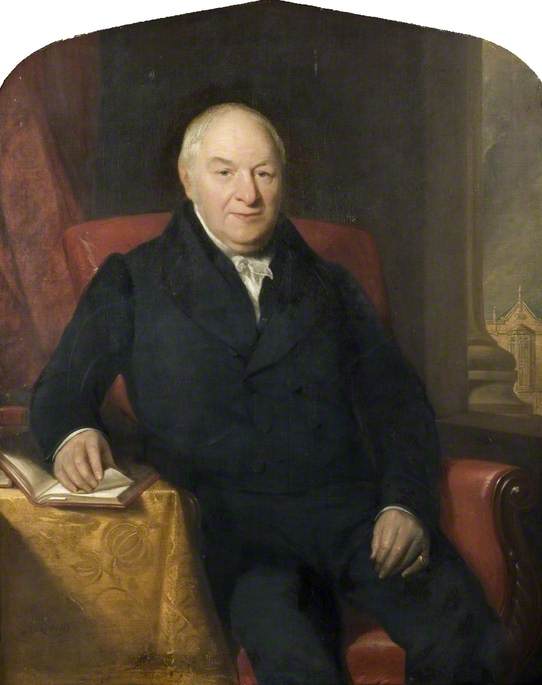
Edward Johnstone (1757–1851), Principal of Queen's College, Birmingham
 122.0 x 100.0 cm
 University of Birmingham
 Pročitaj više
Giclee štampa / Umetnički otisak
Giclée štampa ili print na platnu muzejskog kvaliteta uz brzu proizvodnju i fleksibilne opcije završne obrade. ( Kupi ručno naslikanu sliku Kupi digitalnu sliku)




































Izaberite jednu od naših unapred definisanih veličina koje odgovaraju originalnim proporcijama umetničkog dela.

Možete uneti sopstvene dimenzije kako biste umetničko delo prilagodili specifičnom okviru ili prostoru. Ako odabrani format ne odgovara proporcijama originalne slike, mi ćemo ili iscrtati deo dela ili proširiti sliku pomoću ogledane ivice ili jednobojnog popunjavanja. Digitalni prikaz će vam biti poslat na odobrenje pre početka proizvodnje.
Imajte na umu da pregled na ekranu ne odražava stvarno iscrtavanje ili proširivanje. Samo će prikaz (mockup) precizno pokazati finalnu kompoziciju.
Iako su prilagođene dimenzije dostupne, preporučujemo da odaberete dimenziju sa unapred definisane liste kako biste očuvali originalne proporcije.
Dostava širom sveta () za 2 nedelje umesto uobičajenih 4/5 nedelja. (1 септембар)

Besplatna ekspresna dostava širom sveta

Visokokvalitetno laneno platno

Kompletno osiguranje transporta

Garancija povraćaja carine i uvoznih dažbina

Garancija vernosti boja

Politika povrata u roku od 60 dana (samo u slučaju nedostataka)

Garancija povrata novca od 100%

Popust pri grupnoj kupovini
 Opcija sa staklom dostupna je samo za dimenzije manje od 110 cm

Edward Johnstone (1757–1851), Principal of Queen's College, Birmingham
Giclee štampa / Umetnički otisak
Dimenzije reprodukcije
-


Konačna cena
$ 62
Srodna umetnička dela








Biografija umetnika
The Quiet Observer of Victorian Faith
In the heart of a rapidly industrializing Birmingham, where the soot of progress began to settle upon the cobblestones of England, Henry Room (1802–1850) emerged as a painter of profound spiritual and psychological depth. To look upon a Room portrait is to encounter more than a mere likeness; it is to witness a meticulous documentation of the Victorian soul. Born in Newhall Street to John Room, a skilled japanner, the artist inherited an early appreciation for the fine details of craftsmanship and the subtle luster of decorative arts. This foundation of precision would later define his approach to oil on canvas, where every brushstroke served the higher purpose of capturing the moral character of his subjects.
Room’s artistic journey was deeply intertwined with the evangelical currents that pulsed through 19 and early 19th-century Britain. As a deacon in the church of John Morison, his life was anchored by a dedication to religious philanthropy and the celebration of Christian values. This spiritual devotion found its most potent expression in his portraiture, particularly through his depictions of missionaries, reformers, and academics. He did not merely paint faces; he painted convictions. His work often served as a visual record for the Evangelical Magazine, providing a dignified countenance to those working on the front lines of global religious expansion.
Artistic Evolution and the Spirit of Rebellion
The development of Room’s style was marked by a notable spirit of independence. While he received his formal training at Joseph Barber's Drawing School, honing his skills under classical ideals, he was never content to remain within the confines of tradition. A pivotal moment in his career arrived in 1828 when, alongside Peter Hollins, he broke away from the conservative constraints of the Royal Birmingham Society of Artists. This act of artistic rebellion led to the establishment of the Temple Row Gallery, a space designed to foster experimentation and challenge the stagnant conventions of the era.
During his time in London, sharing a studio in Old Bond Street, Room’s technical mastery began to flourish. His palette remained characteristically restrained, favoring muted tones of earth browns, deep greens, and somber reds. This choice was far from a lack of imagination; rather, it was a deliberate aesthetic strategy to prevent flamboyant color from distracting the viewer from the psychological truth of the sitter. By utilizing subtle gradations of tone and a controlled application of light, he achieved a sense of quiet dignity that became his hallmark. His ability to blend colors with such delicacy allowed him to capture the inner life—the contemplative, often heavy, weight of responsibility carried by the men and women he portrayed.
Legacy and Historical Significance
The historical significance of Henry Room lies in his role as a visual chronicler of a transformative era. His reach extended far beyond the borders of Birmingham, as evidenced by his frequent exhibitions at the Royal Academy from 1826 onwards. Through the medium of engraving, particularly through the work of John Cochran, his portraits reached a much wider audience, embedding the faces of contemporary heroes into the collective memory of the British public. His notable works include:
- Thomas Clarkson: A powerful 1839 portrait of the famed abolitionist, capturing the gravity of his fight against slavery.
- The Medical Series: A collection of portraits executed for Thomas Joseph Pettigrew's Biographical Memoirs, celebrating the intellectual rigor of the scientific community.
- Royal and Diplomatic Encounters: Grand compositions such as the interview of Queen Adelaide with the Madagascar Princes, showcasing his ability to handle complex group dynamics.
Though his life was cut short at the age of forty-eight, Room left behind a legacy that bridges the gap between fine art and historical testimony. He married into the world of portraiture, becoming the brother-in-law of Alfred Thomas Derby, further cementing his place within the artistic fabric of his time. Today, his work remains a vital window into the Victorian era—a period where the pursuit of scientific progress and the fervor of religious reform walked hand in hand, all captured through the steady, observant eye of a man who saw the divine in the details.
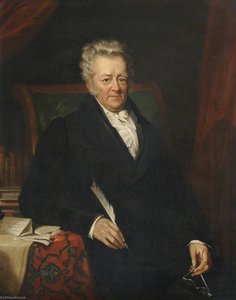
henry room
1802 - 1850
Osnovne informacije
- Artistic Movement Or Style: Victorian Portraiture
- Artists Or Movements Influenced By This Artist: ['Royal Birmingham Society']
- Artists Who Influenced This Artist: ['Joseph Barber']
- Date Of Death: 1850
- Full Name: Henry Room
- Nationality: English
- Notable Artworks: ['The Interview of Queen Adelaide with the Madagascar Princes']
- Place Of Birth: Birmingham, England

