

 Pregledaj u prostoru
 Pošalji
 Podeli
 Detalji o delu

 Преузми
 Slični predmeti
 Rendgenski snimak
 Slajdovi
 Statistika
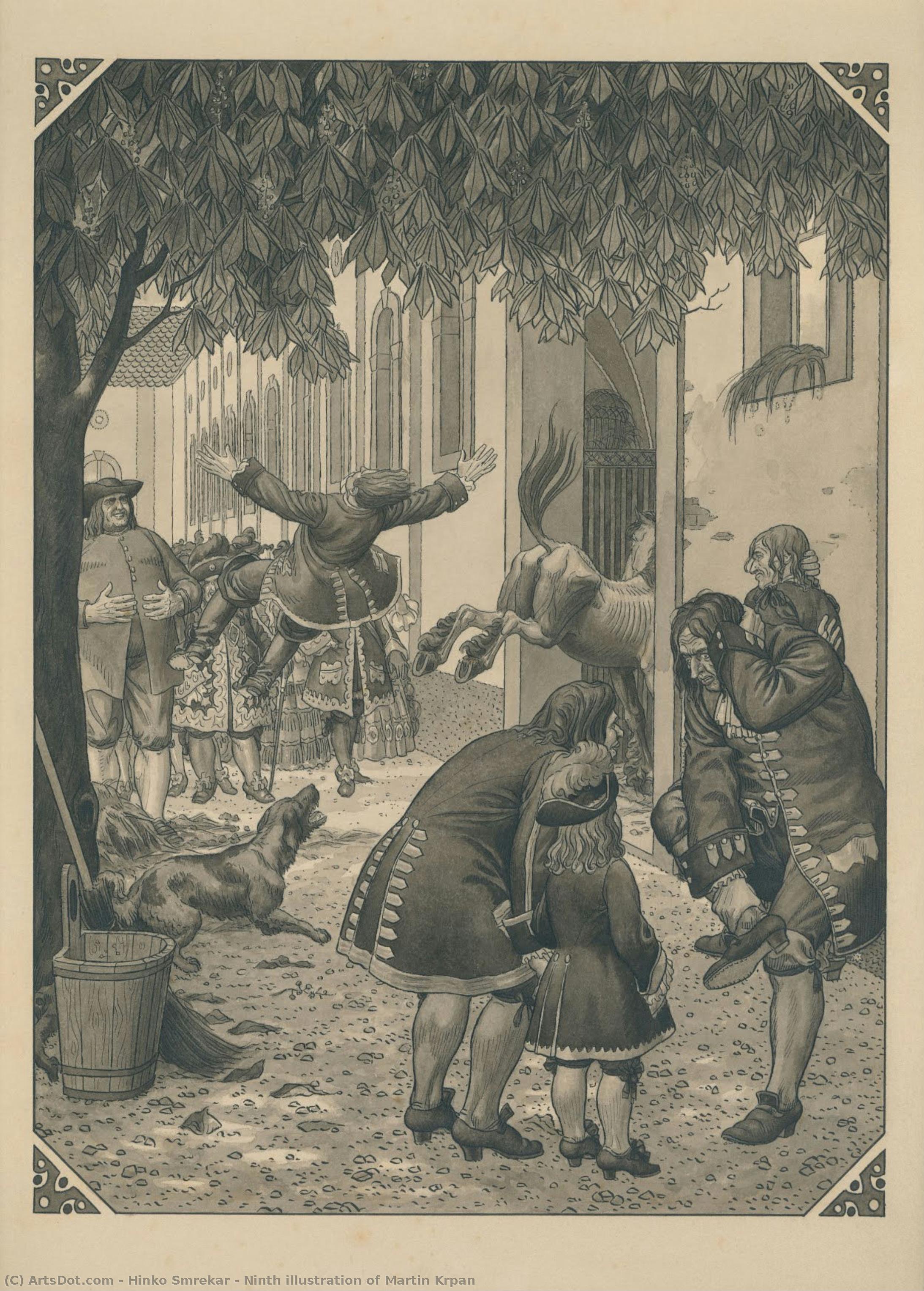
Ninth illustration of Martin Krpan

 Pročitaj više
Ručno rađena uljana reprodukcija
Ručno oslikano uljanim bojama na platnu u dimenzijama i okviru po vašem izboru, izrađeno po porudžbini od strane naših umetnika. ( Pređi na štampu Pređi na digitalnu sliku)




































Izaberite jednu od naših unapred definisanih veličina koje odgovaraju originalnim proporcijama umetničkog dela.

Можете унети сопствене димензије како бисте прилагодили дело одређеном оквиру или простору. Ако одабрана величина не одговара пропорцијама оригинала, слика ће бити исечена или проширена додатним елементима који се ручно насликавају. Дигитални prikaz ће вам бити послат на одобрење пре почетка производње.
Имајте на уму да преглед на екрану не одражава стварно исецање или проширење. Само приказ (mockup) ће тачно приказати коначну композицију.
Иако су доступне прилагођене величине, препоручујемо да одаберете димензију из дефинисане листе како бисте сачували оригиналне пропорције.
Nakon narudžbine, tim ArtsDot.com će klijentu putem e-pošte poslati uputstva i dostaviti prikaz predloženog rešenja
Isporuka širom sveta () za 3/4 nedelje umesto uobičajenih 5 nedelja. (9 септембар). Bez kompromisa po pitanju kvaliteta.

Besplatna ekspresna dostava širom sveta

Visokokvalitetno laneno platno

Kompletno osiguranje transporta

Garancija povraćaja carine i uvoznih dažbina

Garancija vernosti boja

Politika povraćaja u roku od 100 dana (isključivo u slučaju nedostataka)

Garancija povrata novca od 100%

Popust pri grupnoj kupovini
 Opcija sa staklom dostupna je samo za dimenzije manje od 110 cm

Ninth illustration of Martin Krpan
Tehnika reprodukcije
Dimenzije reprodukcije
-


Konačna cena
$ 263
Srodna umetnička dela








Biografija umetnika
A Life Etched in Satire: The World of Hinko Smrekar
Born in Ljubljana, Slovenia, in 1883, Hinko Smrekar’s life was a testament to the power of art as resistance. His early years were marked by instability; the devastating earthquake of 1895 claimed his family home, forcing frequent relocations and instilling a sense of precarity that would later permeate his work. Despite these hardships, Smrekar demonstrated an exceptional artistic talent from a young age, quickly gaining recognition for his skillful drawings even while attending grammar school. He briefly enrolled in law school at Innsbruck, but the rigid academic path proved ill-suited to his restless spirit and burgeoning creativity. A pivotal moment arrived when he abandoned his studies, choosing instead to dedicate himself fully to art—a decision fueled by both passion and a growing disillusionment with societal norms.From Secessionist Roots to Social Commentary
Smrekar’s artistic journey began within the vibrant milieu of Vienna's Vesna Art Club in 1903, a collective that drew inspiration from Slovenian traditions and pan-Slavic art movements. This formative period exposed him to the decorative styles of the Secession, particularly magazines like *Ver Sacrum* and *Jugend*, which he skillfully blended with visual storytelling and folk motifs. His early collaborations with the prominent Slovenian writer Ivan Cankar proved crucial, designing book covers that showcased his emerging talent and a shared commitment to social justice. Soon after, Smrekar began contributing satirical drawings to the Ljubljana humorous newspaper *Osa*, honing his skills in caricature and skewering the politicians of the waning Austro-Hungarian Empire. This marked a turning point—a shift from purely aesthetic pursuits towards a more pointed form of artistic expression. He wasn’t merely illustrating; he was beginning to challenge authority, using humor as a weapon against injustice and absurdity.Navigating Turbulence: War, Illness, and Unwavering Conviction
The years surrounding World War I were particularly tumultuous for Smrekar. To avoid military service, he feigned mental illness—a desperate act that nonetheless allowed him to continue creating pacifist cartoons during a period of widespread conflict. This period also saw the creation of his unique “Slavic Tarok” deck, showcasing his innovative design sensibilities and deep connection to Slovenian culture. Despite facing recurring bouts of severe illness and extended periods in sanatoriums, Smrekar remained remarkably prolific. He attempted to launch his own satirical newspaper, *Pikapok*, but financial difficulties following his mother’s death forced him to rely on tutoring young cartoonists to supplement his income. Throughout these challenges, he never wavered in his commitment to artistic freedom and social commentary.A Legacy of Resistance: The Final Years
The Nazi occupation of Yugoslavia brought Smrekar's unwavering convictions into direct conflict with oppressive forces. Living under Italian rule in Ljubljana, he continued to produce anti-war art, openly challenging the authorities through his drawings and illustrations. His work became increasingly critical, reflecting the struggles of everyday life, folk traditions, and the inherent flaws of human nature. In 1942, his defiance proved fatal. Arrested for possessing illegal resistance literature, Smrekar was swiftly executed at Gramozna Jama, a gravel pit used for summary executions outside Ljubljana. His death marked a tragic end to a life dedicated to artistic expression and social justice, but it also solidified his legacy as a symbol of resistance against authoritarianism. Today, the Hinko Smrekar Primary School in Ljubljana and the prestigious Hinko Smrekar Prize—awarded annually for excellence in illustration—stand as enduring tributes to his courage and artistry. His drawings, though often grotesque and unsettling, remain a powerful commentary on universal themes of power, corruption, and the human spirit’s capacity for both resilience and folly. Smrekar's art is not simply a reflection of his time; it is a timeless indictment of injustice and a celebration of freedom of thought.Influences and Artistic Style
Smrekar’s artistic style was a unique synthesis of various influences. Secessionist illustration, with its emphasis on decorative elements and flowing lines, provided a foundational framework for his work. He drew inspiration from international satirical newspapers like *Meggendorfer Blätter* and *Simplicissimus*, adapting their techniques to the specific context of Slovenian society. However, what truly set Smrekar apart was his ability to ground his art in the everyday realities of Carniola and Ljubljana. His drawings are populated with stock characters—drunks, madams, beggars—observed during his youth, lending a gritty authenticity to his satirical portrayals.- His use of ink washes, watercolors, pastels, and graphic prints created a distinctive visual texture.
- He pioneered caricature in Slovenia, transforming it from a folk art form into a powerful tool for political commentary.
- Smrekar’s later work, influenced by his struggles with mental illness, often featured distorted figures and ghoulish imagery, reflecting his perception of the world's inherent darkness.
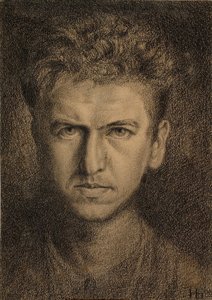
hinko smrekar
1883 - 1942 , Slovenia
Osnovne informacije
- Artistic Movement Or Style: Secessionist illustration
- Artists Who Influenced This Artist: ['Ivan Cankar']
- Date Of Birth: July 13, 1883
- Date Of Death: October 1, 1942
- Full Name: Hinko Smrekar
- Nationality: Slovenian
- Notable Artworks:
- Slavic Tarok
- Martin Krpan illustrations
- Place Of Birth: Ljubljana, Slovenia