

 Pregledaj u prostoru
 Pošalji
 Podeli
 Detalji o delu

 Преузми
 Slični predmeti
 Rendgenski snimak
 Slajdovi
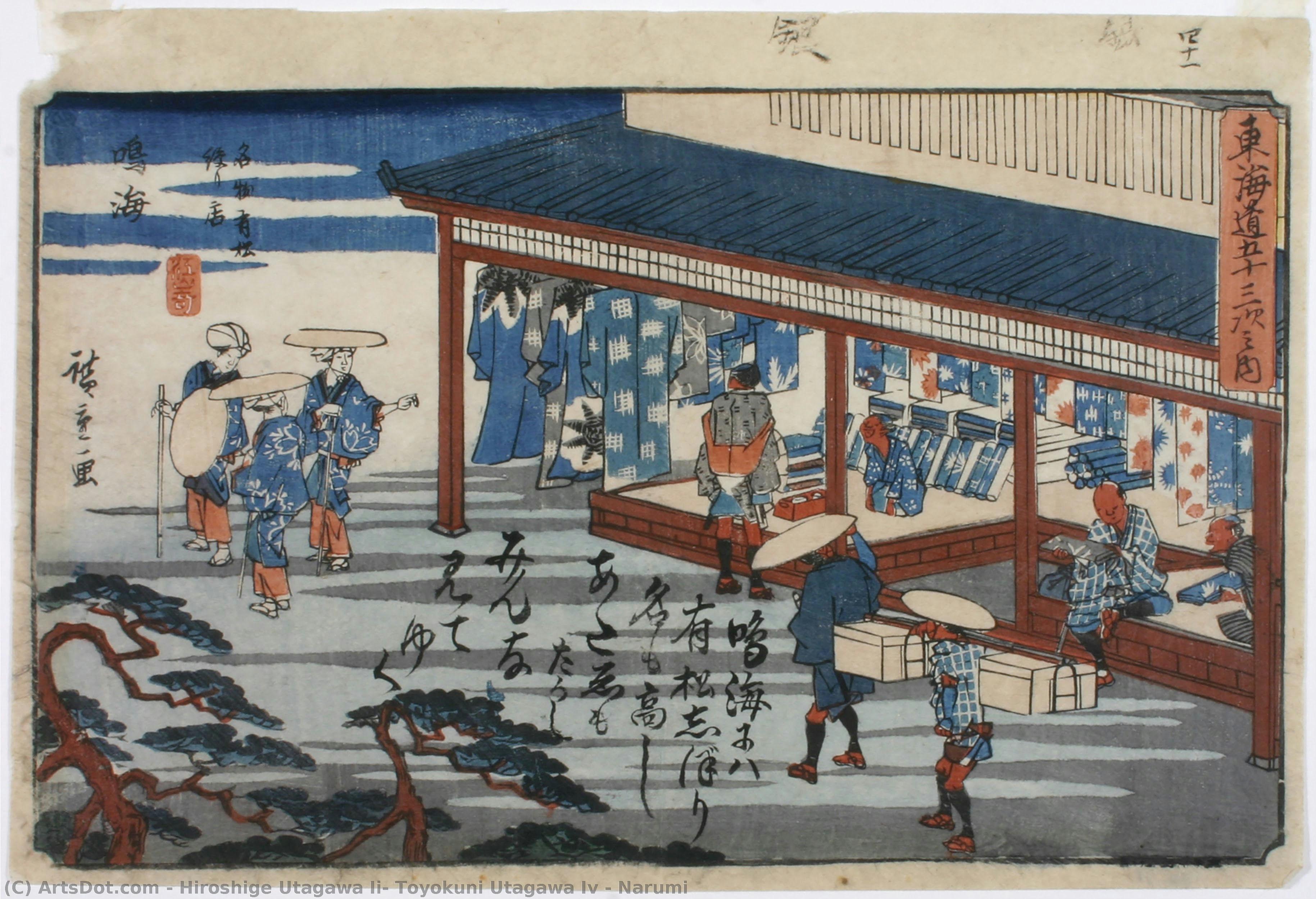
Narumi


 Pročitaj više
Kupite digitalnu sliku visoke rezolucije i poboljšanog kvaliteta, koja je znatno superiornija od onoga što vidite u online prikazu.
Svaka datoteka je pedantno pripremljena od strane naših stručnjaka koristeći napredne alate i profesionalnu ručnu retušu. Osiguravamo da svaka slika ima izuzetnu oštrinu, preciznu reprodukciju boja i fine detalje.
Konačna datoteka se dostavlja putem e-pošte u roku od 72 sata, optimizovana za neposrednu upotrebu u profesionalnim, izdavačkim i štamparskim okruženjima. To je isti kvalitet kojem veruju vrhunski studiji dizajna, izdavači i galerije.
Digitalna slika
Preuzmite datoteku visoke rezolucije za ličnu upotrebu, štampanje i kreativne projekte. ( Kupi print Kupi ručno naslikanu sliku)
Uključeno uz svaku porudžbinu digitalne slike
Profesionalna digitalna isporuka, zagarantovana
Kada odaberete ArtsDot.com, ne dobijate samo sliku – vi primate profesionalno unapređeno digitalno umetničko delo, izrađeno sa najvećom preciznošću i uz garanciju zadovoljstva. Evo svega što automatski dolazi uz vašu porudžbinu:

Brza dostava putem e-pošte
Vaša digitalna slika visoke rezolucije biće vam poslata putem e-pošte u roku od 72 sata od poručivanja – spremna za trenutnu upotrebu.

Digitalna datoteka unapređena veštačkom inteligencijom
Vaše umetničko delo je profesionalno optimizovano korišćenjem naprednih AI alata i ručne obrade, čime se osiguravaju maksimalni detalji, oštrina i preciznost boja.

Besplatna ponovna isporuka doživotno
Slučajno ste obrisali ili izgubili svoju datoteku? Ne brinite – poslaćemo vam je ponovo u bilo kom trenutku, potpuno besplatno.

Bez troškova uvoza – zauvek
Uživajte u svojim umetničkim delima trenutno, bez carine, dažbina ili troškova dostave – digitalni download je uvek bez poreza.

Garancija vernosti boja
Uz pomoć profesionalnih alata i upravljanja bojama, osiguravamo da vaša digitalna slika što vernije odražava originalne boje.

Garancija zadovoljstva u roku od 60 dana
Ako niste zadovoljni svojom digitalnom slikom, revidirat ćemo je ili vratiti 100% novca u roku od 60 dana – bez ikakvih pitanja.

100% garancija povrata novca
Niste zadovoljni? Obezbedite pun povrat novca u roku od 60 dana od trenutka kada ste primili svoju digitalnu datoteku – bez suvišnih pitanja.

Popusti na velike porudžbine
Kupite 3 slike, uštedite 10% - Kupite 5 slika, uštedite 15% - Kupite 10+ slika, uštedite 20%. Odlično za kreativne projekte, galerije i agencije.
Opis kolekcionarskog dela
Srodna umetnička dela
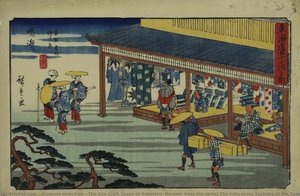
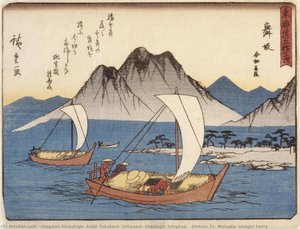
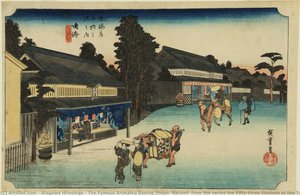
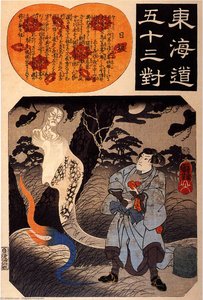
Biografija umetnika
Hiroshige Utagawa II and Toyokuni Utagawa IV: Masters of Edo Landscape
Hiroshige Utagawa II (1797 – 1858), alongside his collaborator Toyokuni Utagawa IV, stands as a pivotal figure in the history of Japanese art and printmaking—specifically, ukiyo-e. Their partnership revolutionized the genre, elevating it from mere decorative illustration to a powerful medium for conveying emotion and capturing the essence of Edo period Japan (1603–1868). Together they produced an unparalleled body of work that continues to inspire artists and captivate audiences worldwide.- Early Life & Training: Hiroshige’s birth name was Andō Tokutarō, born in Edo (modern Tokyo) into a family involved in textiles. Recognizing his artistic talent early on, he apprenticed under Katsushika Hokusai, arguably the most celebrated ukiyo-e artist of his time—a relationship that profoundly shaped Hiroshige’s aesthetic sensibilities and technical approach.
- The Utagawa School & Collaborative Spirit: Hiroshige joined the influential Utagawa school, established by Katsushika Mokuhōsai, where he honed his skills alongside Toyokuni IV. This collaborative environment fostered innovation and resulted in a distinctive visual style characterized by meticulous detail and atmospheric perspective—a hallmark of Edo-era landscape prints.
A Vision of Tranquility: Hiroshige’s Landscape Prints – The Tokaido Series
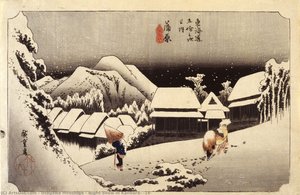
Hiroshige's fame rests largely upon his monumental Tokaido series (1830–1832), a meticulously planned depiction of the 67 stations along Japan’s ancient pilgrimage route from Edo to Kyoto. This ambitious undertaking demanded exceptional artistic skill and logistical organization, cementing Hiroshige’s reputation as a visionary artist who could transform ordinary scenes into sublime expressions of beauty. The series is renowned for its masterful use of atmospheric perspective—a technique pioneered by Hokusai—creating an illusion of depth that transports viewers directly into the landscapes depicted.Toyokuni IV: Capturing the Drama of Kabuki
While Hiroshige excelled at portraying serene landscapes, Toyokuni IV focused his artistic energies on kabuki theater prints—ukiyo-e depictions of performances that captivated audiences throughout Edo Japan. Unlike Hiroshige’s contemplative approach, Toyokuni IV sought to convey the dynamism and excitement of the stage, capturing fleeting expressions and dramatic poses with remarkable precision.Historical Significance & Enduring Appeal
Hiroshige Utagawa II and Toyokuni Utagawa IV's contribution to ukiyo-e transcends mere artistic achievement; they embodied the spirit of Edo Japan—a period marked by social stability, economic prosperity, and a burgeoning appreciation for beauty. Their prints offer invaluable insights into Japanese culture, society, and worldview during this transformative era.
Kratke činjenice
- Artistic Movement Or Style: Ukiyo-e
- Artists Or Movements Influenced By This Artist: ['Japanese Landscape Painting']
- Artists Who Influenced This Artist: ['Utagawa Hiroshige I']
- Date Of Death: October 12, 1858
- Full Name: Hiroshige Utagawa II
- Nationality: Japanese
- Notable Artworks:
- Tokaido Series
- Yotsugi-dori Canal
- Place Of Birth: Andō Tokutarō, Edo, Japan

