

 Pregledaj u prostoru
 Pošalji
 Podeli
 Detalji o delu

 Преузми
 Slični predmeti
 Rendgenski snimak
 Slajdovi
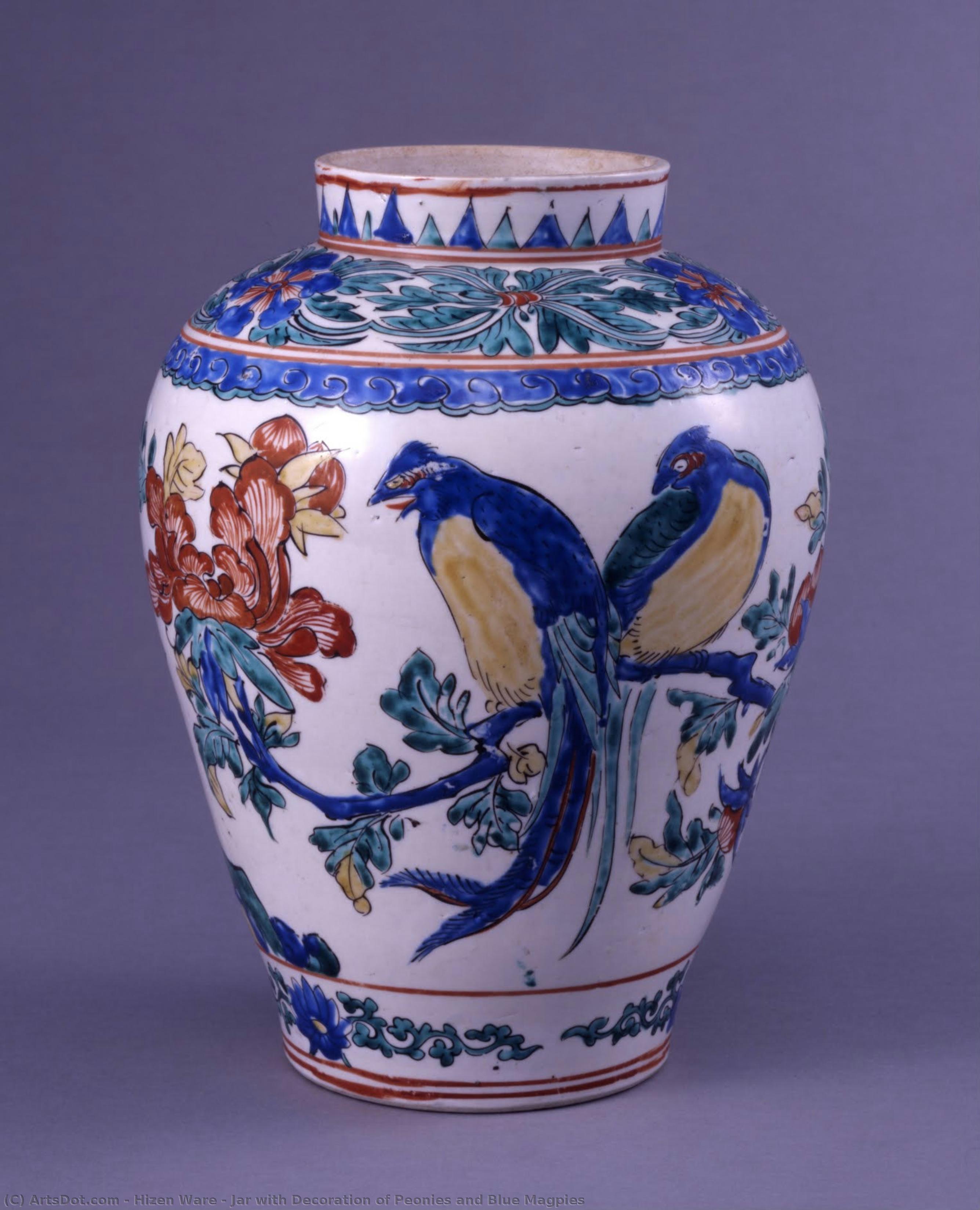
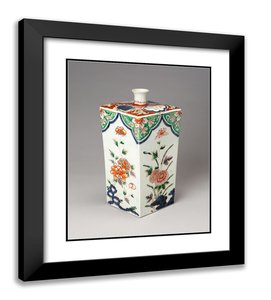
Jar with Decoration of Peonies and Blue Magpies


 Pročitaj više
Ručno rađena uljana reprodukcija
Ručno oslikano uljanim bojama na platnu u dimenzijama i okviru po vašem izboru, izrađeno po porudžbini od strane naših umetnika. ( Kupi print Kupi digitalnu sliku)




































Izaberite jednu od naših unapred definisanih veličina koje odgovaraju originalnim proporcijama umetničkog dela.

Можете унети сопствене димензије како бисте прилагодили дело одређеном оквиру или простору. Ако одабрана величина не одговара пропорцијама оригинала, слика ће бити исечена или проширена додатним елементима који се ручно насликавају. Дигитални prikaz ће вам бити послат на одобрење пре почетка производње.
Имајте на уму да преглед на екрану не одражава стварно исецање или проширење. Само приказ (mockup) ће тачно приказати коначну композицију.
Иако су доступне прилагођене величине, препоручујемо да одаберете димензију из дефинисане листе како бисте сачували оригиналне пропорције.
Nakon narudžbine, tim ArtsDot.com će klijentu putem e-pošte poslati uputstva i dostaviti prikaz predloženog rešenja
Isporuka širom sveta () za 3/4 nedelje umesto uobičajenih 5 nedelja. (30 август). Bez kompromisa po pitanju kvaliteta.

Besplatna ekspresna dostava širom sveta

Visokokvalitetno laneno platno

Kompletno osiguranje transporta

Garancija povraćaja carine i uvoznih dažbina

Garancija vernosti boja

Politika povrata u roku od 60 dana (samo u slučaju nedostataka)

Garancija povrata novca od 100%

Popust pri grupnoj kupovini
 Opcija sa staklom dostupna je samo za dimenzije manje od 110 cm

Jar with Decoration of Peonies and Blue Magpies
Tehnika reprodukcije
Dimenzije reprodukcije
-


Konačna cena
$ 263
Srodna umetnička dela
Biografija umetnika
The Enduring Legacy of Hizen Ware: A Tradition Forged in Clay
Born from the rich volcanic soil of Arita, Japan, in 1616, Hizen ware—also known as Arita ware—represents more than just a style of porcelain; it embodies a pivotal moment in Japanese artistic history. The story begins not with a single artist, but with a confluence of factors: the discovery of suitable kaolin clay, the arrival of skilled Korean potters following the Imjin War (1592-1598), and an insatiable demand for exquisite ceramics both domestically and abroad. While individual artisans contributed significantly to its evolution, Hizen ware is best understood as a collective achievement—a testament to generations of dedication, innovation, and collaborative spirit.
From Humble Beginnings to Global Phenomenon
The early decades of the 17th century witnessed a flurry of experimentation in Arita. The Korean potters, most notably Yi Sam-pyeong (Kanagae Sanbee), brought with them invaluable knowledge of porcelain production techniques honed over centuries. They adapted these skills to local materials and began producing wares that quickly gained recognition for their quality and refinement. Initially, the focus was on replicating Chinese porcelain styles—particularly blue-and-white designs favored by the burgeoning merchant class. However, Arita potters weren’t mere imitators. They subtly altered shapes, refined glazes, and introduced new decorative motifs, laying the foundation for a distinctly Japanese aesthetic.
The establishment of kilns in the eastern part of Arita, consolidated under the Saga clan's Sarayama Magistrate office in 1637, proved crucial to the ware’s development. This centralized system allowed for greater control over materials and labor, fostering consistency and innovation. By the mid-17th century, Hizen ware had become a major export commodity, traveling from the port of Imari—hence the often-used synonym “Imari ware”—to Europe via Dutch East India Company trade routes. The demand was staggering, transforming Arita into a thriving center of ceramic production and profoundly influencing European porcelain manufacturing.
A Kaleidoscope of Styles: Kakiemon, Nabeshima, and Beyond
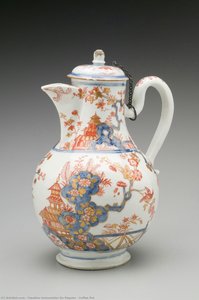
The success of Hizen ware wasn’t built on a single aesthetic. Instead, it flourished through diversification. The Kakiemon family kilns emerged as pioneers of *iro-nage*, a technique involving delicate overglaze enamels in vibrant reds, greens, and blues. Kakiemon wares are characterized by their refined brushwork, elegant floral designs, and subtle use of negative space—a style that captivated European collectors and inspired countless imitations. Simultaneously, the Nabeshima ware, produced exclusively for the Nabeshima clan, represented a different facet of Arita’s artistry. These pieces were known for their bold compositions, intricate patterns, and luxurious gold detailing, embodying the power and prestige of the ruling class.
Beyond Kakiemon and Nabeshima, numerous other styles emerged—from the colorful Kutani-type wares to the more restrained Shiro ware. This diversity reflects not only the creativity of individual potters but also the evolving tastes of both domestic and international markets. The ability to adapt and innovate while maintaining a commitment to quality was central to Hizen ware’s enduring appeal.
Techniques and Symbolism: A Harmonious Blend
The production of Hizen ware involved a complex process requiring the expertise of numerous artisans. From digging and preparing the clay to shaping, glazing, firing, and decorating, each stage demanded meticulous attention to detail. The use of underglaze blue, derived from cobalt imported from Persia, was initially dominant, but over time, potters mastered a wide range of overglaze enamels, creating vibrant palettes and intricate designs.
Symbolism played an important role in Hizen ware decoration. Floral motifs—peonies representing wealth and prosperity, chrysanthemums symbolizing longevity, and bamboo signifying resilience—were common themes. The inclusion of auspicious animals, such as cranes and phoenixes, further enhanced the pieces’ symbolic meaning. These decorative elements weren't merely aesthetic choices; they were carefully selected to convey specific messages and aspirations.
A Continuing Tradition: Hizen Ware in the Modern Era
Despite facing challenges—including economic fluctuations and changing consumer preferences—Hizen ware has endured as a vital part of Japan’s artistic heritage. Today, numerous kilns continue to operate in Arita, preserving traditional techniques while also embracing contemporary designs. The legacy of Hizen ware extends far beyond the realm of ceramics. It represents a remarkable story of cultural exchange, artistic innovation, and the enduring power of craftsmanship. From its humble beginnings as an imitation of Chinese porcelain to its status as a globally recognized art form, Hizen ware continues to inspire awe and admiration—a testament to the skill and dedication of generations of Japanese artisans.
hizen ware
1616 - , Japan
Osnovne informacije
- Artistic Movement Or Style: Japanese porcelain
- Date Of Birth: 1616
- Full Name: Hizen ware
- Nationality: Japanese
- Notable Artworks: ['Jar with Decoration of Peonies and Blue Magpies']
- Place Of Birth: Arita, Japan
Povezani članci
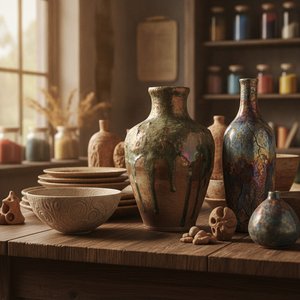
The Alchemy of Clay: A Collector's Guide to the Mastery, Texture, and Timeless Form of Ceramic Art
Discover the profound beauty of ceramic art. Our expert guide explores the alchemy of clay, texture, and glaze, offering collectors deep insights into mastering earth and fire to create timeless, sculptural masterpieces for any curated collection.
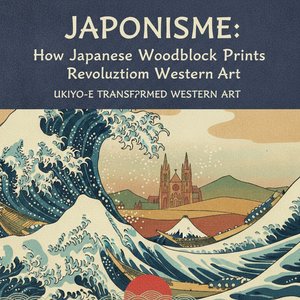
Japonisme: How Japanese Woodblock Prints Revolutionized Western Art
Explore the profound impact of Japonisme on Western art. Discover how Japanese ukiyo-e woodblock prints revolutionized perspective, color, and composition for masters like Monet and Van Gogh, forever changing the course of modern art history.
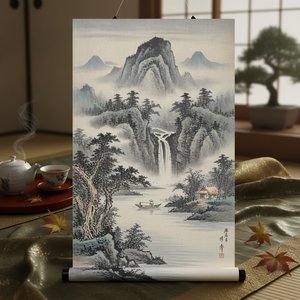
Serenity on Canvas: A Guide to the Timeless Beauty of Japanese Landscape Painting
Discover the serene beauty of Japanese landscape painting. From Hokusai's iconic woodblock prints to meditative sumi-e ink washes, explore a visual journey through the 'floating world' and learn how to bring this timeless Zen aesthetic into your modern home decor.

Katsushika Hokusai: 25 Remek-dela Japanskog Umetnika za Vaš Dom | ArtsDot
Uronite u svet Katsushike Hokusaija! Otkrijte 25 remek-dela japanskog umetnika, uključujući čuveni 'Veliki talas'. Ukiyo-e štampe, pejzaži i istorija iza svakog dela. Pronađite inspiraciju za dekor enterijera i kupite reprodukcije slika vrhunskog kvaliteta na ArtsDot.com.
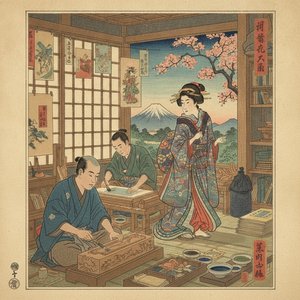
Floating World: The Captivating Art and Legacy of Japanese Ukiyo-e
Explore the profound beauty of Japanese Ukiyo-e. Discover the history, masters like Hokusai, and the enduring legacy of the 'Floating World' through an expert art-historical lens.

