

 Pregledaj u prostoru
 Pošalji
 Podeli
 Detalji o delu

 Преузми
 Slični predmeti
 Rendgenski snimak
 Slajdovi
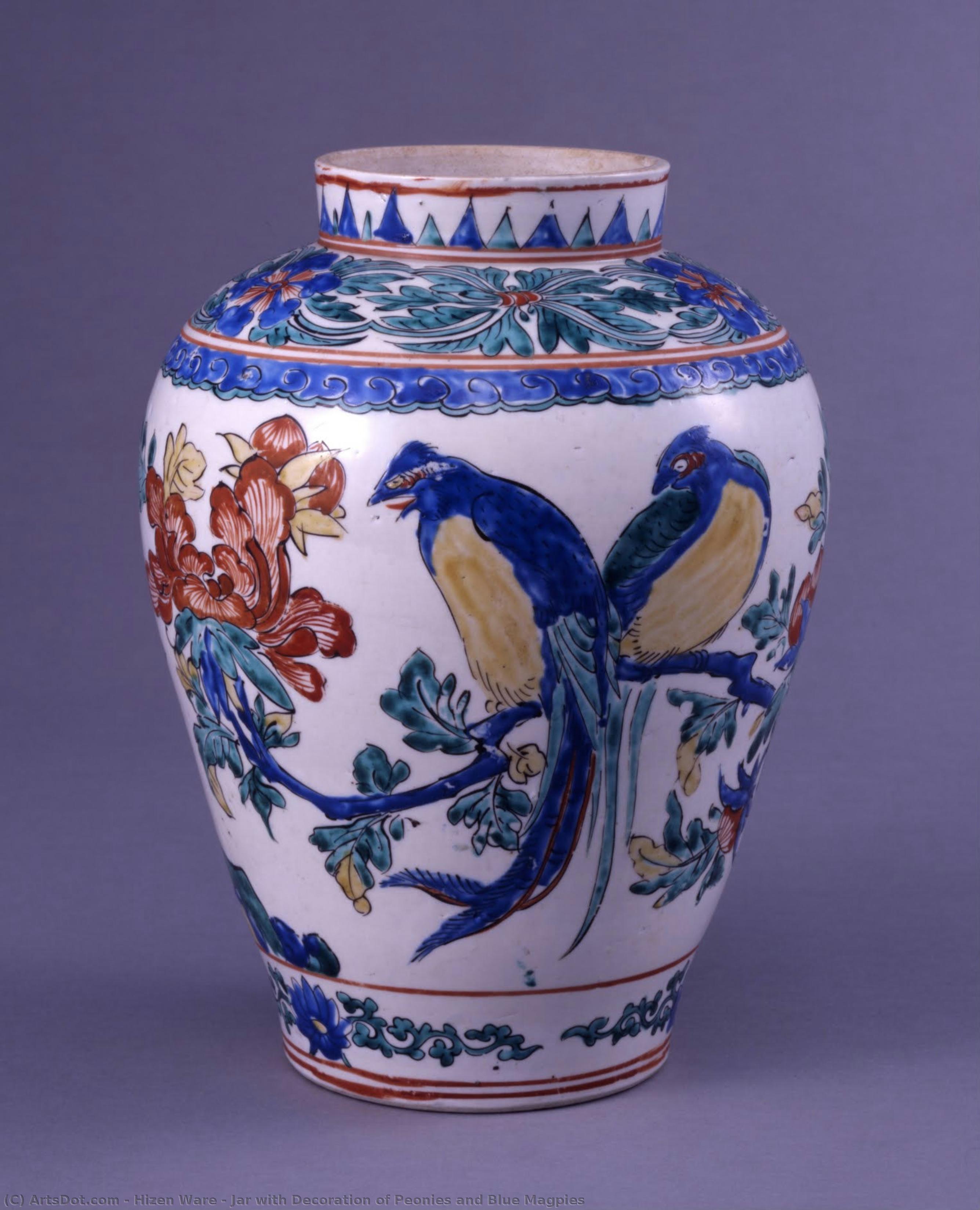
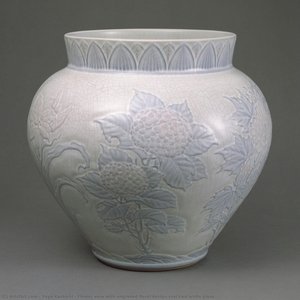
Jar with Decoration of Peonies and Blue Magpies


 Pročitaj više
Kupite digitalnu sliku visoke rezolucije i poboljšanog kvaliteta, koja je znatno superiornija od onoga što vidite u online prikazu.
Svaka datoteka je pedantno pripremljena od strane naših stručnjaka koristeći napredne alate i profesionalnu ručnu retušu. Osiguravamo da svaka slika ima izuzetnu oštrinu, preciznu reprodukciju boja i fine detalje.
Konačna datoteka se dostavlja putem e-pošte u roku od 72 sata, optimizovana za neposrednu upotrebu u profesionalnim, izdavačkim i štamparskim okruženjima. To je isti kvalitet kojem veruju vrhunski studiji dizajna, izdavači i galerije.
Digitalna slika
Preuzmite datoteku visoke rezolucije za ličnu upotrebu, štampanje i kreativne projekte. ( Kupi print Kupi ručno naslikanu sliku)
Uključeno uz svaku porudžbinu digitalne slike
Profesionalna digitalna isporuka, zagarantovana
Kada odaberete ArtsDot.com, ne dobijate samo sliku – vi primate profesionalno unapređeno digitalno umetničko delo, izrađeno sa najvećom preciznošću i uz garanciju zadovoljstva. Evo svega što automatski dolazi uz vašu porudžbinu:

Brza dostava putem e-pošte
Vaša digitalna slika visoke rezolucije biće vam poslata putem e-pošte u roku od 72 sata od poručivanja – spremna za trenutnu upotrebu.

Digitalna datoteka unapređena veštačkom inteligencijom
Vaše umetničko delo je profesionalno optimizovano korišćenjem naprednih AI alata i ručne obrade, čime se osiguravaju maksimalni detalji, oštrina i preciznost boja.

Besplatna ponovna isporuka doživotno
Slučajno ste obrisali ili izgubili svoju datoteku? Ne brinite – poslaćemo vam je ponovo u bilo kom trenutku, potpuno besplatno.

Bez troškova uvoza – zauvek
Uživajte u svojim umetničkim delima trenutno, bez carine, dažbina ili troškova dostave – digitalni download je uvek bez poreza.

Garancija vernosti boja
Uz pomoć profesionalnih alata i upravljanja bojama, osiguravamo da vaša digitalna slika što vernije odražava originalne boje.

Garancija zadovoljstva u roku od 60 dana
Ako niste zadovoljni svojom digitalnom slikom, revidirat ćemo je ili vratiti 100% novca u roku od 60 dana – bez ikakvih pitanja.

100% garancija povrata novca
Niste zadovoljni? Obezbedite pun povrat novca u roku od 60 dana od trenutka kada ste primili svoju digitalnu datoteku – bez suvišnih pitanja.

Popusti na velike porudžbine
Kupite 3 slike, uštedite 10% - Kupite 5 slika, uštedite 15% - Kupite 10+ slika, uštedite 20%. Odlično za kreativne projekte, galerije i agencije.
Srodna umetnička dela
Biografija umetnika
The Enduring Legacy of Hizen Ware: A Tradition Forged in Clay
Born from the rich volcanic soil of Arita, Japan, in 1616, Hizen ware—also known as Arita ware—represents more than just a style of porcelain; it embodies a pivotal moment in Japanese artistic history. The story begins not with a single artist, but with a confluence of factors: the discovery of suitable kaolin clay, the arrival of skilled Korean potters following the Imjin War (1592-1598), and an insatiable demand for exquisite ceramics both domestically and abroad. While individual artisans contributed significantly to its evolution, Hizen ware is best understood as a collective achievement—a testament to generations of dedication, innovation, and collaborative spirit.
From Humble Beginnings to Global Phenomenon
The early decades of the 17th century witnessed a flurry of experimentation in Arita. The Korean potters, most notably Yi Sam-pyeong (Kanagae Sanbee), brought with them invaluable knowledge of porcelain production techniques honed over centuries. They adapted these skills to local materials and began producing wares that quickly gained recognition for their quality and refinement. Initially, the focus was on replicating Chinese porcelain styles—particularly blue-and-white designs favored by the burgeoning merchant class. However, Arita potters weren’t mere imitators. They subtly altered shapes, refined glazes, and introduced new decorative motifs, laying the foundation for a distinctly Japanese aesthetic.
The establishment of kilns in the eastern part of Arita, consolidated under the Saga clan's Sarayama Magistrate office in 1637, proved crucial to the ware’s development. This centralized system allowed for greater control over materials and labor, fostering consistency and innovation. By the mid-17th century, Hizen ware had become a major export commodity, traveling from the port of Imari—hence the often-used synonym “Imari ware”—to Europe via Dutch East India Company trade routes. The demand was staggering, transforming Arita into a thriving center of ceramic production and profoundly influencing European porcelain manufacturing.
A Kaleidoscope of Styles: Kakiemon, Nabeshima, and Beyond
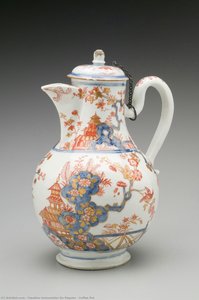
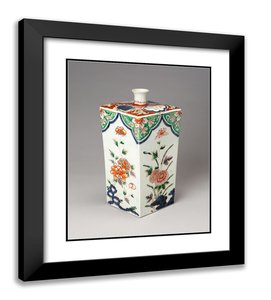
The success of Hizen ware wasn’t built on a single aesthetic. Instead, it flourished through diversification. The Kakiemon family kilns emerged as pioneers of *iro-nage*, a technique involving delicate overglaze enamels in vibrant reds, greens, and blues. Kakiemon wares are characterized by their refined brushwork, elegant floral designs, and subtle use of negative space—a style that captivated European collectors and inspired countless imitations. Simultaneously, the Nabeshima ware, produced exclusively for the Nabeshima clan, represented a different facet of Arita’s artistry. These pieces were known for their bold compositions, intricate patterns, and luxurious gold detailing, embodying the power and prestige of the ruling class.
Beyond Kakiemon and Nabeshima, numerous other styles emerged—from the colorful Kutani-type wares to the more restrained Shiro ware. This diversity reflects not only the creativity of individual potters but also the evolving tastes of both domestic and international markets. The ability to adapt and innovate while maintaining a commitment to quality was central to Hizen ware’s enduring appeal.
Techniques and Symbolism: A Harmonious Blend
The production of Hizen ware involved a complex process requiring the expertise of numerous artisans. From digging and preparing the clay to shaping, glazing, firing, and decorating, each stage demanded meticulous attention to detail. The use of underglaze blue, derived from cobalt imported from Persia, was initially dominant, but over time, potters mastered a wide range of overglaze enamels, creating vibrant palettes and intricate designs.
Symbolism played an important role in Hizen ware decoration. Floral motifs—peonies representing wealth and prosperity, chrysanthemums symbolizing longevity, and bamboo signifying resilience—were common themes. The inclusion of auspicious animals, such as cranes and phoenixes, further enhanced the pieces’ symbolic meaning. These decorative elements weren't merely aesthetic choices; they were carefully selected to convey specific messages and aspirations.
A Continuing Tradition: Hizen Ware in the Modern Era
Despite facing challenges—including economic fluctuations and changing consumer preferences—Hizen ware has endured as a vital part of Japan’s artistic heritage. Today, numerous kilns continue to operate in Arita, preserving traditional techniques while also embracing contemporary designs. The legacy of Hizen ware extends far beyond the realm of ceramics. It represents a remarkable story of cultural exchange, artistic innovation, and the enduring power of craftsmanship. From its humble beginnings as an imitation of Chinese porcelain to its status as a globally recognized art form, Hizen ware continues to inspire awe and admiration—a testament to the skill and dedication of generations of Japanese artisans.
hizen ware
1616 - , Japan
Kratke činjenice
- Artistic Movement Or Style: Japanese porcelain
- Date Of Birth: 1616
- Full Name: Hizen ware
- Nationality: Japanese
- Notable Artworks: ['Jar with Decoration of Peonies and Blue Magpies']
- Place Of Birth: Arita, Japan

