

 Pregledaj u prostoru
 Pošalji
 Podeli
 Detalji o delu

 Преузми
 Slični predmeti
 Rendgenski snimak
 Slajdovi
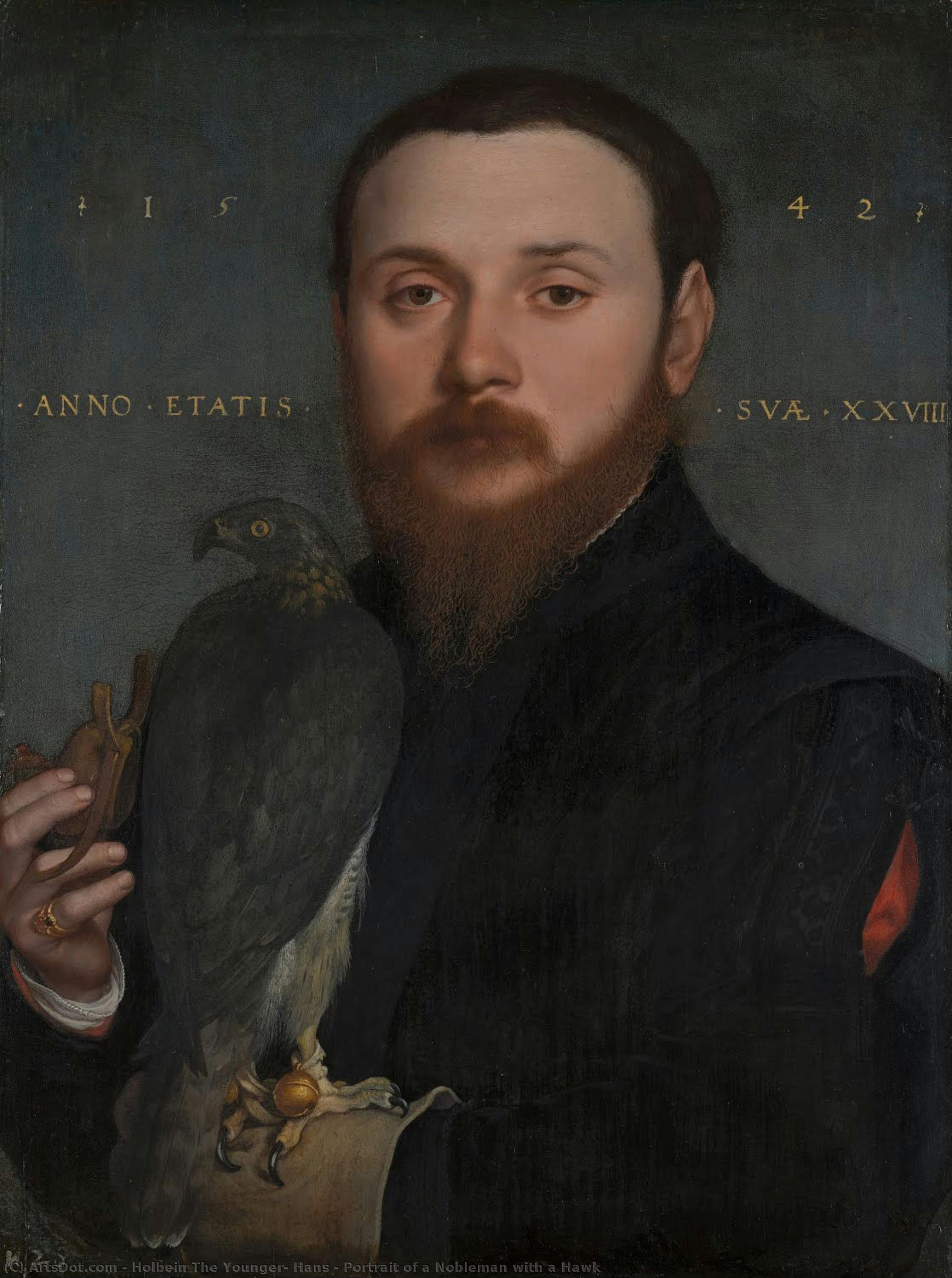
Portrait of a Nobleman with a Hawk
 Oil On Panel
- Northern Renaissance
 1542
1542 24.0 x 18.0 cm
 Мауритшhuis
 Pročitaj više
Giclee štampa / Umetnički otisak
Giclée štampa ili print na platnu muzejskog kvaliteta uz brzu proizvodnju i fleksibilne opcije završne obrade. ( Kupi ručno naslikanu sliku Kupi digitalnu sliku)




P118B $10

P118H $10

P118W $10

P438Z $10

P508JH $12

P508YH $12

P805H $10

P805Z $10

P919BZ $10

P919G $10

P919XJ $10

P959ZH $10

P968JZ $12

W106C $8

W218G $10

W218JH $8

W218Y $10

W307PJ $10

W316G $10

W316PJ $8

W316Y $10

W398PJ $8

W4111J $10

W500HY $15

W500JH $15

W692G $12

W849H $8

W940BG $15

W953PJ $8




Izaberite jednu od naših unapred definisanih veličina koje odgovaraju originalnim proporcijama umetničkog dela.

Možete uneti sopstvene dimenzije kako biste umetničko delo prilagodili specifičnom okviru ili prostoru. Ako odabrani format ne odgovara proporcijama originalne slike, mi ćemo ili iscrtati deo dela ili proširiti sliku pomoću ogledane ivice ili jednobojnog popunjavanja. Digitalni prikaz će vam biti poslat na odobrenje pre početka proizvodnje.
Imajte na umu da pregled na ekranu ne odražava stvarno iscrtavanje ili proširivanje. Samo će prikaz (mockup) precizno pokazati finalnu kompoziciju.
Iako su prilagođene dimenzije dostupne, preporučujemo da odaberete dimenziju sa unapred definisane liste kako biste očuvali originalne proporcije.
Dostava širom sveta () za 2 nedelje umesto uobičajenih 4/5 nedelja. (1 септембар)

Besplatna ekspresna dostava širom sveta

Visokokvalitetno laneno platno

Kompletno osiguranje transporta

Garancija povraćaja carine i uvoznih dažbina

Garancija vernosti boja

Politika povrata u roku od 60 dana (samo u slučaju nedostataka)

Garancija povrata novca od 100%

Popust pri grupnoj kupovini
 Opcija sa staklom dostupna je samo za dimenzije manje od 110 cm

Portrait of a Nobleman with a Hawk
Giclee štampa / Umetnički otisak
Dimenzije reprodukcije
-


Konačna cena
$ 62
A Portrait Steeped in Power and Observation: Hans Holbein’s “Portrait of a Nobleman with a Hawk”
The Mauritshuis museum in The Hague houses a painting that transcends mere representation—Hans Holbein the Younger's "Portrait of a Nobleman with a Hawk," completed in 1542, is an exquisite distillation of Renaissance humanism and aristocratic ambition. More than just a likeness of a man, it’s a carefully constructed tableau designed to convey status, intellect, and a subtle awareness of the natural world – elements that continue to fascinate art historians and collectors alike.The Artist's Vision: Holbein's Northern Renaissance Style
Holbein, born in Augsburg around 1497, established himself as a master draftsman and painter during the burgeoning Northern Renaissance movement. Unlike his Italian contemporaries who favored idealized beauty, Holbein prioritized anatomical accuracy and meticulous detail, drawing heavily upon Leonardo da Vinci’s scientific approach to art. This dedication to observation is palpable throughout “Portrait of a Nobleman,” where every line and shadow contributes to an impression of profound realism. His style wasn't merely about replicating what was seen; it was about capturing the essence of human character—a feat achieved with remarkable subtlety.Technique and Materials: Oil on Panel – Precision and Depth
The painting itself is executed in oil paint on panel, a technique favored by Holbein for its ability to produce rich colors and impressive textural depth. The artist skillfully blended pigments to achieve nuanced gradations of tone, capturing the subtle sheen of fabric and the texture of hair with astonishing precision. This meticulous layering of paint allowed Holbein to create an image that feels both luminous and grounded—a testament to his mastery of artistic craft. Careful attention was paid to the composition; the nobleman’s pose is deliberately restrained, conveying dignity and composure while simultaneously directing the viewer's gaze towards the hawk perched on his arm.Symbolism: The Hawk – A Sign of Nobility and Foresight
The inclusion of a hawk isn’t merely decorative; it carries significant symbolic weight within Renaissance iconography. Hawks represent nobility, vigilance, and keen observation—qualities deemed essential for leadership and intellectual pursuits. Placing the bird prominently on the nobleman's arm underscores these virtues, suggesting that he possesses both power and wisdom. Furthermore, hawks were associated with foresight and strategic thinking – qualities highly valued in aristocratic circles during Holbein’s time. The hawk serves as a visual metaphor for the subject’s inner life and aspirations.Historical Context: Tudor England and Humanist Ideals
“Portrait of a Nobleman with a Hawk” was created during Henry VIII's reign, a period marked by significant political upheaval and intellectual ferment. Holbein had arrived in England in 1526, welcomed into the humanist circle surrounding Thomas More—a figure who championed reason and human dignity as counterweights to religious dogma. This engagement with humanist ideals is evident in the painting’s restrained demeanor and its focus on portraying the individual mind. The portrait reflects the broader cultural currents of the era, demonstrating a fascination with classical learning and an aspiration for artistic excellence.Emotional Impact: A Window into Renaissance Dignity
Ultimately, “Portrait of a Nobleman with a Hawk” succeeds in conveying a profound sense of dignity and intellectual contemplation. Holbein’s masterful depiction captures not just physical appearance but also psychological character—a feat that speaks to the enduring power of portraiture as a form of artistic expression. The painting invites viewers to consider questions of identity, ambition, and the relationship between man and nature – themes that resonate powerfully across centuries. It remains an unforgettable image of Renaissance sophistication and a testament to Holbein’s unparalleled skill in capturing the human spirit.Srodna umetnička dela
Biografija umetnika
early life and career
hans holbein the younger, a german-swiss painter and printmaker, was born in augsburg, germany, around 1497. he worked in a northern renaissance style, renowned for his precise renderings of drawings. holbein's early career began in basel, switzerland, where he apprenticed with hans herbster, a leading painter.rise to prominence
holbein's big break came when he painted portraits of the humanist desiderius erasmus of rotterdam. this led to his international recognition and a recommendation from erasmus to work in england. in 1526, holbein traveled to england, where he was welcomed into the humanist circle of thomas more.notable works and patrons
* the ambassadors (1533), a famous painting featuring two envoys, is one of holbein's most recognized works. * portrait of henry viii, a masterpiece showcasing the king's authority, is a testament to holbein's skill in capturing the essence of his subjects.- holbein's art was prized from early in his career, with french poet and reformer nicholas bourbon dubbing him "the apelles of our time."
- by 1535, holbein became king's painter to king henry viii, producing not only portraits but also designs for jewelry, plate, and other precious objects.
- his portraits of the royal family and nobles are a record of the court during henry's supremacy over the english church.
legacy and museum collections
holbein's art can be found in various museums, including: * the national gallery, london, which features several of his notable works. * the louvre, paris, has an extensive collection of holbein's paintings and prints.- view hans holbein the younger's artworks on ArtsDot.
- read more about holbein's life and work on wikipedia.
conclusion
hans holbein the younger's impact on the art world is undeniable. his precise renderings and captivating portraits have made him a master of northern renaissance. explore his works and legacy through the provided links to gain a deeper understanding of this remarkable artist. important dates: * born: 1497, augsburg, germany * died: 1543, london, england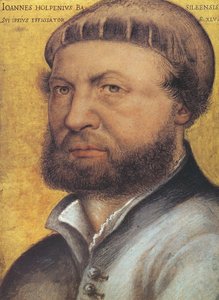
holbein the younger, hans
1497 - 1543 , Germany
Osnovne informacije
- Artistic Movement Or Style: Northern Renaissance
- Artists Or Movements Influenced By This Artist: ['Renaissance']
- Artists Who Influenced This Artist: ['Hans Herbster']
- Date Of Birth: c. 1497
- Date Of Death: October or November 1543
- Full Name: Hans Holbein the Younger
- Nationality: German, Swiss
- Notable Artworks:
- The Ambassadors
- Portrait of Henry VIII
- Place Of Birth: Augsburg, Germany
Povezani članci
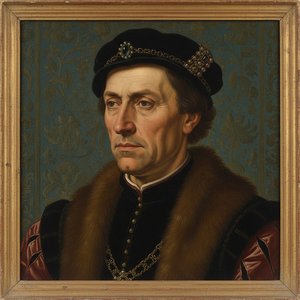
Hans Holbein the Younger: A Renaissance Portraitist's Mastery of Realism & Psychological Insight
Explore the life & art of Hans Holbein the Younger, a Renaissance master renowned for his strikingly realistic portraits and psychological insight. Discover iconic works like 'The Ambassadors' and delve into his lasting legacy.
Oil on Panel Masters: 10 Paintings That Revolutionized Art |
Journey through 10 legendary 'Oil on Panel' masterpieces by Van Eyck, Bosch & Bruegel. Explore the stories behind these iconic Renaissance & Baroque paintings and find museum-quality art reproductions to elevate your home decor. Discover all masterpieces on !
Oil on Panel: A Historical Survey of Technique, Support & Aesthetic Evolution
Explore the rich history of oil on panel painting! Discover Renaissance techniques, support structures & aesthetic evolution. Expert insights for art collectors and enthusiasts.
Oil on Panel: A Historical Survey of Technique, Support, and Aesthetic Impact
Explore the rich history of oil on panel painting! Discover Renaissance techniques, support construction, & the enduring legacy of this masterful art form. Expert insights for collectors and enthusiasts.

The Enduring Legacy of Oil on Canvas: Technique, History & Aesthetic Impact
Explore the rich history & techniques of oil painting – from Renaissance masters to Impressionism. Discover pigments, layering methods, and why this timeless medium endures. Expert insights for artists & art enthusiasts.

