

 Pregledaj u prostoru
 Pošalji
 Podeli
 Detalji o delu

 Преузми
 Slični predmeti
 Rendgenski snimak
 Slajdovi
 Statistika
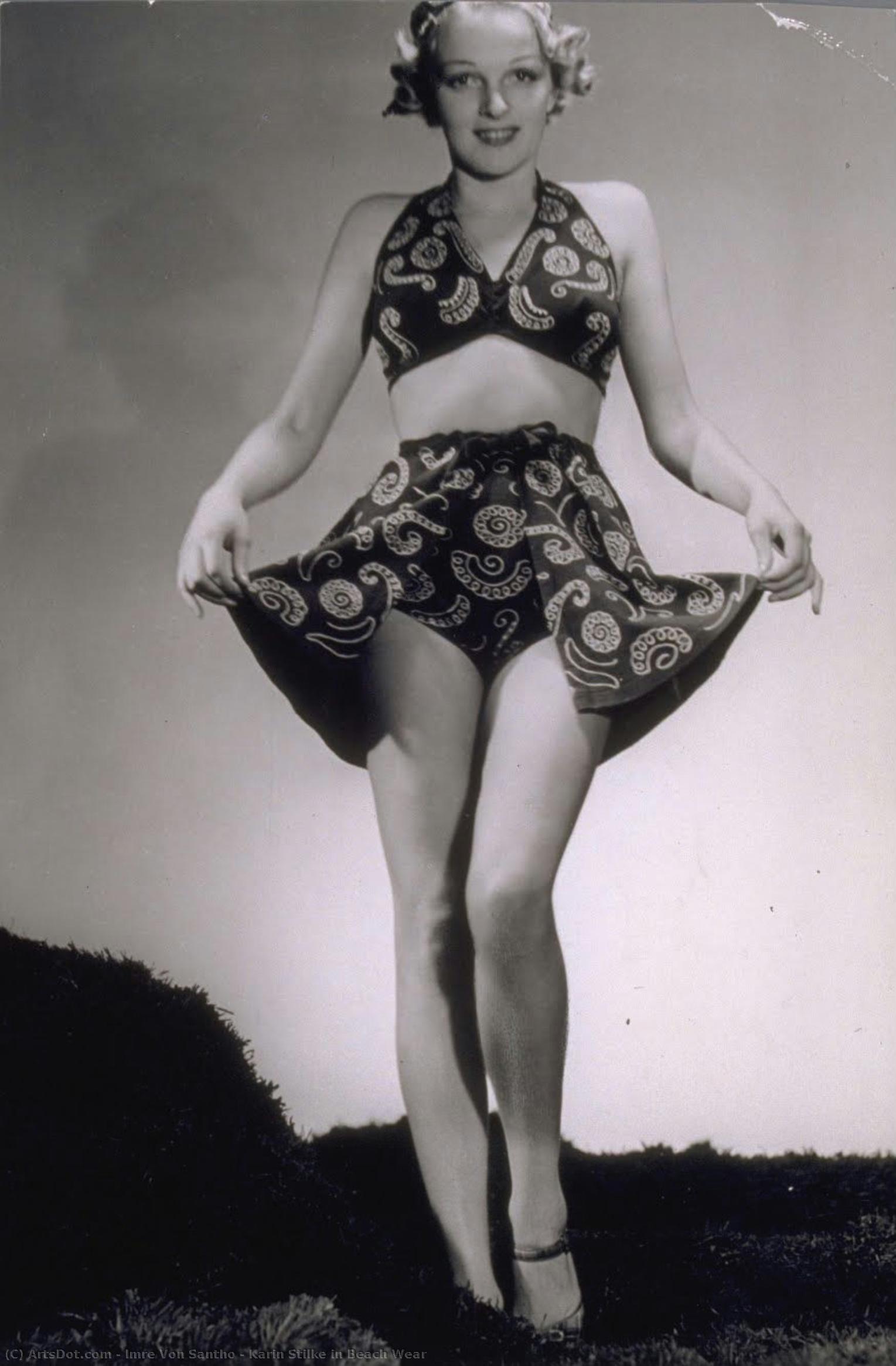
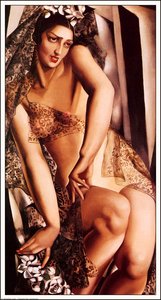
Karin Stilke in Beach Wear
 1937
1937 26.0 x 17.0 cm
 Pročitaj više
Ručno rađena uljana reprodukcija
Ručno oslikano uljanim bojama na platnu u dimenzijama i okviru po vašem izboru, izrađeno po porudžbini od strane naših umetnika. ( Pređi na štampu Pređi na digitalnu sliku)




































Izaberite jednu od naših unapred definisanih veličina koje odgovaraju originalnim proporcijama umetničkog dela.

Можете унети сопствене димензије како бисте прилагодили дело одређеном оквиру или простору. Ако одабрана величина не одговара пропорцијама оригинала, слика ће бити исечена или проширена додатним елементима који се ручно насликавају. Дигитални prikaz ће вам бити послат на одобрење пре почетка производње.
Имајте на уму да преглед на екрану не одражава стварно исецање или проширење. Само приказ (mockup) ће тачно приказати коначну композицију.
Иако су доступне прилагођене величине, препоручујемо да одаберете димензију из дефинисане листе како бисте сачували оригиналне пропорције.
Nakon narudžbine, tim ArtsDot.com će klijentu putem e-pošte poslati uputstva i dostaviti prikaz predloženog rešenja
Isporuka širom sveta () za 3/4 nedelje umesto uobičajenih 5 nedelja. (8 септембар). Bez kompromisa po pitanju kvaliteta.

Besplatna ekspresna dostava širom sveta

Visokokvalitetno laneno platno

Kompletno osiguranje transporta

Garancija povraćaja carine i uvoznih dažbina

Garancija vernosti boja

Politika povraćaja u roku od 100 dana (isključivo u slučaju nedostataka)

Garancija povrata novca od 100%

Popust pri grupnoj kupovini
 Opcija sa staklom dostupna je samo za dimenzije manje od 110 cm

Karin Stilke in Beach Wear
Tehnika reprodukcije
Dimenzije reprodukcije
-


Konačna cena
$ 263
Srodna umetnička dela






Biografija umetnika
A Life in Light and Shadow: Imre von Santho and the Elegance of Interwar Europe
Imre Szántó, known to the world as Imre von Santho, was a figure who embodied the glamour and underlying anxieties of a continent poised between eras. Born in Budapest in 1895, his journey led him from the vibrant artistic circles of Hungary to the bustling metropolises of Berlin and Vienna – cities that would become both his canvas and his muse. While officially documented as a fashion photographer and illustrator, Santho’s story is far more nuanced, interwoven with threads of eroticism, political currents, and a remarkable ability to capture the spirit of a generation. He navigated a complex landscape, leaving behind a legacy of striking images that continue to fascinate and provoke discussion today. His early life in Budapest provided a foundation for his artistic sensibilities, though details remain somewhat elusive. The move to Berlin after World War I proved pivotal; it was here he began to forge his professional identity, adopting the more sophisticated moniker “Imre von Santho” for his commercial work and signing his more intimate illustrations as "I. de Chanteau." This duality hints at a deliberate separation between his public persona and a hidden artistic exploration of sensuality.The Berlin Years: Agency Work and Artistic Flourishing
The 1920s saw Santho establish himself within the thriving German art scene. He quickly became associated with Agentur Schostal, a prominent photographic agency headquartered in Vienna but boasting branches across Europe – Paris, Milan, Stockholm, and of course, Berlin. This affiliation was crucial to his success, providing access to a wide network of clients including leading fashion magazines such as Die Dame, Die Woche, and Uhu. Santho’s work during this period wasn't merely about documenting clothing; it was about constructing an image of modern femininity, one that balanced sophistication with a subtle undercurrent of desire. He possessed a keen eye for composition, utilizing dramatic lighting and elegant posing to elevate his subjects beyond simple models. His studio on Tiergartenstrasse became a hub for creative energy, attracting collaborators like the celebrated German “supermodel” Karen Stilke. The agency’s success throughout the 1930s was predicated on providing images relating to culture, fashion, and glamour – Santho was instrumental in delivering this vision. However, beneath the surface of artistic flourishing lay a growing political tension that would soon cast a long shadow over his career.Navigating Troubled Times: Collaboration and Controversy
The rise of Nazism presented an unprecedented challenge for artists across Germany. Santho’s story during this period is particularly complex and fraught with contradictions. While he ostensibly left Germany after Hitler's ascent, evidence suggests a continued presence in Berlin well into the late 1930s and even the early 1940s. This has led to speculation regarding his relationship with key figures within the Nazi regime, most notably Magda Goebbels. He was reportedly friendly with her, and some of his fashion photography from this era bears dates that challenge the narrative of a complete departure. In 1933, Goebbels established the Deutsches Modeamt (German Fashion Office) under the Ministry of Propaganda; while she was later dismissed from this role, Santho’s continued work for Der Silberspiegel, an officially sanctioned journal, raises questions about his level of collaboration. Despite the suspension of many luxury magazines in 1939, he remained a key figure in fashion photography, suggesting a degree of accommodation with the prevailing political climate.A Legacy of Elegance and Enigma
Imre von Santho’s life came to a tragic end in Frankfurt/Main in 1957. The circumstances surrounding his death remain somewhat unclear, though it is believed he took his own life out of fear of retribution due to his Jewish connections and past associations. His work, however, has experienced a resurgence in recent years, gaining recognition for its artistic merit and historical significance. Exhibitions such as “Vanity: Fashion Photography from the F.C. Gundlach Collection” at the National Museum in Kraków have brought his images to a wider audience. Santho’s photographs are not simply relics of a bygone era; they offer a glimpse into the complex social and political landscape of interwar Europe, capturing both the elegance and the underlying anxieties of a continent on the brink of change.- Key Characteristics: Dramatic lighting, elegant posing, focus on modern femininity, subtle eroticism.
- Influences: Art Deco style, Bauhaus aesthetics, the broader cultural currents of interwar Europe.
- Major Achievements: Establishing a successful career as a fashion photographer and illustrator in Berlin and Vienna, capturing the spirit of the interwar era, creating striking images that continue to resonate today.
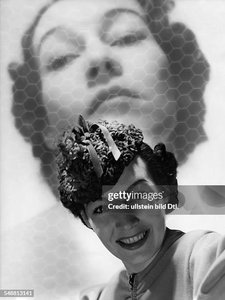
imre von santho
1895 - 1957 , Hungary
Osnovne informacije
- Artistic Movement Or Style: Fashion photography
- Date Of Birth: 1895
- Date Of Death: 1957
- Full Name: Imre von Santho
- Nationality: Hungarian
- Notable Artworks:
- Woman in Evening Gown
- Woman in Jacket
- Jabot
- Place Of Birth: Budapest, Hungary