

 Pregledaj u prostoru
 Pošalji
 Podeli
 Detalji o delu

 Преузми
 Slični predmeti
 Rendgenski snimak
 Slajdovi
 Statistika
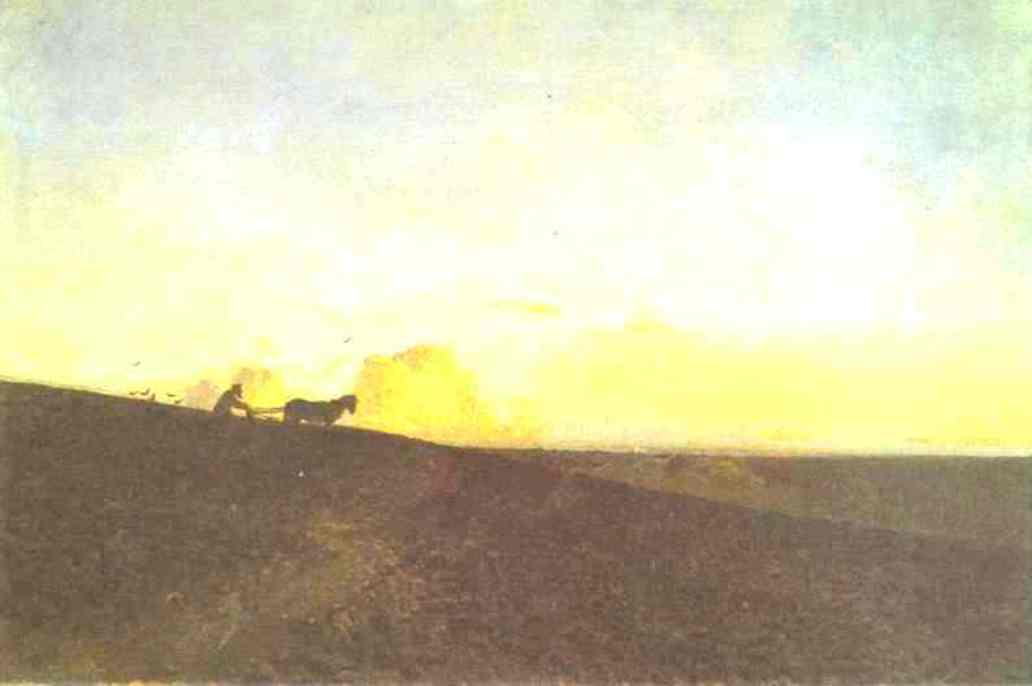
Evening in the Field


 Pročitaj više
Kupite digitalnu sliku visoke rezolucije i poboljšanog kvaliteta, koja je znatno superiornija od onoga što vidite u online prikazu.
Svaka datoteka je pedantno pripremljena od strane naših stručnjaka koristeći napredne alate i profesionalnu ručnu retušu. Osiguravamo da svaka slika ima izuzetnu oštrinu, preciznu reprodukciju boja i fine detalje.
Konačna datoteka se dostavlja putem e-pošte u roku od 72 sata, optimizovana za neposrednu upotrebu u profesionalnim, izdavačkim i štamparskim okruženjima. To je isti kvalitet kojem veruju vrhunski studiji dizajna, izdavači i galerije.
Digitalna slika
Preuzmite datoteku visoke rezolucije za ličnu upotrebu, štampanje i kreativne projekte. ( Pređi na štampu Kupi ručno naslikanu sliku)
Uključeno uz svaku porudžbinu digitalne slike
Profesionalna digitalna isporuka, zagarantovana
Kada odaberete ArtsDot.com, ne dobijate samo sliku – vi primate profesionalno unapređeno digitalno umetničko delo, izrađeno sa najvećom preciznošću i uz garanciju zadovoljstva. Evo svega što automatski dolazi uz vašu porudžbinu:

Brza dostava putem e-pošte
Vaša digitalna slika visoke rezolucije biće vam poslata putem e-pošte u roku od 72 sata od poručivanja – spremna za trenutnu upotrebu.

Digitalna datoteka unapređena veštačkom inteligencijom
Vaše umetničko delo je profesionalno optimizovano korišćenjem naprednih AI alata i ručne obrade, čime se osiguravaju maksimalni detalji, oštrina i preciznost boja.

Besplatna ponovna isporuka doživotno
Slučajno ste obrisali ili izgubili svoju datoteku? Ne brinite – poslaćemo vam je ponovo u bilo kom trenutku, potpuno besplatno.

Bez troškova uvoza – zauvek
Uživajte u svojim umetničkim delima trenutno, bez carine, dažbina ili troškova dostave – digitalni download je uvek bez poreza.

Garancija vernosti boja
Uz pomoć profesionalnih alata i upravljanja bojama, osiguravamo da vaša digitalna slika što vernije odražava originalne boje.

Garancija zadovoljstva od 100 dana
Ako niste zadovoljni svojom digitalnom slikom, izvršićemo reviziju ili ćemo vam vratiti 100% novca u roku od 100 dana – bez ikakvih pitanja.

100% garancija povrata novca
Niste zadovoljni? Dobijte puni povraćaj novca u roku od 100 dana od prijema digitalne datoteke – bez suvišnih pitanja.

Popusti na velike porudžbine
Kupite 3 slike, uštedite 10% - Kupite 5 slika, uštedite 15% - Kupite 10+ slika, uštedite 20%. Odlično za kreativne projekte, galerije i agencije.
A Vision of Tranquility – Isaak Levitan’s “Evening in the Field”
Isaak Ilyich Levitan (1860-1900), a titan amongst Russian landscape painters, didn't merely depict scenery; he wrestled with its soul. His canvases aren’t simply representations of what was seen but profound explorations of mood and emotion—a characteristic that defines his oeuvre and cemented his place as one of Russia’s most beloved artists.
"Evening in the Field," painted in 1883, exemplifies this artistic philosophy perfectly. Created during a period marked by both intellectual ferment and societal anxieties surrounding Tsarist rule, Levitan's work transcends mere visual observation. Instead, it embodies a yearning for simplicity, for connection with the natural world—a sentiment deeply rooted in Russian culture.
Realism Embodied: Technique and Composition
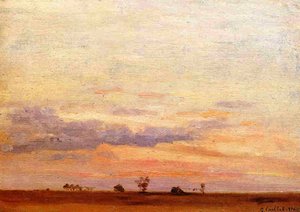
Levitan’s style is firmly anchored in Realism, rejecting Romantic idealism in favor of meticulous detail and truthful portrayal. He achieved this remarkable feat through painstaking observation and masterful brushwork—a technique honed over years of studying the subtleties of light and color. Notice how he captures the diffused glow of sunset filtering through the clouds, creating an atmosphere of palpable stillness.
The composition itself is deceptively straightforward: a lone horse-drawn carriage traversing a vast expanse of meadow bathed in twilight hues. However, Levitan skillfully employs perspective to convey depth and grandeur, drawing the viewer into the scene’s serene embrace. The placement of the carriage and its occupants subtly directs our gaze across the landscape.
Symbolism Within Nature's Embrace
Beyond its aesthetic beauty, “Evening in the Field” resonates with symbolic significance. The field itself represents Russia—a land steeped in history and tradition—while the horse symbolizes strength and resilience. The muted colors – predominantly browns, blues, and golds – evoke feelings of melancholy and nostalgia, mirroring Levitan’s own contemplative spirit.
The painting speaks to a deeper longing for authenticity, for an escape from the pressures of urban life. It's a reminder that amidst the complexities of existence, there remains a profound solace in encountering the quiet majesty of nature—a sentiment that continues to captivate audiences today.
A Legacy of Emotional Landscape
“Evening in the Field” stands as a testament to Levitan’s ability to transform visual experience into emotional resonance. It's more than just a painting; it’s a window into the Russian soul—a reflection of its anxieties, its hopes, and its enduring connection to the land.
Reproductions of this masterpiece offer an opportunity to bring Levitan’s evocative vision into your home, allowing you to experience firsthand the profound beauty and contemplative spirit that define his artistic legacy. Explore high-quality prints at WikiArt or discover handcrafted oil paintings at Ocean’s Bridge Oil Paintings.
Srodna umetnička dela
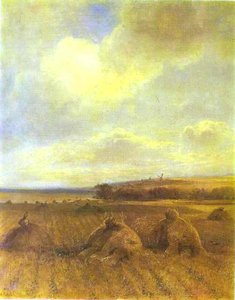
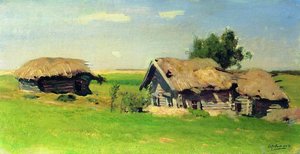
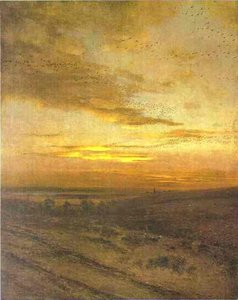
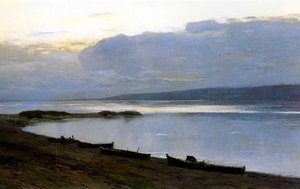
Biografija umetnika
A Symphony of the Russian Soul: The Life and Art of Isaak Ilyich Levitan
Isaak Ilyich Levitan, a name synonymous with the evocative power of Russian landscape painting, was more than just a chronicler of nature; he was a poet of the land, a translator of its moods into visual form. Born in 1860 in Kibarty (present-day Lithuania) to a Jewish family who later settled in Moscow, Levitan’s life was marked by both profound hardship and an unwavering dedication to his art. The early loss of his mother and father instilled within him a sensitivity that would permeate his canvases with a melancholic beauty. This sense of longing, coupled with the restrictions imposed upon Jewish communities in Tsarist Russia, fueled a desire to find solace and expression in the natural world. He entered the Moscow School of Painting, Sculpture and Architecture in 1873, where he came under the tutelage of Alexei Savrasov, whose influence would prove pivotal in shaping Levitan’s artistic vision. It was Savrasov who nurtured his student's innate ability to capture not merely the appearance of nature, but its very essence—its atmosphere, its emotional resonance.The Birth of a ‘Mood Landscape’
Levitan quickly distinguished himself as an artist capable of conveying profound emotion through landscape. He wasn’t interested in topographical accuracy for its own sake; rather, he sought to imbue his paintings with a sense of *mood*, a feeling that resonated deep within the viewer's soul. This approach earned him the title of pioneer of the “mood landscape,” a genre that moved beyond simple representation to explore the spiritual connection between humanity and nature. His palette was often subdued, favoring naturalistic colors and poetic elements over vibrant displays. He masterfully employed light and shadow, creating atmospheric effects that evoked feelings of tranquility, solitude, or even quiet despair. Works like *Autumn Day. Sokolniki* (1879), painted when he was just nineteen years old, already demonstrated this remarkable ability to capture the subtle nuances of the Russian countryside. The painting’s muted tones and delicate rendering of light create a sense of wistful nostalgia, hinting at the transience of beauty and the inevitability of change. Later masterpieces such as *The Vladimirka Road* (1892) and *Eternal Rest* (1894), prominently displayed in the Tretyakov Gallery, further solidified his reputation as a master of emotional landscape painting.Influences and Artistic Kinships
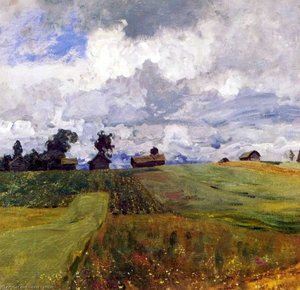
While deeply indebted to Savrasov’s influence, Levitan was also receptive to other artistic currents. He collaborated with fellow artists like Konstantin Korovin, Mikhail Nesterov, and Nikolai Chekhov—the brother of the renowned playwright Anton Chekhov, who became a lifelong friend. This circle fostered an environment of creative exchange and mutual support. Though he briefly experimented with Impressionistic techniques, Levitan never fully embraced the movement, maintaining a uniquely Russian sensibility in his work. He found inspiration not only in the visual world but also in music and literature, seeking to translate their emotional power into his paintings. His designs for scenery for Savva Mamontov’s private Russian Opera demonstrate his versatility and willingness to explore different artistic mediums. The influence of these collaborations and experiences can be seen in works like *Spring Flood*, *Stormy Day*, *Vesper Chimes* and *Silent Cloister*, each a testament to his evolving style and deepening understanding of the emotional landscape.Major Achievements and Legacy
Levitan’s ascension to prominence within the Russian art world was marked by several significant milestones. Elected to the Imperial Academy of Arts in 1897, he recognized as one of Russia's foremost landscape painters. This honor underscored his artistic merit and cemented his position as a leading figure in the Peredvizhniki movement—a group of artists committed to depicting Russian life and nature with uncompromising realism and emotional honesty. He continued to teach at Moscow School of Painting, Sculpture and Architecture, nurturing the talent of aspiring artists and shaping the future direction of landscape painting. His enduring legacy resides not merely in his artistic output but also in his profound contribution to Russian cultural heritage—a testament to the transformative power of art to capture the spirit of an era and inspire generations to come. He passed away peacefully in 1900, leaving behind a body of work that continues to captivate audiences worldwide. His paintings remain a poignant reminder of Russia’s melancholic beauty and the enduring resonance of human emotion within the natural world.Final Resting Place
Levitan's remains were interred in Novodevichy Cemetery in Moscow alongside Anton Chekhov—a symbolic union reflecting their shared artistic kinship and devotion to portraying the soul of Russia. His canvases stand as timeless expressions of melancholy, solitude, and profound contemplation—a legacy that secures his place among the greatest landscape painters of all time.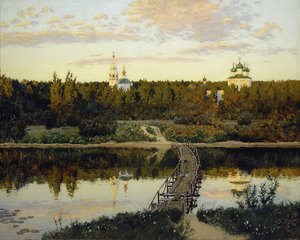
Исаак Ильич Левитан
1860 - 1900 , Русија
Kratke činjenice
- Artistic Movement Or Style: Mood Landscape, Realizam
- Artists Who Influenced This Artist:
- Aleksei Savrasov
- Vasily Polenov
- Konstantin Korovin
- Date Of Birth: August 30, 1860
- Date Of Death: July 22, 1900
- Full Name: Isaak Ilyich Levitan
- Nationality: Ruski
- Notable Artworks:
- Autunm Day. Sokolniki
- Vladimirska cesta
- Večiti mir
- Prolećna poplava
- Buranij dan
- Vecer čas
- Place Of Birth: Kibarty, Lithuania