 Pregledaj u prostoru
 Pošalji
 Podeli
 Detalji o delu

 Преузми
 Slični predmeti
 Rendgenski snimak
 Slajdovi
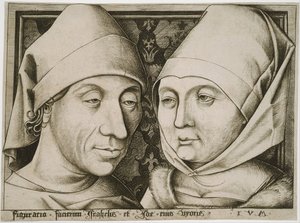
Портрет Исахела ван Мекењема и његове жене Иде
 Akril na platnu
- Umetnost za zidove
- Northern Renaissance Printmaking
 1490
1490 142.0 x 175.0 cm
 Staatliche Museen zu Berlin
 Pročitaj više
Ručno rađena uljana reprodukcija
Ručno oslikano uljanim bojama na platnu u dimenzijama i okviru po vašem izboru, izrađeno po porudžbini od strane naših umetnika. ( Kupi print Kupi digitalnu sliku)




P118B $10

P118H $10

P118W $10

P438Z $10

P508JH $12

P508YH $12

P805H $10

P805Z $10

P919BZ $10

P919G $10

P919XJ $10

P959ZH $10

P968JZ $12

W106C $8

W218G $10

W218JH $8

W218Y $10

W307PJ $10

W316G $10

W316PJ $8

W316Y $10

W398PJ $8

W4111J $10

W500HY $15

W500JH $15

W692G $12

W849H $8

W940BG $15

W953PJ $8




Izaberite jednu od naših unapred definisanih veličina koje odgovaraju originalnim proporcijama umetničkog dela.

Можете унети сопствене димензије како бисте прилагодили дело одређеном оквиру или простору. Ако одабрана величина не одговара пропорцијама оригинала, слика ће бити исечена или проширена додатним елементима који се ручно насликавају. Дигитални prikaz ће вам бити послат на одобрење пре почетка производње.
Имајте на уму да преглед на екрану не одражава стварно исецање или проширење. Само приказ (mockup) ће тачно приказати коначну композицију.
Иако су доступне прилагођене величине, препоручујемо да одаберете димензију из дефинисане листе како бисте сачували оригиналне пропорције.
Nakon narudžbine, tim ArtsDot.com će klijentu putem e-pošte poslati uputstva i dostaviti prikaz predloženog rešenja
Isporuka širom sveta () za 3/4 nedelje umesto uobičajenih 5 nedelja. (4 септембар). Bez kompromisa po pitanju kvaliteta.

Besplatna ekspresna dostava širom sveta

Visokokvalitetno laneno platno

Kompletno osiguranje transporta

Garancija povraćaja carine i uvoznih dažbina

Garancija vernosti boja

Politika povrata u roku od 60 dana (samo u slučaju nedostataka)

Garancija povrata novca od 100%

Popust pri grupnoj kupovini
 Opcija sa staklom dostupna je samo za dimenzije manje od 110 cm

Портрет Исахела ван Мекењема и његове жене Иде
Tehnika reprodukcije
Dimenzije reprodukcije
-


Konačna cena
$ 263
The Artist and His Wife Ida: A Pioneering Portrait of Intimacy
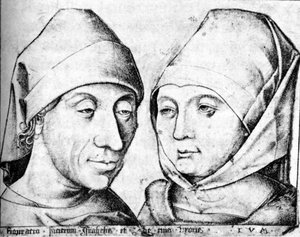
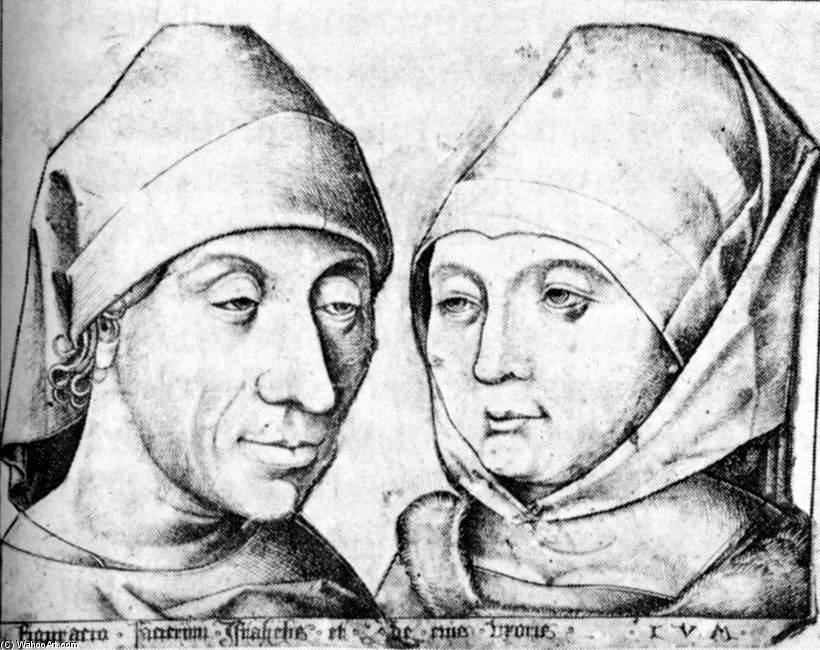
“The Artist and his Wife Ida” by Israhel van Meckenem the Younger is more than just a depiction of two figures; it’s a landmark achievement in Northern European printmaking and a testament to the burgeoning humanist spirit of the fifteenth century. Created around 1490, this engraving stands as the earliest known example of a self-portrait within the graphic arts—a bold innovation that challenged conventions and foreshadowed the stylistic developments of subsequent generations.
- Subject Matter: The artwork portrays Israhel van Meckenem alongside his wife, Ida. Their close proximity – heads nearly touching – immediately establishes an atmosphere of profound connection and shared contemplation.
- Style & Technique: Van Meckenem’s masterful use of burin engraving—a technique characterized by precise lines etched into metal plates—creates a remarkable level of detail and tonal subtlety. The hazy background contributes to the overall mood, emphasizing the figures themselves as central subjects.
- Historical Context: Produced during the Renaissance, “The Artist and His Wife Ida” reflects the humanist fascination with human anatomy and psychological realism. It aligns with broader artistic trends aimed at capturing inner emotions and conveying nuanced narratives.
Detailed observation reveals striking characteristics of both figures. Israhel’s face is etched with wrinkles—a visual signifier of experience—and his gaze holds a contemplative expression, hinting at deep thought. His clothing incorporates drapery that exposes part of his torso, showcasing meticulous attention to form and texture. Ida’s countenance exudes serenity; her eyes are closed, conveying peace and contentment. Her attire reflects the elegance of the period.
The engraving's simplicity—a deliberate choice by Van Meckenem—focuses solely on the subjects, eschewing extraneous ornamentation or setting. This minimalist approach underscores the importance of human presence and emotion, mirroring the humanist ideals prevalent during its creation. The artwork’s enduring appeal lies in its ability to convey a timeless message about intimacy, contemplation, and the beauty of human connection.
This double portrait is considered an influential precursor to later artistic explorations of psychological depth within printmaking. Its composition—characterized by careful observation of facial features and subtle tonal gradations—established precedents for artists seeking to portray emotion with accuracy and sensitivity. “The Artist and his Wife Ida” remains a captivating masterpiece, inviting viewers to contemplate the complexities of human relationships and the enduring power of artistic expression.
Discover Israhel van Meckenem’s Captivating Paintings!
Explore Israhel van Meckenem's iconic portraits, religious scenes & vibrant interiors – a master of Flemish art. His distinctive style—characterized by light burin work—prefigured later artistic trends and continues to inspire artists today.
Master MZ: A Unique Vision of Court Life
Discover Master MZ's captivating 1500s engravings! Known for portraying court scenes & religious subjects, his distinctive style—light burin work—prefigured later art. Explore ‘The Embrace’ and more!
WGA Article: The Artist and His Wife Ida
This double portrait is the earliest known example of a self-portrait in the graphic arts, but its basic composition has precedents in paintings of South Germany.
Srodna umetnička dela
Biografija umetnika
The Prolific Hand of the Northern Renaissance
In the bustling workshops of fifteenth-century Northern Europe, where the scent of metal and ink permeated the air, one name resonated with unparalleled productivity: Israhel van Meckenem. Known to history as Israhel the Younger, this master engraver and goldsmith acted as a vital conduit for visual culture during a transformative era. While the precise details of his early years remain shrouded in the mists of the mid-1400s, his presence in the art historical record is undeniable and immense. Born likely in Meckenheim, Germany, with ancestral ties that suggest a Dutch heritage, van Meckenem did not merely participate in the art market; he dominated it. At the height of his career, his engravings accounted for an astonishing twenty percent of all print production across Northern Europe, making him a cornerstone of the Renaissance's burgeoning print culture.
The foundation of his extraordinary skill was laid through a rigorous apprenticeship under the enigmatic Master E. S., one of the most influential engravers of the age. This formative period was less about mere imitation and more about a deep, technical communion with the masters of the previous generation. Van Meckenem demonstrated an unparalleled dedication to his craft by acquiring, reworking, and expanding upon the plates of his mentor. Through this process, he absorbed the precise, linear language of South German printmaking, blending it with a burgeoning interest in the more fluid, narrative styles emerging from the Low Countries. This synthesis allowed him to bridge the gap between the rigid traditions of the late Gothic period and the expressive potential of the early Renaissance.
A Legacy Carved in Copper
To examine the body of work left by van Meckenem is to witness a vast, intricate tapestry of religious devotion, social commentary, and technical mastery. His output, exceeding 620 engravings, serves as an encyclopedic record of the fifteenth-century imagination. While much of his fame rests upon his ability to replicate and refine the works of others—including the early prints of Albrecht Dürer—his true genius lies in his original compositions. He was a storyteller who utilized the fine lines of the burin to convey profound emotional pathos, whether through the harrowing scenes of Christ's Passion or the more whimsical, allegorical depictions of daily life.
His technical repertoire was deeply informed by his training as a goldsmith, a profession that demanded extreme precision and an intimate understanding of texture and light. This metallurgical background is evident in the way he manipulated shadow and highlight to create a sense of three-dimensional form on a two-dimensional plane. His works often feature:
- Meticulous anatomical details that reflect the growing Renaissance interest in human realism.
- Intricate drapery and textures that showcase his ability to mimic various materials through varying line weights.
- Complex allegorical themes, such as his famous World Turned Upside Down, which used satire to comment on the social upheavals of his time.
Historical Significance and Enduring Influence
The death of Israhel van Meckenem in 1503 marked the end of an era, yet his influence persisted through the very medium he helped to standardize. He was a pioneer who understood the power of the multiple; by creating works that could be owned by many, he helped democratize art and establish the print as a legitimate and prestigious medium for high art. His career spanned the transition from the late Middle Ages to the dawn of the modern era, and his ability to adapt—moving from the copying of Master E. S. to engaging with the works of Dürer—demonstrates a remarkable artistic plasticity.
Today, scholars look back at van Meckenem not just as a prolific producer of images, but as an essential architect of Northern European visual identity. He provided the visual vocabulary that would be used by generations of artists to follow. His life's work remains a testament to the power of the hand and the burin, a legacy etched permanently into the history of Western art through every fine line and deep shadow he left behind on the copper plate.
israhel van the younger meckenem
1442 - 1503 , Germany
Osnovne informacije
- Artistic Movement Or Style: Flemish Painting
- Artists Or Movements Influenced By This Artist: ['Dürer']
- Artists Who Influenced This Artist: ['Master E. S.']
- Date Of Birth: c. 1445
- Date Of Death: 1503
- Full Name: Israhel van Meckenem
- Nationality: German
- Notable Artworks:
- Vera icon
- The Artist and his Wife Ida
- Morris Dance
- Place Of Birth: Meckenheim, Germany
Povezani članci

Rembrandt van Rijn: 25 Majstorstava Svetla i Senke za Vaš Dom | ArtsDot
Uronite u svet Rembrandta van Rijna! Otkrijte 25 najlepših dela holandskog majstora – portrete, istorijske scene i biblijska platna. Kvalitetne reprodukcije slika za dekoraciju enterijera dostupne na ArtsDot.com.
Engraving's Golden Age: 10 Masterpieces That Redefined Art | ArtsDot
Journey through art history with our Top 10 Legendary Engravings! Explore masterpieces by Dürer, Rembrandt & Goya. Discover the stories behind these iconic prints and find museum-quality reproductions for your home at ArtsDot.com.
Engraving: A Historical Survey of Technique, Artistic Expression & Enduring Legacy
Explore the rich history of engraving with ArtsDot. Discover techniques, iconic artists like Dürer & Callot, collecting tips, and expert guidance for preserving your art investment. Learn about intaglio printing & more!

Early Netherlandish Masters: 10 Paintings That Revolutionized Art & Decor
Journey into the world of Early Netherlandish painting! Explore 10 masterpieces by Jan van Eyck, Rogier van der Weyden & more. Discover stunning detail, symbolism & Renaissance art for your home decor. Find museum-quality reproductions on ArtsDot.com
Early Netherlandish Masters: 10 Paintings That Revolutionized Art & Decor
Journey into the Early Netherlandish Renaissance! Explore 10 iconic paintings by Jan van Eyck, Rogier van der Weyden & more. Discover stunning detail, symbolism, and oil painting techniques. Find museum-quality art reproductions for your home at ArtsDot.com.