


 Pregledaj u prostoru
 Pošalji
 Podeli
 Detalji o delu

 Преузми
 Slični predmeti
 Rendgenski snimak
 Slajdovi
 Statistika
Portrait Of An Unknown Peasant
 Pročitaj više
Ručno rađena uljana reprodukcija
Ručno oslikano uljanim bojama na platnu u dimenzijama i okviru po vašem izboru, izrađeno po porudžbini od strane naših umetnika. ( Pređi na štampu Pređi na digitalnu sliku)




































Izaberite jednu od naših unapred definisanih veličina koje odgovaraju originalnim proporcijama umetničkog dela.

Можете унети сопствене димензије како бисте прилагодили дело одређеном оквиру или простору. Ако одабрана величина не одговара пропорцијама оригинала, слика ће бити исечена или проширена додатним елементима који се ручно насликавају. Дигитални prikaz ће вам бити послат на одобрење пре почетка производње.
Имајте на уму да преглед на екрану не одражава стварно исецање или проширење. Само приказ (mockup) ће тачно приказати коначну композицију.
Иако су доступне прилагођене величине, препоручујемо да одаберете димензију из дефинисане листе како бисте сачували оригиналне пропорције.
Nakon narudžbine, tim ArtsDot.com će klijentu putem e-pošte poslati uputstva i dostaviti prikaz predloženog rešenja
Isporuka širom sveta () za 3/4 nedelje umesto uobičajenih 5 nedelja. (16 септембар). Bez kompromisa po pitanju kvaliteta.

Besplatna ekspresna dostava širom sveta

Visokokvalitetno laneno platno

Kompletno osiguranje transporta

Garancija povraćaja carine i uvoznih dažbina

Garancija vernosti boja

Politika povraćaja u roku od 100 dana (isključivo u slučaju nedostataka)

Garancija povrata novca od 100%

Popust pri grupnoj kupovini
 Opcija sa staklom dostupna je samo za dimenzije manje od 110 cm

Portrait Of An Unknown Peasant
Tehnika reprodukcije
Dimenzije reprodukcije
-


Konačna cena
$ 263
Srodna umetnička dela







Biografija umetnika
Ivan Petrovich Argunov: A Serf’s Masterpiece – Bridging Tradition and Baroque in 18th-Century Russia
Ivan Petrovich Argunov (1729–1802) stands as a pivotal, yet often overlooked, figure in the development of Russian portraiture. His story is one of remarkable talent blossoming within the constraints of serfdom, ultimately producing works that seamlessly blend traditional Russian *parsuna* art with the burgeoning influence of Baroque aesthetics. Born in Saint Petersburg into a family of serfs belonging to the influential Count Sheremetev, Argunov’s early life was shaped by service and domestic duties – a stark contrast to the privileged world of the aristocracy he would eventually depict. His uncle, Semyon Mikhaylovich Argunov, served as steward for the countess Cherkassky and later as majordomo for Count Sheremetev, providing young Ivan with an early exposure to art and courtly life within the opulent walls of Millionnaya Street. Argunov’s artistic journey began under the tutelage of Georg Christoph Grooth, a German artist employed by Empress Elizabeth, in 1746-49. This formative period introduced him to European techniques, particularly portraiture, while his cousins, Fedor Leontyevich and Fedor Semenovich Argunov – both painters working on decorating the imperial residences – further nurtured his skills. His initial commissions focused on religious icons for the palace church in Great Tsarskoe Selo Palace (1753) and the New Jerusalem Monastery (1749), establishing a foundation in traditional iconography. However, it was his foray into secular portraiture that truly cemented his legacy. His earliest known portraits, including those of Prince Ivan Ivanovich Lobanov-Rostovsky (1752) and Princess Ekaterina Alexandrovna Lobanova-Rostovskaya (1754), reveal a fascinating synthesis of styles – the formality and idealized features characteristic of *parsuna* art were subtly interwoven with Baroque elements, creating an elegant and sophisticated aesthetic. The 1760s marked Argunov’s artistic prime. He became a sought-after portraitist for the Sheremetev family, their relatives the Lazarevs, and other prominent figures of Russian society. His subjects ranged from the count himself to his children, grand duchesses, and even deceased members of the family – a practice that would later define his most celebrated works: posthumous portraits. These paintings, often depicting Sheremetevs in elaborate attire and surrounded by symbols of their wealth and status, became increasingly popular during this period, reflecting a fascination with mortality and remembrance within aristocratic circles. Argunov’s ability to capture not only physical likeness but also the psychological state of his subjects – their dignity, grace, and perhaps even melancholy – distinguished him from many of his contemporaries. A significant shift occurred in Argunov's career around 1784 when he became the major-domo for the Sheremetev household. This role afforded him greater independence and allowed him to pursue his artistic interests more freely. It was during this time that he created one of his most enduring masterpieces: *Portrait of an Unknown Woman in Peasant Dress* (1784). The identity of the sitter remains a subject of speculation, though theories suggest she may have been Anna Kovalyova-Zhemchugova, a talented actress and singer within the Sheremetev household. This painting stands apart from his earlier works, demonstrating a shift towards greater realism and social commentary – a subtle critique of the rigid social hierarchy through the depiction of a woman outside the confines of aristocratic society. The painting’s enduring appeal lies in its evocative portrayal of everyday life and its poignant exploration of identity. Beyond portraiture, Argunov's legacy extends to his role as a teacher. Beginning in 1753, he established a private art school, instructing a generation of aspiring artists including Anton Losenko, Fyodor Rokotov, Kirill Golovachevsky, and Ivan Sablukov – all later academics within the Imperial Academy of Arts. His sons, Nikolai and Pavel Argunov, also followed in his footsteps, continuing the family tradition of artistic excellence. Ivan Petrovich Argunov died in Moscow in 1802, leaving behind a body of work that continues to fascinate art historians and collectors alike. His paintings offer a unique window into the world of 18th-century Russia – a world of wealth, power, social customs, and artistic innovation, all viewed through the discerning eye of a talented artist who defied the limitations imposed upon him by his serf status.Key Works & Artistic Style
Argunov’s oeuvre is characterized by a distinctive blend of influences: traditional Russian *parsuna* portraiture, Baroque elegance, and a growing interest in psychological realism. His paintings often feature rich color palettes, intricate detailing, and a masterful use of light and shadow – hallmarks of the Baroque style. Notable works include:- *Portrait of Prince Ivan Ivanovich Lobanov-Rostovsky* (1752)
- *Portrait of Princess Ekaterina Alexandrovna Lobanova-Rostovskaya* (1754)
- *Dying Cleopatra* (circa 1753) – his only known historical painting.
- *Portrait of an Unknown Woman in Peasant Dress* (1784) – a poignant and enigmatic work that reflects Argunov’s evolving artistic sensibilities.
- Posthumous portraits of the Sheremetev family, particularly those depicting deceased members adorned with symbols of their wealth and status.
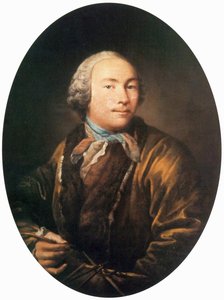
Ivan Petrovich Argunov
1729 - 1802 , Russia
Osnovne informacije
- Artistic Movement Or Style: Baroque, Portraiture
- Artists Or Movements Influenced By This Artist: ['Russian School of Portraiture']
- Artists Who Influenced This Artist:
- Georg Grooth
- Fedor Leontyevich Argunov
- Fedor Semenovich Argunov
- Date Of Birth: 1729
- Date Of Death: 1802
- Full Name: Ivan Petrovich Argunov
- Nationality: Russian
- Notable Artworks:
- Dying Cleopatra
- Portrait of Prince Lobanov
- Portrait of Princess Lobanova
- Portrait of Unknown Woman
- Place Of Birth: Saint Petersburg, Russia