

 Pregledaj u prostoru
 Pošalji
 Podeli
 Detalji o delu

 Преузми
 Slični predmeti
 Rendgenski snimak
 Slajdovi
 Statistika
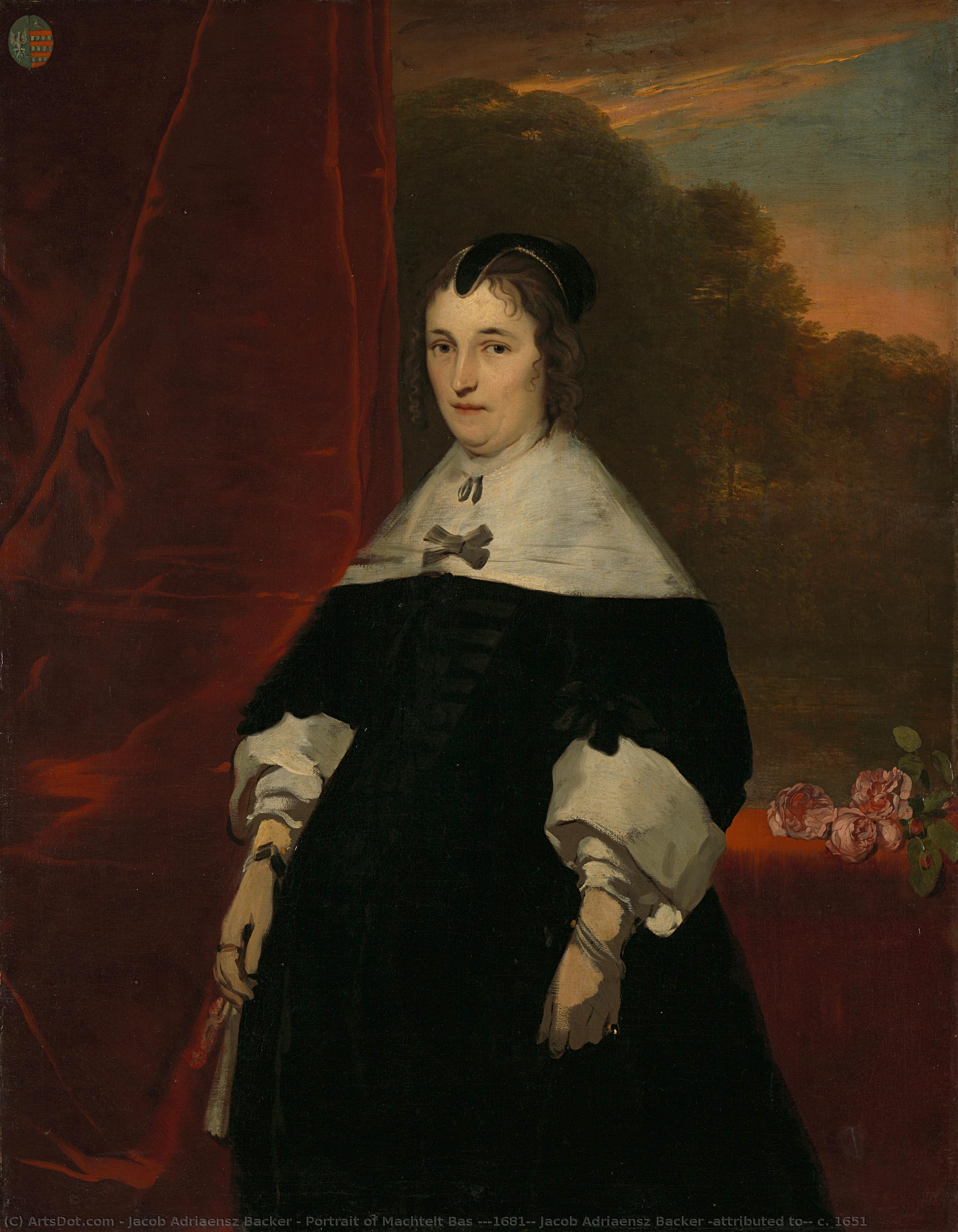
Portrait of Machtelt Bas (?-1681), Jacob Adriaensz Backer (attributed to), c. 1651
 1651
1651 126.0 x 98.0 cm
 Pročitaj više
Kupite digitalnu sliku visoke rezolucije i poboljšanog kvaliteta, koja je znatno superiornija od onoga što vidite u online prikazu.
Svaka datoteka je pedantno pripremljena od strane naših stručnjaka koristeći napredne alate i profesionalnu ručnu retušu. Osiguravamo da svaka slika ima izuzetnu oštrinu, preciznu reprodukciju boja i fine detalje.
Konačna datoteka se dostavlja putem e-pošte u roku od 72 sata, optimizovana za neposrednu upotrebu u profesionalnim, izdavačkim i štamparskim okruženjima. To je isti kvalitet kojem veruju vrhunski studiji dizajna, izdavači i galerije.
Digitalna slika
Preuzmite datoteku visoke rezolucije za ličnu upotrebu, štampanje i kreativne projekte. ( Pređi na štampu Kupi ručno naslikanu sliku)
Uključeno uz svaku porudžbinu digitalne slike
Profesionalna digitalna isporuka, zagarantovana
Kada odaberete ArtsDot.com, ne dobijate samo sliku – vi primate profesionalno unapređeno digitalno umetničko delo, izrađeno sa najvećom preciznošću i uz garanciju zadovoljstva. Evo svega što automatski dolazi uz vašu porudžbinu:

Brza dostava putem e-pošte
Vaša digitalna slika visoke rezolucije biće vam poslata putem e-pošte u roku od 72 sata od poručivanja – spremna za trenutnu upotrebu.

Digitalna datoteka unapređena veštačkom inteligencijom
Vaše umetničko delo je profesionalno optimizovano korišćenjem naprednih AI alata i ručne obrade, čime se osiguravaju maksimalni detalji, oštrina i preciznost boja.

Besplatna ponovna isporuka doživotno
Slučajno ste obrisali ili izgubili svoju datoteku? Ne brinite – poslaćemo vam je ponovo u bilo kom trenutku, potpuno besplatno.

Bez troškova uvoza – zauvek
Uživajte u svojim umetničkim delima trenutno, bez carine, dažbina ili troškova dostave – digitalni download je uvek bez poreza.

Garancija vernosti boja
Uz pomoć profesionalnih alata i upravljanja bojama, osiguravamo da vaša digitalna slika što vernije odražava originalne boje.

Garancija zadovoljstva od 100 dana
Ako niste zadovoljni svojom digitalnom slikom, izvršićemo reviziju ili ćemo vam vratiti 100% novca u roku od 100 dana – bez ikakvih pitanja.

100% garancija povrata novca
Niste zadovoljni? Dobijte puni povraćaj novca u roku od 100 dana od prijema digitalne datoteke – bez suvišnih pitanja.

Popusti na velike porudžbine
Kupite 3 slike, uštedite 10% - Kupite 5 slika, uštedite 15% - Kupite 10+ slika, uštedite 20%. Odlično za kreativne projekte, galerije i agencije.
Srodna umetnička dela








Biografija umetnika
Jacob Adriaensz Backer: The Rapid Master of Amsterdam
Jacob Adriaensz Backer (1608-1651) stands as a singular figure in the Dutch Golden Age, celebrated primarily for his astonishing speed and precision in portraiture – a feat that cemented his reputation as one of the era’s most prolific artists. Born in Harlingen, Netherlands, he experienced a formative childhood marked by his father's relocation to Amsterdam following his wife’s untimely death, immersing him in the bustling artistic environment of the city. This early exposure undoubtedly nurtured his talent and propelled him toward a distinguished career that would leave an indelible mark on Dutch art history.- Early Training & Influences: Backer's artistic journey began under the tutelage of Lambert Jacobsz, a Mennonite teacher who instilled in him a foundational understanding of religious painting techniques. Notably, he studied alongside Govert Flinck, another Mennonite pupil and collaborator, fostering connections within a vibrant intellectual community that valued craftsmanship and moral integrity. These formative influences would shape his stylistic sensibilities, particularly evident in his depictions of biblical narratives.
- Amsterdam & Hendrick Uylenburgh: Moving to Amsterdam around 1633, Backer found patronage with Hendrick Uylenburgh, a wealthy merchant who recognized Backer’s exceptional abilities and commissioned numerous portraits. This association provided invaluable opportunities for artistic development and solidified Backer's position as a leading portraitist of his time.
- Technique & Style: Backer’s fame rests largely on his revolutionary “wet-on-wet” technique – a method pioneered in Haarlem that allowed artists to capture fleeting expressions and textures with remarkable immediacy. As Joachim von Sandrart famously recounted, a woman could arrive from Haarlem and depart the same day, leaving behind a portrait completed with breathtaking speed and detail. This technique, coupled with his meticulous observation of anatomy and drapery, resulted in portraits imbued with an unparalleled sense of realism and psychological insight.
A Virtuoso Painter Beyond Portraits
While Backer’s portraiture undoubtedly captivated audiences, he was equally adept at tackling ambitious projects in other genres. His canvases explored themes from contemporary history – Granida and Daifilo – demonstrating his willingness to engage with pressing social and political concerns of the era. Furthermore, he produced stunning mythological paintings, reflecting a broader artistic engagement with classical ideals and narratives. Backer’s masterful handling of color and composition showcased his versatility as an artist and cemented his legacy as a true innovator within the Dutch Baroque tradition.- Religious Subjects: Backer's devotion to religious art is palpable in his numerous depictions of biblical scenes, characterized by serene compositions and luminous colors.
- Mythological Visions: His explorations of mythological themes – particularly the crowning of Mirtillo – reveal a fascination with classical mythology and its enduring influence on artistic expression.
Legacy & Recognition
Jacob Adriaensz Backer’s contribution to Dutch art is undeniable, producing approximately 140 paintings in just twenty years—a remarkable output for his time. His meticulous attention to detail and unparalleled speed in portraiture earned him considerable acclaim during his lifetime, as evidenced by Joachim von Sandrart's astute observation regarding the Haarlem-Amsterdam journey. Backer’s work continues to inspire admiration for its technical brilliance and emotional depth, securing his place among the most celebrated artists of the Dutch Golden Age—a testament to his enduring artistic vision.
jacob adriaensz backer
1608 - 1651 , Netherlands
Kratke činjenice
- Artistic Movement Or Style: Golden Age painting
- Artists Or Movements Influenced By This Artist: ['Rembrandt']
- Artists Who Influenced This Artist:
- Wybrand de geest
- Rubens
- Abraham Bloemaert
- Date Of Birth: Harlingen, Netherlands (1608)
- Date Of Death: 1651
- Full Name: Jacob Adriaensz Backer
- Nationality: Dutch
- Notable Artworks: ['Portrait of Machtelt Bas']
- Place Of Birth: Netherlands