 Pregledaj u prostoru
 Pošalji
 Podeli
 Detalji o delu

 Преузми
 Slični predmeti
 Rendgenski snimak
 Slajdovi
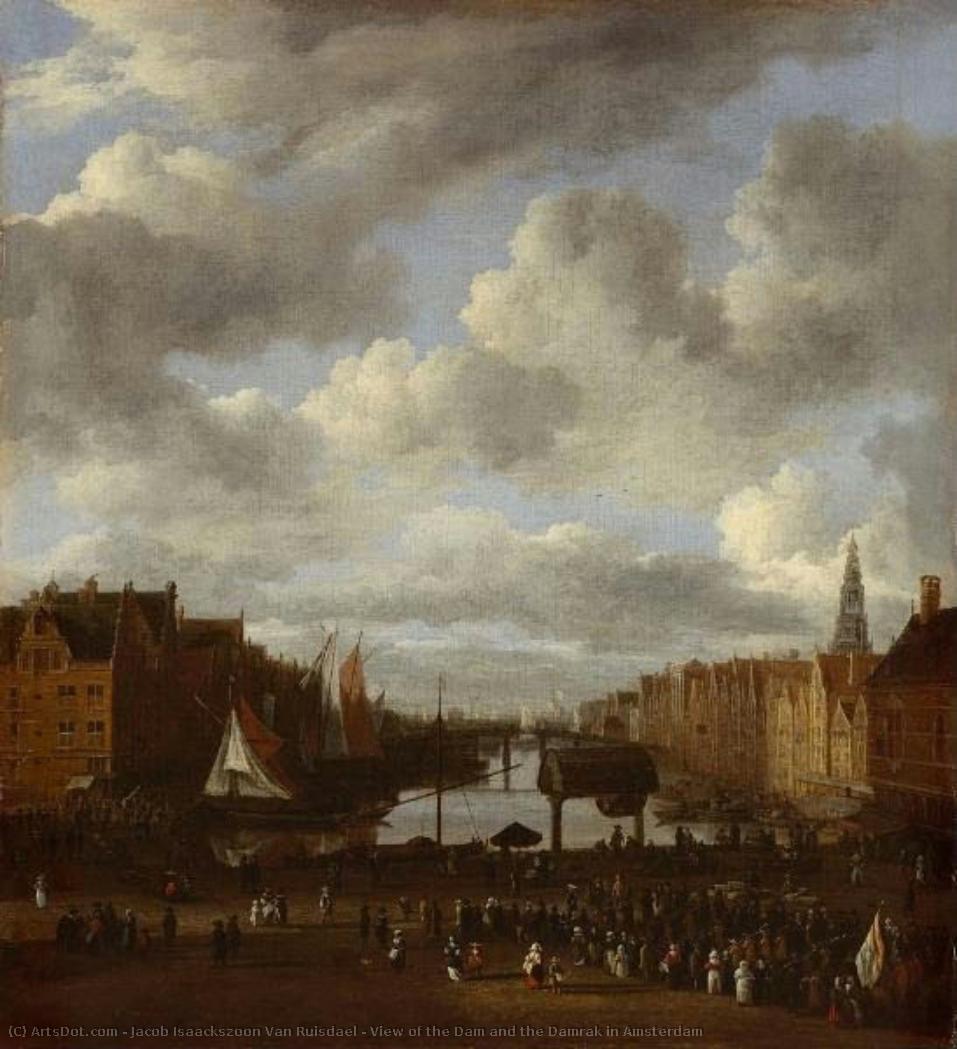
View of the Dam and the Damrak in Amsterdam
 Oil On Canvas
- WallArt
- Dutch Golden Age
 1675
1675 46.0 x 43.0 cm
 Мауритшhuis
 Pročitaj više
Giclee štampa / Umetnički otisak
Giclée štampa ili print na platnu muzejskog kvaliteta uz brzu proizvodnju i fleksibilne opcije završne obrade. ( Kupi ručno naslikanu sliku Kupi digitalnu sliku)




P118B $10

P118H $10

P118W $10

P438Z $10

P508JH $12

P508YH $12

P805H $10

P805Z $10

P919BZ $10

P919G $10

P919XJ $10

P959ZH $10

P968JZ $12

W106C $8

W218G $10

W218JH $8

W218Y $10

W307PJ $10

W316G $10

W316PJ $8

W316Y $10

W398PJ $8

W4111J $10

W500HY $15

W500JH $15

W692G $12

W849H $8

W940BG $15

W953PJ $8




Izaberite jednu od naših unapred definisanih veličina koje odgovaraju originalnim proporcijama umetničkog dela.

Možete uneti sopstvene dimenzije kako biste umetničko delo prilagodili specifičnom okviru ili prostoru. Ako odabrani format ne odgovara proporcijama originalne slike, mi ćemo ili iscrtati deo dela ili proširiti sliku pomoću ogledane ivice ili jednobojnog popunjavanja. Digitalni prikaz će vam biti poslat na odobrenje pre početka proizvodnje.
Imajte na umu da pregled na ekranu ne odražava stvarno iscrtavanje ili proširivanje. Samo će prikaz (mockup) precizno pokazati finalnu kompoziciju.
Iako su prilagođene dimenzije dostupne, preporučujemo da odaberete dimenziju sa unapred definisane liste kako biste očuvali originalne proporcije.
Dostava širom sveta () za 2 nedelje umesto uobičajenih 4/5 nedelja. (28 август)

Besplatna ekspresna dostava širom sveta

Visokokvalitetno laneno platno

Kompletno osiguranje transporta

Garancija povraćaja carine i uvoznih dažbina

Garancija vernosti boja

Politika povrata u roku od 60 dana (samo u slučaju nedostataka)

Garancija povrata novca od 100%

Popust pri grupnoj kupovini
 Opcija sa staklom dostupna je samo za dimenzije manje od 110 cm

View of the Dam and the Damrak in Amsterdam
Giclee štampa / Umetnički otisak
Dimenzije reprodukcije
-


Konačna cena
$ 62
A Window on Golden Age Amsterdam
Jacob van Ruisdael’s “View of the Dam and the Damrak in Amsterdam,” painted around 1675, isn't merely a cityscape; it’s a meticulously crafted portal into the heart of seventeenth-century Dutch life. This oil painting, now residing within the esteemed Frick Collection in New York, offers a remarkably intimate glimpse of a bustling urban scene – the Dam Square and its surrounding thoroughfare – bathed in the diffused light characteristic of an overcast Amsterdam day. Ruisdael, widely considered the preeminent landscape painter of the Dutch Golden Age, masterfully captures not just the physical appearance of the city but also a profound sense of its vibrant energy and historical significance.
The painting’s composition is remarkably balanced, employing a strong horizontal emphasis dictated by the canals and the orderly lines of the buildings. The perspective, executed with the precision typical of Dutch Golden Age art, recedes into the distance, diminishing the size of objects as they move further away – a technique known as linear perspective. Yet, it’s Ruisdael's masterful use of atmospheric perspective that truly elevates the work. Details soften and fade in the background, creating an illusion of depth and lending the scene a palpable sense of space and time. The focus isn’t on dramatic grandeur but rather on the everyday rhythms of Amsterdam life – merchants engaged in trade, boats navigating the canals, and citizens going about their business.
The Painter's Technique: A Symphony of Brushstrokes
Ruisdael’s technique is immediately recognizable. He eschews the smooth, polished surfaces favored by some of his contemporaries, opting instead for a visible, textured approach to painting. His brushwork is deliberate and layered, creating a tactile quality that invites close inspection. Impasto – the application of thick paint – is particularly evident in the rendering of the buildings’ facades, lending them a sculptural appearance and highlighting their materiality. The muted browns, grays, and blues dominate the palette, reflecting the perpetually overcast skies typical of Amsterdam weather and the prevalent use of brick and timber in the city's architecture. The sky itself isn’t a uniform expanse; it’s filled with billowing clouds, rendered with loose, expressive brushstrokes that contribute to the painting’s overall sense of dynamism.
Interestingly, Ruisdael’s approach evolved over time. Early works, like this one, often featured a more heroic portrayal of the Dutch landscape, influenced by his travels. Later paintings, produced during his years in Amsterdam, shifted towards city panoramas and seascapes, retaining that same atmospheric depth but with a greater emphasis on urban detail. The “View of the Dam” exemplifies this transition – it’s a quintessential example of Ruisdael's ability to capture both the grandeur and the intimacy of Dutch life.
Symbolism and Historical Context
Beyond its aesthetic qualities, "View of the Dam and the Damrak" is rich in symbolic meaning. The bustling market scene, with its merchants and shoppers, represents the economic prosperity that fueled Amsterdam’s rise to global prominence. The boats navigating the canals symbolize trade and commerce – the very lifeblood of the city. The presence of ships further underscores this maritime power. Painted around 1675, during the height of the Dutch Golden Age, the painting offers a snapshot of a society at its peak, confident in its wealth, influence, and artistic achievements.
It’s worth noting that the scene depicted isn't simply a random view; it’s a carefully constructed representation of Amsterdam as it was perceived by its inhabitants. The Dam Square, the city’s central marketplace, served as a focal point for civic life, trade, and social gatherings. Ruisdael’s painting captures this vibrant atmosphere with remarkable accuracy, offering viewers a tangible connection to a bygone era.
A Legacy of Landscape Painting
Jacob van Ruisdael's “View of the Dam and the Damrak in Amsterdam” stands as a testament to his exceptional talent and artistic vision. His masterful use of light, color, and perspective, combined with his ability to capture the essence of Dutch life, has secured his place as one of the most important landscape painters in history. His influence can be seen in the works of later artists, both in Holland and abroad, including English Romantic painters who were deeply inspired by Ruisdael’s atmospheric landscapes. Today, reproductions of this iconic painting continue to captivate audiences worldwide, offering a timeless glimpse into the heart of Golden Age Amsterdam.
Srodna umetnička dela




Biografija umetnika
Rani život i formiranje umetnika
Јакоб Исаксзон ван Рујсдаел, име које одјекује у свету сликарства као синоним за Холандско златно доба, рођен је 1628. године у Хаарлему, Холандија. У време велике економске моћи и културног препорода, Рујсдаел се од малих дана окренуо свету природе, који ће касније постати главна тема његовог опуса. Иако детаљи о његовом раном школовању нису у потпуности познати, претпоставља се да је учио код локалних мајстора, развијајући вештину цртања и сликања пејзажа. Већ од 1646. године, почиње да ствара импресивне призоре холандске провинције, постављајући темеље за свој будући успех.
Уметнички стил и карактеристике дела
Рујсдаелов рад се одликује изузетном разностраношћу и плодним стваралаштвом. Његови пејзажи нису само реалистичне репродукције природе, већ су прожети дубоким емоцијама и симболизмом. Од 1646. године, сликао је прелепе сцене холандског села, које су касније добиле херојскији карактер након његовог путовања у Немачку 1650. године. Како се селио и радио у Амстердаму, његова дела су постала све сложенијих композиција, често са небом које заузима две трећине платна. Ово је био карактеристичан елемент његовог стила – драматично небо које одражава променљиве расположења природе и човекове емоције.
Мајсторство светлости, композиције и значајни радови
Рујсдаел је био изузетан мајстор светла и композиције. У његовим делима, светлост игра кључну улогу, обликујући облик, стварајући атмосферу и наглашавајући детаље. Његова способност да пренесе дубину и перспективу била је изузетна за то време. Међу његовим најпознатијим радовима су:
- Водопад у каменитом и планинском пејзажу, где демонстрира своје мајсторство светлости и композиције, стварајући драматичну и импресивну сцену.
- Поглед на Хаарлем са просторима за бељење веша, који је пример његове способности да ухвати суштину холандског пејзажа, преносећи осећај мира и хармоније.
- Поглед на Дам и Дамрак у Амстердаму, где показује своју вештину у сликању градских призора, детаљно реконструишући атмосферу прометног града.
Утицај и наслеђе
Рујсдаелов утицај на традицију пејзажног сликарства је огроман. Његов рад је инспирисао генерације сликара, укључујући енглеске романтичаре, барбизонску школу у Француској и представнике школе реке Хадсон у Сједињеним Државама. Он је отворио пут новим начинима визуелизације природе, наглашавајући њену лепоту, моћ и духовну димензију. Његова дела су данас изложена у престижним музејима широм света, укључујући Националну галерију у Лондону, Ријксмузеум у Амстердаму и Ермитаж у Санкт Петербургу.
Рујсдаел је умро 1682. године у Амстердаму, оставивши за собом богато наслеђе које наставља да инспирише и одушевљава љубитеље уметности широм света. Он је био истински мајстор пејзажа, који је успео да пренесе лепоту и дубоку емоцију природе кроз своје импресивне радове.
Јакоб Исаксзон Ван Рујсдаел
1628 - 1682 , Холандија
Osnovne informacije
- Artistic Movement Or Style: Zlatno doba holandske umetnosti
- Artists Or Movements Influenced By This Artist: ['Engleski Romantizam']
- Artists Who Influenced This Artist: ['Hendrick Vroom']
- Date Of Birth: 1628, Haarlem
- Date Of Death: 1682, Amsterdam
- Full Name: Jacob Isaackszoon van Ruisdael
- Nationality: Holanđanin
- Notable Artworks:
- Pogled na Haarlem
- Vodopad u planinama
- Amsterdam - Damrak
- Place Of Birth (City And Country): Haarlem, Holandija
Povezani članci

Zlatno doba Holandske umetnosti: Top 10 remek dela za vaš dom
Otkrijte remek dela Holandskog zlatnog doba! Uronite u svet Rembrandta, Vermeera i drugih majstora. 10 ikoničnih slika koje su definisale umetnost. Inspiracija za vaš dom i kolekciju - ekskluzivne reprodukcije na ArtsDot.com!

Rembrandt van Rijn: 25 Majstorstava Svetla i Senke za Vaš Dom | ArtsDot
Uronite u svet Rembrandta van Rijna! Otkrijte 25 najlepših dela holandskog majstora – portrete, istorijske scene i biblijska platna. Kvalitetne reprodukcije slika za dekoraciju enterijera dostupne na ArtsDot.com.

Golden Age Reflections: Dutch Baroque Painting & Cultural Innovation
Explore the Dutch Golden Age of painting! Discover key artists like Vermeer & ter Borch, their innovative techniques, and the rich cultural context behind these Baroque masterpieces. Learn about collecting & appreciating this iconic art period.
Willem van de Velde the Elder: Master of Maritime Painting & Chronicler of the Dutch Golden Age
Discover the captivating maritime paintings of Willem van de Velde the Elder, a master chronicler of the Dutch Golden Age. Explore his unparalleled realism and lasting influence on naval art history.

Illuminating Innovation: Exploring the Dutch Golden Age of Painting
Explore the Dutch Golden Age of painting with ArtsDot. Discover Rembrandt, Vermeer & other Masters. Learn about key characteristics, iconic artworks, and lasting influence. Expert insights for collectors & enthusiasts.