

 Pregledaj u prostoru
 Pošalji
 Podeli
 Detalji o delu

 Преузми
 Slični predmeti
 Rendgenski snimak
 Slajdovi
 Statistika
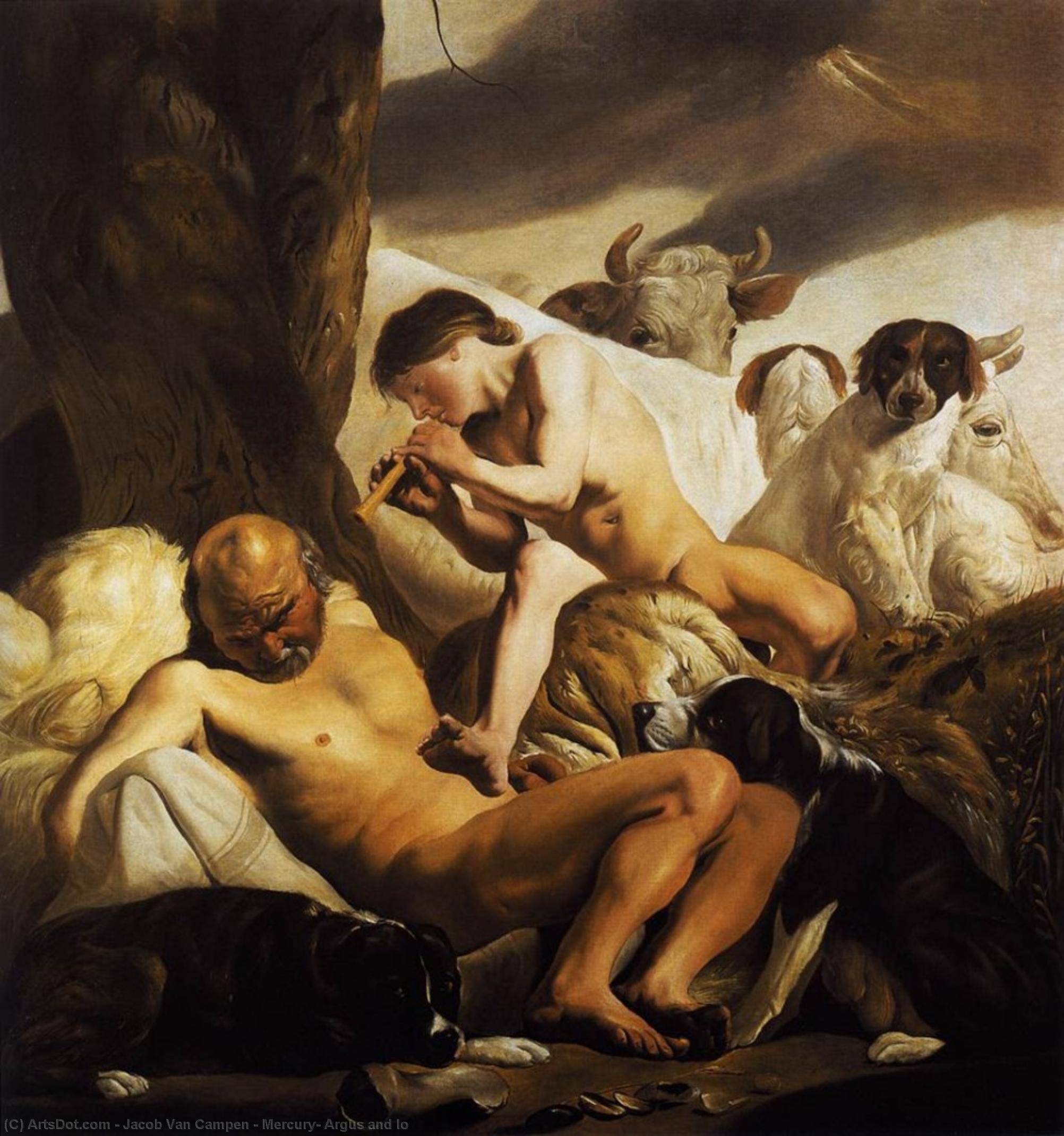
Mercury, Argus and Io
 Oil On Canvas
- WallArt
- Baroque
 1630
1630- Early Modern
 204.0 x 193.0 cm
 Мауритшhuis
 Pročitaj više
Kupite digitalnu sliku visoke rezolucije i poboljšanog kvaliteta, koja je znatno superiornija od onoga što vidite u online prikazu.
Svaka datoteka je pedantno pripremljena od strane naših stručnjaka koristeći napredne alate i profesionalnu ručnu retušu. Osiguravamo da svaka slika ima izuzetnu oštrinu, preciznu reprodukciju boja i fine detalje.
Konačna datoteka se dostavlja putem e-pošte u roku od 72 sata, optimizovana za neposrednu upotrebu u profesionalnim, izdavačkim i štamparskim okruženjima. To je isti kvalitet kojem veruju vrhunski studiji dizajna, izdavači i galerije.
Digitalna slika
Preuzmite datoteku visoke rezolucije za ličnu upotrebu, štampanje i kreativne projekte. ( Pređi na štampu Kupi ručno naslikanu sliku)
Uključeno uz svaku porudžbinu digitalne slike
Profesionalna digitalna isporuka, zagarantovana
Kada odaberete ArtsDot.com, ne dobijate samo sliku – vi primate profesionalno unapređeno digitalno umetničko delo, izrađeno sa najvećom preciznošću i uz garanciju zadovoljstva. Evo svega što automatski dolazi uz vašu porudžbinu:

Brza dostava putem e-pošte
Vaša digitalna slika visoke rezolucije biće vam poslata putem e-pošte u roku od 72 sata od poručivanja – spremna za trenutnu upotrebu.

Digitalna datoteka unapređena veštačkom inteligencijom
Vaše umetničko delo je profesionalno optimizovano korišćenjem naprednih AI alata i ručne obrade, čime se osiguravaju maksimalni detalji, oštrina i preciznost boja.

Besplatna ponovna isporuka doživotno
Slučajno ste obrisali ili izgubili svoju datoteku? Ne brinite – poslaćemo vam je ponovo u bilo kom trenutku, potpuno besplatno.

Bez troškova uvoza – zauvek
Uživajte u svojim umetničkim delima trenutno, bez carine, dažbina ili troškova dostave – digitalni download je uvek bez poreza.

Garancija vernosti boja
Uz pomoć profesionalnih alata i upravljanja bojama, osiguravamo da vaša digitalna slika što vernije odražava originalne boje.

Garancija zadovoljstva od 100 dana
Ako niste zadovoljni svojom digitalnom slikom, izvršićemo reviziju ili ćemo vam vratiti 100% novca u roku od 100 dana – bez ikakvih pitanja.

100% garancija povrata novca
Niste zadovoljni? Dobijte puni povraćaj novca u roku od 100 dana od prijema digitalne datoteke – bez suvišnih pitanja.

Popusti na velike porudžbine
Kupite 3 slike, uštedite 10% - Kupite 5 slika, uštedite 15% - Kupite 10+ slika, uštedite 20%. Odlično za kreativne projekte, galerije i agencije.
A Baroque Symphony of Myth and Mastery
In the heart of the Dutch Golden Age, amidst the burgeoning artistic fervor of Haarlem, Jacob van Campen breathed life into a scene of divine tension and mythological drama. His 1630 masterpiece, Mercury, Argus and Io, is far more than a mere depiction of ancient legend; it is an immersive experience that captures the very essence of the Baroque period. The canvas unfolds a narrative steeped in the complexities of Greek mythology, presenting a tableau where the boundaries between the divine and the mortal blur under a turbulent, stormy sky. As the viewer gaz禽s upon this monumental work, they are drawn into a world of deception and vigilance, where the watchful eyes of Argus and the cunning interventions of Mercury create a palpable sense of impending fate.
The painting centers on the harrowing plight of Io, the wife of Jupiter, who finds herself caught in a celestial pursuit. Van Campen masterfully orchestrates a composition where figures are intertwined with the raw elements of nature—livestock, dogs, and rugged terrain—creating a dynamic energy that feels almost cinematic. The central focus rests upon a nude figure playing a flute, a melodic element intended to soothe or perhaps distract, surrounded by the heavy presence of a large bull and the watchful, weary forms of the shepherds. This arrangement does not merely tell a story; it creates a theatrical stage where every muscle tension and every animal contour contributes to an atmosphere of profound emotional weight.
The Artistry of Light, Texture, and Shadow
To behold this work is to witness the pinnacle of Baroque realism. Van Campen’s technical command over oil on canvas allows for a breathtakingly tactile experience. One can almost feel the coarse, woolly fleece of the sheep and the rugged, weathered hide of the bulls, contrasted sharply against the smooth, luminous skin of the human figures. This meticulous attention to texture is a hallmark of his style, demonstrating an unparalleled ability to render the physical world with both accuracy and poetic grace. The artist utilizes chiaroscuro—the dramatic interplay of light and shadow—to guide the eye through the composition, pulling key figures out of the deep, moody shadows of the Dutch landscape.
The color palette is intentionally rich and somber, dominated by deep blues, earthy browns, and midnight tones that suggest an approaching storm. This darkness serves as the perfect foil for the ethereal light that illuminates the central actors, lending the scene a sense of divine intervention. Through his use of layered glazes and textured brushwork, Van Campen achieves a depth that transcends the flat surface of the canvas, offering a sense of atmospheric perspective that makes the rugged landscape feel vast and imposing. For the collector or designer, this mastery of light provides a focal point of immense character, capable of anchoring a room with its sophisticated and moody elegance.
Symbolism and the Legacy of the Golden Age
Beyond its visual splendor, Mercury, Argus and Io is a profound meditation on the human condition. The inclusion of the flute serves as a powerful symbol of communication, magic, and the power of art to provide solace amidst chaos. Meanwhile, the presence of the dogs and livestock grounds the mythological drama in a primal, earthly reality, reminding the viewer of the vulnerability of all living things when faced with the whims of the gods. The painting reflects the intellectual climate of the 17th-century Netherlands, where classical erudition met a new, bold way of seeing the world.
As an architectural and painterly pioneer, Van Campen brought a sense of structural precision to his mythological subjects, a trait that would later define his legendary architectural contributions. This painting stands as a testament to that unique duality: the ability to balance classical order with Baroque passion. For those seeking to adorn a space with a piece of history, this reproduction offers more than just decoration; it offers a window into an era of unparalleled creativity, inviting a sense of timeless drama and intellectual depth into any curated collection or refined interior.
Srodna umetnička dela

Biografija umetnika
Jacob van Campen: Life and Legacy
Early Life and Background
Jacob van Campen was born in Haarlem, Netherlands, in 1596. He came from a relatively prosperous background, inheriting the estate of Randenbroek near Amersfoort from his mother. He significantly expanded and embellished this estate, later commissioning Caesar van Everdingen to decorate it. Van Campen never married but had one son, Alexander van Campen.
Artistic Development and Influences
Van Campen was a selective artist, carefully choosing his projects. His artistic development saw him move towards a distinctive style blending architectural precision with Baroque dynamism. He was notably influenced by Paulus Bor, one of the founders of the Bentvueghels – a group of Dutch painters known for their unconventional and often satirical work. This influence is visible in some similarities between Van Campen’s paintings and wall decorations, such as those at Paleis Huis ten Bosch.
Architectural Achievements
Van Campen's primary legacy lies in his architectural contributions. He designed numerous churches, including those at Renswoude and Hooge Zwaluwe, and the Nieuwe Kerk in Haarlem. The Nieuwe Kerk’s design was so significant that Pieter Saenredam created three paintings and eight engravings documenting it. Beyond churches, he also designed gates and towers for prominent Amsterdam landmarks like the Westerkerk and Nieuwe Kerk.
- Mauritshuis: Perhaps his most famous work, this palace in The Hague now houses a renowned collection of Dutch Golden Age paintings.
- Amsterdam's Royal Palace: Van Campen played a key role in the design of this iconic building, originally conceived as Amsterdam’s Town Hall.
Painting and Decorative Work
While primarily known as an architect, Van Campen was also a skilled painter. He created notable still life paintings, often featuring intricate arrangements of objects symbolizing mortality and the passage of time. His wall decorations, particularly at Paleis Huis ten Bosch, demonstrate his ability to integrate painting with architectural space.
- Still Life Themes: Van Campen’s still lifes frequently included books, musical instruments, scientific instruments (like celestial globes), and symbolic objects like skulls and owls.
Historical Significance
Jacob van Campen was a pivotal figure in introducing Classicism to Dutch Baroque design. He bridged the gap between earlier Renaissance influences and the evolving artistic sensibilities of the 17th century. His architectural designs helped shape the urban landscape of the Netherlands, and his work continues to be admired for its elegance, precision, and innovative use of space. He died in 1657 and was buried at Randenbroek, the estate he so carefully cultivated.
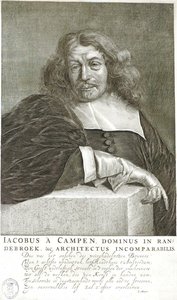
Jacob van Campen
1596 - 1657 , Netherlands
Kratke činjenice
- Birth Date: 1596
- Birth Place: Haarlem, Netherlands
- Death Date: 1657
- Influenced: Pieter Saenredam
- Influenced By: Paulus Bor
- Movement: Dutch Golden Age, Dutch Classicism, Baroque
- Name: Jacob van Campen
- Nationality: Dutch
- Notable Works: Mauritshuis, Amsterdam's Royal Palace, Nieuwe Kerk (Haarlem)