

 Pregledaj u prostoru
 Pošalji
 Podeli
 Detalji o delu

 Преузми
 Slični predmeti
 Rendgenski snimak
 Slajdovi
 Statistika
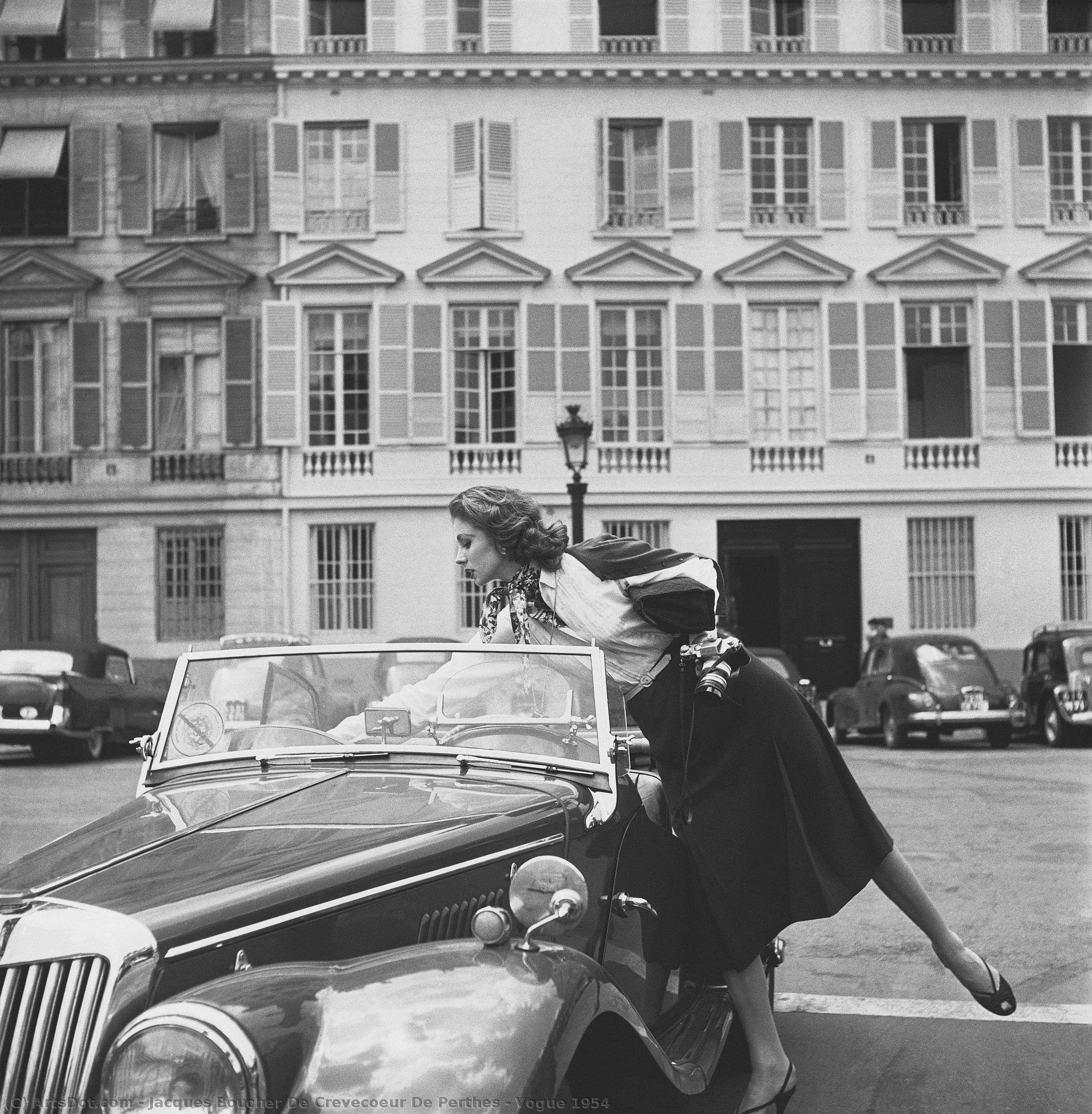
Vogue 1954


 Pročitaj više
Kupite digitalnu sliku visoke rezolucije i poboljšanog kvaliteta, koja je znatno superiornija od onoga što vidite u online prikazu.
Svaka datoteka je pedantno pripremljena od strane naših stručnjaka koristeći napredne alate i profesionalnu ručnu retušu. Osiguravamo da svaka slika ima izuzetnu oštrinu, preciznu reprodukciju boja i fine detalje.
Konačna datoteka se dostavlja putem e-pošte u roku od 72 sata, optimizovana za neposrednu upotrebu u profesionalnim, izdavačkim i štamparskim okruženjima. To je isti kvalitet kojem veruju vrhunski studiji dizajna, izdavači i galerije.
Digitalna slika
Preuzmite datoteku visoke rezolucije za ličnu upotrebu, štampanje i kreativne projekte. ( Pređi na štampu Kupi ručno naslikanu sliku)
Uključeno uz svaku porudžbinu digitalne slike
Profesionalna digitalna isporuka, zagarantovana
Kada odaberete ArtsDot.com, ne dobijate samo sliku – vi primate profesionalno unapređeno digitalno umetničko delo, izrađeno sa najvećom preciznošću i uz garanciju zadovoljstva. Evo svega što automatski dolazi uz vašu porudžbinu:

Brza dostava putem e-pošte
Vaša digitalna slika visoke rezolucije biće vam poslata putem e-pošte u roku od 72 sata od poručivanja – spremna za trenutnu upotrebu.

Digitalna datoteka unapređena veštačkom inteligencijom
Vaše umetničko delo je profesionalno optimizovano korišćenjem naprednih AI alata i ručne obrade, čime se osiguravaju maksimalni detalji, oštrina i preciznost boja.

Besplatna ponovna isporuka doživotno
Slučajno ste obrisali ili izgubili svoju datoteku? Ne brinite – poslaćemo vam je ponovo u bilo kom trenutku, potpuno besplatno.

Bez troškova uvoza – zauvek
Uživajte u svojim umetničkim delima trenutno, bez carine, dažbina ili troškova dostave – digitalni download je uvek bez poreza.

Garancija vernosti boja
Uz pomoć profesionalnih alata i upravljanja bojama, osiguravamo da vaša digitalna slika što vernije odražava originalne boje.

Garancija zadovoljstva od 100 dana
Ako niste zadovoljni svojom digitalnom slikom, izvršićemo reviziju ili ćemo vam vratiti 100% novca u roku od 100 dana – bez ikakvih pitanja.

100% garancija povrata novca
Niste zadovoljni? Dobijte puni povraćaj novca u roku od 100 dana od prijema digitalne datoteke – bez suvišnih pitanja.

Popusti na velike porudžbine
Kupite 3 slike, uštedite 10% - Kupite 5 slika, uštedite 15% - Kupite 10+ slika, uštedite 20%. Odlično za kreativne projekte, galerije i agencije.
Srodna umetnička dela








Biografija umetnika
Jacques Boucher de Crèvecœur de Perthes (1788-1868): Pioneer of Prehistory
Jacques Boucher de Crèvecœur de Perthes (1788-1868) stands as a pivotal figure in the genesis of paleoanthropology, largely due to his groundbreaking discovery of flint tools in the Somme Valley – an event that fundamentally reshaped our understanding of human origins. Born in Rethel, France, he was the eldest son of Jules Armand Guillaume Boucher de Crèvecoeur, a botanist and customs officer, shaping his intellectual trajectory from a young age amidst scientific pursuits. This formative influence would later translate into a lifelong dedication to unraveling the mysteries of prehistoric life.- Early Life & Education: Jacques’s upbringing instilled in him a meticulous observation of nature and fostered an inquisitive spirit—qualities that proved invaluable during his subsequent archaeological explorations. He pursued his education diligently, immersing himself in classical studies and honing his analytical skills.
- Career as Customs Officer: Following Napoleon I's ascent to power, Boucher de Perthes secured a position at Abbeville’s customs office, providing him with financial stability and access to valuable archival materials crucial for his research endeavors. This role allowed him to delve into the intricacies of geological formations and historical records.
- Archaeological Breakthrough: Around 1830, Boucher de Perthes embarked on a systematic investigation of flint nodules found in the Somme Valley gravels—a region renowned for its rich paleontological deposits. His meticulous analysis revealed evidence of human toolmaking predating conventional timelines, sparking considerable debate within the scientific community.
- The Brixham Cave Discovery & Vindication: Boucher de Perthes’s conviction persisted despite initial skepticism surrounding his findings until the sensational discovery of Brixham Cave in England in 1858—a site containing flint tools alongside extinct animal remains. This corroborating evidence decisively validated his hypothesis, cementing his legacy as a visionary archaeologist.
The Somme Valley & The Flint Tool Controversy
Boucher de Perthes’s meticulous examination of Somme Valley flint nodules captivated the attention of fellow scientists and historians alike. He argued persuasively that these tools represented tangible proof of human existence far earlier than previously accepted—a proposition initially met with considerable resistance from established scholars who adhered to prevailing geological theories.
- Methodology: Boucher de Perthes championed a rigorous approach to archaeological investigation, emphasizing comparative analysis and meticulous documentation. He meticulously catalogued each tool, noting its dimensions, shape, and surface characteristics—a practice that would become standard in paleoanthropological research.
- Initial Criticism: Despite his unwavering conviction, Boucher de Perthes faced criticism from prominent geologists like Charles Lyell, who championed uniformitarianism—the belief that geological processes operate consistently throughout time—challenging the notion of catastrophism and undermining Boucher’s central argument.
Major Achievements & Legacy
Despite facing considerable opposition during his lifetime, Jacques Boucher de Crèvecœur de Perthes's unwavering dedication to paleoanthropological research ultimately yielded remarkable results. His meticulous documentation of Somme Valley flint tools served as a catalyst for the burgeoning field of prehistoric archaeology.
- Foundation of Paleoanthropology: Boucher de Perthes is widely regarded as one of the founding fathers of paleoanthropology, establishing a paradigm shift in scientific thought regarding human history.
- Influence on Subsequent Researchers: His pioneering methodology inspired generations of archaeologists and paleontologists who followed him—solidifying his enduring impact on the discipline.
Further Exploration
For those interested in delving deeper into Jacques Boucher de Crèvecœur de Perthes’s life and work, resources include:
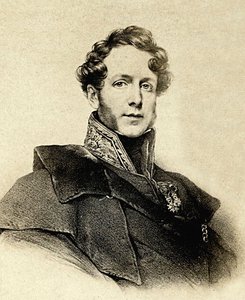
jacques boucher de crevecoeur de perthes
1788 - 1868 , France
Kratke činjenice
- Artistic Movement Or Style: Archaeology
- Artists Or Movements Influenced By This Artist: ['Paleolithic']
- Artists Who Influenced This Artist: ['Charles Lyell']
- Date Of Birth: September 10, 1788
- Date Of Death: August 5, 1868
- Full Name: Jacques Boucher de Crèvecœur de Perthes
- Nationality: French
- Notable Artworks: ['Blade and Bone: The Discovery of Human Antiquity']
- Place Of Birth: Rethel, France