

 Pregledaj u prostoru
 Pošalji
 Podeli
 Detalji o delu

 Преузми
 Slični predmeti
 Rendgenski snimak
 Slajdovi
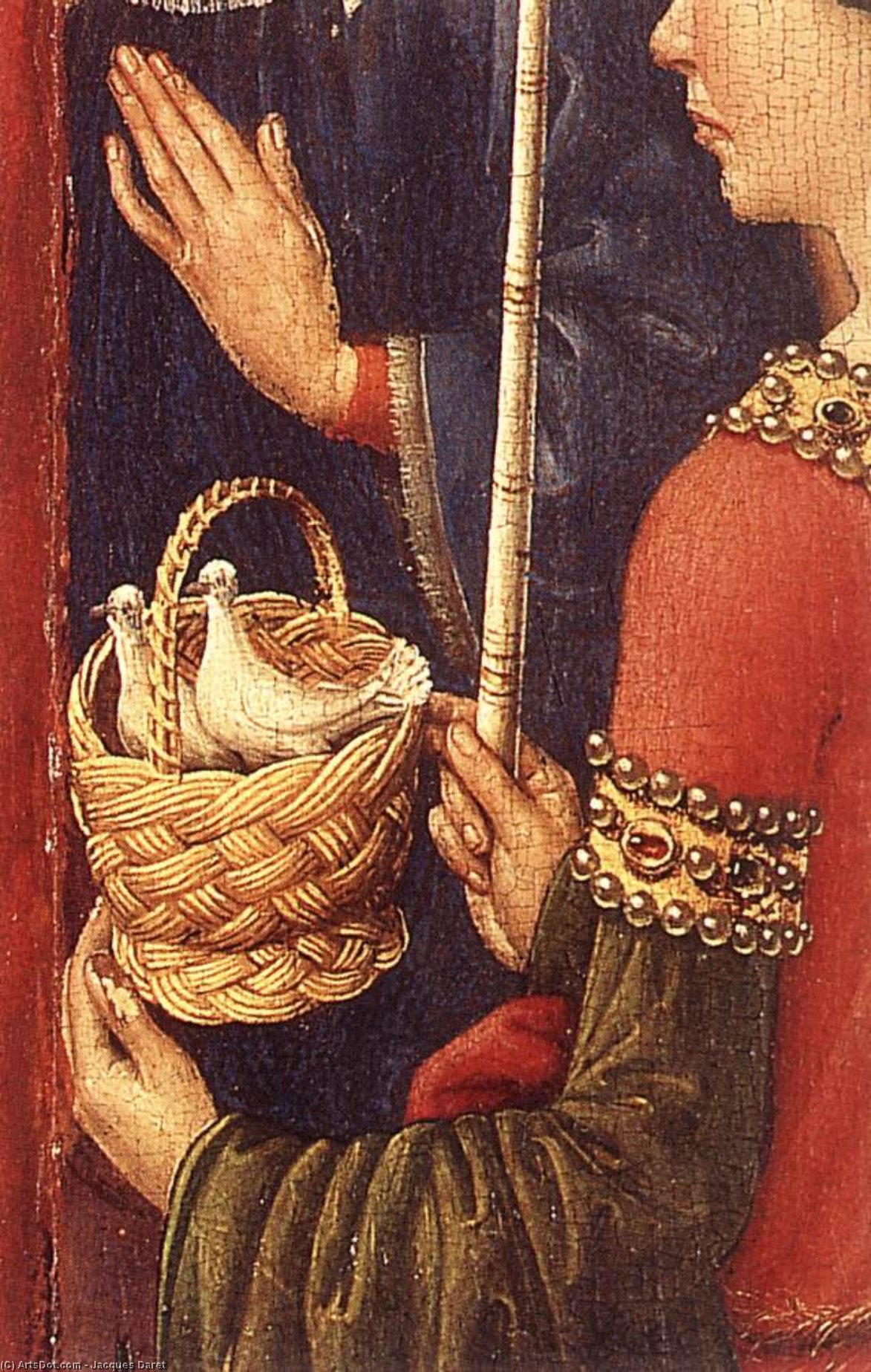
Altarpiece of the Virgin (detail)


 Pročitaj više
Kupite digitalnu sliku visoke rezolucije i poboljšanog kvaliteta, koja je znatno superiornija od onoga što vidite u online prikazu.
Svaka datoteka je pedantno pripremljena od strane naših stručnjaka koristeći napredne alate i profesionalnu ručnu retušu. Osiguravamo da svaka slika ima izuzetnu oštrinu, preciznu reprodukciju boja i fine detalje.
Konačna datoteka se dostavlja putem e-pošte u roku od 72 sata, optimizovana za neposrednu upotrebu u profesionalnim, izdavačkim i štamparskim okruženjima. To je isti kvalitet kojem veruju vrhunski studiji dizajna, izdavači i galerije.
Digitalna slika
Preuzmite datoteku visoke rezolucije za ličnu upotrebu, štampanje i kreativne projekte. ( Kupi print Kupi ručno naslikanu sliku)
Uključeno uz svaku porudžbinu digitalne slike
Profesionalna digitalna isporuka, zagarantovana
Kada odaberete ArtsDot.com, ne dobijate samo sliku – vi primate profesionalno unapređeno digitalno umetničko delo, izrađeno sa najvećom preciznošću i uz garanciju zadovoljstva. Evo svega što automatski dolazi uz vašu porudžbinu:

Brza dostava putem e-pošte
Vaša digitalna slika visoke rezolucije biće vam poslata putem e-pošte u roku od 72 sata od poručivanja – spremna za trenutnu upotrebu.

Digitalna datoteka unapređena veštačkom inteligencijom
Vaše umetničko delo je profesionalno optimizovano korišćenjem naprednih AI alata i ručne obrade, čime se osiguravaju maksimalni detalji, oštrina i preciznost boja.

Besplatna ponovna isporuka doživotno
Slučajno ste obrisali ili izgubili svoju datoteku? Ne brinite – poslaćemo vam je ponovo u bilo kom trenutku, potpuno besplatno.

Bez troškova uvoza – zauvek
Uživajte u svojim umetničkim delima trenutno, bez carine, dažbina ili troškova dostave – digitalni download je uvek bez poreza.

Garancija vernosti boja
Uz pomoć profesionalnih alata i upravljanja bojama, osiguravamo da vaša digitalna slika što vernije odražava originalne boje.

Garancija zadovoljstva u roku od 60 dana
Ako niste zadovoljni svojom digitalnom slikom, revidirat ćemo je ili vratiti 100% novca u roku od 60 dana – bez ikakvih pitanja.

100% garancija povrata novca
Niste zadovoljni? Obezbedite pun povrat novca u roku od 60 dana od trenutka kada ste primili svoju digitalnu datoteku – bez suvišnih pitanja.

Popusti na velike porudžbine
Kupite 3 slike, uštedite 10% - Kupite 5 slika, uštedite 15% - Kupite 10+ slika, uštedite 20%. Odlično za kreativne projekte, galerije i agencije.
Opis kolekcionarskog dela
Composition and Symbolism
The Altarpiece of the Virgin features two figures in the foreground, interacting with each other in a symbolic exchange. One figure holds a basket containing birds or doves, which represent peace or the Holy Spirit in religious art. The other figure holds a staff and gestures towards the basket, possibly indicating an offering. The background features a red curtain, typical of altarpieces, which frames the scene and draws attention to the figures. Key elements of the painting include fine brushwork, detailed textures, and a limited color palette with dominant tones of red, blue, and gold. These characteristics are common in Gothic art and add depth and meaning to the composition. The Musée du Petit Palais is home to an impressive collection of French paintings, sculptures, and artifacts, including works by other notable artists such as Lorenzo Monaco and Gustave Courbet.- View the Altarpiece of the Virgin (detail) by Jacques Daret
- Discover more about the Altarpiece of the Virgin by Jacques Daret
- Explore the Musée du Petit Palais collection and learn more about Jacques Daret and other artists
The Altarpiece of the Virgin by Jacques Daret is a remarkable example of Gothic art, showcasing the artist's skill and attention to detail. This painting is a must-see for anyone interested in art history and the works of Jacques Daret.
Srodna umetnička dela







Biografija umetnika
Leon Battista Alberti: The Architect of Renaissance Thought
Leon Battista Alberti, born in Genoa in 1404 and passing away in Rome in 1472, stands as a towering figure in the transition from medieval to Renaissance thought. More than simply an architect, artist, or humanist scholar, he embodied the ideal of the “universal man”—a concept central to the burgeoning intellectual climate of his era. His profound impact on art theory and practice, coupled with his innovative contributions across numerous disciplines, cemented his legacy as a foundational figure in Western culture. Alberti’s life was one of relentless curiosity and an unyielding pursuit of knowledge, shaping not only his own work but also influencing generations of artists and thinkers to come.- Early Life and Education: Born into a wealthy Genoese merchant family, Alberti's upbringing instilled in him a deep appreciation for mathematics, logic, and the practical arts – skills crucial for managing a burgeoning trade empire. Despite his noble lineage, he was sent to Bologna to study law, a common path for young men of his social standing. However, it was during his time in Florence that Alberti’s true intellectual journey began. He immersed himself in the study of classical literature and philosophy, encountering the humanist ideals championed by figures like Petrarch and Boccaccio.
- Rome and Papal Patronage: Seeking a more stimulating environment for his studies, Alberti traveled to Rome in 1431, entering the service of the papal court under Pope Martin V. This period proved transformative, exposing him to the grandeur of ancient Roman ruins – a source of immense inspiration that would profoundly shape his architectural designs. He also took holy orders, becoming a priest and dedicating himself to the pursuit of knowledge within the Church’s intellectual sphere.
Architectural Innovation: Bridging Antiquity and Modernity
Alberti's architectural achievements are arguably his most enduring legacy. Rejecting the Gothic style prevalent at the time, he sought to revive the principles of classical Roman architecture, believing that these forms represented the pinnacle of aesthetic perfection. His treatise *De re aedificatoria* (On Architecture), published in 1452, became a seminal work, outlining his theories on proportion, harmony, and perspective – essentially providing a blueprint for Renaissance architecture.- Key Architectural Works: Alberti’s designs are characterized by their meticulous attention to detail, mathematical precision, and harmonious proportions. Notable examples of his architectural prowess include the Tempio Malatestiano in Rimini, a stunning example of early Renaissance design that seamlessly blends classical elements with innovative structural solutions; the Palazzo Rucellai in Florence, showcasing a refined façade based on Roman precedents; and the Basilica of Sant’Andrea in Mantua, a masterpiece of civic architecture.
- The Principles of Design: Alberti's architectural philosophy revolved around the concept of “proportion,” arguing that all elements within a building should be related to one another in a harmonious and balanced manner. He emphasized the importance of symmetry, order, and clarity – principles derived from his study of classical architecture and mathematical ratios.
Beyond Architecture: A Polymathic Mind
Alberti’s intellectual curiosity extended far beyond the realm of architecture. He was a prolific writer, producing treatises on painting (*De pictura*), sculpture (*De statua*), and cryptography. His work in mathematics demonstrated a deep understanding of geometry and perspective, contributing significantly to the development of these fields. Furthermore, he wrote extensively on languages, including Latin, Italian, Greek, and Hebrew, mastering their grammar and rhetoric with remarkable skill.- Cryptography and Renaissance Secrets: Alberti is widely considered the founder of modern cryptography, developing a complex cipher system that was used for centuries. His work in this area reveals a keen interest in secrecy and security – subjects that were increasingly relevant during the tumultuous political landscape of the Italian Renaissance.
- The “Universal Man” Ideal: Alberti’s diverse range of interests and accomplishments perfectly exemplified the humanist ideal of the “universal man”—an individual capable of excelling in multiple fields of knowledge and endeavor. This concept reflected a broader cultural shift during the Renaissance, emphasizing human potential and intellectual achievement.
Legacy and Influence: Shaping the Renaissance and Beyond
Leon Battista Alberti’s influence on art and architecture is immeasurable. His *De re aedificatoria* became a foundational text for generations of architects, shaping the course of Western architectural design. His theories on perspective revolutionized painting, influencing artists such as Leonardo da Vinci and Raphael. Moreover, his emphasis on humanism and intellectual curiosity helped to usher in a new era of artistic and philosophical inquiry.- Vasari’s Account: Alberti's life and work were documented by Giorgio Vasari in *Lives of the Most Excellent Painters, Sculptors, and Architects*, where he is portrayed as a pivotal figure in the transition from medieval to Renaissance art.
- Enduring Relevance: Even today, Alberti’s ideas continue to resonate with artists, architects, and scholars—a testament to his enduring legacy as one of the most influential figures in Western intellectual history. His pursuit of knowledge, combined with his artistic vision, serves as an inspiration for those who seek to understand and shape the world around them.
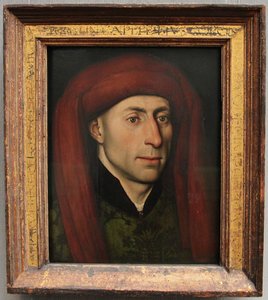
jacques daret
1404 - 1470

