

 Pregledaj u prostoru
 Pošalji
 Podeli
 Detalji o delu

 Преузми
 Slični predmeti
 Rendgenski snimak
 Slajdovi
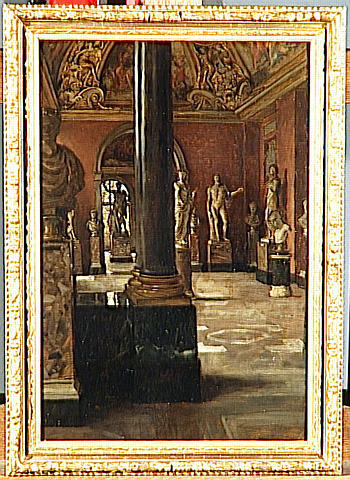
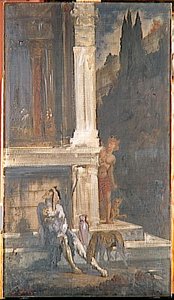
VUE DE LA SALLE DE SEPTIME SEVERE PRISE DE LA SALLE DE LA PAIX AU LOUVRE


 Pročitaj više
Kupite digitalnu sliku visoke rezolucije i poboljšanog kvaliteta, koja je znatno superiornija od onoga što vidite u online prikazu.
Svaka datoteka je pedantno pripremljena od strane naših stručnjaka koristeći napredne alate i profesionalnu ručnu retušu. Osiguravamo da svaka slika ima izuzetnu oštrinu, preciznu reprodukciju boja i fine detalje.
Konačna datoteka se dostavlja putem e-pošte u roku od 72 sata, optimizovana za neposrednu upotrebu u profesionalnim, izdavačkim i štamparskim okruženjima. To je isti kvalitet kojem veruju vrhunski studiji dizajna, izdavači i galerije.
Digitalna slika
Preuzmite datoteku visoke rezolucije za ličnu upotrebu, štampanje i kreativne projekte. ( Kupi print Kupi ručno naslikanu sliku)
Uključeno uz svaku porudžbinu digitalne slike
Profesionalna digitalna isporuka, zagarantovana
Kada odaberete ArtsDot.com, ne dobijate samo sliku – vi primate profesionalno unapređeno digitalno umetničko delo, izrađeno sa najvećom preciznošću i uz garanciju zadovoljstva. Evo svega što automatski dolazi uz vašu porudžbinu:

Brza dostava putem e-pošte
Vaša digitalna slika visoke rezolucije biće vam poslata putem e-pošte u roku od 72 sata od poručivanja – spremna za trenutnu upotrebu.

Digitalna datoteka unapređena veštačkom inteligencijom
Vaše umetničko delo je profesionalno optimizovano korišćenjem naprednih AI alata i ručne obrade, čime se osiguravaju maksimalni detalji, oštrina i preciznost boja.

Besplatna ponovna isporuka doživotno
Slučajno ste obrisali ili izgubili svoju datoteku? Ne brinite – poslaćemo vam je ponovo u bilo kom trenutku, potpuno besplatno.

Bez troškova uvoza – zauvek
Uživajte u svojim umetničkim delima trenutno, bez carine, dažbina ili troškova dostave – digitalni download je uvek bez poreza.

Garancija vernosti boja
Uz pomoć profesionalnih alata i upravljanja bojama, osiguravamo da vaša digitalna slika što vernije odražava originalne boje.

Garancija zadovoljstva od 100 dana
Ako niste zadovoljni svojom digitalnom slikom, izvršićemo reviziju ili ćemo vam vratiti 100% novca u roku od 100 dana – bez ikakvih pitanja.

100% garancija povrata novca
Niste zadovoljni? Dobijte puni povraćaj novca u roku od 100 dana od prijema digitalne datoteke – bez suvišnih pitanja.

Popusti na velike porudžbine
Kupite 3 slike, uštedite 10% - Kupite 5 slika, uštedite 15% - Kupite 10+ slika, uštedite 20%. Odlično za kreativne projekte, galerije i agencije.
A Glimpse into Grandeur: The Louvre's Echoes
To stand before this depiction of the Louvre’s grand halls is to step directly into the heart of 19th-century Parisian cultural life. This artwork, capturing a view within what was once the magnificent Salle de la Paix, is more than just a painting; it is a meticulously preserved memory of an era obsessed with classical beauty and monumental history. The composition immediately envelops the viewer in a sense of awe, drawing the eye deep into the receding perspective of the hall. Dominating the foreground, the massive Corinthian column acts as both a structural anchor and a visual curtain, framing the treasures held within—the sublime, silent company of classical sculpture.
Mastery of Light and Shadow: Technical Brilliance
The technical execution speaks volumes about the skill of James Jacques Joseph Tissot. His style masterfully navigates the delicate boundary between strict Realism and the burgeoning spirit of Impressionism. Observe how the light, diffused and seemingly entering from unseen sources beyond the frame, bathes the marble figures in a soft, ethereal glow. This careful handling of illumination allows the artist to articulate varied textures: the cool, polished sheen of ancient stone contrasts beautifully with the implied roughness of the aged walls and the subtle grain visible in the painted canvas itself. The use of linear perspective is breathtaking; every receding line guides the gaze toward an imagined depth, giving the reproduction a palpable sense of three-dimensional space.
The Dialogue Between Eras: Symbolism and Subject
The subject matter—a museum hall filled with antiquity—is inherently symbolic. It speaks to humanity’s enduring relationship with its own past. The classical sculptures are not merely decorative elements; they embody ideals of beauty, heroism, and timeless human form. For the modern collector or designer, this piece offers a profound connection to cultural heritage. It suggests that true beauty is both monumental and intimate, capable of being appreciated across centuries. The warm earth tones—ochres, muted reds, and rich browns—create an atmosphere of deep reverence, making any room it graces feel instantly imbued with history.
Bringing Salon Grandeur Home
For those seeking to infuse a space with the sophisticated gravitas of Old World artistry, this reproduction offers unparalleled depth. Whether adorning a formal drawing-room or serving as a focal point in an elegant gallery setting, its narrative power is undeniable. Tissot’s ability to capture both the architectural rigor and the fleeting atmospheric quality elevates this piece beyond mere decoration; it becomes a curated experience. Owning this work allows one to possess not just paint on canvas, but a tangible echo of Parisian artistic zenith.
Srodna umetnička dela
Biografija umetnika
James Jacques Joseph Tissot (1836-1902): A Victorian Visionary Bridging Realism and Impressionism
James Jacques Joseph Tissot, born October 15th, 1836, in Paris, France, was a prolific painter whose career spanned decades and cemented his place as one of the most celebrated artists of the Victorian era. Though initially trained as an architect, Tissot swiftly abandoned this path for the captivating allure of painting, dedicating himself to capturing the grandeur and intricacies of Parisian society alongside profound biblical narratives. His distinctive style—a masterful blend of realism and Impressionistic techniques—continues to fascinate art historians and collectors alike.- Early Life & Artistic Training: Tissot’s formative years were marked by a privileged upbringing within a wealthy family, affording him access to exceptional artistic instruction. He studied architecture at École Polytechnique before transitioning to drawing under Alexandre Cabanel and Jean-Léon Gérôme, absorbing the stylistic influences of academic realism prevalent during his time. These foundational experiences instilled in him a meticulous attention to detail and a disciplined approach to composition—traits that would characterize his entire oeuvre.
- Victorian Paris & Societal Portraiture: Tissot’s artistic breakthrough arrived with his depictions of Parisian life during the Belle Époque. He meticulously documented scenes from theaters, opera houses, and fashionable gatherings, capturing not only visual splendor but also subtle nuances of social behavior. His canvases—such as “The Rubens Hat” and “Tea”—became iconic representations of Victorian elegance and sophistication, reflecting the anxieties and aspirations of a rapidly changing society.
- Biblical Narratives & Dramatic Composition: Beyond urban landscapes, Tissot excelled in portraying biblical stories with remarkable theatricality. He approached these narratives with an unwavering commitment to historical accuracy combined with expressive brushwork—a hallmark of Impressionism—creating emotionally resonant images that captivated audiences. Notable works include “The Finding of the Holy Grail” and “The Last Supper,” demonstrating his ability to convey spiritual depth alongside visual dynamism.
- Technique & Artistic Evolution: Tissot’s artistic technique evolved considerably throughout his career. Initially favoring academic realism, he gradually embraced Impressionistic influences, experimenting with looser brushstrokes and capturing fleeting moments of light and color. This stylistic shift allowed him to imbue his paintings with a palpable sense of atmosphere and emotion—a departure from the static formality of earlier works.
- Legacy & Historical Significance: Jacques Joseph Tissot died August 8th, 1902, leaving behind an impressive body of work that continues to inspire admiration. His paintings are housed in prominent museums worldwide, including the Bibliothèque Nationale Centrale and the Getty Museum, testament to his enduring artistic legacy. More than simply documenting his era, Tissot elevated painting to a form of storytelling—a powerful blend of observation and imagination that solidified his position as one of the most influential artists of the Victorian period.
Further Exploration
You can delve deeper into Tissot’s artistic journey by visiting these resources:- James Tissot - Wikipedia:https://en.wikipedia.org/wiki/James_Tissot
- Jacques Joseph Tissot - Getty Museum:https://www.getty.edu/art/collection/person/103KY1
- Jacques Joseph Tissot: A Chronicle of Parisian Life & Narrative Evolution:/en/articles/jacques-joseph-tissot-a-chronicle-of-parisian-life-narrative-evolution-en/
- James Tissot (1836-1902), Ambiguously modern | Musée d’Orsay:https://www.musee-orsay.fr/en/whats-on/exhibitions/presentation/james-tissot-1836-1902-ambiguously-modern
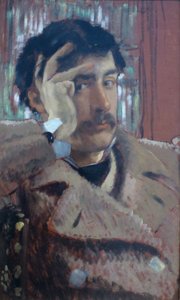
Žak Josif Tiso
1836 - 1902 , Francuska
Kratke činjenice
- Artistic Movement Or Style: Realizam i impresionizam
- Artists Or Movements Influenced By This Artist: ['Impresionizam']
- Artists Who Influenced This Artist:
- Gustave Courbet
- Jean-François Millet
- Date Of Birth: 15. oktobar 1836.
- Date Of Death: 8. avgust 1902.
- Full Name: Jacques Joseph Tissot
- Nationality: Francusko
- Notable Artworks:
- Rubensova kapa
- Čaj
- Place Of Birth: Pariz, Francuska