

 Pregledaj u prostoru
 Pošalji
 Podeli
 Detalji o delu

 Преузми
 Slični predmeti
 Rendgenski snimak
 Slajdovi
 Statistika
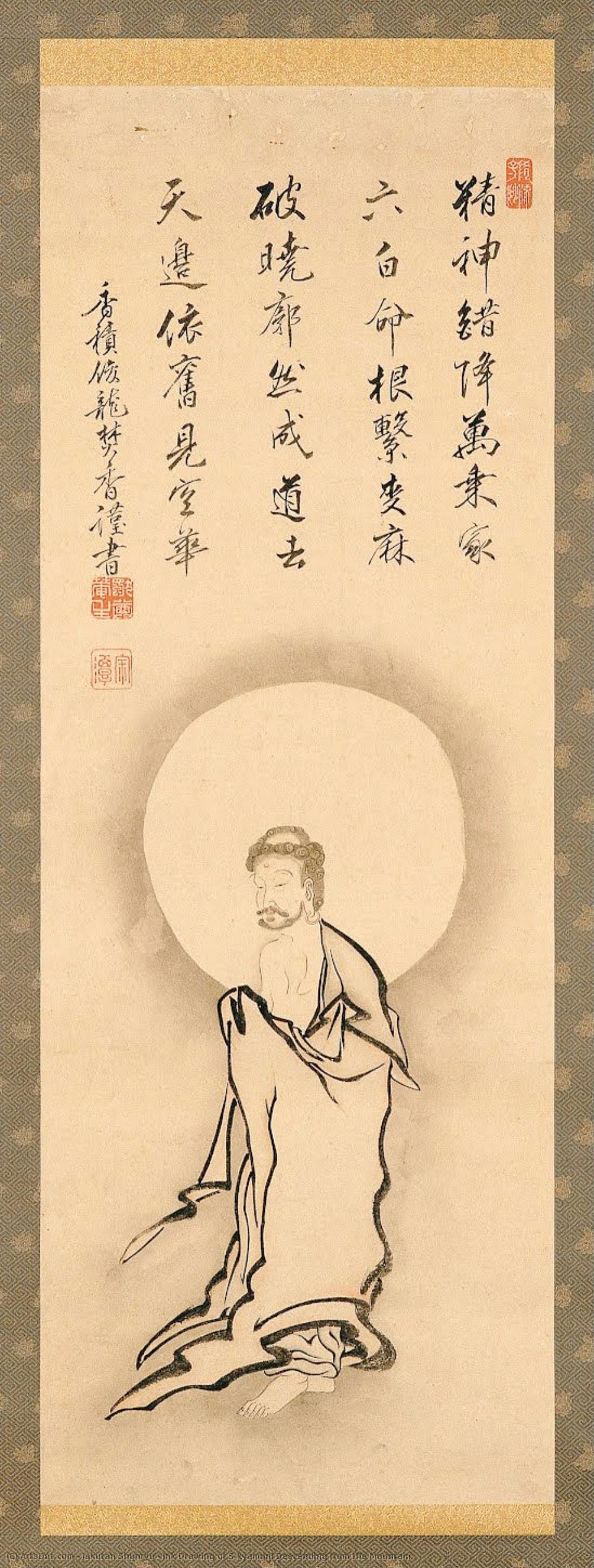
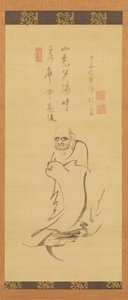
Ink Drawing of Śākyamuni Descending from the Mountain

 Pročitaj više
Kupite digitalnu sliku visoke rezolucije i poboljšanog kvaliteta, koja je znatno superiornija od onoga što vidite u online prikazu.
Svaka datoteka je pedantno pripremljena od strane naših stručnjaka koristeći napredne alate i profesionalnu ručnu retušu. Osiguravamo da svaka slika ima izuzetnu oštrinu, preciznu reprodukciju boja i fine detalje.
Konačna datoteka se dostavlja putem e-pošte u roku od 72 sata, optimizovana za neposrednu upotrebu u profesionalnim, izdavačkim i štamparskim okruženjima. To je isti kvalitet kojem veruju vrhunski studiji dizajna, izdavači i galerije.
Digitalna slika
Preuzmite datoteku visoke rezolucije za ličnu upotrebu, štampanje i kreativne projekte. ( Pređi na štampu Kupi ručno naslikanu sliku)
Uključeno uz svaku porudžbinu digitalne slike
Profesionalna digitalna isporuka, zagarantovana
Kada odaberete ArtsDot.com, ne dobijate samo sliku – vi primate profesionalno unapređeno digitalno umetničko delo, izrađeno sa najvećom preciznošću i uz garanciju zadovoljstva. Evo svega što automatski dolazi uz vašu porudžbinu:

Brza dostava putem e-pošte
Vaša digitalna slika visoke rezolucije biće vam poslata putem e-pošte u roku od 72 sata od poručivanja – spremna za trenutnu upotrebu.

Digitalna datoteka unapređena veštačkom inteligencijom
Vaše umetničko delo je profesionalno optimizovano korišćenjem naprednih AI alata i ručne obrade, čime se osiguravaju maksimalni detalji, oštrina i preciznost boja.

Besplatna ponovna isporuka doživotno
Slučajno ste obrisali ili izgubili svoju datoteku? Ne brinite – poslaćemo vam je ponovo u bilo kom trenutku, potpuno besplatno.

Bez troškova uvoza – zauvek
Uživajte u svojim umetničkim delima trenutno, bez carine, dažbina ili troškova dostave – digitalni download je uvek bez poreza.

Garancija vernosti boja
Uz pomoć profesionalnih alata i upravljanja bojama, osiguravamo da vaša digitalna slika što vernije odražava originalne boje.

Garancija zadovoljstva od 100 dana
Ako niste zadovoljni svojom digitalnom slikom, izvršićemo reviziju ili ćemo vam vratiti 100% novca u roku od 100 dana – bez ikakvih pitanja.

100% garancija povrata novca
Niste zadovoljni? Dobijte puni povraćaj novca u roku od 100 dana od prijema digitalne datoteke – bez suvišnih pitanja.

Popusti na velike porudžbine
Kupite 3 slike, uštedite 10% - Kupite 5 slika, uštedite 15% - Kupite 10+ slika, uštedite 20%. Odlično za kreativne projekte, galerije i agencije.
Srodna umetnička dela



Biografija umetnika
Jakutan Shunryū (1797 – 1869): The Last Zen Master of Tokugawa Japan
Jakutan Shunryū, known as Dokusondōjin, stands as a poignant figure in the twilight years of the Tokugawa shogunate and heralds the dawn of the Meiji era. Born Mikawa Prefecture, he was more than just a monk; he embodied the spirit of traditional Zen Buddhism – meticulous scholarship combined with profound artistic expression—a testament to an era rapidly transforming under Western influence. His life’s trajectory mirrored the broader cultural shifts occurring in Japan, culminating in his passing at the age of seventy-two amidst the upheaval of modernization.- Early Life and Training: Shunryū's formative years were spent diligently pursuing monastic training within the Sōtō Zen tradition. Precise biographical details remain scarce, reflecting the limitations of historical records during that period. However, his ascension to fūgai honkō in Tenpō 12 (1841) – a prestigious temple position – signaled his commitment to upholding Buddhist principles and establishing himself as a respected leader within his monastic community.
- Temple Roles and Patronage: Shunryū’s influence extended beyond fūgai honkō. He skillfully navigated the complexities of temple administration, securing roles at kyokai tōryū (1853) and seiryōji (1861), temples associated with influential clans – the ii clan – demonstrating his astute understanding of political dynamics.
- Artistic Legacy: Shunryū’s artistic pursuits were inseparable from his spiritual practice. He excelled in calligraphy and painting, primarily focusing on depictions of Buddhist patriarchs and landscapes. His works are characterized by a serene stillness and masterful execution, reflecting the core tenets of Zen philosophy – simplicity, contemplation, and an unwavering pursuit of enlightenment.
Zen Philosophy and Artistic Technique
Shunryū’s artistic output wasn't merely decorative; it served as a conduit for conveying Zen Buddhist concepts. He adhered to the precepts of shikantaza (“just sitting”), prioritizing direct experience over intellectual analysis. This approach permeated his paintings, resulting in compositions that eschewed elaborate ornamentation and instead emphasized subtle tonal gradations and precise brushstrokes—techniques honed through years of disciplined meditation. The landscapes he rendered weren’t merely scenic representations; they functioned as metaphors for the mind's journey toward emptiness.- Iconic Subjects: Shunryū’s most celebrated works depict Śākyamuni Buddha and other patriarchs, capturing their serene expressions and conveying a sense of profound wisdom. These images exemplify Zen’s emphasis on inner stillness and contemplation.
- Brushwork and Composition: His brushwork is remarkably controlled, utilizing delicate washes and precise lines to achieve remarkable textural depth and luminosity. Shunryū's compositions often incorporate asymmetrical arrangements that subtly disrupt conventional visual harmony—a deliberate stylistic choice reflecting Zen’s rejection of duality.
Major Achievements and Historical Significance
Shunryū’s contribution to Japanese art history is significant not only for his technical prowess but also for representing the final vestiges of Tokugawa artistic tradition. As a monk who championed both calligraphy and painting, he embodies the ideal of blending spiritual contemplation with creative expression—a model upheld by subsequent generations of Zen artists. His legacy persists as a reminder of Japan’s rich cultural heritage before the rapid influx of Western ideas and influences.- Influence on Later Artists: Shunryū's style profoundly impacted later Zen painters, establishing precedents for minimalist compositions and tonal harmony that continue to resonate within Japanese art today.
- Symbolism in Landscape Painting: His landscapes are imbued with symbolic meaning—representing the mind’s journey toward enlightenment—and exemplify Zen’s belief in the interconnectedness of all things.
Concluding Reflections
Jakutan Shunryū's life and art serve as a poignant chronicle of a bygone era. He remains an enduring symbol of Zen Buddhism’s commitment to simplicity, contemplation, and artistic excellence—a testament to Japan’s spiritual heritage at the cusp of modernity.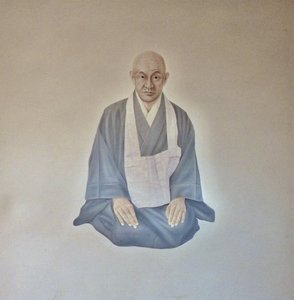
jakutan shunryū
1797 - 1869 , Japan
Kratke činjenice
- Artistic Movement Or Style: Sōtō Zen
- Date Of Birth: 1797
- Full Name: jakutan shunryū
- Nationality: Japanese
- Notable Artworks:
- Ink Drawing of the Buddha at Birth
- Ink Drawing of Śākyamuni Descending from the Mountain
- Place Of Birth: Mikawa Prefecture, Japan