

 Pregledaj u prostoru
 Pošalji
 Podeli
 Detalji o delu

 Преузми
 Slični predmeti
 Rendgenski snimak
 Slajdovi
 Statistika
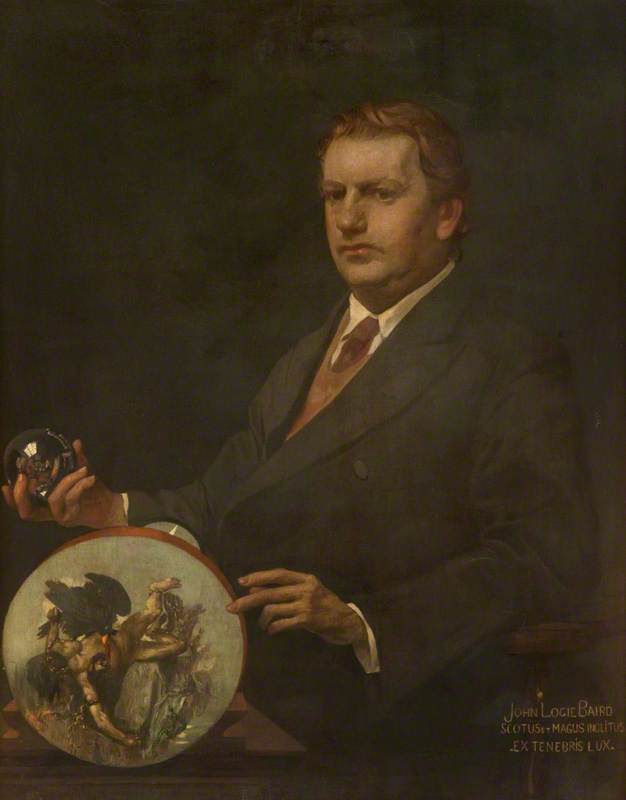
John Logie Baird (1888–1946), Engineer
 101.0 x 80.0 cm
 Pročitaj više
Giclee štampa / Umetnički otisak
Giclée štampa ili print na platnu muzejskog kvaliteta uz brzu proizvodnju i fleksibilne opcije završne obrade. ( Kupi ručno naslikanu sliku Pređi na digitalnu sliku)




































Izaberite jednu od naših unapred definisanih veličina koje odgovaraju originalnim proporcijama umetničkog dela.

Možete uneti sopstvene dimenzije kako biste umetničko delo prilagodili specifičnom okviru ili prostoru. Ako odabrani format ne odgovara proporcijama originalne slike, mi ćemo ili iscrtati deo dela ili proširiti sliku pomoću ogledane ivice ili jednobojnog popunjavanja. Digitalni prikaz će vam biti poslat na odobrenje pre početka proizvodnje.
Imajte na umu da pregled na ekranu ne odražava stvarno iscrtavanje ili proširivanje. Samo će prikaz (mockup) precizno pokazati finalnu kompoziciju.
Iako su prilagođene dimenzije dostupne, preporučujemo da odaberete dimenziju sa unapred definisane liste kako biste očuvali originalne proporcije.
Dostava širom sveta () za 2 nedelje umesto uobičajenih 4/5 nedelja. (8 септембар)

Besplatna ekspresna dostava širom sveta

Visokokvalitetno laneno platno

Kompletno osiguranje transporta

Garancija povraćaja carine i uvoznih dažbina

Garancija vernosti boja

Politika povraćaja u roku od 100 dana (isključivo u slučaju nedostataka)

Garancija povrata novca od 100%

Popust pri grupnoj kupovini
 Opcija sa staklom dostupna je samo za dimenzije manje od 110 cm

John Logie Baird (1888–1946), Engineer
Giclee štampa / Umetnički otisak
Dimenzije reprodukcije
-


Konačna cena
$ 62
Srodna umetnička dela






Biografija umetnika
James Kerr Lawson: A Portraitist of Victorian Elegance and Venetian Dreams
James Kerr Lawson (1862-1939) emerged as a significant figure in early 20th-century British art, primarily recognized for his evocative portraits and atmospheric depictions of Venice and Rome. His work, characterized by a meticulous attention to detail, subtle color palettes, and an ability to capture fleeting moments of elegance and emotion, reflects the influence of both Realist painting and the Impressionistic movement while retaining a distinctly Victorian sensibility. Born in Anstruther, Scotland, Lawson’s artistic journey took him across continents, ultimately establishing him as a respected artist with a unique visual language.
Lawson's early training began at the Ontario School of Art in Canada, providing him with foundational skills before he embarked on a period of intensive study in Italy. This immersion in the classical traditions and vibrant atmosphere of Rome profoundly shaped his artistic approach. He honed his technique under Luigi Galli at the Accademia di Belle Arti, absorbing the principles of composition, color theory, and anatomical accuracy that would become hallmarks of his work. Returning to Canada briefly before settling permanently in London, Lawson established himself as a professional artist, quickly gaining recognition for his ability to portray both the outward appearance and inner character of his subjects.
The Palette of Venice and Rome
Lawson’s artistic focus shifted dramatically after relocating to England, with Venice and Rome becoming recurring themes in his oeuvre. These cities provided him with an endless source of inspiration – the shimmering canals, the crumbling palazzi, the light filtering through ancient stone, and the faces of the inhabitants all contributed to a rich visual vocabulary. His Venetian paintings are particularly celebrated for their atmospheric quality; he masterfully captured the hazy light, the reflections on water, and the sense of timelessness that defines this unique city. He frequently employed a muted color palette, relying on subtle gradations of tone to create depth and luminosity, reminiscent of Canaletto’s masterful depictions of Venice.
Similarly, his Roman works explored the grandeur and decay of the ancient city. Lawson was fascinated by the interplay of light and shadow on weathered facades, capturing the essence of classical architecture with a keen eye for detail. His portraits often incorporated elements of these settings – a glimpse of a Venetian canal in the background or a Roman ruin subtly integrated into the composition—creating a sense of place and enriching the narrative of each painting.
Portraiture: Capturing Character and Essence
While his landscapes are undeniably captivating, Lawson’s most enduring legacy lies in his portraiture. He possessed an extraordinary ability to capture not just physical likeness but also the personality and inner life of his subjects. His portraits were often characterized by a sense of intimacy and psychological depth, achieved through subtle gestures, expressions, and carefully observed details. He frequently depicted members of the British aristocracy and artistic circles, capturing their social standing and individual character with remarkable skill.
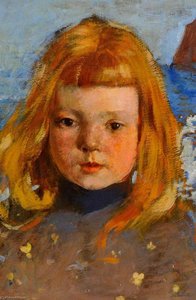
Notable examples include “Man with a Scythe,” a hauntingly beautiful depiction of an elderly farmer that explores themes of mortality and the passage of time; and “Jeannie,” a captivating Impressionistic portrait of a young girl radiating youthful energy. These works demonstrate Lawson’s ability to infuse his portraits with emotion, creating images that resonate deeply with viewers long after they have been seen.
Influence and Legacy
James Kerr Lawson's artistic development was influenced by several key figures, including Jules Bastien-Lepage, whose Realist style informed his early work, and the Impressionists, particularly Monet and Renoir. His association with Bernard Berenson, a prominent art dealer and critic, further shaped his career, providing him with valuable insights into the art market and fostering connections within the European artistic community. Lawson’s work was exhibited widely throughout Europe and North America, earning him critical acclaim and establishing him as a respected artist of his generation.
Today, James Kerr Lawson's paintings are held in prestigious collections around the world, including the National Portrait Gallery in London, the Ferens Art Gallery in Hull, and the Scottish National Gallery. His legacy endures as a testament to his exceptional artistic talent, his ability to capture the beauty of Venice and Rome, and his profound understanding of human character. He remains an important figure in British art history, celebrated for his elegant portraits and atmospheric landscapes that continue to captivate audiences with their timeless appeal.
james kerr lawson
1862 - 1939
Osnovne informacije
- Artistic Movement Or Style: Portraiture, Impressionism
- Artists Or Movements Influenced By This Artist:
- Whistler
- Canadian Art Club
- Artists Who Influenced This Artist:
- Jules Bastien-Lepage
- James McBey
- Date Of Birth: 1862
- Date Of Death: 1939
- Full Name: James Kerr Lawson
- Nationality: Scottish
- Notable Artworks:
- Man with a Scythe
- Jeannie
- Paul Verlaine
- Place Of Birth: Anstruther, Scotland