

 Pregledaj u prostoru
 Pošalji
 Podeli
 Detalji o delu

 Преузми
 Slični predmeti
 Rendgenski snimak
 Slajdovi
 Statistika
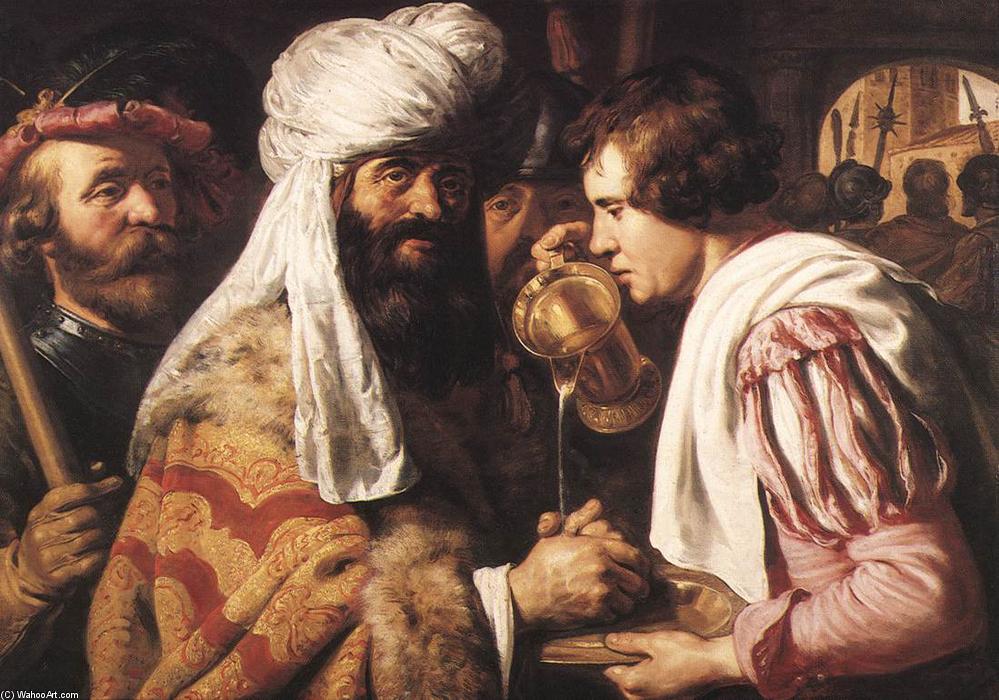
Pilate Washing his Hands


 Pročitaj više
Kupite digitalnu sliku visoke rezolucije i poboljšanog kvaliteta, koja je znatno superiornija od onoga što vidite u online prikazu.
Svaka datoteka je pedantno pripremljena od strane naših stručnjaka koristeći napredne alate i profesionalnu ručnu retušu. Osiguravamo da svaka slika ima izuzetnu oštrinu, preciznu reprodukciju boja i fine detalje.
Konačna datoteka se dostavlja putem e-pošte u roku od 72 sata, optimizovana za neposrednu upotrebu u profesionalnim, izdavačkim i štamparskim okruženjima. To je isti kvalitet kojem veruju vrhunski studiji dizajna, izdavači i galerije.
Digitalna slika
Preuzmite datoteku visoke rezolucije za ličnu upotrebu, štampanje i kreativne projekte. ( Pređi na štampu Kupi ručno naslikanu sliku)
Uključeno uz svaku porudžbinu digitalne slike
Profesionalna digitalna isporuka, zagarantovana
Kada odaberete ArtsDot.com, ne dobijate samo sliku – vi primate profesionalno unapređeno digitalno umetničko delo, izrađeno sa najvećom preciznošću i uz garanciju zadovoljstva. Evo svega što automatski dolazi uz vašu porudžbinu:

Brza dostava putem e-pošte
Vaša digitalna slika visoke rezolucije biće vam poslata putem e-pošte u roku od 72 sata od poručivanja – spremna za trenutnu upotrebu.

Digitalna datoteka unapređena veštačkom inteligencijom
Vaše umetničko delo je profesionalno optimizovano korišćenjem naprednih AI alata i ručne obrade, čime se osiguravaju maksimalni detalji, oštrina i preciznost boja.

Besplatna ponovna isporuka doživotno
Slučajno ste obrisali ili izgubili svoju datoteku? Ne brinite – poslaćemo vam je ponovo u bilo kom trenutku, potpuno besplatno.

Bez troškova uvoza – zauvek
Uživajte u svojim umetničkim delima trenutno, bez carine, dažbina ili troškova dostave – digitalni download je uvek bez poreza.

Garancija vernosti boja
Uz pomoć profesionalnih alata i upravljanja bojama, osiguravamo da vaša digitalna slika što vernije odražava originalne boje.

Garancija zadovoljstva od 100 dana
Ako niste zadovoljni svojom digitalnom slikom, izvršićemo reviziju ili ćemo vam vratiti 100% novca u roku od 100 dana – bez ikakvih pitanja.

100% garancija povrata novca
Niste zadovoljni? Dobijte puni povraćaj novca u roku od 100 dana od prijema digitalne datoteke – bez suvišnih pitanja.

Popusti na velike porudžbine
Kupite 3 slike, uštedite 10% - Kupite 5 slika, uštedite 15% - Kupite 10+ slika, uštedite 20%. Odlično za kreativne projekte, galerije i agencije.
Pilate Washing His Hands: A Study in Doubt and Responsibility
Jan Andrea Lievens’ “Pilate Washing His Hands” isn't merely a depiction of a biblical scene; it’s a profound meditation on power, culpability, and the agonizing weight of decision. Painted around 1624-1625 during his time in Leiden, this oil-on-panel work transcends its historical subject matter to become a timeless exploration of moral ambiguity. Lievens, a student deeply influenced by the dramatic compositions of Caravaggio, masterfully employs chiaroscuro – the stark contrast between light and shadow – to draw the viewer into the scene’s unsettling atmosphere. The muted palette, dominated by browns, grays, and ochres, reinforces this sense of solemnity and foreboding, mirroring the gravity of Pilate's actions.
The composition itself is meticulously constructed. Pilate, rendered in rich, dark robes signifying his Roman authority, occupies a central position, his hands submerged in a basin filled with water. The gesture is deliberate, almost ritualistic – an attempt to cleanse himself of the stain of judgment. However, Lievens subtly undermines this act of purification. The light catches only partially on Pilate’s face, obscuring his expression and hinting at the turmoil within. The figures surrounding him—a soldier holding a basin, another man offering a cloth—are rendered with a restrained realism, their faces devoid of overt emotion, further emphasizing Pilate's isolation and the profound loneliness of his predicament.
Caravaggisti Influences and Dramatic Lighting
Lievens’ artistic lineage is inextricably linked to Caravaggio, whose dramatic use of light and shadow—known as *tenebrism*—was revolutionary for its time. Like Caravaggio, Lievens utilizes strong contrasts to heighten the emotional impact of the scene. The deep shadows enveloping Pilate's figure create a sense of claustrophobia and vulnerability, while the strategically placed highlights draw attention to key details – the water, the hands, and the subtle expressions on the faces of the onlookers. This masterful manipulation of light not only enhances the visual drama but also serves as a metaphor for the moral darkness that Pilate is attempting to conceal.
The painting’s technical execution reveals Lievens' growing skill and confidence. The meticulous detail in the rendering of fabrics, particularly the folds of Pilate’s robe, demonstrates his command of oil paint. Furthermore, the subtle gradations of color and texture create a remarkable sense of depth and realism, transporting the viewer directly into the scene. It is evident that Lievens was not simply copying Caravaggio; he was adapting and transforming the master's techniques to suit his own artistic vision.
Symbolism and Historical Context
“Pilate Washing His Hands” is deeply rooted in its historical context—the trial and crucifixion of Jesus Christ. The act of washing symbolizes Pilate’s attempt to absolve himself of responsibility for the execution, a desperate plea to maintain his position and avoid political repercussions. However, Lievens doesn't offer a simplistic interpretation of this scene. Instead, he presents it as a complex moral dilemma, forcing the viewer to confront the uncomfortable truth that even those in positions of power can be complicit in injustice.
The painting’s placement within the Stedelijk Museum De Lakenhal in Leiden—a museum renowned for its collection of Dutch Golden Age art—further underscores its significance. It stands alongside other masterpieces by Rembrandt and his contemporaries, offering a valuable opportunity to compare and contrast Lievens' style with that of his peers. The scene also reflects broader anxieties about political corruption and the abuse of power prevalent during the turbulent period of the Dutch Republic.
Emotional Resonance and Artistic Legacy
Beyond its historical and artistic merits, “Pilate Washing His Hands” possesses a profound emotional resonance. The painting’s haunting atmosphere evokes feelings of guilt, regret, and moral uncertainty. It serves as a stark reminder of the consequences of inaction and the enduring burden of responsibility. Lievens' ability to capture these complex emotions through his masterful use of light, composition, and color is what elevates this work above mere historical illustration—it becomes a timeless meditation on the human condition.
Reproductions of this powerful image offer an exceptional opportunity to bring this evocative artwork into any setting. The dramatic lighting and intricate details are faithfully reproduced, allowing viewers to experience the same sense of moral contemplation that captivated audiences in 17th-century Leiden.
Srodna umetnička dela
Biografija umetnika
Живот и рани години Јана Ливенса
Јан Андреа Ливенс, рођен у Лајдену 24. октобра 1607. године, био је холандски сликар чије име остаје блиско повезано са златног веком холандског сликарства. Његов талент се манифестовао још у раној младости, а његово дело често се упоређује са делом Рембранда ван Рајна, с обзиром да су обојица радили у сличним стиловима током овог изузетно плодног периода холандске историје. Ливенсов отац, Ливен Хендриксзоон, био је израђивач тапетерија, а Јан је своју уметничку каријеру започео под менторством Јориса Вершотена. Већ са десет година, послат је на двогодишњу праксу код Питера Ластмана у Амстердаму, где је стекао фундаменталне вештине и почео да обликује свој карактеристичан стил.
Успон славе и сарадња са Рембрандом
Већ са дванаест година, Ливенс се прославио као самосталан уметник. Његова копија дела "Демокрит и Хералит" Корнелиса ван Харлема, заједно са портретом његове мајке, Махтелт Јанс ван Нортзант, привукла је пажњу Мориса од Насауа, принца Оранског. Ово га је довело до позива на британски двор у доби од тридесет и једну годину. Најзначајнији период његовог рада обележена је сарадњом са Рембрандом ван Рајном од 1626. до 1631. године. Заједно су створили преко двадесетак слика, цртежа и отисака. Ова конкурентна али плодна сарадња често је представљала изазов у атрибуцији дела из тог периода, због сличности стилова и техника.
Утицаји и карактеристике Ливенсовог рада
Ливенс је био под снажним утицајем каравађиста, што се огледа у његовим драматичним композицијама. Ипак, поседовао је изванредан таленат за сликање у природној величини, што је додатно обогаћивало његов стил. Његова способност да дочара интензивне емоције и реалистичне детаље учинила га је изузетно траженим портретистом. У својим делима често се види комбинација холандског реализма са италијанском страшћу, што је резултирало упечатљивим и аутентичним приказима људских ликова и сцена.
Наслеђе и значајна дела
Нека од најзначајнијих Ливенсових дела укључују:
- Глава старог човека (Нови Орлеанс музеј уметности, уље на платну)
- Брадати човек са беретом (уље на табли, 54 x 46 цм)
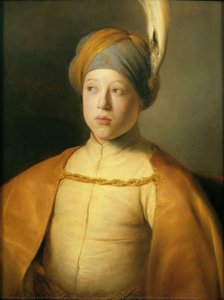
- Дечак у огртачу и турбану (портрет принца Руперта Палатинског) (Лејденска колекција, Њујорк, уље на табли)
Ливенсово наслеђе је обележено значајним доприносом Златном веку холандског сликарства. Његова дела се могу видети у бројним музејима широм света, укључујући Моритсхуис и Кремер колекцију. Истраживања његовог рада настављају да откривају нове аспекте његове уметничке визије и значаја за историју уметности.
Даље читање
- Јан Андреа Ливенс на ArtsDot
- Кремер колекција (Хаг, Холандија) - свеобухватан водич на ArtsDot
- Јан Ливенс на Википедији
Откријте уметнички геније Јана Андреа Ливенса кроз његова задивљујућа дела и сарадњу са другим холандским мајсторима.
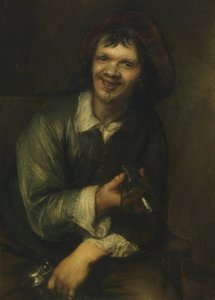
Јан Ливенс
1607 - 1674 , Holandija
Kratke činjenice
- Artistic Movement Or Style: Zlatno doba holandske umetnosti
- Artists Or Movements Influenced By This Artist: ['Rembrandt']
- Artists Who Influenced This Artist:
- Pieter Lastman
- Peter Paul Rubens
- Date Of Birth: 24. oktobar 1607.
- Date Of Death: 4. jun 1674.
- Full Name: Jan Lievens Jan Andrea Lievens
- Nationality: Holanđanin
- Notable Artworks:
- Glava starog čoveka
- Portret Konstantina Hujgensa
- Mladić sa beretkom
- Place Of Birth (City And Country): Leiden, Holandija