

 Pregledaj u prostoru
 Pošalji
 Podeli
 Detalji o delu

 Преузми
 Slični predmeti
 Rendgenski snimak
 Slajdovi
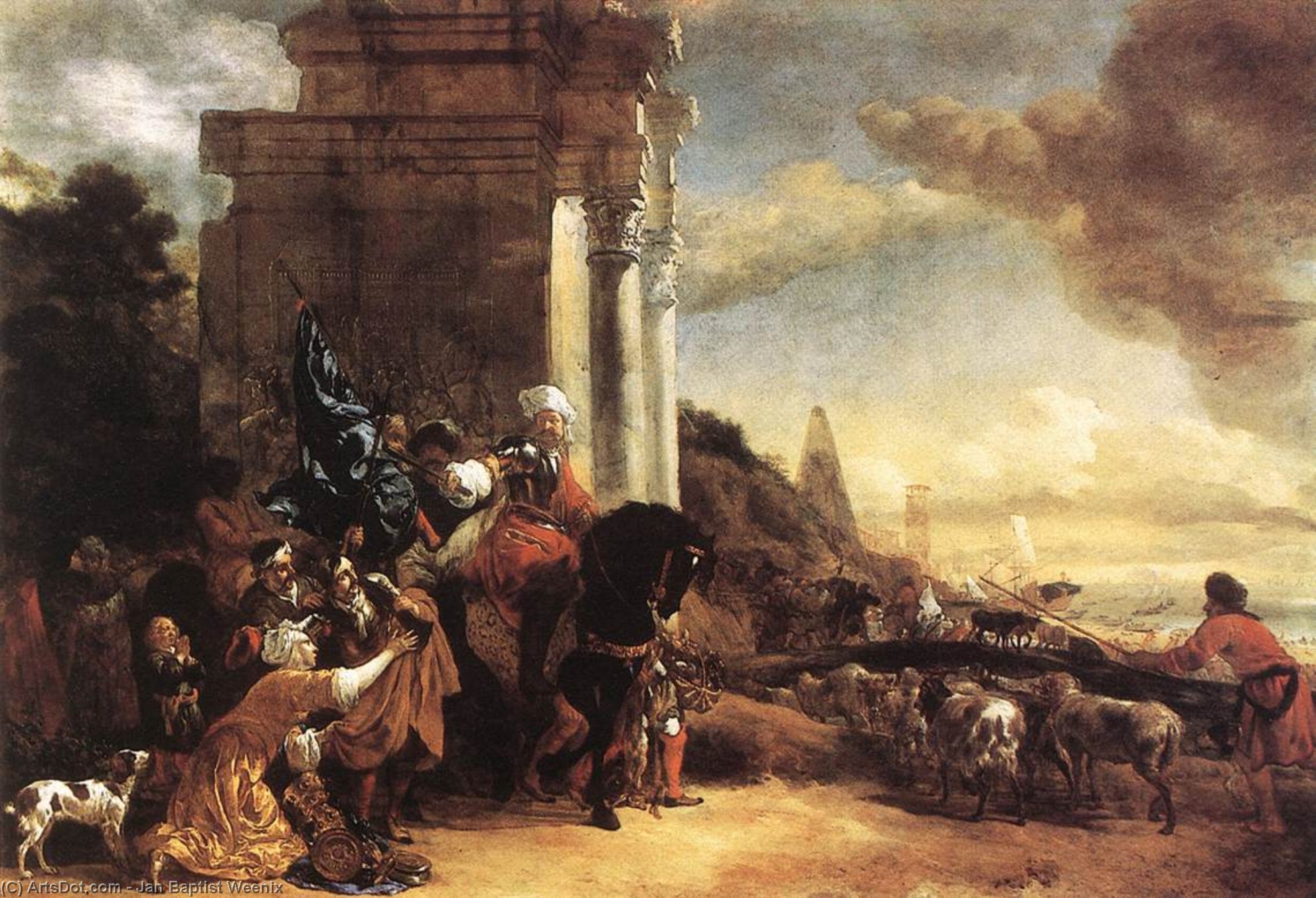
Departure of an Oriental Entourage
 Oil On Canvas
- WallArt
- Italianate Landscapes
 1647
1647- Early Modern
 123.0 x 175.0 cm
 Louvre
 Pročitaj više
Ručno rađena uljana reprodukcija
Ručno oslikano uljanim bojama na platnu u dimenzijama i okviru po vašem izboru, izrađeno po porudžbini od strane naših umetnika. ( Kupi print Kupi digitalnu sliku)




P118B $10

P118H $10

P118W $10

P438Z $10

P508JH $12

P508YH $12

P805H $10

P805Z $10

P919BZ $10

P919G $10

P919XJ $10

P959ZH $10

P968JZ $12

W106C $8

W218G $10

W218JH $8

W218Y $10

W307PJ $10

W316G $10

W316PJ $8

W316Y $10

W398PJ $8

W4111J $10

W500HY $15

W500JH $15

W692G $12

W849H $8

W940BG $15

W953PJ $8




Izaberite jednu od naših unapred definisanih veličina koje odgovaraju originalnim proporcijama umetničkog dela.

Можете унети сопствене димензије како бисте прилагодили дело одређеном оквиру или простору. Ако одабрана величина не одговара пропорцијама оригинала, слика ће бити исечена или проширена додатним елементима који се ручно насликавају. Дигитални prikaz ће вам бити послат на одобрење пре почетка производње.
Имајте на уму да преглед на екрану не одражава стварно исецање или проширење. Само приказ (mockup) ће тачно приказати коначну композицију.
Иако су доступне прилагођене величине, препоручујемо да одаберете димензију из дефинисане листе како бисте сачували оригиналне пропорције.
Nakon narudžbine, tim ArtsDot.com će klijentu putem e-pošte poslati uputstva i dostaviti prikaz predloženog rešenja
Isporuka širom sveta () za 3/4 nedelje umesto uobičajenih 5 nedelja. (22 август). Bez kompromisa po pitanju kvaliteta.

Besplatna ekspresna dostava širom sveta

Visokokvalitetno laneno platno

Kompletno osiguranje transporta

Garancija povraćaja carine i uvoznih dažbina

Garancija vernosti boja

Politika povrata u roku od 60 dana (samo u slučaju nedostataka)

Garancija povrata novca od 100%

Popust pri grupnoj kupovini
 Opcija sa staklom dostupna je samo za dimenzije manje od 110 cm

Departure of an Oriental Entourage
Tehnika reprodukcije
Dimenzije reprodukcije
-


Konačna cena
$ 263
Opis umetničkog dela
Departure of an Oriental Entourage by Jan Baptist Weenix
Jan Baptist Weenix’s “Departure of an Oriental Entourage,” painted in 1647-50, stands as a remarkable testament to the burgeoning fascination with Italianate landscapes during the Dutch Golden Age and represents a pivotal moment in artistic innovation. More than just a depiction of a journey—though it undeniably captures the movement of people traversing a hillside—the painting delves into themes of grandeur, contemplation, and the interplay between humanity and nature, cementing Weenix’s legacy as one of the foremost landscape painters of his time. ### Subject Matter & Composition: The scene unfolds with meticulous detail against a backdrop of rolling hills bathed in soft sunlight. At its center is a procession of figures—men, women, and children—dressed in opulent costumes reflecting the fashions of the 17th century. Notably prominent are horses carrying individuals, symbolizing status and power, alongside foot travelers who appear to be engaged in solemn contemplation. Scattered amongst them are dogs, serving as companions and adding to the overall sense of realism. The artist’s masterful composition guides the viewer's eye across the canvas, creating a dynamic yet harmonious visual experience that prioritizes conveying atmosphere over mere representation. ### Style & Technique: Weenix distinguishes himself from his contemporaries through his pioneering embrace of Italian landscape aesthetics—a stylistic trend championed by artists like Pietro Testa and Andrea Pozzo—infused with human figures. Unlike traditional Dutch landscapes which often focused on serene pastoral scenes, Weenix’s work deliberately incorporates architectural ruins into the panorama, mirroring the influence of Roman antiquities and reflecting a broader intellectual interest in classical ideals. His technique is characterized by meticulous observation and painstaking rendering, utilizing oil paints to achieve luminous tonal gradations and capturing subtle nuances of light and shadow with exceptional accuracy. The artist's brushstrokes are deliberate yet blended seamlessly, creating textures that convincingly simulate the materiality of stone and foliage alike. ### Historical Context & Symbolism: Painted during the reign of Cardinal Maurizio Fabrizi Grimani, Venice’s ambassador to Amsterdam, “Departure of an Oriental Entourage” embodies the spirit of its era—a period marked by diplomatic exchanges between Europe and the East, fueled by burgeoning trade routes and intellectual curiosity. The inclusion of classical ruins serves as a symbolic reminder of antiquity's enduring influence on artistic thought and reinforces the painting’s overarching message about the passage of time and the contemplation of history. Furthermore, the figures themselves embody notions of nobility, piety, and familial devotion—values central to Dutch society during the Baroque period. ### Emotional Impact & Legacy: “Departure of an Oriental Entourage” transcends mere visual representation; it evokes a profound sense of serenity and grandeur. The artist’s skillful use of color and light contributes to this emotional resonance, transporting viewers into a timeless landscape imbued with contemplative beauty. Weenix's innovative approach to landscape painting established a precedent that would inspire subsequent generations of artists—particularly those exploring the relationship between human presence and natural grandeur—solidifying his place as a cornerstone of Dutch Baroque art history and ensuring that “Departure of an Oriental Entourage” continues to captivate audiences today.Srodna umetnička dela
Biografija umetnika
The Visionary of the Dutch Golden Age
Jan Baptist Weenix stands as a singular figure within the Dutch Golden Age, celebrated for his distinctive blend of meticulous observation and imaginative vision. Though his artistic output was relatively modest compared to contemporaries like Rembrandt or Vermeer, Weenix’s contribution to Dutch art history is undeniable—particularly his groundbreaking exploration of Italian landscapes infused with human figures, establishing a stylistic precedent that would resonate throughout subsequent generations. Born in Amsterdam near the bustling harbor in 1621, Weenix descended from a family of architects, a lineage that likely shaped his formative years amidst the intellectual and structural ferment of the era.
Despite facing personal challenges—accounts suggest he struggled with speech due to a medical condition—Weenix possessed an ardent passion for literature and art, fostered by a mother who proactively arranged for him to apprentice under Jan Micker, Rembrandt’s brother-in-law. This early training instilled in him a disciplined approach to drawing and observation that would become the hallmarks of his oeuvre. He further honed his skills at Utrecht under the guidance of Abraham Bloemaert and returned to Amsterdam to study with Claes Corneliszoon Moeyaert, cementing his grounding in the prevailing artistic currents of the Netherlands.
A Journey Through Light and Landscape
The trajectory of Weenix’s career was profoundly altered by his travels, most notably his journey to Rome in 1643 alongside Nicolaes Pieterszoon Berchem. This excursion allowed him to encounter the vibrant intellectual and artistic milieu of the Bentvueghels guild, an experience that propelled him towards a more expansive stylistic range. In Rome, he embraced the Italianate style, characterized by warm, golden light and classical landscapes that contrasted beautifully with the cooler, more somber tones of traditional Dutch painting. This period of Roman influence allowed him to master the art of the "Italianate landscape," where the rugged beauty of southern Europe was reimagined through a Northern European lens.
His work during this era often blended the grandeur of classical settings with intimate, human elements. Whether depicting harbor scenes that whispered of maritime commerce or expansive vistas that evoked a sense of timelessness, Weenix possessed a unique ability to capture the atmosphere of a place. His mastery was not limited to vast horizons; he was equally adept at capturing the quiet, often visceral reality of life through his still lifes. His depictions of dead game and animals were marked by a startling realism, where every texture—from the coarse fur of a hunting dog to the delicate sheen of feathers—was rendered with breathtaking precision.
Legacy of Realism and Artistry
The significance of Jan Baptist Weenix lies in his ability to bridge the gap between the gritty realism of Dutch tradition and the idealized beauty of the Italianate movement. His versatility allowed him to navigate diverse subject matters, from the dramatic tension found in works like After the Hunt to the quiet, almost somber intensity of his animal studies. Through his brush, the viewer is invited into a world where the boundaries between the observed natural world and the imagined classical past are beautifully blurred.
As we reflect on his life and work, several key elements define his enduring importance:
- Stylistic Innovation: He was a pioneer in integrating Italianate landscape elements into the Dutch tradition, creating a new visual language for his contemporaries.
- Technical Mastery: His disciplined training allowed for an extraordinary level of detail in both large-scale landscapes and intimate still lifes.
- Versatility: His ability to move seamlessly between harbor scenes, hunting motifs, and animal portraits demonstrates a rare breadth of talent.
- Historical Impact: As a member of the Bentvueghels, he helped foster the international exchange of artistic ideas that defined the 17th-century art world.
Though his life was relatively short, ending in 1661, the imprint left by Jan Baptist Weenix remains visible in the evolution of landscape painting. He taught future generations how to look at the horizon not just as a boundary, but as a canvas for light, history, and human emotion.
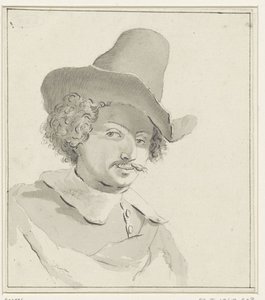
Jan Baptist Weenix
1621 - 1661 , Netherlands
Osnovne informacije
- Artistic Movement Or Style: Dutch Golden Age
- Artists Or Movements Influenced By This Artist: ['Italianate painting']
- Artists Who Influenced This Artist:
- Abraham Bloemaert
- Claes Corneliszoon Moeyaert
- Date Of Birth: Amsterdam, Netherlands (1621)
- Date Of Death: 1661
- Full Name: Jan Baptist Weenix
- Nationality: Dutch
- Notable Artworks:
- After the Hunt
- The Tinker and His Dog
- A Dog and a Cat near a partially disembowelled Deer
- Place Of Birth: Amsterdam
Povezani članci
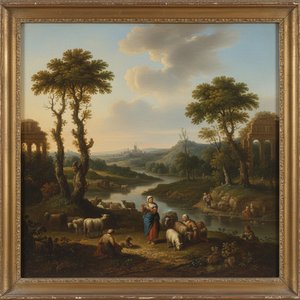
Nicolaes Berchem: Dutch Golden Age Pastoralism & the Evolution of Landscape Painting
Explore the captivating world of Nicolaes Berchem, a leading Dutch Golden Age painter. Discover his idyllic landscapes, masterful technique & lasting influence on art history. Learn more at ArtsDot.

Zlatno doba Holandske umetnosti: Top 10 remek dela za vaš dom
Otkrijte remek dela Holandskog zlatnog doba! Uronite u svet Rembrandta, Vermeera i drugih majstora. 10 ikoničnih slika koje su definisale umetnost. Inspiracija za vaš dom i kolekciju - ekskluzivne reprodukcije na ArtsDot.com!
Golden Light & Dutch Skies: Bringing the Magic of Dutch Golden Age Landscapes into Your Home
Transform your home with the breathtaking light of Dutch Golden Age landscapes. Discover how hand-painted oil reproductions of masterworks like Ruisdael and Vermeer bring timeless elegance, atmosphere, and soulful texture to modern interiors. Elevate your space with museum-quality art.
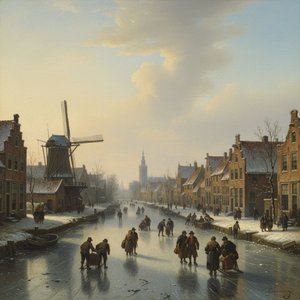
Charles Leickert: Capturing the Dutch Golden Age Light – A Comprehensive Study of Technique, Context, and Legacy
Explore the captivating winter landscapes of Charles Leickert, a master of Dutch Golden Age light & atmosphere. Discover his techniques, symbolism, and lasting legacy – a comprehensive study for art enthusiasts and collectors.

Golden Age Reflections: Dutch Baroque Painting & Cultural Innovation
Explore the Dutch Golden Age of painting! Discover key artists like Vermeer & ter Borch, their innovative techniques, and the rich cultural context behind these Baroque masterpieces. Learn about collecting & appreciating this iconic art period.

