

 Pregledaj u prostoru
 Pošalji
 Podeli
 Detalji o delu

 Преузми
 Slični predmeti
 Rendgenski snimak
 Slajdovi
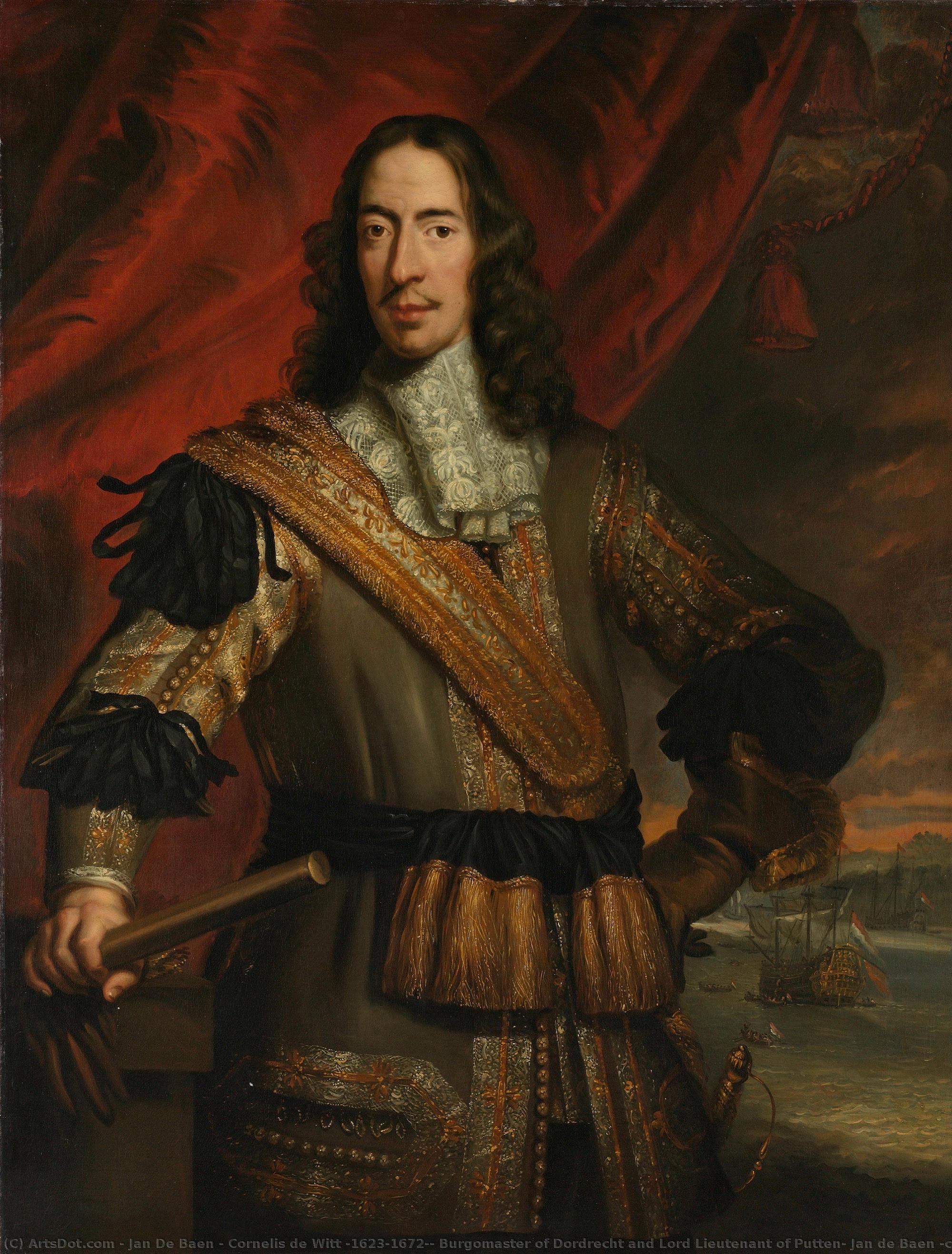
Cornelis de Witt (1623-1672), Burgomaster of Dordrecht and Lord Lieutenant of Putten, Jan de Baen (copy after), 1667 - 1700
 1700
1700 124.0 x 97.0 cm
 Pročitaj više
Ručno rađena uljana reprodukcija
Ručno oslikano uljanim bojama na platnu u dimenzijama i okviru po vašem izboru, izrađeno po porudžbini od strane naših umetnika. ( Kupi print Kupi digitalnu sliku)




































Izaberite jednu od naših unapred definisanih veličina koje odgovaraju originalnim proporcijama umetničkog dela.

Можете унети сопствене димензије како бисте прилагодили дело одређеном оквиру или простору. Ако одабрана величина не одговара пропорцијама оригинала, слика ће бити исечена или проширена додатним елементима који се ручно насликавају. Дигитални prikaz ће вам бити послат на одобрење пре почетка производње.
Имајте на уму да преглед на екрану не одражава стварно исецање или проширење. Само приказ (mockup) ће тачно приказати коначну композицију.
Иако су доступне прилагођене величине, препоручујемо да одаберете димензију из дефинисане листе како бисте сачували оригиналне пропорције.
Nakon narudžbine, tim ArtsDot.com će klijentu putem e-pošte poslati uputstva i dostaviti prikaz predloženog rešenja
Isporuka širom sveta () za 3/4 nedelje umesto uobičajenih 5 nedelja. (4 септембар). Bez kompromisa po pitanju kvaliteta.

Besplatna ekspresna dostava širom sveta

Visokokvalitetno laneno platno

Kompletno osiguranje transporta

Garancija povraćaja carine i uvoznih dažbina

Garancija vernosti boja

Politika povrata u roku od 60 dana (samo u slučaju nedostataka)

Garancija povrata novca od 100%

Popust pri grupnoj kupovini
 Opcija sa staklom dostupna je samo za dimenzije manje od 110 cm

Cornelis de Witt (1623-1672), Burgomaster of Dordrecht and Lord Lieutenant of Putten, Jan de Baen (copy after), 1667 - 1700
Tehnika reprodukcije
Dimenzije reprodukcije
-


Konačna cena
$ 263
Srodna umetnička dela







Biografija umetnika
The Elegance of Portraiture in the Dutch Golden Age
Jan de Baen stands as a prominent figure within the illustrious Dutch Golden Age, celebrated for his exquisitely crafted portraits that captured the spirit and dignity of aristocratic subjects. Born in Haarlem on February 20th, 1633, his early life was marked by profound tragedy; the untimely deaths of his parents left him an orphan at just three years old. Taken into the care of his uncle, Hinderk Pyman—a magistrate and painter residing in Emden—de Baen received his first brushstrokes of inspiration from a man who would instill in him an initial appreciation for artistic endeavor. This formative experience propelled de Baentoward formal training, commencing his apprenticeship with the renowned Jacob Adriaensz Backer in Amsterdam in 1645, where he honed his skills alongside one of the era’s most formidable masters.
Backer's influence proved pivotal, shaping de Baen’s stylistic sensibilities and establishing a foundation for his future artistic pursuits. As he matured, de Baen developed a unique ability to navigate the complex social hierarchies of the seventeenth century through his art. He became a painter who understood the subtle language of status, bringing a specific kind of elegance and flattery to his work that was highly preferred by his wealthy patrons. This knack for making his subjects appear both real and remarkably distinguished allowed him to rise quickly in prominence, eventually leading him to serve the exiled Charles II of England during the monarch's time in Holland.
A Legacy of Royal and Political Grandeur
The trajectory of de Baen’s career was intimately tied to the shifting political tides of Europe. Following the Restoration of 1660, while he had opportunities to accompany the English court back to London, he opted instead for a settled life in The Hague. It was here that his reputation reached its zenith. His artistic output spanned diverse genres, yet portraits remained his dominating oeuvre, reflecting the multifaceted interests of the period. He gained renown for his depictions of influential figures such as Cornelis de Witt and Johan de Witt, brothers who held positions of considerable power within Dutch governance. In these works, he captured their likenesses with remarkable accuracy, conveying a sense of solemn grandeur that immortalized their political weight.
Beyond the Dutch political elite, de Baen’s brush touched the very pinnacle of European royalty. He famously captured the likeness of King William III of England, cementing his reputation as a portraitist capable of elevating subjects to iconic status. His ability to blend meticulous realism with a flattering aesthetic made him one of the most popular portrait painters between 1665 and 1700. While history often remembers the heavy shadows of Rembrandt or the bravado of Frans Hals, de Baen offered a different, more polished vision—one of light, refinement, and the sophisticated grace of the Hague's upper echelons.
Technique, Personal Life, and Final Years
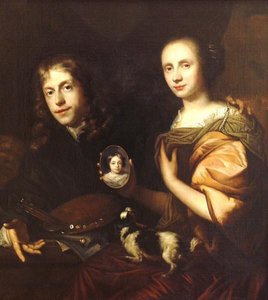
Beyond meticulous realism, de Baen’s technique distinguished him through its ability to satisfy the era's craving for prestige. He mastered the art of presenting textures—the sheen of silk, the weight of velvet, and the intricate details of lace—in a way that spoke directly to the wealth of his sitters. His work was not merely about documentation but about the creation of an idealized persona. This skill is perhaps most intimately seen in his 1674 Self-portrait with his wife, Maria de Kinderen, where he displays both his painterly attributes and a tender connection to his family, reminding us that behind the grand portraits of kings lay a man deeply rooted in his own domestic reality.
De Baen’s life was one of both professional triumph and personal continuity. He married Maria de Kinderen in 1665, and together they raised a large family, including at least eight children, one of whom, Jacobus, followed in his father's footsteps to become a painter himself. This cycle of artistic lineage is a testament to the enduring nature of the Dutch tradition. Jan de Baen passed away in The Hague on March 8, 1702, leaving behind a body of work that remains a vital window into the splendor, the politics, and the refined elegance of the Dutch Golden Age.
Jan de Baen
1633 - 1702 , Netherlands
Osnovne informacije
- Artistic Movement Or Style: Dutch Golden Age painting
- Artists Who Influenced This Artist: Jacob Adriaensz Backer
- Date Of Birth: February 20, 1633
- Date Of Death: 1702
- Full Name: Jan de Baen
- Nationality: Dutch
- Notable Artworks:
- The Corpses Of The De Witt Brothers
- Portrait Of Johan De Witt
- Place Of Birth: Haarlem, Netherlands

