

 Pregledaj u prostoru
 Pošalji
 Podeli
 Detalji o delu

 Преузми
 Slični predmeti
 Rendgenski snimak
 Slajdovi
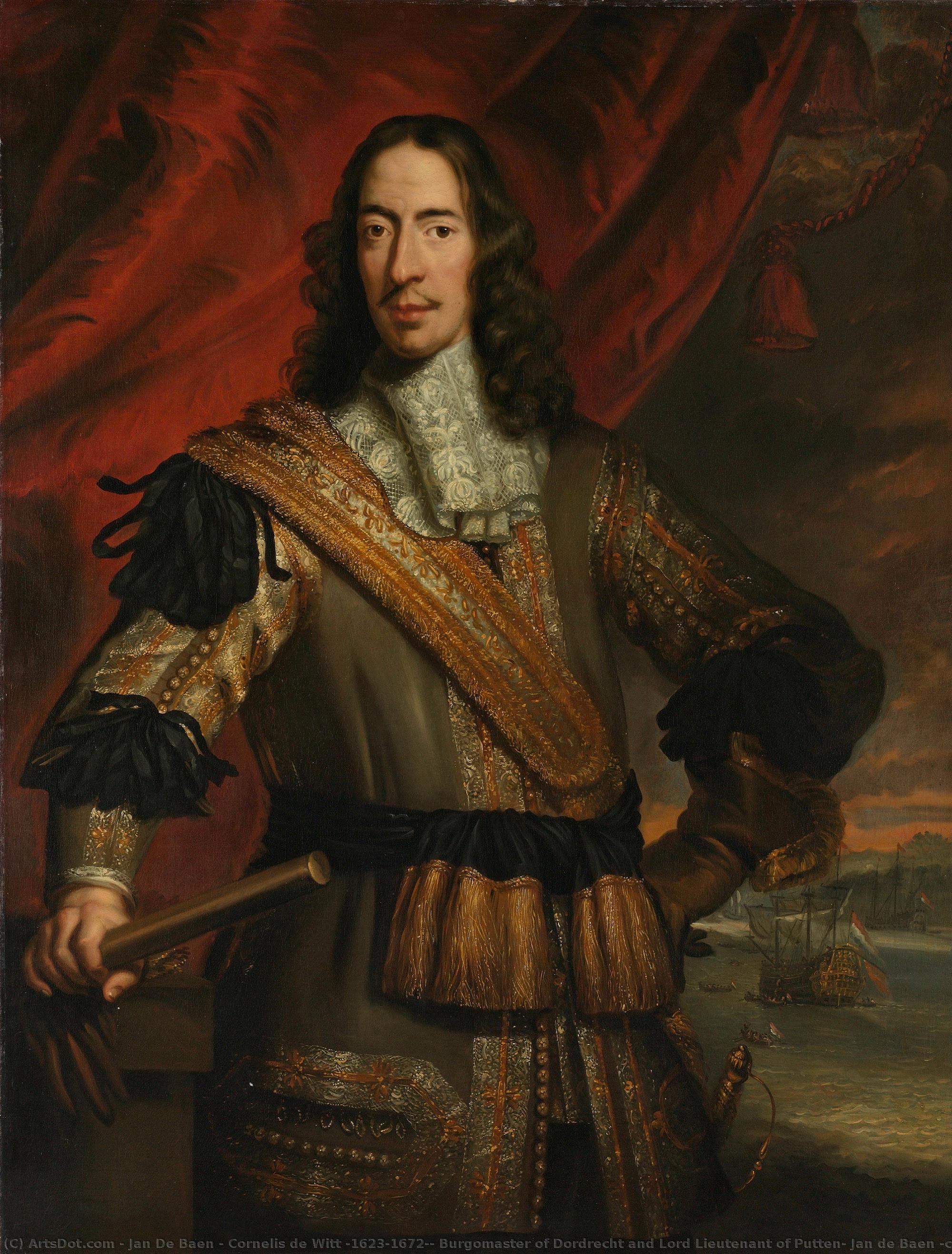
Cornelis de Witt (1623-1672), Burgomaster of Dordrecht and Lord Lieutenant of Putten, Jan de Baen (copy after), 1667 - 1700
 1700
1700 124.0 x 97.0 cm
 Pročitaj više
Kupite digitalnu sliku visoke rezolucije i poboljšanog kvaliteta, koja je znatno superiornija od onoga što vidite u online prikazu.
Svaka datoteka je pedantno pripremljena od strane naših stručnjaka koristeći napredne alate i profesionalnu ručnu retušu. Osiguravamo da svaka slika ima izuzetnu oštrinu, preciznu reprodukciju boja i fine detalje.
Konačna datoteka se dostavlja putem e-pošte u roku od 72 sata, optimizovana za neposrednu upotrebu u profesionalnim, izdavačkim i štamparskim okruženjima. To je isti kvalitet kojem veruju vrhunski studiji dizajna, izdavači i galerije.
Digitalna slika
Preuzmite datoteku visoke rezolucije za ličnu upotrebu, štampanje i kreativne projekte. ( Kupi print Kupi ručno naslikanu sliku)
Uključeno uz svaku porudžbinu digitalne slike
Profesionalna digitalna isporuka, zagarantovana
Kada odaberete ArtsDot.com, ne dobijate samo sliku – vi primate profesionalno unapređeno digitalno umetničko delo, izrađeno sa najvećom preciznošću i uz garanciju zadovoljstva. Evo svega što automatski dolazi uz vašu porudžbinu:

Brza dostava putem e-pošte
Vaša digitalna slika visoke rezolucije biće vam poslata putem e-pošte u roku od 72 sata od poručivanja – spremna za trenutnu upotrebu.

Digitalna datoteka unapređena veštačkom inteligencijom
Vaše umetničko delo je profesionalno optimizovano korišćenjem naprednih AI alata i ručne obrade, čime se osiguravaju maksimalni detalji, oštrina i preciznost boja.

Besplatna ponovna isporuka doživotno
Slučajno ste obrisali ili izgubili svoju datoteku? Ne brinite – poslaćemo vam je ponovo u bilo kom trenutku, potpuno besplatno.

Bez troškova uvoza – zauvek
Uživajte u svojim umetničkim delima trenutno, bez carine, dažbina ili troškova dostave – digitalni download je uvek bez poreza.

Garancija vernosti boja
Uz pomoć profesionalnih alata i upravljanja bojama, osiguravamo da vaša digitalna slika što vernije odražava originalne boje.

Garancija zadovoljstva u roku od 60 dana
Ako niste zadovoljni svojom digitalnom slikom, revidirat ćemo je ili vratiti 100% novca u roku od 60 dana – bez ikakvih pitanja.

100% garancija povrata novca
Niste zadovoljni? Obezbedite pun povrat novca u roku od 60 dana od trenutka kada ste primili svoju digitalnu datoteku – bez suvišnih pitanja.

Popusti na velike porudžbine
Kupite 3 slike, uštedite 10% - Kupite 5 slika, uštedite 15% - Kupite 10+ slika, uštedite 20%. Odlično za kreativne projekte, galerije i agencije.
Srodna umetnička dela









Biografija umetnika
The Elegance of Portraiture in the Dutch Golden Age
Jan de Baen stands as a prominent figure within the illustrious Dutch Golden Age, celebrated for his exquisitely crafted portraits that captured the spirit and dignity of aristocratic subjects. Born in Haarlem on February 20th, 1633, his early life was marked by profound tragedy; the untimely deaths of his parents left him an orphan at just three years old. Taken into the care of his uncle, Hinderk Pyman—a magistrate and painter residing in Emden—de Baen received his first brushstrokes of inspiration from a man who would instill in him an initial appreciation for artistic endeavor. This formative experience propelled de Baentoward formal training, commencing his apprenticeship with the renowned Jacob Adriaensz Backer in Amsterdam in 1645, where he honed his skills alongside one of the era’s most formidable masters.
Backer's influence proved pivotal, shaping de Baen’s stylistic sensibilities and establishing a foundation for his future artistic pursuits. As he matured, de Baen developed a unique ability to navigate the complex social hierarchies of the seventeenth century through his art. He became a painter who understood the subtle language of status, bringing a specific kind of elegance and flattery to his work that was highly preferred by his wealthy patrons. This knack for making his subjects appear both real and remarkably distinguished allowed him to rise quickly in prominence, eventually leading him to serve the exiled Charles II of England during the monarch's time in Holland.
A Legacy of Royal and Political Grandeur
The trajectory of de Baen’s career was intimately tied to the shifting political tides of Europe. Following the Restoration of 1660, while he had opportunities to accompany the English court back to London, he opted instead for a settled life in The Hague. It was here that his reputation reached its zenith. His artistic output spanned diverse genres, yet portraits remained his dominating oeuvre, reflecting the multifaceted interests of the period. He gained renown for his depictions of influential figures such as Cornelis de Witt and Johan de Witt, brothers who held positions of considerable power within Dutch governance. In these works, he captured their likenesses with remarkable accuracy, conveying a sense of solemn grandeur that immortalized their political weight.
Beyond the Dutch political elite, de Baen’s brush touched the very pinnacle of European royalty. He famously captured the likeness of King William III of England, cementing his reputation as a portraitist capable of elevating subjects to iconic status. His ability to blend meticulous realism with a flattering aesthetic made him one of the most popular portrait painters between 1665 and 1700. While history often remembers the heavy shadows of Rembrandt or the bravado of Frans Hals, de Baen offered a different, more polished vision—one of light, refinement, and the sophisticated grace of the Hague's upper echelons.
Technique, Personal Life, and Final Years
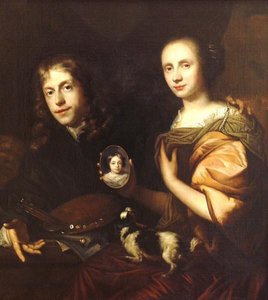
Beyond meticulous realism, de Baen’s technique distinguished him through its ability to satisfy the era's craving for prestige. He mastered the art of presenting textures—the sheen of silk, the weight of velvet, and the intricate details of lace—in a way that spoke directly to the wealth of his sitters. His work was not merely about documentation but about the creation of an idealized persona. This skill is perhaps most intimately seen in his 1674 Self-portrait with his wife, Maria de Kinderen, where he displays both his painterly attributes and a tender connection to his family, reminding us that behind the grand portraits of kings lay a man deeply rooted in his own domestic reality.
De Baen’s life was one of both professional triumph and personal continuity. He married Maria de Kinderen in 1665, and together they raised a large family, including at least eight children, one of whom, Jacobus, followed in his father's footsteps to become a painter himself. This cycle of artistic lineage is a testament to the enduring nature of the Dutch tradition. Jan de Baen passed away in The Hague on March 8, 1702, leaving behind a body of work that remains a vital window into the splendor, the politics, and the refined elegance of the Dutch Golden Age.
Jan de Baen
1633 - 1702 , Netherlands
Kratke činjenice
- Artistic Movement Or Style: Dutch Golden Age painting
- Artists Who Influenced This Artist: Jacob Adriaensz Backer
- Date Of Birth: February 20, 1633
- Date Of Death: 1702
- Full Name: Jan de Baen
- Nationality: Dutch
- Notable Artworks:
- The Corpses Of The De Witt Brothers
- Portrait Of Johan De Witt
- Place Of Birth: Haarlem, Netherlands

