Meni
Pregledaj u prostoruPregledaj u prostoru AR pregledAR pregled Switch to Print Switch to PrintKupi ručno naslikanu sliku Kupi ručno naslikanu sliku PošaljiPošalji
Detalji o deluDetalji o delu Dodaj u omiljene Dodaj u omiljene ПреузмиПреузми Slični predmetiSlični predmeti Rendgenski snimakRendgenski snimak SlajdoviSlajdovi StatsStats

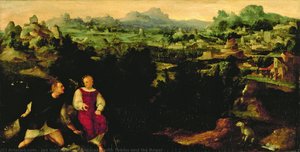
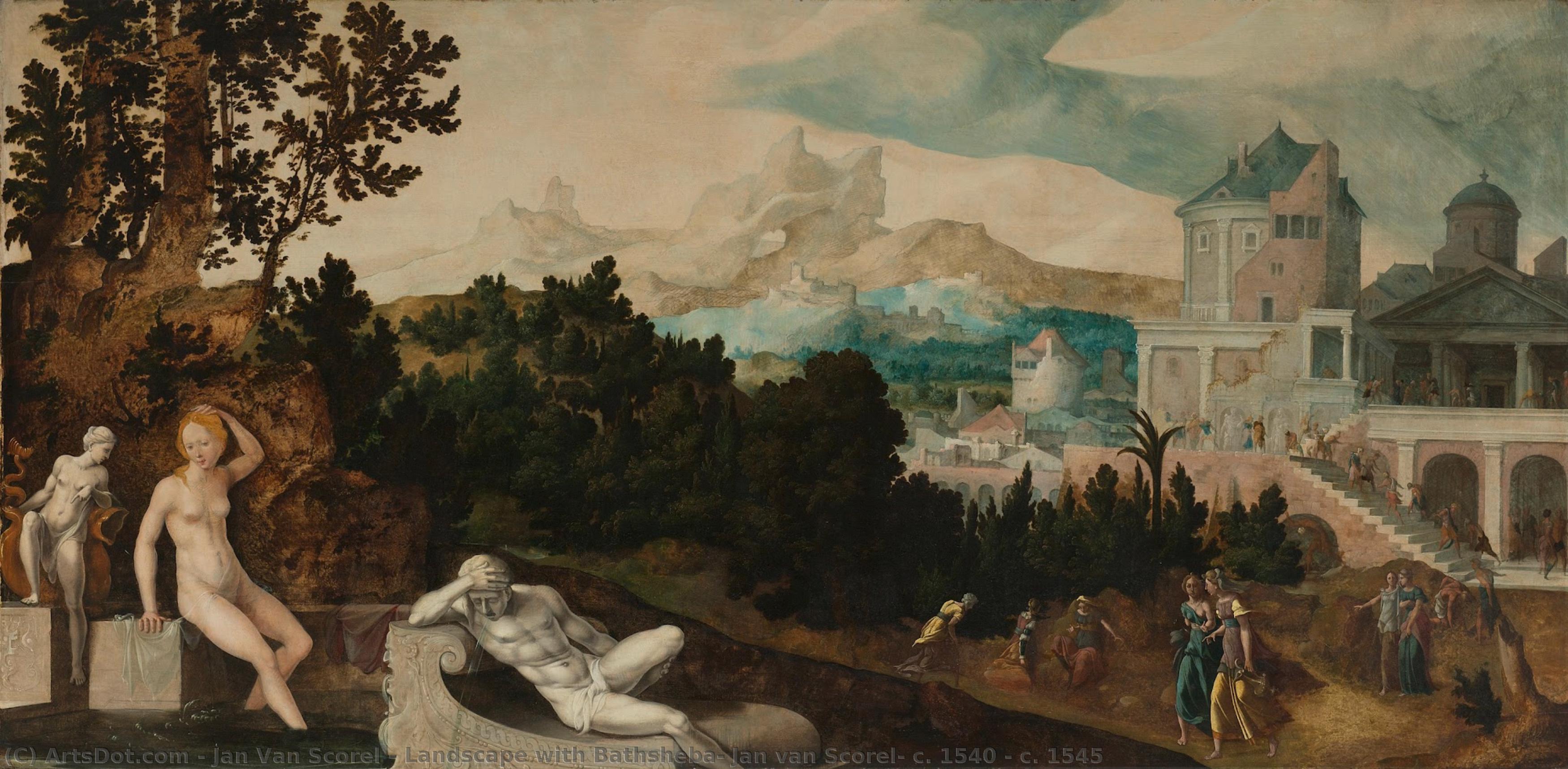
Landscape with Bathsheba, Jan van Scorel, c. 1540 - c. 1545

Explore Jan van Scorel’s ‘Landscape with Bathsheba’! A stunning 1545 oil painting blending biblical narrative & Renaissance style. Discover intricate details, symbolism & a unique composition.

Istražite jedinstveni spoj holandske i italijanske renesansne umetnosti Jana van Scorela! Otkrijte njegov romanistički stil, saradnje i kultna dela poput 'Sippenaltar'. #arthistory #renaissance

Kupite digitalnu sliku visoke rezolucije i poboljšanog kvaliteta, koja je znatno superiornija od onoga što vidite u online prikazu.

Svaka datoteka je pedantno pripremljena od strane naših stručnjaka koristeći napredne alate i profesionalnu ručnu retušu. Osiguravamo da svaka slika ima izuzetnu oštrinu, preciznu reprodukciju boja i fine detalje.

Konačna datoteka se dostavlja putem e-pošte u roku od 72 sata, optimizovana za neposrednu upotrebu u profesionalnim, izdavačkim i štamparskim okruženjima. To je isti kvalitet kojem veruju vrhunski studiji dizajna, izdavači i galerije.

Digitalna slika

Preuzmite datoteku visoke rezolucije za ličnu upotrebu, štampanje i kreativne projekte. (Switch to Print Switch to PrintKupi ručno naslikanu sliku Kupi ručno naslikanu sliku)

Ukupna cena

$ 24,00

Uključeno uz svaku porudžbinu digitalne slike

Profesionalna digitalna isporuka, zagarantovana

Kada odaberete ArtsDot.com, ne dobijate samo sliku – vi primate profesionalno unapređeno digitalno umetničko delo, izrađeno sa najvećom preciznošću i uz garanciju zadovoljstva. Evo svega što automatski dolazi uz vašu porudžbinu:

shipping_icon
Brza dostava putem e-pošte

Vaša digitalna slika visoke rezolucije biće vam poslata putem e-pošte u roku od 72 sata od poručivanja – spremna za trenutnu upotrebu.

canvas_icon
Digitalna datoteka unapređena veštačkom inteligencijom

Vaše umetničko delo je profesionalno optimizovano korišćenjem naprednih AI alata i ručne obrade, čime se osiguravaju maksimalni detalji, oštrina i preciznost boja.

insurance_icon
Besplatna ponovna isporuka doživotno

Slučajno ste obrisali ili izgubili svoju datoteku? Ne brinite – poslaćemo vam je ponovo u bilo kom trenutku, potpuno besplatno.

tax_icon
Bez troškova uvoza – zauvek

Uživajte u svojim umetničkim delima trenutno, bez carine, dažbina ili troškova dostave – digitalni download je uvek bez poreza.

color_icon
Garancija vernosti boja

Uz pomoć profesionalnih alata i upravljanja bojama, osiguravamo da vaša digitalna slika što vernije odražava originalne boje.

return_icon
Garancija zadovoljstva od 100 dana

Ako niste zadovoljni svojom digitalnom slikom, izvršićemo reviziju ili ćemo vam vratiti 100% novca u roku od 100 dana – bez ikakvih pitanja.

guarantee_icon
100% garancija povrata novca

Niste zadovoljni? Dobijte puni povraćaj novca u roku od 100 dana od prijema digitalne datoteke – bez suvišnih pitanja.

discount_icon
Popusti na velike porudžbine

Kupite 3 slike, uštedite 10% - Kupite 5 slika, uštedite 15% - Kupite 10+ slika, uštedite 20%. Odlično za kreativne projekte, galerije i agencije.

This painting by Jan van Scorel depicts Bathsheba in her bath on the left and King David in his palace on the right, two scenes from the Old Testament book of 2 Samuel (11:2 and 3-4). Looking from his rooftop, David was seduced by Bathsheba’s beauty, and later not only committed adultery with her but also arranged for her husband’s demise. The low, oblong shape of the panel is well suited to the broad landscape setting, and is a format often seen in Scorel’s works. Bathsheba occupies the space of the lower left foreground, stretching her feet into the water of a fountain adorned by statues of a water nymph and a dolphin-like creature. Nearby a male statue reminiscent of a river god serves as a water spout. A cluster of bushes and trees at the centre of the painting not only divides foreground from background, where David’s palace can be seen in the far distance, but also establishes a strong diagonal movement to the right. The meandering figures in this part of the composition accomplish the transition into depth as they gradually diminish in size and lead our eye into the background, where the tiny figure of David leans out from a loggia to hand his fateful letter to a messenger. Some of the hybrid forms of David’s palace relate to other paintings by Scorel. The tall structures sheared off on one side can be traced back to Scorel’s earliest works (1519-21), while other "classicising" buildings recall compositions from Scorel’s Haarlem years (1527-30) and architectural motifs in the Sts James and Stephen polyptych of c. 1540.9 The iconography in this painting is more complicated than usual for Scorel. The erotic overtones of the subject were common by the time the Landscape with Bathsheba was completed,10 and Scorel accomplishes this by associating the female nudes in the painting with Venus figures. One of Venus’s attributes is a dolphin (known, for instance, from the famous Medici Venus), and Bathsheba’s pose, including the motif of her hand on her hair, recalls the so-called ‘Venus Anadyomene’ type - Venus born of the foam of the sea.11 On the pedestal just below the water nymph, a decorative cartouche can be seen with a crane-like bird standing on the right side with one foot raised. Whether such an ornamental motif could have symbolic meaning is debatable, except that the nymph seems to be pointing down directly at the bird. While cranes often stand for vigilance,12 the ibis was known for its filthy habits and aversion to clean water.13 The vomiting male statue seems to participate in the latter symbolism, since his action contaminates the water of Bathsheba’s bath.14 The fountain, thus designated as polluted, warns against the temptations of the flesh. Comparison of the underdrawn layout of the Landscape with Bathsheba with the finalised image discloses a number of calculated changes. Although modelled carefully with bands of short, diagonal dashes, Bathsheba’s hand and abdomen were lowered in position, along with the ledge on which she is seated. The surface decorations on her fountain hide underdrawn construction lines, some for the wall around the pool and others for the male statue’s couch, which originally had a block-like shape (fig. a). The orthogonals in this part of the painting relate to the perspective of the steps leading from the ground to the loggia of David’s palace (fig. b). The painted stairs, following two underdrawn diagonals laid in with a straight edge, are lower and wider than those originally planned. The final perspective converges just off the right side of the panel at about the level of the middle of the arcade. Several conclusions may be drawn from the artist’s working method: first, he carefully manipulated forms so that a low vantage point is ultimately imposed on the viewer, and secondly, he intentionally laid out the perspective across space so that the compositional elements on both sides of the painting would be linked in a unified spatial construction. In the background, much of the underdrawing can be seen with the naked eye. This led earlier scholars to assume that the Landscape with Bathsheba was unfinished,15 but this is not the case. The sky and background mountains were painted with the blue pigment smalt, which has now increased in transparency and discoloured to the present brownish-grey.16 Originally, the Bathsheba would have exhibited a transition in colour from dark green to a cool blue, following the formula for landscape that Scorel developed during his Haarlem years (1527-30) and can be seen in his Baptism of Christ in Haarlem.17 The use of smalt provides information about the date of the Bathsheba, since this pigment does not appear regularly in northern Netherlandish painting until the late 1530s.18 Although the attribution to Scorel has never been doubted, earlier scholars consistently dated the Landscape with Bathsheba rather early in Scorel’s career, c. 1527 or c. 1530, based on perceived resemblances to the Lokhorst Triptych or to works from Scor../..

Biografija umetnika

Rani život i edukacija

Jan van Scorel, istaknuti holandski slikar, rođen je u mestu Schoorl u Holandiji 1495. godine. Iako njegovo rano detinjstvo i proces obrazovanja nisu detaljno dokumentovani, veruje se da je sticao znanje pod okriljem raznih majstora, uključujući Pieter Gerritsza u Haarlemu, Jacoba Cornelisa u Amsterdamu ili Jana Gossaerta u Utrehtu.

Karijera i uticaji

Van Scorelov put kroz Evropu vodio ga je do Italije, gde je s apsolutnom posvećenošću upijao italijanski stil slikarstva, postajući jedan od pionira romanističkog stila. Njegov umetnički izraz bio je duboko prožet uticajem Giorgionea, a ostavio je i značajan trag kroz saradnju sa Maartenom van Heemskerckom. Van Scorelova iskustva u Jerusalimu verno su prikazana u mnogim njegovim kasnijim delima, predstavljajući jedinstveni spoj holandskog i italijanskog umetničkog duha.

Značajna dela i nasleđe

Među najznačajnija ostvarenja ovog umetnika izdvajaju se:
  • Sippenaltar (1520), dovršen u selu Obervellach
  • Portreti, oltari i pejzaži, od kojih su mnogi uništeni tokom ikonoklazme tokom Reformacije
  • Saradnje sa Maartenom van Heemskerckom i Mikelangelom
Van Scorelovo nasleđe obeleženo je njegovim značajnim doprinosom holandskoj renesansi, kroz uvođenje italijanskih elemenata u nederlandsko slikarstvo. Njegova dela su dostupna u brojnim muzejima, uključujući Van Gogh muzej (Holandija), koji čuva i bogatu kolekciju dela samog Van Gogha.

Umetnički stil i značaj

Ključni aspekti Van Scorelovog stila:
  • Sjedinjavanje italijanskih i holandskih uticaja
  • Primena romanističkih stilova u nederlandskom slikarstvu
  • Saradnja sa najistaknutijim umetnicima tog doba
Van Scorelovo delo predstavlja veličanstven svedočanstvo kulturnog razmene i umetničke inovacije renesansnog perioda, čije inspiracije i danas neprestano pokreću ljubitelje umetnosti i istoričare.

Dodatna literatura i izvori

Za više informacija o Janu van Scorelu i njegovim delima, posetite:
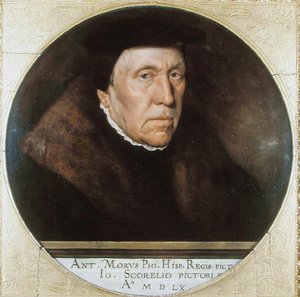
Jan Van Scorel

Jan Van Scorel

1495 - 1562 , Holandija

Kratke činjenice

  • Artistic Movement Or Style: Romanistički, Renesansa
  • Artists Or Movements Influenced By This Artist:
    • Maarten van Heemskerck
    • Italijanska renesansa
  • Artists Who Influenced This Artist:
    • Pieter Gerritsz
    • Jacob Cornelisz
    • Jan Gossaert
    • Giorgione
  • Date Of Birth: 1495-08-01
  • Date Of Death: 1562-12-06
  • Full Name: Jan van Scorel
  • Nationality: Holandski
  • Notable Artworks:
    • Sippenaltar
    • Marija Magdalena (Scorel)
  • Place Of Birth: Shorl, Holandija