

 Pošalji
 Podeli
 Detalji o delu

 Преузми
 Slični predmeti
 Slajdovi
 Statistika
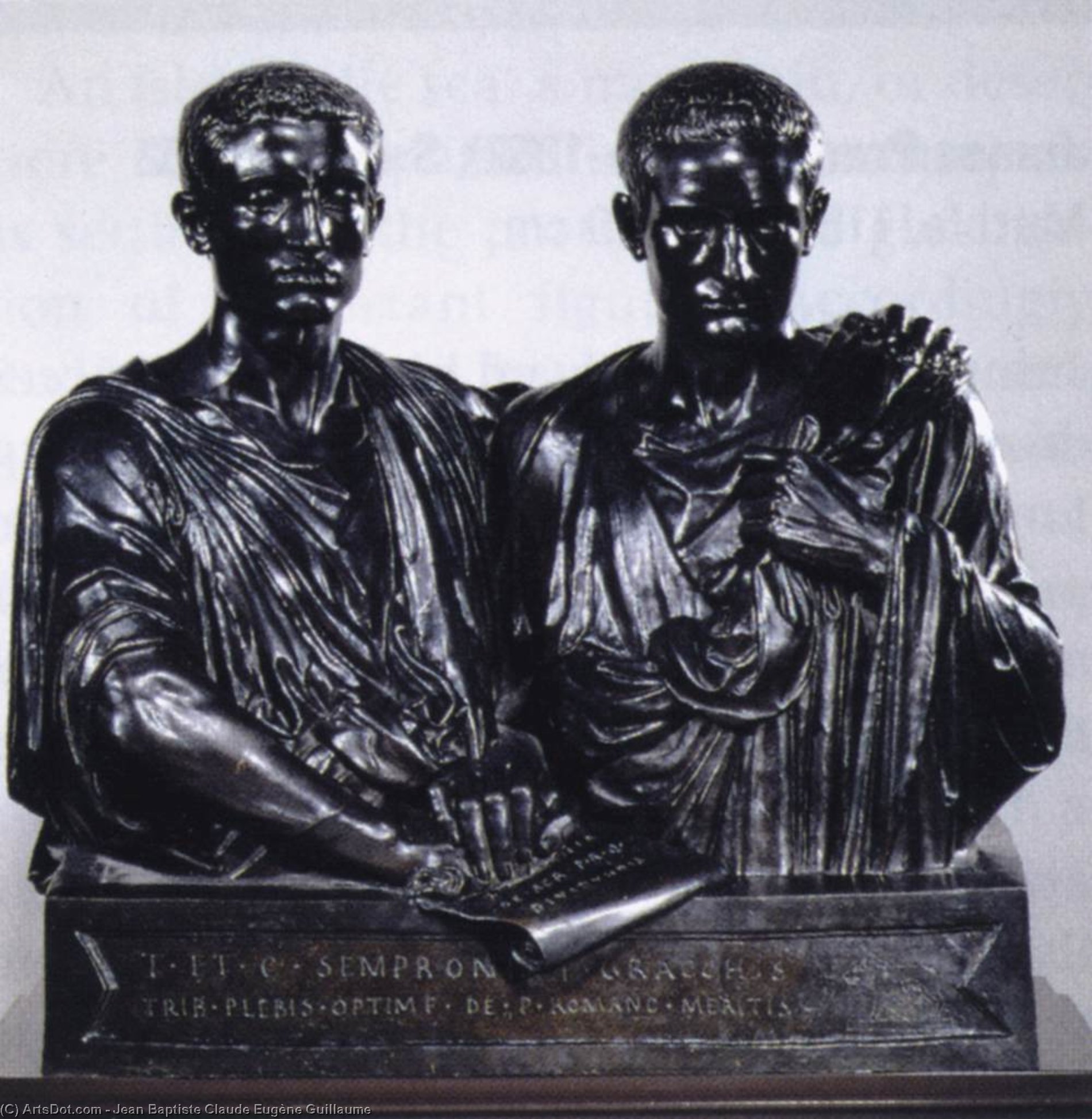
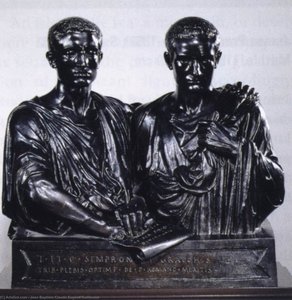
Cenotaph of the Gracchi
 Bronze
- Sculpture
- Classical Revival
 1848
1848 85.0 x 90.0 cm
 Muzej d'Orsej
 Pročitaj više
Ručno rađena uljana reprodukcija
Ručno oslikano uljanim bojama na platnu u dimenzijama i okviru po vašem izboru, izrađeno po porudžbini od strane naših umetnika. ( Pređi na štampu Pređi na digitalnu sliku)




































Izaberite jednu od naših unapred definisanih veličina koje odgovaraju originalnim proporcijama umetničkog dela.

Можете унети сопствене димензије како бисте прилагодили дело одређеном оквиру или простору. Ако одабрана величина не одговара пропорцијама оригинала, слика ће бити исечена или проширена додатним елементима који се ручно насликавају. Дигитални prikaz ће вам бити послат на одобрење пре почетка производње.
Имајте на уму да преглед на екрану не одражава стварно исецање или проширење. Само приказ (mockup) ће тачно приказати коначну композицију.
Иако су доступне прилагођене величине, препоручујемо да одаберете димензију из дефинисане листе како бисте сачували оригиналне пропорције.
Nakon narudžbine, tim ArtsDot.com će klijentu putem e-pošte poslati uputstva i dostaviti prikaz predloženog rešenja
Isporuka širom sveta () za 3/4 nedelje umesto uobičajenih 5 nedelja. (9 септембар). Bez kompromisa po pitanju kvaliteta.

Besplatna ekspresna dostava širom sveta

Visokokvalitetno laneno platno

Kompletno osiguranje transporta

Garancija povraćaja carine i uvoznih dažbina

Garancija vernosti boja

Politika povraćaja u roku od 100 dana (isključivo u slučaju nedostataka)

Garancija povrata novca od 100%

Popust pri grupnoj kupovini
 Opcija sa staklom dostupna je samo za dimenzije manje od 110 cm

Cenotaph of the Gracchi
Tehnika reprodukcije
Dimenzije reprodukcije
-


Konačna cena
$ 263
The Weight of Legacy: Jean-Baptiste Claude Eugène Guillaume’s Cenotaph of the Gracchi
Standing before Jean-Baptiste Claude Eugène Guillaume's "Cenotaph of the Gracchi," one is immediately struck by a profound sense of solemnity and restrained power. This bronze sculpture, created in 1848, isn’t merely a depiction of two Roman figures; it’s an embodiment of grief, remembrance, and the enduring weight of political upheaval. The piece, measuring a substantial 85 x 90 cm, resides within the Musée d'Orsay, offering viewers a rare opportunity to contemplate a pivotal moment in Roman history through the lens of a master sculptor.
Guillaume’s skill lies not just in anatomical accuracy – though it is undeniably present – but in his ability to imbue stone with an almost palpable sense of emotion. The two figures, ostensibly Julius and Spurius Gracchus, are rendered in a classical style reminiscent of Roman sculpture, yet imbued with a distinctly modern sensibility for the mid-19th century. Their postures are subtly charged; one leans protectively over the other, suggesting a shared burden of loss and a desperate attempt to offer solace. The drapery is meticulously sculpted, clinging to their forms as if mirroring the heavy cloak of sorrow that envelops them. The bronze itself, chosen for its durability and ability to capture detail, contributes significantly to the sculpture’s gravitas.
A Glimpse into Roman Tragedy
The Gracchi brothers represent a watershed moment in Roman history – reformers who sought land redistribution and social justice, ultimately facing violent opposition from the entrenched aristocracy. Their assassination marked a turning point, signaling the decline of the Republic and paving the way for the rise of imperial power. Guillaume’s sculpture doesn't attempt to narrate their political struggles; instead, it focuses on the aftermath – the profound grief experienced by those left behind. The cenotaph itself—a simple stone marker—underscores this theme, suggesting a memorial erected long after the events transpired, a testament to an enduring loss.
The choice of bronze as the medium is particularly significant. Bronze, historically associated with Roman military and civic achievements, lends a sense of authority and permanence to the sculpture. However, its inherent malleability also allows Guillaume to capture the nuances of human emotion – the furrowed brows, the downcast eyes, the subtle gestures that convey profound sadness. The work reflects the Romantic movement’s fascination with intense emotion and the exploration of historical tragedy, themes prevalent in 19th-century art.
The Sculptor's Hand: Technique and Style
Guillaume was a staunch advocate for the revival of classical ideals within French sculpture. His style is characterized by meticulous attention to detail, balanced compositions, and a deep understanding of anatomy and drapery – hallmarks of the École des Beaux-Arts training he received. He skillfully employed *contrapposto*, a technique where the figure’s weight shifts subtly, creating a dynamic yet stable pose. This is particularly evident in the way each brother's body leans slightly forward, conveying both vulnerability and resilience.
The surface of the bronze is remarkably smooth, achieved through years of painstaking polishing. This polished finish not only highlights the sculpted details but also creates a subtle sheen that seems to capture and reflect the light, adding to the sculpture’s overall impact. The artist's mastery of texture—the rough folds of the drapery contrasting with the smoother skin tones—further enhances the realism and emotional depth of the work.
A Timeless Reflection
The "Cenotaph of the Gracchi" transcends its historical subject matter, offering a universal meditation on loss, remembrance, and the enduring consequences of political conflict. It’s a poignant reminder that even in moments of great upheaval, human connection and grief remain constant threads throughout history. Today, reproductions of this powerful sculpture continue to resonate with viewers, inviting contemplation and prompting reflection on the complexities of power, justice, and the human condition. Its quiet dignity and emotional depth make it a truly exceptional work of art.
Srodna umetnička dela
Biografija umetnika
The Genesis of Classical Grace
Born in the quiet, historic surroundings of Montbard, France, Jean-Baptiste Claude Eugène Guillaume was destined to breathe life into stone and bronze. Raised in an environment where art was a fundamental language—his father being a painter—Guillaume’s early years were steeped in the aesthetics of tradition. His education at the Montbard Lycée provided him with more than just academic rigor; by studying Latin and Greek, he gained the linguistic keys to the ancient worlds that would later haunt and inspire his sculptural endeavors. This deep-seated reverence for antiquity paved the way for his 1841 entry into the prestigious École des Beaux-Arts, where he began a transformative journey under the tutelage of masters such as Cavelier, Millet, and Barrias, establishing himself firmly within the influential Parisian art scene.
A Triumph of Heroic Idealism
The trajectory of Guillaume’s career was irrevocably altered in 1845, a year marked by his monumental victory at the Prix de Rome. His winning piece, Theseus finding on a rock his father's sword, was not merely a display of technical prowess but a profound statement of heroic idealism. This achievement secured him the patronage necessary to ascend the heights of the Parisian art scene and established him as a leading voice in the revival of classical ideals during the Second Empire. Through this work, Guillaume demonstrated an uncanny ability to marry meticulous craftsmanship with the grand narratives of myth, setting a standard for the academic excellence he would later champion as Director of the École des Beaux-Arts.
The Emotional Resonance of Bronze and Stone
While his technical skill was undeniable, Guillaume’s true mastery lay in his ability to imbue cold materials with a palpable, human warmth. In works such as the Cenotaph of the Gracchi, created in 1848, one encounters a profound sense of solemnity and restrained power. This bronze masterpiece does not simply depict Roman figures; it captures the very essence of grief and the heavy burden of political upheaval. His ability to navigate between the monumental and the intimate allowed him to create works that ranged across various scales and subjects:
- Grand historical commemorations, such as his tributes to Colbert and Napoleon III;
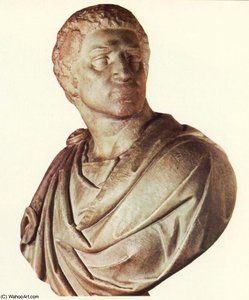
- Intimate portrait busts that captured the nuanced essence of aristocratic life, including figures like Rameau and Michelangelo;
- Allegorical explorations, such as the evocative Castalia, or the Source of Poetry.
In every sculpture, whether a large-scale public monument or a delicate bust, there is an unmistakable commitment to anatomical accuracy intertwined with a modern sensibility for emotion. He possessed the rare gift of making bronze appear as heavy as sorrow and stone as fluid as memory.
A Lasting Academic Legacy
Guillaume’s influence extended far beyond the sculptor's studio. As he ascended to the roles of Director of the École des Beaux-Arts in 1864 and later Director-General of Fine Arts from 1878 to 1879, he became a guardian of academic standards during a period of significant cultural shifts. He was not only a creator but also a prolific scholar, writing extensively on the sculpture and architecture of the Classical period. His life, which concluded in Rome in 1905, remains a testament to a lifetime dedicated to the preservation and revival of beauty. Through his leadership and his enduring oeuvre, Guillaume ensured that the classical spirit would continue to resonate within the heart of French art history.
jean baptiste claude eugène guillaume
1822 - 1905 , France
Osnovne informacije
- Artistic Movement Or Style: École des Beaux-Arts
- Artists Or Movements Influenced By This Artist: ['Michelangelo']
- Artists Who Influenced This Artist:
- Pierre Jules Cavelier
- Louis Ernest Barrias
- Date Of Birth: July 4, 1822
- Full Name: Jean Baptiste Claude Eugène Guillaume
- Nationality: French
- Notable Artworks:
- Allegorie de la musique instrumentale
- Instrumental Music
- Place Of Birth: Montbard, France
Povezani članci

The Enduring Legacy of Bronze Sculpture: A Collector's Guide to Form & Cultural Significance
Explore the rich history & enduring appeal of bronze sculpture with expert insights for collectors at ArtsDot. Learn about casting techniques, iconic artists, and collecting tips to build a discerning art collection.

The Enduring Legacy of Bronze: A Historical & Artistic Exploration for the Collector
Explore the rich history & enduring appeal of bronze sculpture with expert insights for collectors at ArtsDot. Learn about casting techniques, iconic artists, collecting tips & contemporary interpretations.

Bronze Age to Modern Masters: 10 Sculptures That Redefined Art | ArtsDot
Journey through art history with 10 legendary bronze sculptures – from Michelangelo's David to Rodin’s Thinker. Explore the stories, techniques & timeless beauty of these masterpieces. Find museum-quality reproductions & elevate your home decor on ArtsDot.com.
The Enduring Legacy of Bronze: History, Technique & Artistic Expression for the Collector
Explore the rich history & enduring appeal of bronze sculpture with expert insights for collectors at ArtsDot. Learn about casting techniques, iconic artists, and collecting tips.

Bronze Sculptures That Defined Art History | ArtsDot
Journey through art history with our Top 10 bronze sculptures! Explore masterpieces by Rodin, Michelangelo & more. Discover stories behind iconic statues and find museum-quality reproductions for your home decor at ArtsDot.com.