

 Pregledaj u prostoru
 Pošalji
 Podeli
 Detalji o delu

 Преузми
 Slični predmeti
 Rendgenski snimak
 Slajdovi
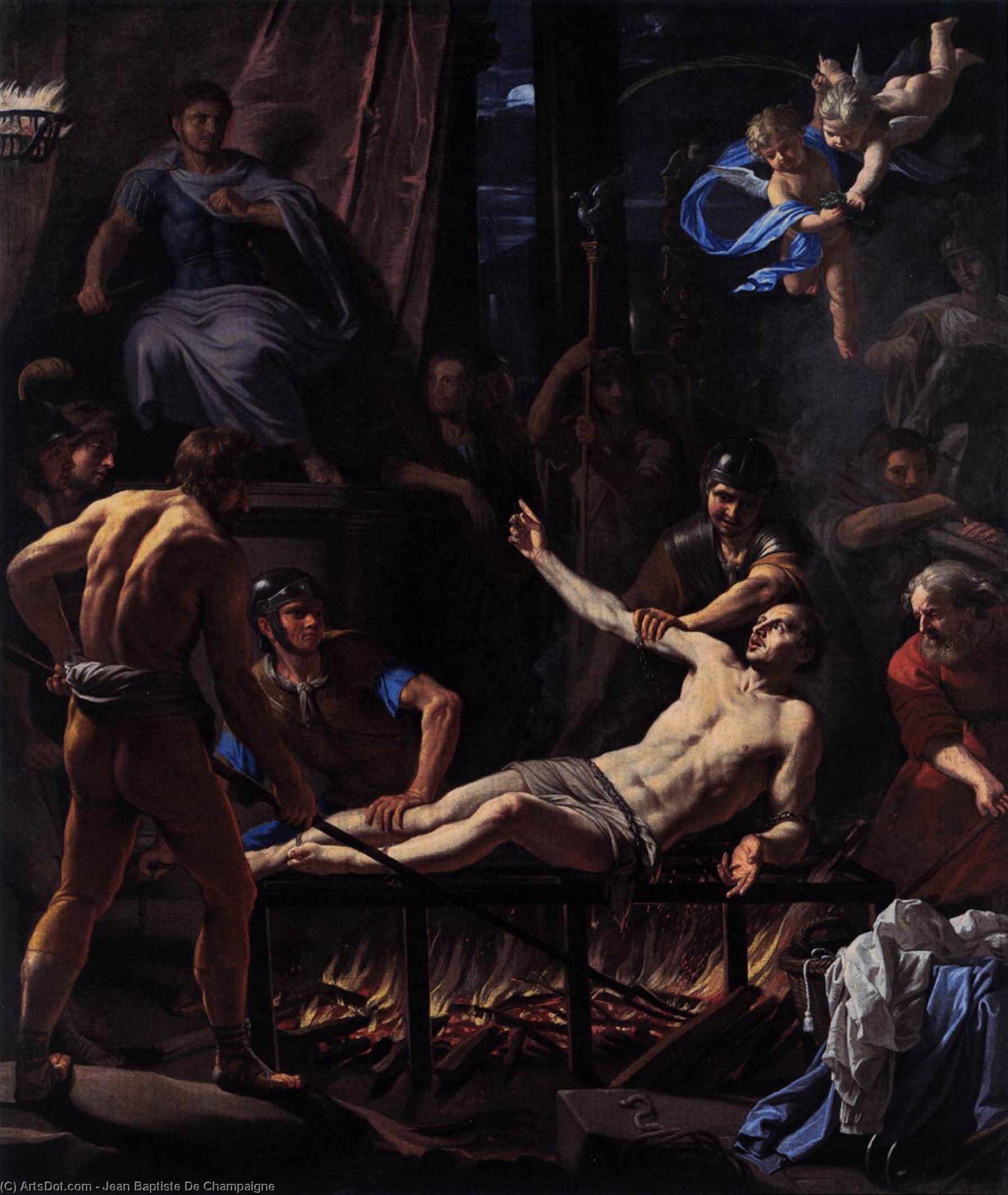
The Martyrdom of St Lawrence
 Oil On Canvas
- WallArt
- Baroque
 1660
1660- Early Modern
 82.0 x 69.0 cm
 National Gallery of Art
 Pročitaj više
Ručno rađena uljana reprodukcija
Ručno oslikano uljanim bojama na platnu u dimenzijama i okviru po vašem izboru, izrađeno po porudžbini od strane naših umetnika. ( Kupi print Kupi digitalnu sliku)




P118B $10

P118H $10

P118W $10

P438Z $10

P508JH $12

P508YH $12

P805H $10

P805Z $10

P919BZ $10

P919G $10

P919XJ $10

P959ZH $10

P968JZ $12

W106C $8

W218G $10

W218JH $8

W218Y $10

W307PJ $10

W316G $10

W316PJ $8

W316Y $10

W398PJ $8

W4111J $10

W500HY $15

W500JH $15

W692G $12

W849H $8

W940BG $15

W953PJ $8




Izaberite jednu od naših unapred definisanih veličina koje odgovaraju originalnim proporcijama umetničkog dela.

Можете унети сопствене димензије како бисте прилагодили дело одређеном оквиру или простору. Ако одабрана величина не одговара пропорцијама оригинала, слика ће бити исечена или проширена додатним елементима који се ручно насликавају. Дигитални prikaz ће вам бити послат на одобрење пре почетка производње.
Имајте на уму да преглед на екрану не одражава стварно исецање или проширење. Само приказ (mockup) ће тачно приказати коначну композицију.
Иако су доступне прилагођене величине, препоручујемо да одаберете димензију из дефинисане листе како бисте сачували оригиналне пропорције.
Nakon narudžbine, tim ArtsDot.com će klijentu putem e-pošte poslati uputstva i dostaviti prikaz predloženog rešenja
Isporuka širom sveta () za 3/4 nedelje umesto uobičajenih 5 nedelja. (27 август). Bez kompromisa po pitanju kvaliteta.

Besplatna ekspresna dostava širom sveta

Visokokvalitetno laneno platno

Kompletno osiguranje transporta

Garancija povraćaja carine i uvoznih dažbina

Garancija vernosti boja

Politika povrata u roku od 60 dana (samo u slučaju nedostataka)

Garancija povrata novca od 100%

Popust pri grupnoj kupovini
 Opcija sa staklom dostupna je samo za dimenzije manje od 110 cm

The Martyrdom of St Lawrence
Tehnika reprodukcije
Dimenzije reprodukcije
-


Konačna cena
$ 388
The Drama of Sacrifice: An Encounter with Baroque Piety
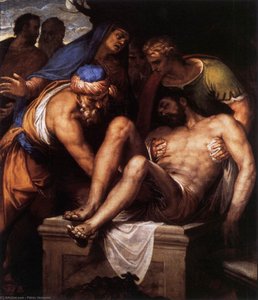
To stand before this depiction of The Martyrdom of St Lawrence is to be enveloped by the very breath of the Counter-Reformation. It is not merely a painting; it is a visceral confrontation with faith under duress. Jean Baptiste de Champaigne, working in the charged atmosphere of the mid-seventeenth century, captures a moment so fraught with tension that the paint itself seems to vibrate with suffering and divine fervor. The scene explodes with Baroque dynamism, pulling the viewer into the tight, agonizing circle surrounding Saint Lawrence. One feels the heat radiating from the burning pyre beneath which the saint is bound, an immediate sensory immersion that transcends the boundaries of the canvas.
Mastery in Shadow and Light: Technique and Composition
Champaigne’s technical brilliance is immediately apparent upon closer inspection. The artist employs chiaroscuro with breathtaking mastery; deep, velvety blacks and rich umbers serve as a dramatic foil to the stark highlights catching on flesh, drapery, and the glint of torment. This dramatic lighting does more than illuminate—it sculpts emotion. Compositionally, the work utilizes a powerful pyramidal structure that funnels all visual energy toward the central figure. The arrangement is claustrophobic yet monumental. Observe the interplay between the strong diagonal lines formed by the wooden frame and the taut ropes against the softer, yielding curves of the human bodies. This tension between rigid geometry and organic form is a hallmark of high Baroque art, lending both structure and agonizing movement to the narrative.
Symbolism Woven into Suffering
The symbolism here is profound and multilayered. The flames are never just fire; they represent purification, the ultimate test of conviction, and the transformative nature of sacrifice itself. Saint Lawrence, bound to his fate, embodies unwavering spiritual fortitude against earthly brutality. Surrounding him, the figures—the soldiers, the onlookers—are a complex tapestry of human reaction: there is condemnation etched on some faces, yet beneath that severity flickers an undeniable current of pity or awe in others. These surrounding elements transform the martyrdom from a mere historical event into a universal meditation on belief.
A Timeless Echo for Modern Spaces
For the collector or designer seeking art with profound narrative weight, this piece offers unparalleled depth. Its rich palette—dominated by deep reds, somber browns, and midnight blues—lends an immediate sense of gravitas to any interior setting. While its subject matter is intensely religious, its aesthetic power speaks a universal language of human endurance. Owning a reproduction allows one to bring home not just a painting, but a carefully curated piece of dramatic history; a focal point that demands contemplation and conversation. It promises the emotional resonance of an Old Master work while offering the accessibility of modern appreciation.
Srodna umetnička dela

Biografija umetnika
Jean Baptiste de Champaigne (1631 – 1681): Bridging Flanders and Paris
Jean Baptiste de Champaigne stands as a pivotal figure in the artistic landscape of the seventeenth century, embodying the fervent spirit of Baroque painting while simultaneously navigating the intellectual currents flowing from Antwerp to Paris. Born in Brussels in 1631, he emerged from a lineage steeped in artistic tradition – his uncle, Philippe de Champaigne, established himself as a celebrated painter in Paris and profoundly influenced Jean Baptiste’s formative years. This connection cemented Champaigne's trajectory toward Parisian artistic excellence, shaping not only his technique but also his worldview.- Early Life & Training: Jean Baptiste received his initial artistic education under Philippe’s tutelage, absorbing the stylistic innovations of Mannerism and embracing the dramatic grandeur characteristic of the Baroque movement.
- The Florentine Influence: Recognizing the importance of mastering classical ideals, Champaigne undertook a transformative journey to Italy in 1658, dedicating himself to meticulously copying masterpieces by Raphael and Titian – experiences that instilled within him an unwavering commitment to anatomical accuracy and compositional balance.
Religious Artistry: Martyrdom of St Lawrence & Beyond
Champaigne’s artistic output is predominantly defined by his devotion to religious iconography, reflecting the prevailing piety of his era. His depiction of “The Martyrdom of St Lawrence,” housed in the Musée Magnin in Dijon, exemplifies his masterful command of chiaroscuro – dramatic contrasts between light and dark – skillfully conveying both physical suffering and spiritual transcendence. The painting’s meticulous detail and emotive portrayal underscore Champaigne's ability to infuse biblical narratives with palpable human emotion.- Technical Skill: Champaigne’s technique showcased a profound understanding of pigment mixing, brushwork, and perspective, hallmarks of Flemish Baroque painting.
- Symbolism & Emotion: His compositions frequently employed symbolic gestures and visual metaphors to communicate theological concepts, demonstrating his sensitivity to the spiritual dimension of art.
Academic Recognition & Parisian Legacy
Returning from Italy, Champaigne secured a prestigious position at the Académie Royale de peinture et de sculpture in Paris in 1671 – an institution that served as a crucible for artistic innovation and intellectual debate. Remarkably, he survived longer than Philippe’s own children, fostering a familial bond akin to mentorship and ensuring his son’s upbringing mirrored Champaigne's own privileged artistic education. This nurturing environment undoubtedly contributed to Jean Baptiste’s enduring contribution to French Baroque painting.- Teaching Role: As a teacher, Champaigne instilled in his pupils the principles of observation, disegno (drawing), and expressive color – shaping the artistic sensibilities of future generations.
- Influence on Parisian Art Scene: His presence at the Académie solidified Champaigne’s reputation as a leading artist and educator, bolstering Paris's position as Europe’s foremost center for artistic excellence.
Notable Works & Artistic Style
Beyond “The Martyrdom of St Lawrence,” Champaigne produced several portraits – notably “Portrait of a Man, possibly Philippe de la Trémoïlle, Count of Olonne” – demonstrating his ability to capture the psychological complexity and aristocratic grandeur of his subjects. His style blended Flemish realism with Italian Mannerist elegance, resulting in paintings characterized by refined facture, luminous color palettes, and an unwavering commitment to anatomical precision. Jean Baptiste de Champaigne’s legacy continues to inspire artists today, securing his place as a cornerstone of Baroque art history.Further Exploration
For deeper insights into Jean Baptiste de Champaigne's artistic journey and contributions, consult the resources available at Wikipedia and The National Gallery of Art.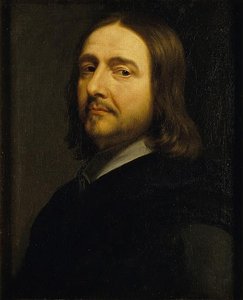
Jean Baptiste de Champaigne
1631 - 1681 , Belgium
Osnovne informacije
- Artistic Movement Or Style: Baroque
- Artists Or Movements Influenced By This Artist: Raphael, Titian
- Artists Who Influenced This Artist: Philippe de Champaigne
- Date Of Birth: Brussels, Belgium (1631)
- Date Of Death: Paris (1681)
- Full Name: Jean Baptiste de Champaigne
- Nationality: Flemish
- Notable Artworks: ['The Martyrdom of St Lawrence']
- Place Of Birth: Brussels
Povezani članci

Барокна драма: Уношење величине и емоција у савремене ентеријере
Откријте барокну драму и унесите величину у ваш ентеријер! ArtsDot нуди ручно насликане репродукције, персонализоване портрете и стручне консултације за љубитеље класичне уметности. Потражите савршено дело већ данас!

The Dramatic Flourish: Exploring the Baroque Movement's Enduring Legacy in Art History
Explore the dramatic world of Baroque art! Discover iconic artists like Caravaggio & Rubens, defining techniques, and its lasting impact on art history. Expert insights for collectors & enthusiasts at ArtsDot.

Barok Majstor dela: Top 10 Umjetničkih Remeka za Vaš Dom
Otkrijte 10 remek dela koja su definisala baroknu umetnost! Karavagio, Bernini i više – istražite priče iza ovih ikoničnih slika. Inspiracija za vaš dom? Pogledajte kolekciju na ArtsDot.com!
From Grandeur to Grace: Exploring the Evolution of Baroque & Rococo Art
Explore the captivating evolution from Baroque's drama to Rococo's grace! Discover key artists, characteristics & lasting influence of these art movements with expert insights at ArtsDot.
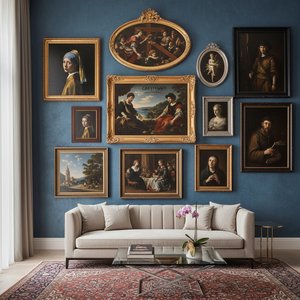
Baroque Painting's Greatest Hits: 10 Masterpieces for Your Home | ArtsDot
Journey through Baroque painting's glory! Explore 10 masterpieces by Caravaggio, Rembrandt & Vermeer. Discover dramatic lighting, rich colors & timeless stories. Find museum-quality art reproductions for your home at ArtsDot.com.

