

 Pregledaj u prostoru
 Pošalji
 Podeli
 Detalji o delu

 Преузми
 Slični predmeti
 Rendgenski snimak
 Slajdovi
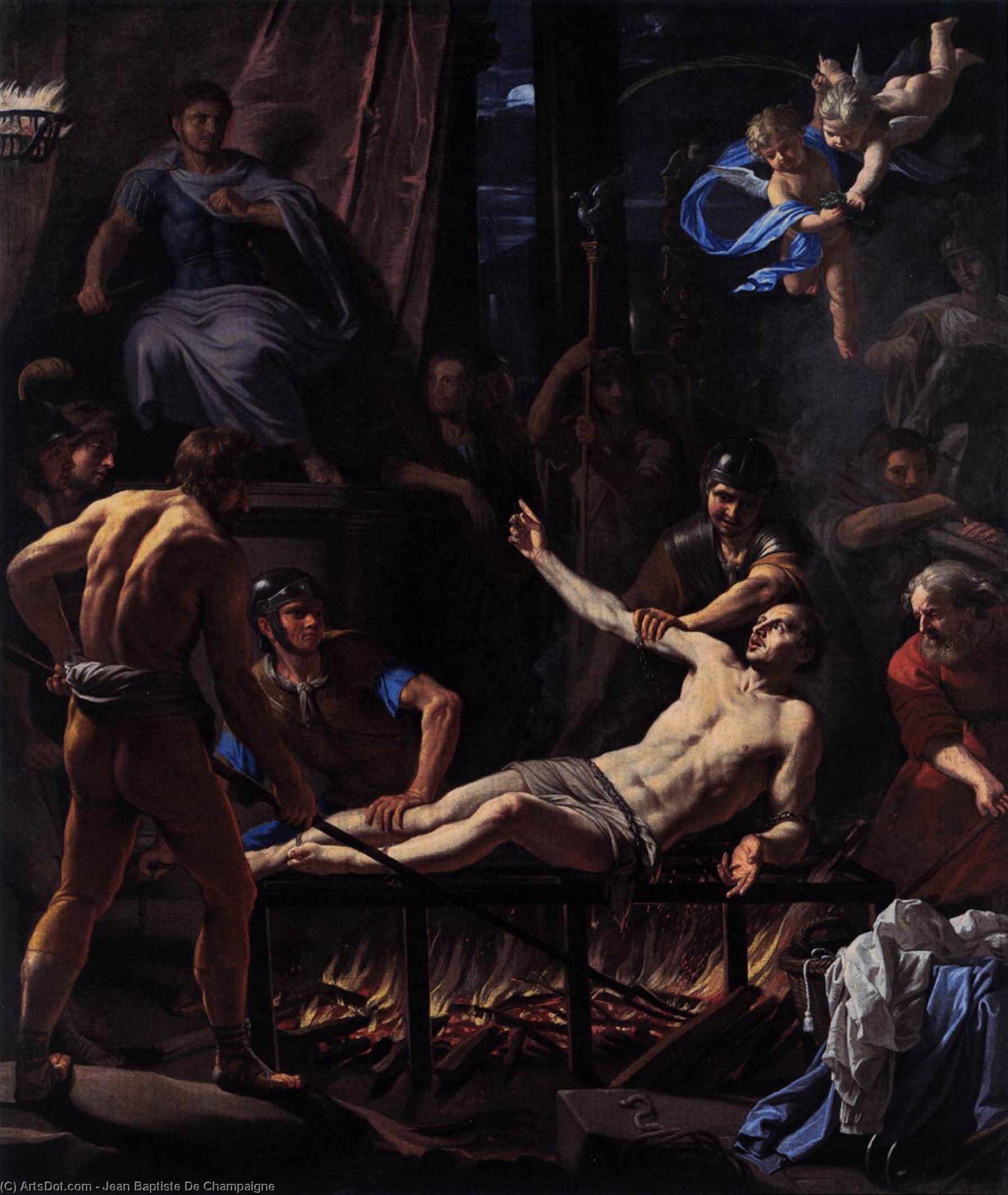
The Martyrdom of St Lawrence
 Oil On Canvas
- WallArt
- Baroque
 1660
1660- Early Modern
 82.0 x 69.0 cm
 National Gallery of Art
 Pročitaj više
Kupite digitalnu sliku visoke rezolucije i poboljšanog kvaliteta, koja je znatno superiornija od onoga što vidite u online prikazu.
Svaka datoteka je pedantno pripremljena od strane naših stručnjaka koristeći napredne alate i profesionalnu ručnu retušu. Osiguravamo da svaka slika ima izuzetnu oštrinu, preciznu reprodukciju boja i fine detalje.
Konačna datoteka se dostavlja putem e-pošte u roku od 72 sata, optimizovana za neposrednu upotrebu u profesionalnim, izdavačkim i štamparskim okruženjima. To je isti kvalitet kojem veruju vrhunski studiji dizajna, izdavači i galerije.
Digitalna slika
Preuzmite datoteku visoke rezolucije za ličnu upotrebu, štampanje i kreativne projekte. ( Kupi print Kupi ručno naslikanu sliku)
Uključeno uz svaku porudžbinu digitalne slike
Profesionalna digitalna isporuka, zagarantovana
Kada odaberete ArtsDot.com, ne dobijate samo sliku – vi primate profesionalno unapređeno digitalno umetničko delo, izrađeno sa najvećom preciznošću i uz garanciju zadovoljstva. Evo svega što automatski dolazi uz vašu porudžbinu:

Brza dostava putem e-pošte
Vaša digitalna slika visoke rezolucije biće vam poslata putem e-pošte u roku od 72 sata od poručivanja – spremna za trenutnu upotrebu.

Digitalna datoteka unapređena veštačkom inteligencijom
Vaše umetničko delo je profesionalno optimizovano korišćenjem naprednih AI alata i ručne obrade, čime se osiguravaju maksimalni detalji, oštrina i preciznost boja.

Besplatna ponovna isporuka doživotno
Slučajno ste obrisali ili izgubili svoju datoteku? Ne brinite – poslaćemo vam je ponovo u bilo kom trenutku, potpuno besplatno.

Bez troškova uvoza – zauvek
Uživajte u svojim umetničkim delima trenutno, bez carine, dažbina ili troškova dostave – digitalni download je uvek bez poreza.

Garancija vernosti boja
Uz pomoć profesionalnih alata i upravljanja bojama, osiguravamo da vaša digitalna slika što vernije odražava originalne boje.

Garancija zadovoljstva u roku od 60 dana
Ako niste zadovoljni svojom digitalnom slikom, revidirat ćemo je ili vratiti 100% novca u roku od 60 dana – bez ikakvih pitanja.

100% garancija povrata novca
Niste zadovoljni? Obezbedite pun povrat novca u roku od 60 dana od trenutka kada ste primili svoju digitalnu datoteku – bez suvišnih pitanja.

Popusti na velike porudžbine
Kupite 3 slike, uštedite 10% - Kupite 5 slika, uštedite 15% - Kupite 10+ slika, uštedite 20%. Odlično za kreativne projekte, galerije i agencije.
The Drama of Sacrifice: An Encounter with Baroque Piety
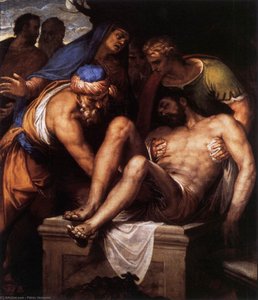
To stand before this depiction of The Martyrdom of St Lawrence is to be enveloped by the very breath of the Counter-Reformation. It is not merely a painting; it is a visceral confrontation with faith under duress. Jean Baptiste de Champaigne, working in the charged atmosphere of the mid-seventeenth century, captures a moment so fraught with tension that the paint itself seems to vibrate with suffering and divine fervor. The scene explodes with Baroque dynamism, pulling the viewer into the tight, agonizing circle surrounding Saint Lawrence. One feels the heat radiating from the burning pyre beneath which the saint is bound, an immediate sensory immersion that transcends the boundaries of the canvas.
Mastery in Shadow and Light: Technique and Composition
Champaigne’s technical brilliance is immediately apparent upon closer inspection. The artist employs chiaroscuro with breathtaking mastery; deep, velvety blacks and rich umbers serve as a dramatic foil to the stark highlights catching on flesh, drapery, and the glint of torment. This dramatic lighting does more than illuminate—it sculpts emotion. Compositionally, the work utilizes a powerful pyramidal structure that funnels all visual energy toward the central figure. The arrangement is claustrophobic yet monumental. Observe the interplay between the strong diagonal lines formed by the wooden frame and the taut ropes against the softer, yielding curves of the human bodies. This tension between rigid geometry and organic form is a hallmark of high Baroque art, lending both structure and agonizing movement to the narrative.
Symbolism Woven into Suffering
The symbolism here is profound and multilayered. The flames are never just fire; they represent purification, the ultimate test of conviction, and the transformative nature of sacrifice itself. Saint Lawrence, bound to his fate, embodies unwavering spiritual fortitude against earthly brutality. Surrounding him, the figures—the soldiers, the onlookers—are a complex tapestry of human reaction: there is condemnation etched on some faces, yet beneath that severity flickers an undeniable current of pity or awe in others. These surrounding elements transform the martyrdom from a mere historical event into a universal meditation on belief.
A Timeless Echo for Modern Spaces
For the collector or designer seeking art with profound narrative weight, this piece offers unparalleled depth. Its rich palette—dominated by deep reds, somber browns, and midnight blues—lends an immediate sense of gravitas to any interior setting. While its subject matter is intensely religious, its aesthetic power speaks a universal language of human endurance. Owning a reproduction allows one to bring home not just a painting, but a carefully curated piece of dramatic history; a focal point that demands contemplation and conversation. It promises the emotional resonance of an Old Master work while offering the accessibility of modern appreciation.
Srodna umetnička dela

Biografija umetnika
Jean Baptiste de Champaigne (1631 – 1681): Bridging Flanders and Paris
Jean Baptiste de Champaigne stands as a pivotal figure in the artistic landscape of the seventeenth century, embodying the fervent spirit of Baroque painting while simultaneously navigating the intellectual currents flowing from Antwerp to Paris. Born in Brussels in 1631, he emerged from a lineage steeped in artistic tradition – his uncle, Philippe de Champaigne, established himself as a celebrated painter in Paris and profoundly influenced Jean Baptiste’s formative years. This connection cemented Champaigne's trajectory toward Parisian artistic excellence, shaping not only his technique but also his worldview.- Early Life & Training: Jean Baptiste received his initial artistic education under Philippe’s tutelage, absorbing the stylistic innovations of Mannerism and embracing the dramatic grandeur characteristic of the Baroque movement.
- The Florentine Influence: Recognizing the importance of mastering classical ideals, Champaigne undertook a transformative journey to Italy in 1658, dedicating himself to meticulously copying masterpieces by Raphael and Titian – experiences that instilled within him an unwavering commitment to anatomical accuracy and compositional balance.
Religious Artistry: Martyrdom of St Lawrence & Beyond
Champaigne’s artistic output is predominantly defined by his devotion to religious iconography, reflecting the prevailing piety of his era. His depiction of “The Martyrdom of St Lawrence,” housed in the Musée Magnin in Dijon, exemplifies his masterful command of chiaroscuro – dramatic contrasts between light and dark – skillfully conveying both physical suffering and spiritual transcendence. The painting’s meticulous detail and emotive portrayal underscore Champaigne's ability to infuse biblical narratives with palpable human emotion.- Technical Skill: Champaigne’s technique showcased a profound understanding of pigment mixing, brushwork, and perspective, hallmarks of Flemish Baroque painting.
- Symbolism & Emotion: His compositions frequently employed symbolic gestures and visual metaphors to communicate theological concepts, demonstrating his sensitivity to the spiritual dimension of art.
Academic Recognition & Parisian Legacy
Returning from Italy, Champaigne secured a prestigious position at the Académie Royale de peinture et de sculpture in Paris in 1671 – an institution that served as a crucible for artistic innovation and intellectual debate. Remarkably, he survived longer than Philippe’s own children, fostering a familial bond akin to mentorship and ensuring his son’s upbringing mirrored Champaigne's own privileged artistic education. This nurturing environment undoubtedly contributed to Jean Baptiste’s enduring contribution to French Baroque painting.- Teaching Role: As a teacher, Champaigne instilled in his pupils the principles of observation, disegno (drawing), and expressive color – shaping the artistic sensibilities of future generations.
- Influence on Parisian Art Scene: His presence at the Académie solidified Champaigne’s reputation as a leading artist and educator, bolstering Paris's position as Europe’s foremost center for artistic excellence.
Notable Works & Artistic Style
Beyond “The Martyrdom of St Lawrence,” Champaigne produced several portraits – notably “Portrait of a Man, possibly Philippe de la Trémoïlle, Count of Olonne” – demonstrating his ability to capture the psychological complexity and aristocratic grandeur of his subjects. His style blended Flemish realism with Italian Mannerist elegance, resulting in paintings characterized by refined facture, luminous color palettes, and an unwavering commitment to anatomical precision. Jean Baptiste de Champaigne’s legacy continues to inspire artists today, securing his place as a cornerstone of Baroque art history.Further Exploration
For deeper insights into Jean Baptiste de Champaigne's artistic journey and contributions, consult the resources available at Wikipedia and The National Gallery of Art.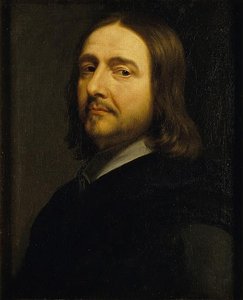
Jean Baptiste de Champaigne
1631 - 1681 , Belgium
Kratke činjenice
- Artistic Movement Or Style: Baroque
- Artists Or Movements Influenced By This Artist: Raphael, Titian
- Artists Who Influenced This Artist: Philippe de Champaigne
- Date Of Birth: Brussels, Belgium (1631)
- Date Of Death: Paris (1681)
- Full Name: Jean Baptiste de Champaigne
- Nationality: Flemish
- Notable Artworks: ['The Martyrdom of St Lawrence']
- Place Of Birth: Brussels

