

 Pregledaj u prostoru
 Pošalji
 Podeli
 Detalji o delu

 Преузми
 Slični predmeti
 Rendgenski snimak
 Slajdovi
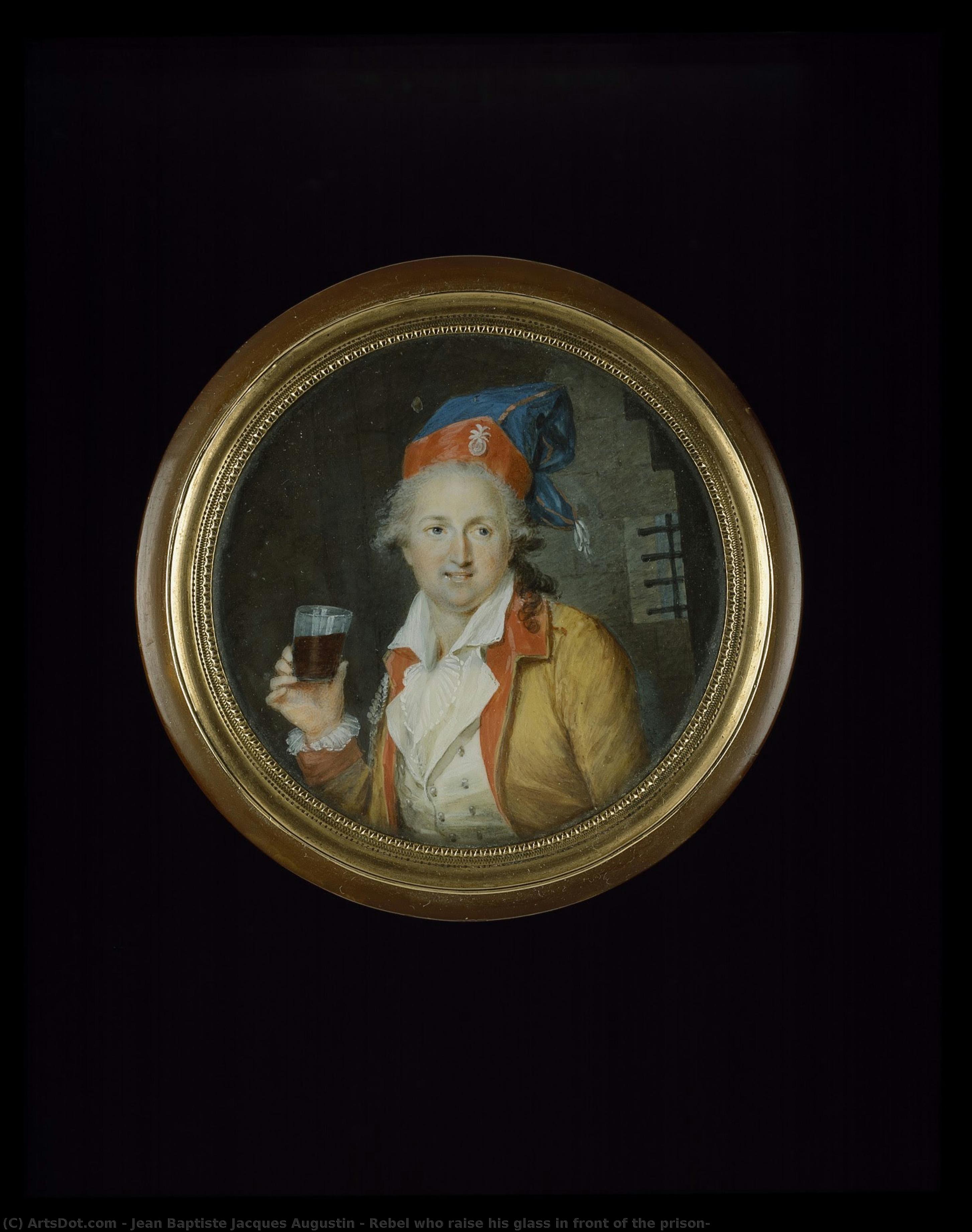
Rebel who raise his glass in front of the prison


 Pročitaj više
Ručno rađena uljana reprodukcija
Ručno oslikano uljanim bojama na platnu u dimenzijama i okviru po vašem izboru, izrađeno po porudžbini od strane naših umetnika. ( Kupi print Kupi digitalnu sliku)




P118B $10

P118H $10

P118W $10

P438Z $10

P508JH $12

P508YH $12

P805H $10

P805Z $10

P919BZ $10

P919G $10

P919XJ $10

P959ZH $10

P968JZ $12

W106C $8

W218G $10

W218JH $8

W218Y $10

W307PJ $10

W316G $10

W316PJ $8

W316Y $10

W398PJ $8

W4111J $10

W500HY $15

W500JH $15

W692G $12

W849H $8

W940BG $15

W953PJ $8




Izaberite jednu od naših unapred definisanih veličina koje odgovaraju originalnim proporcijama umetničkog dela.

Можете унети сопствене димензије како бисте прилагодили дело одређеном оквиру или простору. Ако одабрана величина не одговара пропорцијама оригинала, слика ће бити исечена или проширена додатним елементима који се ручно насликавају. Дигитални prikaz ће вам бити послат на одобрење пре почетка производње.
Имајте на уму да преглед на екрану не одражава стварно исецање или проширење. Само приказ (mockup) ће тачно приказати коначну композицију.
Иако су доступне прилагођене величине, препоручујемо да одаберете димензију из дефинисане листе како бисте сачували оригиналне пропорције.
Nakon narudžbine, tim ArtsDot.com će klijentu putem e-pošte poslati uputstva i dostaviti prikaz predloženog rešenja
Isporuka širom sveta () za 3/4 nedelje umesto uobičajenih 5 nedelja. (31 август). Bez kompromisa po pitanju kvaliteta.

Besplatna ekspresna dostava širom sveta

Visokokvalitetno laneno platno

Kompletno osiguranje transporta

Garancija povraćaja carine i uvoznih dažbina

Garancija vernosti boja

Politika povrata u roku od 60 dana (samo u slučaju nedostataka)

Garancija povrata novca od 100%

Popust pri grupnoj kupovini
 Opcija sa staklom dostupna je samo za dimenzije manje od 110 cm

Rebel who raise his glass in front of the prison
Tehnika reprodukcije
Dimenzije reprodukcije
-


Konačna cena
$ 263
A Toast to Defiance: The Spirit of the Rebel
In the evocative painting Rebel who raise his glass in front of the prison, we are transported into a moment of profound cinematic tension and unyielding spirit. The composition centers on a figure draped in a striking, crimson attire, a color that immediately commands the viewer's attention and serves as a visual metaphor for passion, blood, and revolution. As he raises a glass of beer toward an unseen horizon, his posture suggests a toast not just to companionship, but to the very idea of liberty. The man’s face, partially turned away, invites us to project our own emotions onto his silhouette, creating a sense of shared struggle and clandestine triumph. This is not merely a portrait of a man; it is a captured heartbeat of resistance.
The setting provides a stark, dramatic backdrop that heightens the narrative weight of the piece. The looming presence of a prison serves as a somber reminder of the stakes involved in such an act of defiance. This juxtaposition between the celebratory gesture of the toast and the oppressive architecture of confinement creates a powerful psychological friction. The artist masterfully utilizes light and shadow to sculpt the textures of the man's clothing and the ruggedness of his features, lending the scene a tactile quality that feels almost tangible. Every brushstroke contributes to an atmosphere where the air feels thick with the scent of old stone, spilled ale, and the electric anticipation of a brewing storm.
Mastery of Texture and Baroque Influence
Technically, the work draws upon the rich traditions of the Baroque era, emphasizing dramatic chiaroscuro to pull the subject out from the darkness. The interplay of light across the man's red outfit creates deep folds and brilliant highlights, showcasing a sophisticated command over color temperature and value. There is a remarkable attention to detail in the rendering of the glass and the liquid within, capturing the way light refracts through the amber brew, adding a layer of sensory realism to the composition. This meticulous approach ensures that the painting possesses a lifelike vitality, making the scene feel less like a static image and more like a frozen moment from a much larger, epic saga.
For the discerning collector or interior designer, this piece offers an unparalleled opportunity to introduce a focal point of high drama and historical depth into a curated space. The bold use of red makes it an ideal anchor for a room designed with sophisticated, moody palettes, while its narrative complexity provides endless conversation for guests. Whether placed in a private study, a grand library, or a contemporary living area, this reproduction brings with it an aura of prestige and a timeless connection to the art of storytelling. It is a piece that does not merely decorate a wall; it commands the room, inviting all who behold it to contemplate the enduring human desire for freedom.
Srodna umetnička dela
Biografija umetnika
Frederik de Moucheron: A Master of Baroque Still Life
Born in 1633 and passing away in 1686, Frederik de Moucheron was a prominent figure within the Dutch Baroque art scene. While not as widely celebrated as some of his contemporaries, his contributions to still life painting are significant, offering a unique blend of meticulous detail, religious devotion, and a subtle, almost melancholic beauty. De Moucheron’s work reflects the prevailing trends of his time – a fascination with light, shadow, and the textures of everyday objects – but also possesses a distinct personality that sets him apart.
De Moucheron's early life remains somewhat shrouded in mystery, lacking extensive biographical details. He was trained as a landscape painter, a common path for aspiring artists during his era. However, he quickly gravitated towards still life, finding within this genre the opportunity to explore themes of faith and mortality with remarkable sensitivity. His paintings frequently depict arrangements of fruits, flowers, and other objects – often accompanied by religious symbols – creating layered narratives that invite contemplation. The influence of Carlo Dolci, a Florentine painter known for his devotional still lifes, is readily apparent in de Moucheron’s style; both artists shared a penchant for luminous color palettes and a focus on the spiritual significance of their subjects.
- Key Characteristics: De Moucheron's paintings are characterized by an extraordinary level of detail. He meticulously rendered every surface, capturing the sheen of fruit skins, the delicate veins of leaves, and the subtle variations in color. His compositions often feature a carefully arranged pyramid structure, drawing the viewer’s eye to the central focal point.
- Religious Symbolism: De Moucheron frequently incorporated religious symbols into his still lifes – skulls representing mortality, grapes symbolizing the blood of Christ, and lilies signifying purity. These elements elevate the seemingly simple arrangements to profound meditations on life, death, and redemption.
- Color Palette: His use of color is remarkably restrained yet evocative. He favored muted tones—ochres, browns, and greens—creating a sense of quiet solemnity and drawing attention to the textures and forms within each composition.
The Influence of Carlo Dolci and the Florentine Tradition
As noted in research from Art UK, Carlo Dolci’s work served as a significant influence on de Moucheron's artistic development. Dolci, who painted during the same period, was renowned for his intensely devotional still lifes, often depicting scenes of religious contemplation within intimate domestic settings. De Moucheron adopted many of Dolci’s techniques – particularly his masterful use of light and shadow to create a sense of atmosphere—but he developed a more refined and polished style.
The Florentine tradition, with its emphasis on naturalism and the depiction of everyday objects imbued with spiritual meaning, provided a crucial foundation for de Moucheron’s artistic vision. Sir John Finch, a British physician who collected Dolci's works, recognized the value of this connection, highlighting the appeal of these paintings to contemporary European audiences. De Moucheron’s work can be seen as a continuation and evolution of this rich artistic heritage.
Technique and Materials
De Moucheron was known for his meticulous approach to painting, employing a technique characterized by smooth brushwork and an almost photographic level of detail. He utilized oil paints on panel, carefully layering glazes to achieve the desired luminosity and depth. His dedication to realism is evident in every aspect of his work – from the precise rendering of textures to the subtle variations in color.
He was a master of capturing the fleeting effects of light, creating an illusion of three-dimensionality that draws the viewer into the scene. His paintings are not merely representations of objects; they are carefully constructed visual narratives designed to evoke contemplation and spiritual reflection. The influence of Jean-Baptiste Oudry, who focused on animal still lifes and experimented with various media, is also noticeable in de Moucheron’s attention to detail and his ability to capture the essence of natural forms.
Legacy and Historical Significance
Despite not achieving widespread fame during his lifetime, Frederik de Moucheron's work has gained renewed appreciation in recent decades. His paintings are now recognized as important examples of Dutch Baroque still life painting, offering a unique perspective on themes of faith, mortality, and the beauty of the natural world. His meticulous technique and subtle symbolism continue to resonate with viewers today.
De Moucheron’s legacy lies not only in his individual paintings but also in his contribution to the broader artistic landscape of 17th-century Holland. His work serves as a reminder that even within established traditions, artists can develop distinctive voices and create works of enduring beauty and significance.
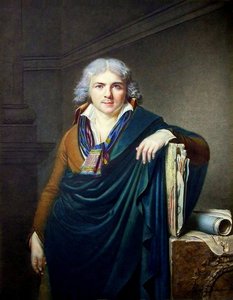
jean baptiste jacques augustin
1686 - 1755 , France
Osnovne informacije
- Artistic Movement Or Style: Baroque, Landscape painting
- Artists Or Movements Influenced By This Artist: ['Carlo Dolci']
- Artists Who Influenced This Artist: ['Isaac']
- Date Of Birth: 1633
- Date Of Death: 1686
- Full Name: Frederik de Moucheron
- Notable Artworks: ['']
Povezani članci
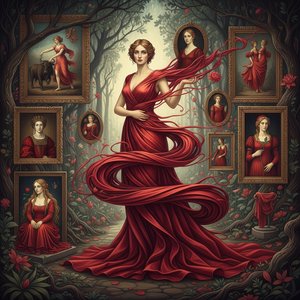
Crimson Threads of Narrative: Exploring Symbolism & Representation in Artworks Featuring the Red Dress
Explore the rich symbolism of the red dress in art history! From ancient power displays to iconic portraits like Cézanne’s 'Madame Cezanne', discover the cultural and artistic significance behind this captivating color. Expert analysis & insights.
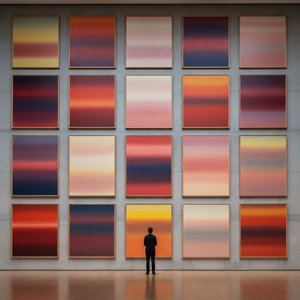
Mark Rothko: 25 Remek-dela Apstraktne Ekspresije za Vaš Dom | ArtsDot
Istražite 25 remek-dela Marka Rothka – ikona apstraktne ekspresije. Otkrijte priče, tehnike i emocije iza ovih veličanstvenih slika. Reprodukcije vrhunskog kvaliteta za vaš dom na ArtsDot.com!
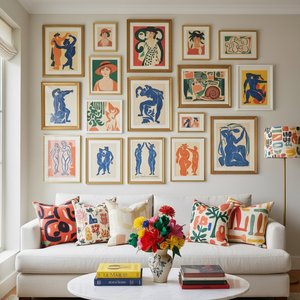
Henri Matisse: 25 Remek-dela koji definišu boju i modernu umetnost | ArtsDot
Uronite u svet Henri Matissea! Istražite 25 remek-dela Fauvizma i moderne umetnosti. Otkrijte priče iza slika, tehnike i inspiraciju slavnog francuskog slikara. Reprodukcije vrhunskog kvaliteta dostupne na ArtsDot.com.
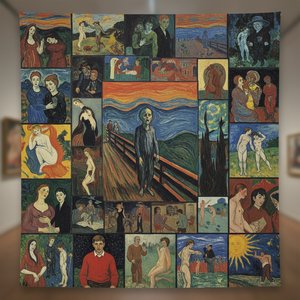
Edvard Munch: 25 Remek-dela Koje Otkrivaju Dubinu Čovekove Duše | ArtsDot
Istražite 25 remek-dela Edvarda Muncha i otkrijte dubinu ekspresionizma, tugu i anksioznost u njegovim ikončnim slikama. Kvalitetne reprodukcije za dekoraciju enterijera dostupne na ArtsDot.com. Pronađite inspiraciju i kupite umetnička dela online!

Kandinsky's Masterpieces: 25 Paintings That Define Abstract Art | ArtsDot
Journey through Wassily Kandinsky's 25 most iconic abstract paintings. Explore his revolutionary use of color, form & spiritual expressionism. Find museum-quality Kandinsky reproductions and elevate your home decor with ArtsDot.com. Discover all masterpieces on ArtsDot.com!

