

 Pregledaj u prostoru
 Pošalji
 Podeli
 Detalji o delu

 Преузми
 Slični predmeti
 Rendgenski snimak
 Slajdovi
 Stats
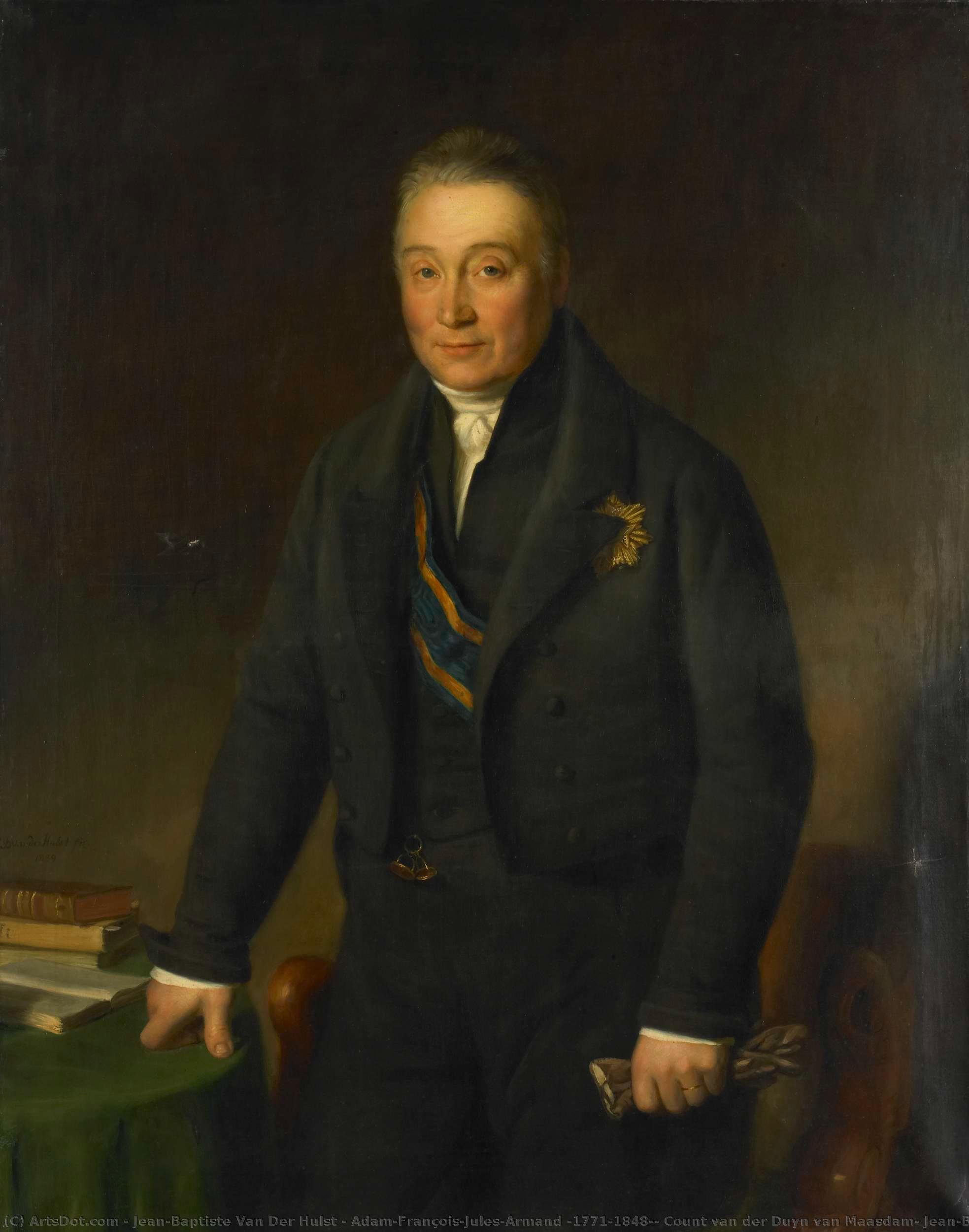
StatsAdam-François-Jules-Armand (1771-1848), Count van der Duyn van Maasdam, Jean-Baptiste Van der Hulst, 1839
 1839
1839 122.0 x 95.0 cm
 Pročitaj više
Ručno rađena uljana reprodukcija
Ručno oslikano uljanim bojama na platnu u dimenzijama i okviru po vašem izboru, izrađeno po porudžbini od strane naših umetnika. ( Switch to Print Switch to Digital Image)




































Izaberite jednu od naših unapred definisanih veličina koje odgovaraju originalnim proporcijama umetničkog dela.

Можете унети сопствене димензије како бисте прилагодили дело одређеном оквиру или простору. Ако одабрана величина не одговара пропорцијама оригинала, слика ће бити исечена или проширена додатним елементима који се ручно насликавају. Дигитални prikaz ће вам бити послат на одобрење пре почетка производње.
Имајте на уму да преглед на екрану не одражава стварно исецање или проширење. Само приказ (mockup) ће тачно приказати коначну композицију.
Иако су доступне прилагођене величине, препоручујемо да одаберете димензију из дефинисане листе како бисте сачували оригиналне пропорције.
Nakon narudžbine, tim ArtsDot.com će klijentu putem e-pošte poslati uputstva i dostaviti prikaz predloženog rešenja
Isporuka širom sveta () za 3/4 nedelje umesto uobičajenih 5 nedelja. (8 септембар). Bez kompromisa po pitanju kvaliteta.

Besplatna ekspresna dostava širom sveta

Visokokvalitetno laneno platno

Kompletno osiguranje transporta

Garancija povraćaja carine i uvoznih dažbina

Garancija vernosti boja

Politika povraćaja u roku od 100 dana (isključivo u slučaju nedostataka)

Garancija povrata novca od 100%

Popust pri grupnoj kupovini
 Opcija sa staklom dostupna je samo za dimenzije manje od 110 cm

Adam-François-Jules-Armand (1771-1848), Count van der Duyn van Maasdam, Jean-Baptiste Van der Hulst, 1839
Tehnika reprodukcije
Dimenzije reprodukcije
-


Konačna cena
$ 263
Srodna umetnička dela




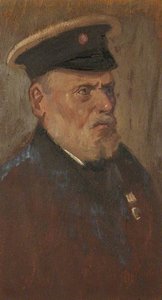


Biografija umetnika
A Brush with Royalty: The Life and Art of Jean-Baptiste van der Hulst
Born in Leuven, Belgium, in 1790, Jean-Baptiste van der Hulst emerged as a significant figure in the artistic landscape of the early 19th century. His life coincided with a period of immense political and social upheaval in Europe, events that would profoundly shape not only his personal trajectory but also the subject matter he chose to immortalize on canvas. While initially trained in the traditional Flemish style, van der Hulst quickly distinguished himself through an exceptional talent for portraiture, a skill that ultimately led him to the heart of Dutch royal circles. His journey from aspiring artist to *hofschilder* (court painter) is a testament to his dedication, technical prowess, and ability to capture not merely likenesses but the very essence of his sitters.Early Training and Artistic Development
Van der Hulst’s early artistic education remains somewhat shrouded in mystery; however, it's understood he received foundational training within the established Flemish schools. This grounding instilled in him a meticulous attention to detail, a mastery of light and shadow, and a deep appreciation for classical composition—elements that would become hallmarks of his mature style. He wasn’t merely replicating techniques, though. Van der Hulst possessed an innate sensitivity to human expression, allowing him to move beyond simple representation towards a more nuanced portrayal of character. This talent was particularly evident in his early portraits, which, while not widely known today, demonstrate a burgeoning ability to convey personality and social standing through subtle gestures and carefully chosen attire. He began exhibiting works that garnered local attention, slowly building a reputation for quality and precision.The Court of the Netherlands: A Portraitist Ascendant
The pivotal moment in van der Hulst’s career arrived with his appointment as court painter to King William I of the Netherlands in 1830. This prestigious position thrust him into a world of aristocracy, diplomacy, and national identity. He was tasked with creating official portraits of the royal family and prominent members of Dutch society—a commission that demanded not only artistic skill but also an understanding of court etiquette and political symbolism. Van der Hulst excelled in this role, producing a series of elegant and dignified portraits that served to solidify the image of the newly established monarchy. His depictions weren’t simply flattering; they were carefully constructed narratives designed to project power, stability, and legitimacy. He became adept at using props, backgrounds, and even clothing to subtly communicate messages about his sitters' status and achievements.Beyond Portraits: History Painting and Artistic Legacy
While van der Hulst is best remembered for his royal portraits, he also engaged in history painting, a genre considered more prestigious at the time. These works, though less numerous than his portraiture, reveal a broader artistic ambition and a desire to engage with significant historical events. He tackled scenes of national heroism and moments of political importance, demonstrating a command of composition and narrative storytelling.- Technical Mastery: Van der Hulst’s technique was characterized by smooth brushwork, rich color palettes, and an exceptional attention to detail. He employed glazing techniques to create depth and luminosity in his paintings.
- Symbolism and Narrative: His portraits were often imbued with subtle symbolism, reflecting the social status and political affiliations of his sitters.
- Influence of Contemporaries: While maintaining a distinct style, van der Hulst was influenced by contemporary portraitists such as Jacques-Louis David and Jean-Auguste-Dominique Ingres.
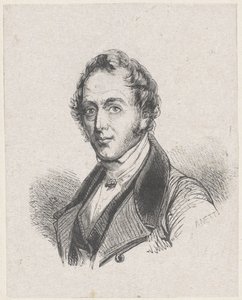
jean-baptiste van der hulst
1790 - 1862 , Belgium
Osnovne informacije
- Artistic Movement Or Style: History painting, Portraiture
- Date Of Birth: 1790
- Date Of Death: 1862
- Full Name: Jean-Baptiste van der Hulst
- Nationality: Flemish
- Place Of Birth: Leuven, Belgium