

 Pregledaj u prostoru
 Pošalji
 Podeli
 Detalji o delu

 Преузми
 Slični predmeti
 Rendgenski snimak
 Slajdovi
 Stats
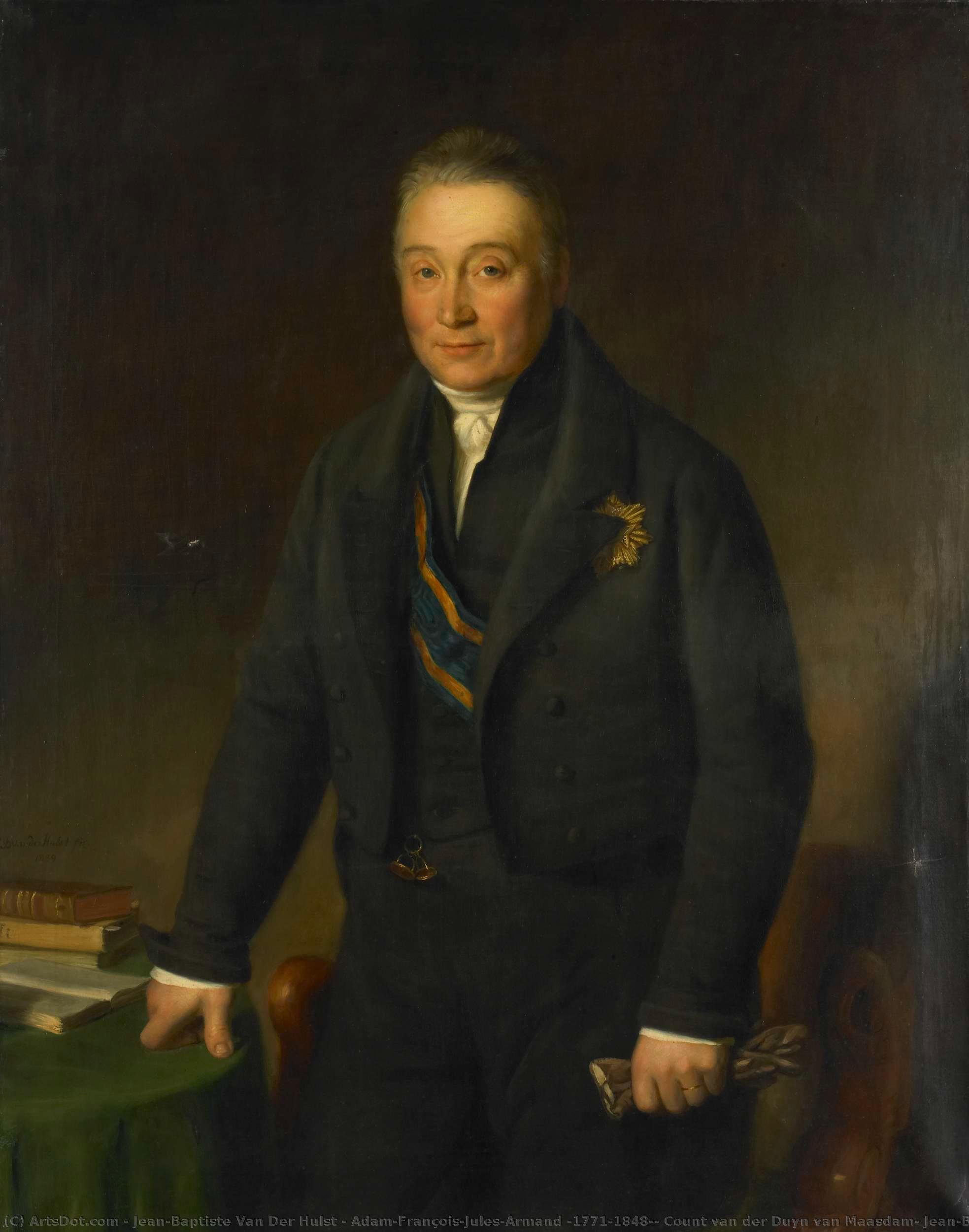
StatsAdam-François-Jules-Armand (1771-1848), Count van der Duyn van Maasdam, Jean-Baptiste Van der Hulst, 1839
 1839
1839 122.0 x 95.0 cm
 Pročitaj više
Kupite digitalnu sliku visoke rezolucije i poboljšanog kvaliteta, koja je znatno superiornija od onoga što vidite u online prikazu.
Svaka datoteka je pedantno pripremljena od strane naših stručnjaka koristeći napredne alate i profesionalnu ručnu retušu. Osiguravamo da svaka slika ima izuzetnu oštrinu, preciznu reprodukciju boja i fine detalje.
Konačna datoteka se dostavlja putem e-pošte u roku od 72 sata, optimizovana za neposrednu upotrebu u profesionalnim, izdavačkim i štamparskim okruženjima. To je isti kvalitet kojem veruju vrhunski studiji dizajna, izdavači i galerije.
Digitalna slika
Preuzmite datoteku visoke rezolucije za ličnu upotrebu, štampanje i kreativne projekte. ( Switch to Print Kupi ručno naslikanu sliku)
Uključeno uz svaku porudžbinu digitalne slike
Profesionalna digitalna isporuka, zagarantovana
Kada odaberete ArtsDot.com, ne dobijate samo sliku – vi primate profesionalno unapređeno digitalno umetničko delo, izrađeno sa najvećom preciznošću i uz garanciju zadovoljstva. Evo svega što automatski dolazi uz vašu porudžbinu:

Brza dostava putem e-pošte
Vaša digitalna slika visoke rezolucije biće vam poslata putem e-pošte u roku od 72 sata od poručivanja – spremna za trenutnu upotrebu.

Digitalna datoteka unapređena veštačkom inteligencijom
Vaše umetničko delo je profesionalno optimizovano korišćenjem naprednih AI alata i ručne obrade, čime se osiguravaju maksimalni detalji, oštrina i preciznost boja.

Besplatna ponovna isporuka doživotno
Slučajno ste obrisali ili izgubili svoju datoteku? Ne brinite – poslaćemo vam je ponovo u bilo kom trenutku, potpuno besplatno.

Bez troškova uvoza – zauvek
Uživajte u svojim umetničkim delima trenutno, bez carine, dažbina ili troškova dostave – digitalni download je uvek bez poreza.

Garancija vernosti boja
Uz pomoć profesionalnih alata i upravljanja bojama, osiguravamo da vaša digitalna slika što vernije odražava originalne boje.

Garancija zadovoljstva od 100 dana
Ako niste zadovoljni svojom digitalnom slikom, izvršićemo reviziju ili ćemo vam vratiti 100% novca u roku od 100 dana – bez ikakvih pitanja.

100% garancija povrata novca
Niste zadovoljni? Dobijte puni povraćaj novca u roku od 100 dana od prijema digitalne datoteke – bez suvišnih pitanja.

Popusti na velike porudžbine
Kupite 3 slike, uštedite 10% - Kupite 5 slika, uštedite 15% - Kupite 10+ slika, uštedite 20%. Odlično za kreativne projekte, galerije i agencije.
Srodna umetnička dela






Biografija umetnika
A Brush with Royalty: The Life and Art of Jean-Baptiste van der Hulst
Born in Leuven, Belgium, in 1790, Jean-Baptiste van der Hulst emerged as a significant figure in the artistic landscape of the early 19th century. His life coincided with a period of immense political and social upheaval in Europe, events that would profoundly shape not only his personal trajectory but also the subject matter he chose to immortalize on canvas. While initially trained in the traditional Flemish style, van der Hulst quickly distinguished himself through an exceptional talent for portraiture, a skill that ultimately led him to the heart of Dutch royal circles. His journey from aspiring artist to *hofschilder* (court painter) is a testament to his dedication, technical prowess, and ability to capture not merely likenesses but the very essence of his sitters.Early Training and Artistic Development
Van der Hulst’s early artistic education remains somewhat shrouded in mystery; however, it's understood he received foundational training within the established Flemish schools. This grounding instilled in him a meticulous attention to detail, a mastery of light and shadow, and a deep appreciation for classical composition—elements that would become hallmarks of his mature style. He wasn’t merely replicating techniques, though. Van der Hulst possessed an innate sensitivity to human expression, allowing him to move beyond simple representation towards a more nuanced portrayal of character. This talent was particularly evident in his early portraits, which, while not widely known today, demonstrate a burgeoning ability to convey personality and social standing through subtle gestures and carefully chosen attire. He began exhibiting works that garnered local attention, slowly building a reputation for quality and precision.The Court of the Netherlands: A Portraitist Ascendant
The pivotal moment in van der Hulst’s career arrived with his appointment as court painter to King William I of the Netherlands in 1830. This prestigious position thrust him into a world of aristocracy, diplomacy, and national identity. He was tasked with creating official portraits of the royal family and prominent members of Dutch society—a commission that demanded not only artistic skill but also an understanding of court etiquette and political symbolism. Van der Hulst excelled in this role, producing a series of elegant and dignified portraits that served to solidify the image of the newly established monarchy. His depictions weren’t simply flattering; they were carefully constructed narratives designed to project power, stability, and legitimacy. He became adept at using props, backgrounds, and even clothing to subtly communicate messages about his sitters' status and achievements.Beyond Portraits: History Painting and Artistic Legacy
While van der Hulst is best remembered for his royal portraits, he also engaged in history painting, a genre considered more prestigious at the time. These works, though less numerous than his portraiture, reveal a broader artistic ambition and a desire to engage with significant historical events. He tackled scenes of national heroism and moments of political importance, demonstrating a command of composition and narrative storytelling.- Technical Mastery: Van der Hulst’s technique was characterized by smooth brushwork, rich color palettes, and an exceptional attention to detail. He employed glazing techniques to create depth and luminosity in his paintings.
- Symbolism and Narrative: His portraits were often imbued with subtle symbolism, reflecting the social status and political affiliations of his sitters.
- Influence of Contemporaries: While maintaining a distinct style, van der Hulst was influenced by contemporary portraitists such as Jacques-Louis David and Jean-Auguste-Dominique Ingres.
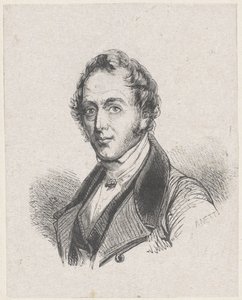
jean-baptiste van der hulst
1790 - 1862 , Belgium
Kratke činjenice
- Artistic Movement Or Style: History painting, Portraiture
- Date Of Birth: 1790
- Date Of Death: 1862
- Full Name: Jean-Baptiste van der Hulst
- Nationality: Flemish
- Place Of Birth: Leuven, Belgium