 Pregledaj u prostoru
 Pošalji
 Podeli
 Detalji o delu

 Преузми
 Slični predmeti
 Rendgenski snimak
 Slajdovi
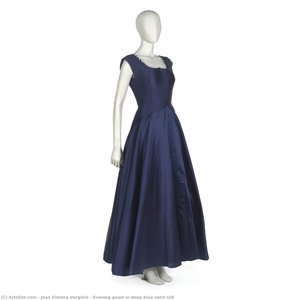
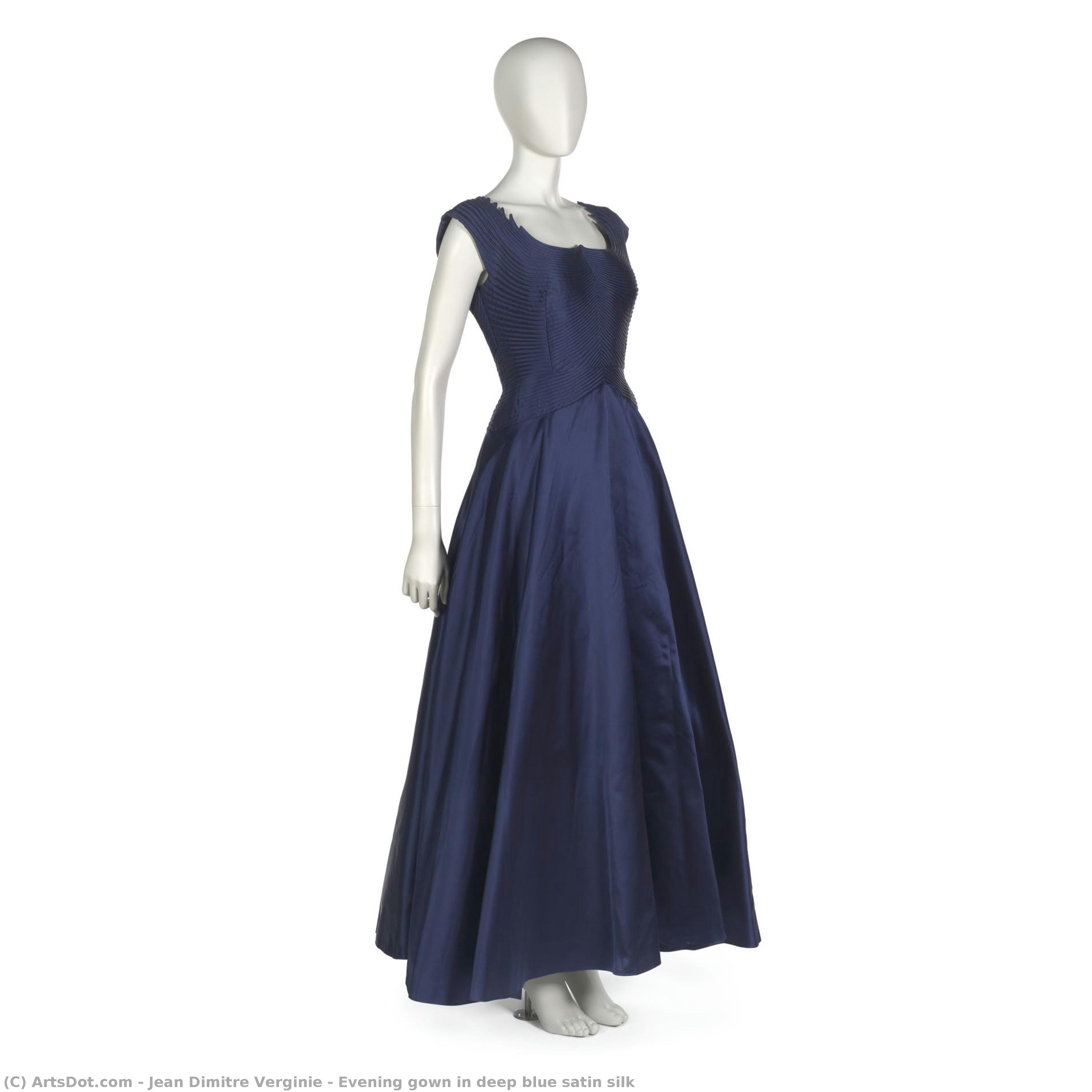
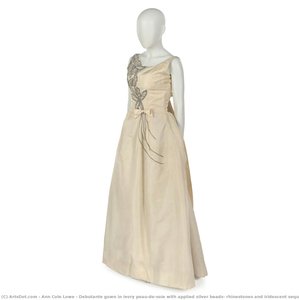
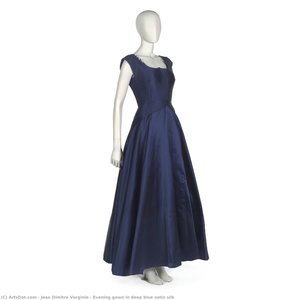
Вечернее платье из глубокого синего шелкового атласа


 Pročitaj više
Ručno rađena uljana reprodukcija
Ručno oslikano uljanim bojama na platnu u dimenzijama i okviru po vašem izboru, izrađeno po porudžbini od strane naših umetnika. ( Kupi print Kupi digitalnu sliku)




P118B $10

P118H $10

P118W $10

P438Z $10

P508JH $12

P508YH $12

P805H $10

P805Z $10

P919BZ $10

P919G $10

P919XJ $10

P959ZH $10

P968JZ $12

W106C $8

W218G $10

W218JH $8

W218Y $10

W307PJ $10

W316G $10

W316PJ $8

W316Y $10

W398PJ $8

W4111J $10

W500HY $15

W500JH $15

W692G $12

W849H $8

W940BG $15

W953PJ $8




Izaberite jednu od naših unapred definisanih veličina koje odgovaraju originalnim proporcijama umetničkog dela.

Можете унети сопствене димензије како бисте прилагодили дело одређеном оквиру или простору. Ако одабрана величина не одговара пропорцијама оригинала, слика ће бити исечена или проширена додатним елементима који се ручно насликавају. Дигитални prikaz ће вам бити послат на одобрење пре почетка производње.
Имајте на уму да преглед на екрану не одражава стварно исецање или проширење. Само приказ (mockup) ће тачно приказати коначну композицију.
Иако су доступне прилагођене величине, препоручујемо да одаберете димензију из дефинисане листе како бисте сачували оригиналне пропорције.
Nakon narudžbine, tim ArtsDot.com će klijentu putem e-pošte poslati uputstva i dostaviti prikaz predloženog rešenja
Isporuka širom sveta () za 3/4 nedelje umesto uobičajenih 5 nedelja. (1 септембар). Bez kompromisa po pitanju kvaliteta.

Besplatna ekspresna dostava širom sveta

Visokokvalitetno laneno platno

Kompletno osiguranje transporta

Garancija povraćaja carine i uvoznih dažbina

Garancija vernosti boja

Politika povrata u roku od 60 dana (samo u slučaju nedostataka)

Garancija povrata novca od 100%

Popust pri grupnoj kupovini
 Opcija sa staklom dostupna je samo za dimenzije manje od 110 cm

Вечернее платье из глубокого синего шелкового атласа
Tehnika reprodukcije
Dimenzije reprodukcije
-


Konačna cena
$ 263
Jean Dessès: A Visionary Bridging Ancient Egypt and Parisian Glamour
Jean Dessès (August 6, 1904 – August 2, 1970) stands as an unparalleled figure in the annals of French couture—a designer who seamlessly blended influences from his Greek heritage with the opulent aesthetics of ancient Egypt to craft gowns that captivated royalty and cemented his place as a pioneer of vintage fashion. Born Jean Dimitre Verginie in Alexandria, Egypt, to Greek parents, Dessès initially pursued legal studies but swiftly abandoned them for the allure of Parisian ateliers, ultimately establishing Maison Dessès in 1937—a salon that would become synonymous with elegance and innovation. His artistic journey began not merely with fashion design but with a profound fascination for mythology and visual arts, shaping his distinctive style forever.Early Influences: Echoes of Alexandria’s Heritage
Dessès’ formative years were steeped in the traditions of Alexandria's Greek Orthodox community, exposing him to intricate textiles—silk brocades, embroidered linens—and decorative arts characterized by geometric patterns and stylized floral motifs. These elements would subtly permeate his designs, reflecting a deep respect for classical artistry while simultaneously grounding them in Eastern Mediterranean aesthetics. This duality wasn’t accidental; Dessès consciously sought to translate the grandeur of Grecian robes into wearable garments, creating silhouettes that evoked timeless beauty and sophistication.The Rise of Maison Dessès: Embracing Parisian Trends
Following World War II, Dessès embarked on extensive travels—particularly across Europe—absorbing artistic trends and honing his craft. He quickly gained recognition for his ability to drape chiffon and mousseline into breathtaking evening gowns that captured the spirit of the era – a blend of Art Deco glamour and understated elegance. Maison Dessès flourished during this period, attracting discerning clientele including members of European royalty and Hollywood stars who appreciated Dessès’ meticulous attention to detail and his masterful manipulation of fabric textures. He championed a revival of vintage fashion trends in the 1990s, securing appearances by celebrities like Naomi Campbell and Renée Zellweger at prestigious events—a testament to his enduring influence on contemporary style.A Signature Style: Draped Elegance Inspired by Antiquity
Dessès’ signature aesthetic revolved around draping chiffon and mousseline into flowing gowns that mimicked the drapery of Grecian robes and Egyptian linen wraps. This technique allowed him to achieve remarkable silhouettes—particularly voluminous skirts—that conveyed a sense of movement and grace. He skillfully utilized pleats, folds, and gathers to sculpt fabric into sculptural forms, creating dresses that were both visually arresting and remarkably comfortable to wear. The incorporation of geometric patterns – reminiscent of Egyptian hieroglyphs – subtly reinforced the overarching theme of ancient inspiration.Notable Achievements: Celebrating Royalty and Rediscovering Vintage Glamour
Dessès’ legacy extends beyond individual gowns; he championed a revival of vintage fashion trends in the 1990s, securing appearances by celebrities like Naomi Campbell and Renée Zellweger at prestigious events. His creations—particularly a lemon yellow gown worn by Zellweger—demonstrated his enduring influence on contemporary style. This dress became an instant icon, embodying Dessès’ commitment to timeless elegance and capturing the imagination of fashion enthusiasts worldwide. Maison Dessès continues to operate today, upholding Dessès' vision for exquisite couture – a celebration of artistry and heritage.A Boutique Legacy: Continuing the Artistic Journey
In 1963, seeking respite from declining health, Dessès retreated to Greece where he established a small boutique—a continuation of his creative spirit and a tangible reminder of his artistic journey. He passed away peacefully in Athens in 1970, leaving behind an indelible mark on the history of fashion—a legacy that resonates through Maison Dessès’ enduring commitment to crafting exceptional gowns inspired by the beauty of antiquity.Srodna umetnička dela
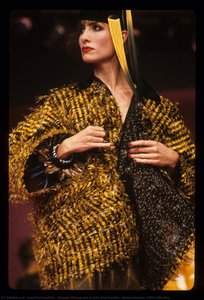

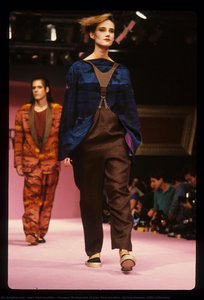

Biografija umetnika
The Architect of Ethereal Elegance
In the golden era of Parisian haute couture, few names whispered of as much romance and historical grandeur as Jean Dessès. Born Jean Dimitre Verginie in 1904 amidst the cosmopolitan splendor of Alexandria, Egypt, his very identity was a tapestry of cultural richness. Raised within the Greek Orthodox community, his early years were steeped in the intricate textures and decorative arts of his heritage. While he initially sought a path through the rigorous study of law, the siren call of the Parisian ateliers proved irresistible. By 1925, he had abandoned the courtroom for the atelier of Madame Jane, beginning a transformative apprenticeship that would eventually lead to the establishment of his own legendary house, Maison Dessès, in 1937.
Dessès possessed a rare, visionary ability to bridge the gap between the ancient world and modern glamour. His designs were never merely garments; they were wearable echoes of antiquity. He drew profound inspiration from the majestic silhouettes of Egyptian mythology and the fluid, sculptural grace of Grecian drapery. This dual fascination allowed him to manipulate fabrics like chiffon, mousseline, and satin silk into breathtaking evening gowns that seemed to possess a life of their own. To wear a Dessès creation was to drape oneself in the dignity of a pharaoh or the ethereal beauty of a goddess, making him a pioneer of a style that felt both timeless and avant-garde.
A Legacy Woven in Silk and Royalty
The ascent of Maison Dessès marked a period where fashion became an art form of unparalleled sophistication. As a master of drape and texture, Dessès’ technical prowess was matched only by his eye for dramatic flair. His studio served as a crucible of talent; notably, the legendary Valentino once worked under his guidance, inheriting a shared passion for the dramatic, elegant ball gown. His craftsmanship was characterized by an almost sculptural precision, using fabric manipulation to create silhouettes that commanded attention in the most prestigious salons of Europe.
The true testament to his genius lay in his illustrious clientele, a roster of women who defined the elegance of the mid-20th century. His designs graced the shoulders of royalty and high society, including:
- The Queen and Royal Princesses of Greece, most notably designing the wedding gown for Princess Sophia.
- The Duchess Windsor, a symbol of international style and intrigue.
- Athina Livanos, the celebrated socialite and wife of Aristotle Onassis.
- Elsa Maxwell, the legendary hostess and tastemaker.
Beyond the runway, Dessès was an astute entrepreneur who understood the expanding reach of fashion. He launched a diffusion line in America during the 1950s and introduced a range of perfumes and silk scarf designs, ensuring that the essence of his aesthetic could be shared far beyond the exclusive confines of Avenue Matignon. Though his couture house eventually closed in 1960, his influence endured through his freelance work in Greece and the enduring revival of his vintage aesthetic in later decades. Jean Dessès remains a singular figure—a designer who did not just follow trends, but instead resurrected the splendor of the past to clothe the icons of the present.
jean dimitre verginie
1904 - 1970 , Egypt
Osnovne informacije
- Artistic Movement Or Style: Glamorous vintage fashion
- Artists Or Movements Influenced By This Artist:
- Valentino
- Guy Laroche
- Artists Who Influenced This Artist:
- Greek robes
- Egyptian robes
- Date Of Birth: August 6, 1904
- Date Of Death: August 2, 1970
- Full Name: Jean Dessès
- Nationality: Greek Egyptian
- Notable Artworks:
- Evening Dress
- Evening gown in deep blue satin silk
- Two-piece Red Evening Dress
- Place Of Birth: Alexandria, Egypt
Povezani članci

Cristóbal Balenciaga: Deconstructing Haute Couture's Architectural Legacy
Explore the revolutionary world of Cristóbal Balenciaga, the 'couturier's couturier'. Discover his architectural designs, lasting influence on haute couture, and guide to collecting rare pieces. A connoisseur’s resource.
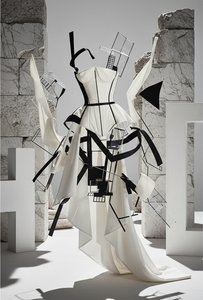
Gianfranco Ferré: Deconstructing Haute Couture – A Legacy of Architectural Form
Explore the revolutionary world of Gianfranco Ferré, 'the architect of fashion.' Discover his architectural approach to haute couture, iconic Dior designs, and lasting influence on luxury style. A deep dive for collectors & enthusiasts.
Draped Narratives: Fashion as Symbol & Subject in Historical Art
Explore the fascinating history of fashion as a symbol of power & status in art! Discover masterpieces from Gainsborough to Tissot and learn how clothing shaped societal narratives. Find museum-quality reproductions at ArtsDot.

Echoes of Time: Nostalgia, Technique & Cultural Significance in Vintage Paintings
Explore the captivating world of vintage paintings! Discover key styles, cultural significance & collecting tips from art experts at ArtsDot. Find authentic reproductions and elevate your home décor.
Mariano Fortuny: A Fusion of Art, Fashion & Design – Exploring a Venetian Innovator's Legacy
Explore the captivating world of Mariano Fortuny – artist, designer & innovator. Discover his revolutionary textiles, iconic Delphos gown, and lasting influence on art, fashion & interiors. A collector's guide to a Venetian master.