

 Pregledaj u prostoru
 Pošalji
 Podeli
 Detalji o delu

 Преузми
 Slični predmeti
 Rendgenski snimak
 Slajdovi
 Statistika
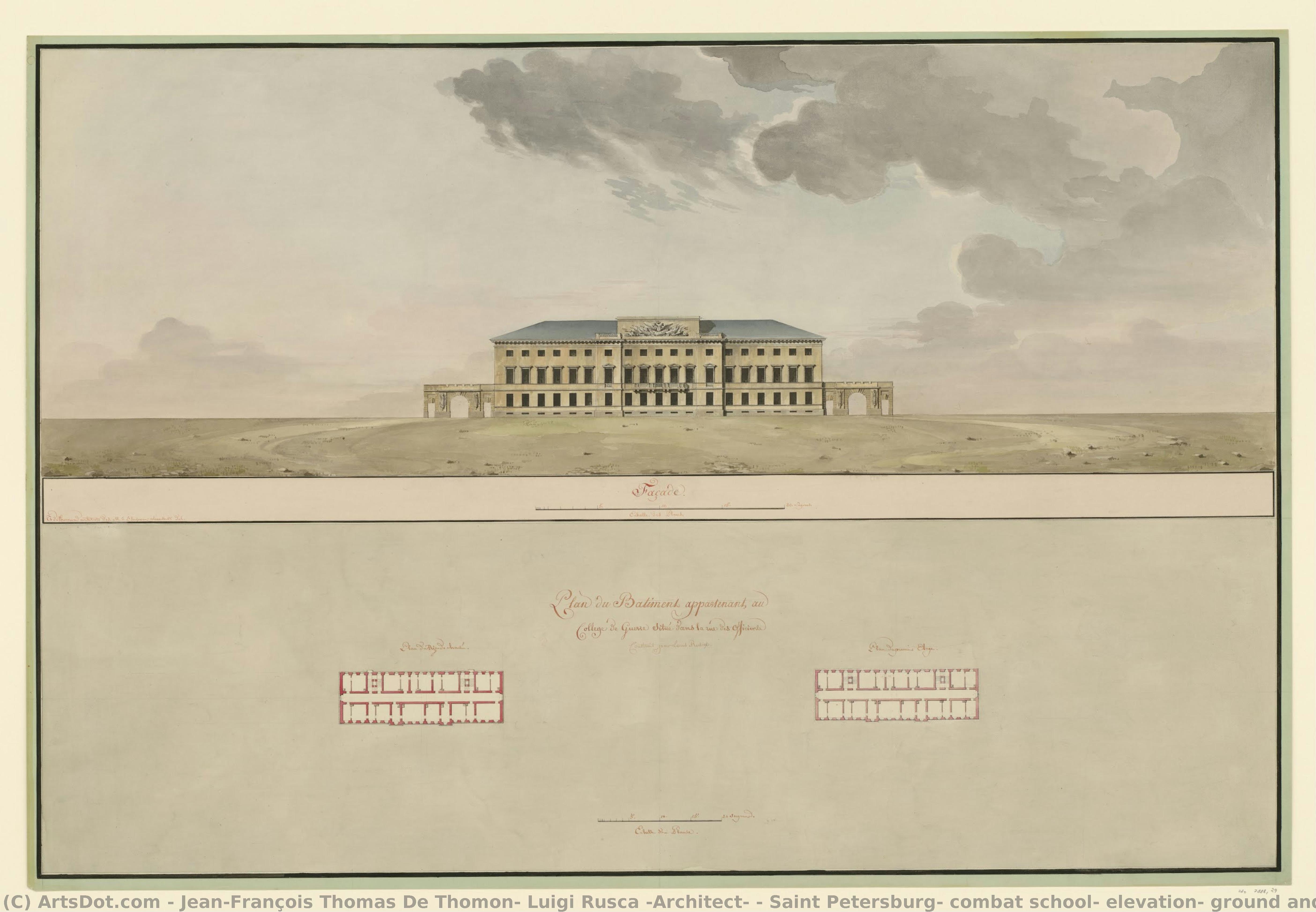
Saint Petersburg, combat school, elevation, ground and first floor plans
 1800
1800 65.0 x 96.0 cm
 Pročitaj više
Ručno rađena uljana reprodukcija
Ručno oslikano uljanim bojama na platnu u dimenzijama i okviru po vašem izboru, izrađeno po porudžbini od strane naših umetnika. ( Pređi na štampu Pređi na digitalnu sliku)




































Izaberite jednu od naših unapred definisanih veličina koje odgovaraju originalnim proporcijama umetničkog dela.

Можете унети сопствене димензије како бисте прилагодили дело одређеном оквиру или простору. Ако одабрана величина не одговара пропорцијама оригинала, слика ће бити исечена или проширена додатним елементима који се ручно насликавају. Дигитални prikaz ће вам бити послат на одобрење пре почетка производње.
Имајте на уму да преглед на екрану не одражава стварно исецање или проширење. Само приказ (mockup) ће тачно приказати коначну композицију.
Иако су доступне прилагођене величине, препоручујемо да одаберете димензију из дефинисане листе како бисте сачували оригиналне пропорције.
Nakon narudžbine, tim ArtsDot.com će klijentu putem e-pošte poslati uputstva i dostaviti prikaz predloženog rešenja
Isporuka širom sveta () za 3/4 nedelje umesto uobičajenih 5 nedelja. (10 септембар). Bez kompromisa po pitanju kvaliteta.

Besplatna ekspresna dostava širom sveta

Visokokvalitetno laneno platno

Kompletno osiguranje transporta

Garancija povraćaja carine i uvoznih dažbina

Garancija vernosti boja

Politika povraćaja u roku od 100 dana (isključivo u slučaju nedostataka)

Garancija povrata novca od 100%

Popust pri grupnoj kupovini
 Opcija sa staklom dostupna je samo za dimenzije manje od 110 cm

Saint Petersburg, combat school, elevation, ground and first floor plans
Tehnika reprodukcije
Dimenzije reprodukcije
-


Konačna cena
$ 263
Srodna umetnička dela









Biografija umetnika
Jean-François Thomas de Thomon and Luigi Rusca: Shaping Imperial Visions in St. Petersburg
Jean-François Thomas de Thomon, born in Bern, Switzerland, in 1760, emerged as a pivotal figure in the development of neoclassical architecture not just within Russia but across Eastern Europe. His journey from a young apprentice in France to a celebrated architect in the heart of Imperial Russia represents a fascinating confluence of artistic influences and ambitious projects that profoundly shaped the visual landscape of St. Petersburg and beyond. Thomon’s career, tragically cut short at the age of 53 in 1813, left behind a legacy of elegant designs, particularly evident in structures like the Old Saint Petersburg Stock Exchange and the Rostral Columns on Vasilyevsky Island – monuments to a brief but impactful period of architectural innovation.Early Training and Parisian Influences
Thomon’s early artistic education unfolded within the rigorous framework of the French Academy of Architecture in Rome, a breeding ground for aspiring architects deeply influenced by the classical ideals of antiquity. This exposure to Roman principles – symmetry, proportion, and a reverence for historical forms – formed the bedrock of his architectural style. However, it was not merely a slavish imitation of the past; Thomon’s training also encompassed the burgeoning neoclassical movement that was gaining momentum in France during the late 18th century. He absorbed the refined elegance of architects like Charles Percier and Pierre-Alexandre Lenoir, mastering the techniques of drawing, modeling, and understanding the intricacies of building design. His early works, though largely undocumented, reveal a nascent talent for capturing the spirit of classical restraint and decorative refinement – qualities that would later define his approach to architectural commissions in Russia.Collaboration with Luigi Rusca: A Partnership in Style
Thomon’s arrival in St. Petersburg in 1798 marked the beginning of a significant professional partnership with Luigi Rusca, an Italian architect who had also established himself as a prominent figure in Russian architectural circles. Rusca, hailing from Ticino, Switzerland, brought to the collaboration a distinct sensibility – a blend of classical restraint and a more expressive Baroque influence. Their combined talents proved remarkably successful, resulting in some of St. Petersburg’s most iconic structures. The design of the Old Saint Petersburg Stock Exchange stands as perhaps their most celebrated joint achievement, a testament to their shared commitment to creating grand, imposing buildings that reflected the power and prestige of the Russian Empire. The collaboration wasn't simply about combining skills; it represented a dynamic exchange of ideas, each architect enriching the other’s vision with their unique perspectives.Notable Architectural Achievements
Thomon’s architectural output in Russia was remarkably diverse, encompassing both large-scale public buildings and more intimate domestic designs. He played a crucial role in transforming St. Petersburg into a city that mirrored the grandeur of European capitals. Key projects included the design of the first building of the Odessa Theatre (later destroyed), a significant undertaking reflecting his understanding of theatrical space and its integration with architectural form. The façade and plans for the Collège de Guerre, situated on Rue des Officiers, demonstrate his meticulous attention to detail and his ability to translate complex spatial requirements into elegant, visually compelling designs. Furthermore, Thomon’s involvement in the design of the Anichkov Palace, a lavish residence commissioned by Grand Duke Michael Pavlovich, showcases his mastery of decorative elements and his understanding of creating spaces that were both functional and aesthetically pleasing.Legacy and Historical Significance
Jean-François Thomas de Thomon’s impact on Russian architecture extends far beyond the individual buildings he designed. He was instrumental in introducing and popularizing the neoclassical style in Russia, effectively bridging the gap between European architectural trends and local tastes. His work served as a model for subsequent generations of Russian architects, influencing their approach to design and shaping the visual identity of Imperial Russia. The enduring legacy of Thomon’s designs can be seen today in the magnificent architecture of St. Petersburg – a city that owes much of its aesthetic character to his vision and skill. His collaboration with Luigi Rusca further cemented this legacy, creating a body of work that continues to inspire admiration and scholarly study. The museum kunsthaus zürich holds an impressive collection of artworks by him, including drawings for Saint Petersburg, showcasing the depth and breadth of his artistic talent. His story is one of ambition, adaptation, and ultimately, a significant contribution to the architectural heritage of both France and Russia.
jean-françois thomas de thomon, luigi rusca (architect)
1760 - 1813 , Switzerland
Osnovne informacije
- Artistic Movement Or Style: Neoclassical
- Artists Or Movements Influenced By This Artist: ['Russian Neoclassicism']
- Artists Who Influenced This Artist: ['French Academy in Rome']
- Date Of Birth: April 12, 1760
- Date Of Death: September 4, 1813
- Full Name: Jean-François Thomas de Thomon
- Nationality: French
- Notable Artworks:
- Old Saint Petersburg Stock Exchange
- Rostral Columns (Vasilyevsky Island)
- Odessa Theatre façade
- Place Of Birth: Bern, Switzerland