

 Pregledaj u prostoru
 Pošalji
 Podeli
 Detalji o delu

 Преузми
 Slični predmeti
 Rendgenski snimak
 Slajdovi
 Statistika
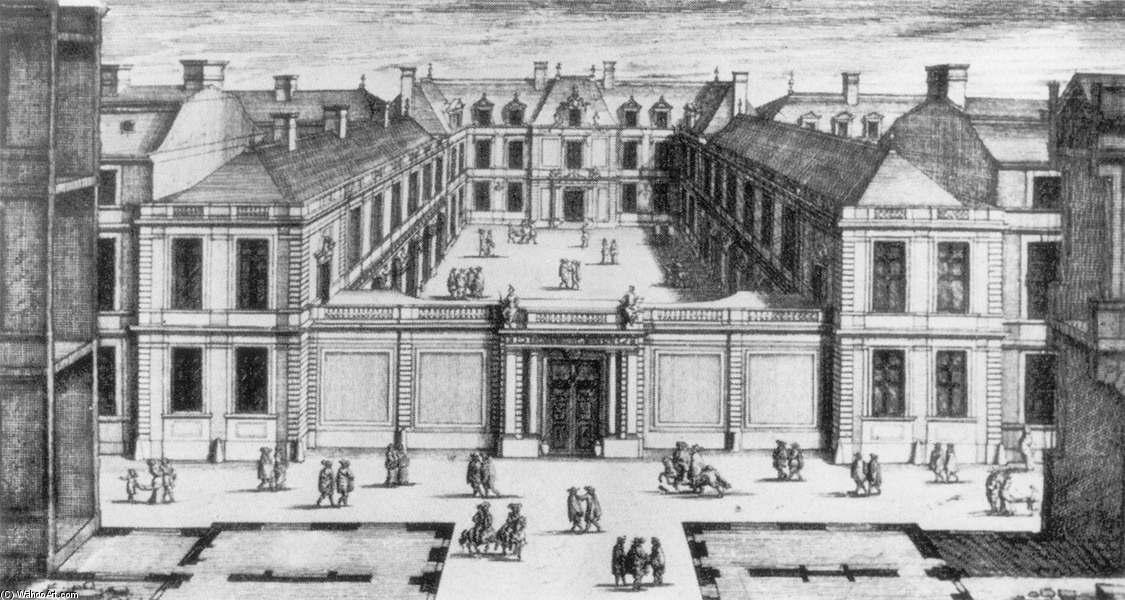
Hôtel de la Vrillère, Paris


 Pročitaj više
Kupite digitalnu sliku visoke rezolucije i poboljšanog kvaliteta, koja je znatno superiornija od onoga što vidite u online prikazu.
Svaka datoteka je pedantno pripremljena od strane naših stručnjaka koristeći napredne alate i profesionalnu ručnu retušu. Osiguravamo da svaka slika ima izuzetnu oštrinu, preciznu reprodukciju boja i fine detalje.
Konačna datoteka se dostavlja putem e-pošte u roku od 72 sata, optimizovana za neposrednu upotrebu u profesionalnim, izdavačkim i štamparskim okruženjima. To je isti kvalitet kojem veruju vrhunski studiji dizajna, izdavači i galerije.
Digitalna slika
Preuzmite datoteku visoke rezolucije za ličnu upotrebu, štampanje i kreativne projekte. ( Pređi na štampu Kupi ručno naslikanu sliku)
Uključeno uz svaku porudžbinu digitalne slike
Profesionalna digitalna isporuka, zagarantovana
Kada odaberete ArtsDot.com, ne dobijate samo sliku – vi primate profesionalno unapređeno digitalno umetničko delo, izrađeno sa najvećom preciznošću i uz garanciju zadovoljstva. Evo svega što automatski dolazi uz vašu porudžbinu:

Brza dostava putem e-pošte
Vaša digitalna slika visoke rezolucije biće vam poslata putem e-pošte u roku od 72 sata od poručivanja – spremna za trenutnu upotrebu.

Digitalna datoteka unapređena veštačkom inteligencijom
Vaše umetničko delo je profesionalno optimizovano korišćenjem naprednih AI alata i ručne obrade, čime se osiguravaju maksimalni detalji, oštrina i preciznost boja.

Besplatna ponovna isporuka doživotno
Slučajno ste obrisali ili izgubili svoju datoteku? Ne brinite – poslaćemo vam je ponovo u bilo kom trenutku, potpuno besplatno.

Bez troškova uvoza – zauvek
Uživajte u svojim umetničkim delima trenutno, bez carine, dažbina ili troškova dostave – digitalni download je uvek bez poreza.

Garancija vernosti boja
Uz pomoć profesionalnih alata i upravljanja bojama, osiguravamo da vaša digitalna slika što vernije odražava originalne boje.

Garancija zadovoljstva od 100 dana
Ako niste zadovoljni svojom digitalnom slikom, izvršićemo reviziju ili ćemo vam vratiti 100% novca u roku od 100 dana – bez ikakvih pitanja.

100% garancija povrata novca
Niste zadovoljni? Dobijte puni povraćaj novca u roku od 100 dana od prijema digitalne datoteke – bez suvišnih pitanja.

Popusti na velike porudžbine
Kupite 3 slike, uštedite 10% - Kupite 5 slika, uštedite 15% - Kupite 10+ slika, uštedite 20%. Odlično za kreativne projekte, galerije i agencije.
Srodna umetnička dela
Biografija umetnika
Jean Marot: The Architect of Royal Grace
Jean Marot (1463 – 1526), a name often overshadowed by the grander narratives of Renaissance France, was nonetheless a pivotal figure in shaping the aesthetic landscape of Parisian architecture and design. More than simply an architect, he was a meticulous observer, a skilled engraver, and a subtle yet powerful voice within the courtly circles of Francis I. His legacy isn’t defined by towering monuments alone, but rather by the elegant details, refined proportions, and humanist sensibilities that permeated his designs for hôtels, churches, and even the imposing Feuillants Monastery – a testament to his ability to blend practicality with artistic vision.
Born in Mathieu, near Caen, into a family steeped in literary tradition—his father, Jean des Mares, held the prestigious position of poet laureate to Anne of Brittany—Marot’s early life was marked by a grounding in both poetry and craftsmanship. Unlike many of his contemporaries who pursued formal academic training, Marot’s education centered around the vibrant world of courtly entertainment and artistic patronage. This unconventional upbringing instilled within him a deep appreciation for beauty, a keen eye for detail, and an understanding of how art could serve as a powerful tool for expressing power and prestige. He quickly found his place at the French court, becoming a favored entertainer and eventually, a trusted architect.
The Architect of the Court
Marot’s career truly blossomed during the reign of Francis I, a period characterized by an unprecedented enthusiasm for Italian Renaissance art and architecture. The king, captivated by the elegance and grandeur of Rome, commissioned Marot to transform Paris into a mirror image of its illustrious counterpart. While he didn't design sprawling palaces in the manner of Bramante or Michelangelo, Marot’s influence was profound. He meticulously crafted hôtels – luxurious townhouses that served as both residences and symbols of wealth and status—with an emphasis on symmetry, proportion, and refined ornamentation. These buildings weren’t merely functional structures; they were carefully orchestrated displays of power, designed to impress visitors and reinforce the king's authority.
His work at the Feuillants Monastery stands as a particularly compelling example of Marot’s artistic sensibilities. The portal, in particular, is a masterpiece of restrained elegance—a harmonious blend of Gothic and Renaissance elements that speaks volumes about his ability to synthesize diverse influences. The façade's intricate detailing, the carefully chosen materials, and the overall sense of balance demonstrate a deep understanding of classical principles and a commitment to creating spaces that were both beautiful and spiritually uplifting. The building itself, with its refined proportions and subtle ornamentation, reflects Marot’s belief that architecture should serve as a vehicle for expressing human values and aspirations.
Engravings and the Preservation of Vision
Beyond his architectural commissions, Marot was also a prolific engraver, meticulously documenting the works of other leading architects. His engravings—published in volumes like the *Petit Marot* and *Grand Marot*—became invaluable resources for understanding Renaissance architecture in France. These prints weren’t simply technical drawings; they were artistic interpretations that captured the essence of each building, revealing the architect's design intentions and highlighting the beauty of their creations. Marot’s engravings played a crucial role in disseminating architectural knowledge and preserving the legacy of some of France’s most important buildings.
It is important to note that Marot’s engravings were not without imperfections—some scholars have pointed out inaccuracies and distortions in his depictions. However, these flaws only serve to underscore the challenges he faced as an engraver working with limited technology. Despite these limitations, Marot's engravings remain among the most significant sources of information about French architecture up to the early years of Louis XIV’s reign.
A Legacy of Refinement
Jean Marot’s influence extends beyond his individual projects and engravings. He embodied a key aspect of the Renaissance ideal—the belief that art should be both beautiful and instructive. His designs were not merely aesthetically pleasing; they were also imbued with humanist values, reflecting a deep appreciation for classical learning and a commitment to creating spaces that fostered intellectual and spiritual growth. While he may not have achieved widespread fame during his lifetime, Jean Marot’s contributions to French architecture and design are undeniable. He was a master of subtlety, a meticulous craftsman, and a discerning observer—a true architect of royal grace.
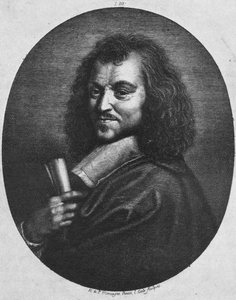
jean i marot
1450 - 1526 , France
Kratke činjenice
- Artistic Movement Or Style: Renaissance, Gothic
- Artists Or Movements Influenced By This Artist:
- Palladio
- Calvinism
- Artists Who Influenced This Artist:
- Gianlorenzo Bernini
- Salomon de Brosse
- Date Of Birth: 1619
- Date Of Death: 1679
- Full Name: Jean Marot I
- Nationality: French
- Notable Artworks:
- Architecture Françoise
- Château de Richelieu
- Façade Feuillants
- Place Of Birth: Paris, France