

 Pregledaj u prostoru
 Pošalji
 Podeli
 Detalji o delu

 Преузми
 Slični predmeti
 Rendgenski snimak
 Slajdovi
 Statistika
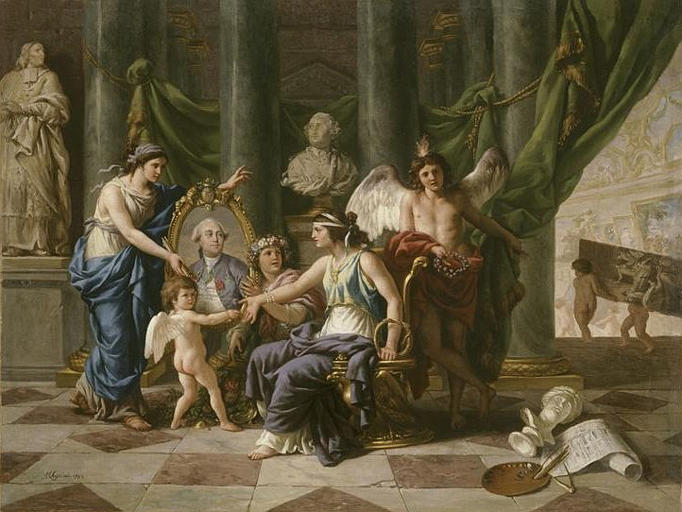
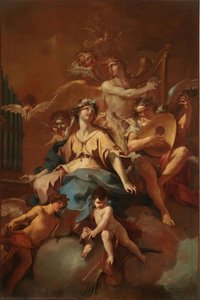
ALLEGORIE RELATIVE A L'ETABLISSEMENT DU MUSEUM


 Pročitaj više
Giclee štampa / Umetnički otisak
Giclée štampa ili print na platnu muzejskog kvaliteta uz brzu proizvodnju i fleksibilne opcije završne obrade. ( Kupi ručno naslikanu sliku Pređi na digitalnu sliku)




































Izaberite jednu od naših unapred definisanih veličina koje odgovaraju originalnim proporcijama umetničkog dela.

Možete uneti sopstvene dimenzije kako biste umetničko delo prilagodili specifičnom okviru ili prostoru. Ako odabrani format ne odgovara proporcijama originalne slike, mi ćemo ili iscrtati deo dela ili proširiti sliku pomoću ogledane ivice ili jednobojnog popunjavanja. Digitalni prikaz će vam biti poslat na odobrenje pre početka proizvodnje.
Imajte na umu da pregled na ekranu ne odražava stvarno iscrtavanje ili proširivanje. Samo će prikaz (mockup) precizno pokazati finalnu kompoziciju.
Iako su prilagođene dimenzije dostupne, preporučujemo da odaberete dimenziju sa unapred definisane liste kako biste očuvali originalne proporcije.
Dostava širom sveta () za 2 nedelje umesto uobičajenih 4/5 nedelja. (13 септембар)

Besplatna ekspresna dostava širom sveta

Visokokvalitetno laneno platno

Kompletno osiguranje transporta

Garancija povraćaja carine i uvoznih dažbina

Garancija vernosti boja

Politika povraćaja u roku od 100 dana (isključivo u slučaju nedostataka)

Garancija povrata novca od 100%

Popust pri grupnoj kupovini
 Opcija sa staklom dostupna je samo za dimenzije manje od 110 cm

ALLEGORIE RELATIVE A L'ETABLISSEMENT DU MUSEUM
Giclee štampa / Umetnički otisak
Dimenzije reprodukcije
-


Konačna cena
$ 62
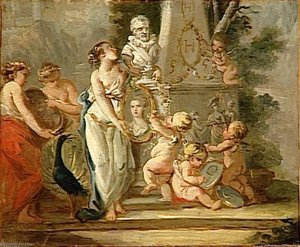
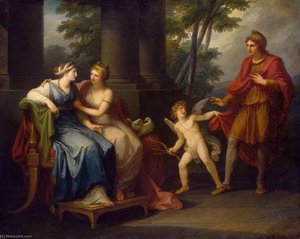
Srodna umetnička dela
Biografija umetnika
Jean-Jacques Lagrenée (1739-1821): A Neoclassical Vision of Myth and Faith
Jean-Jacques Lagrenée (1739-1821) stands as a prominent figure in French art history, particularly recognized for his contributions to the neoclassical movement. Born in Paris, he emerged from a family steeped in artistic tradition – his brother, Louis-Jean-François Lagrenée, was also a celebrated painter and writer—a lineage that undoubtedly fostered his own creative inclinations. While biographical details remain somewhat sparse compared to contemporaries like David or Ingres, Lagrenée’s oeuvre speaks volumes about his dedication to capturing the grandeur of classical mythology and the solemn beauty of religious subjects.Early Life and Artistic Training
Lagrenée's formative years were marked by a rigorous artistic education. He studied under François Boucher at Versailles, absorbing the stylistic principles that would define his distinctive approach. Boucher’s influence is palpable in Lagrenée’s early works—characterized by meticulous detail, balanced compositions, and an emphasis on idealized forms—reflecting the prevailing aesthetic ideals of Louis XV's court. This training instilled in him a profound understanding of disegno, the Italian technique of drawing that prioritized anatomical accuracy and expressive gesture, shaping his artistic vision for decades to come.Notable Works and Artistic Style
Lagrenée’s artistic style is undeniably neoclassical, prioritizing clarity, restraint, and harmonious proportions. He skillfully blended classical influences with Baroque elements—particularly in his decorative ceiling paintings—creating opulent interiors that conveyed moral virtue and spiritual contemplation. His celebrated masterpiece, “Allegorie Relative à l’Établissement du Musée,” exemplifies this aesthetic sensibility perfectly; it portrays the patronage of art by divine figures, utilizing a pyramidal composition and subtle sfumato shading to evoke a sense of grandeur and serenity. Similarly, his depictions of biblical narratives—such as "Moïse sauvé des eaux L'Invention de Moïse"—demonstrate his mastery of storytelling through visual imagery, imbued with symbolic meaning and executed with remarkable precision.Contributions to the Louvre and Artistic Legacy
Lagrenée’s involvement with the Louvre Museum extended beyond merely executing commissions; he served as Director of Painting from 1789 until his death in 1821, overseeing a period of significant artistic renewal. During this time, he championed the revival of classical ideals and fostered collaborations between artists and intellectuals—a testament to his commitment to elevating French art and culture. Though overshadowed by more flamboyant figures of his era, Lagrenée’s enduring legacy resides in his unwavering dedication to portraying mythological narratives and religious themes with dignity and grace—works that continue to inspire admiration for their technical brilliance and profound emotional resonance. His contribution to the Galerie d’Ap remains a cornerstone of French Baroque art history.Further Exploration
For those wishing to delve deeper into Lagrenée's artistic world, “L’hiver ou Eole déchaînant les vents qui couvrent les montagnes de neige” offers another captivating glimpse into his stylistic prowess. Examining these artworks alongside the broader context of neoclassical art provides invaluable insight into the intellectual and aesthetic currents shaping eighteenth-century France.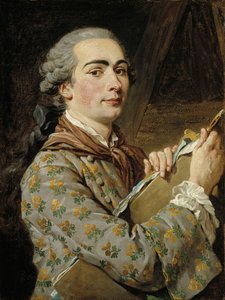
jean jacques lagrenée (lagrenée le jeune)
1739 - 1821
Osnovne informacije
- Artistic Movement Or Style: Neoclassical
- Date Of Birth: 1739
- Date Of Death: 1821
- Full Name: Jean Jacques Lagrenée
- Nationality: French
- Notable Artworks:
- Allegorie Relative à l’Établissement du Musée
- L'hiver ou Eole déchaînant les vents qui couvrent les montagnes de neige
- Moïse sauvé des eaux L’Invention de Moïse
- Place Of Birth: France
Povezani članci
Charles Le Brun: Master of French Baroque Classicism & His Enduring Legacy
Explore the life & art of Charles Le Brun, master of French Baroque Classicism. Discover his royal commissions, influence on Versailles, and enduring legacy through detailed analysis & stunning artworks.
Henri Le Sidaner: Evoking Atmosphere & Intimacy in Post-Impressionist Landscapes
Discover the evocative world of Henri Le Sidaner, a master of Intimist painting. Explore his tranquil landscapes & atmospheric interiors – a celebration of light and intimacy. Learn about his life, style, and lasting legacy.
Najboljih 10 Neoklasičkih Remek-Dela: Umetnoska Istorija i Luksuzni Dekor
Otkrijte 10 remek dela neoklasicizma! Istražite David, Jacques-Louis David i druge genijalce. Umetnoska istorija i inspiracija za luksuzni enterijer. Kupite reprodukcije vrhunskog kvaliteta na ArtsDot.com!
Nicolas Poussin: Classicism, Allegory & Order in 17th-Century French Painting
Explore the life & work of Nicolas Poussin, a master of French Classicism. Discover his allegorical paintings, Roman influences, and enduring impact on art history. Expert analysis & insights.
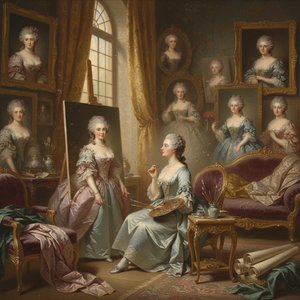
Vigée Le Brun: Portraiture, Patronage & Feminine Identity in 18th-Century France
Explore the life & art of Louise Élisabeth Vigée Le Brun, Marie Antoinette’s renowned portraitist. Discover her Rococo style, self-portraits, and influence on 18th-century French painting. A deep dive into patronage & feminine identity.