

 Pošalji
 Podeli
 Detalji o delu

 Преузми
 Slični predmeti
 Slajdovi
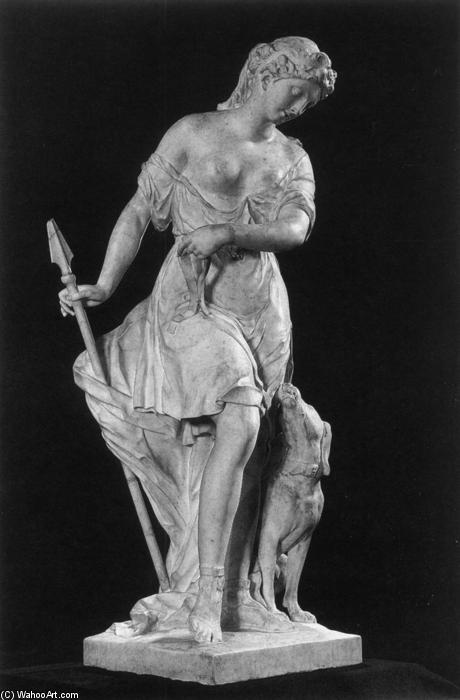
A Companion of Diana


 Pročitaj više
Kupite digitalnu sliku visoke rezolucije i poboljšanog kvaliteta, koja je znatno superiornija od onoga što vidite u online prikazu.
Svaka datoteka je pedantno pripremljena od strane naših stručnjaka koristeći napredne alate i profesionalnu ručnu retušu. Osiguravamo da svaka slika ima izuzetnu oštrinu, preciznu reprodukciju boja i fine detalje.
Konačna datoteka se dostavlja putem e-pošte u roku od 72 sata, optimizovana za neposrednu upotrebu u profesionalnim, izdavačkim i štamparskim okruženjima. To je isti kvalitet kojem veruju vrhunski studiji dizajna, izdavači i galerije.
Digitalna slika
Preuzmite datoteku visoke rezolucije za ličnu upotrebu, štampanje i kreativne projekte. ( Kupi print Kupi ručno naslikanu sliku)
Uključeno uz svaku porudžbinu digitalne slike
Profesionalna digitalna isporuka, zagarantovana
Kada odaberete ArtsDot.com, ne dobijate samo sliku – vi primate profesionalno unapređeno digitalno umetničko delo, izrađeno sa najvećom preciznošću i uz garanciju zadovoljstva. Evo svega što automatski dolazi uz vašu porudžbinu:

Brza dostava putem e-pošte
Vaša digitalna slika visoke rezolucije biće vam poslata putem e-pošte u roku od 72 sata od poručivanja – spremna za trenutnu upotrebu.

Digitalna datoteka unapređena veštačkom inteligencijom
Vaše umetničko delo je profesionalno optimizovano korišćenjem naprednih AI alata i ručne obrade, čime se osiguravaju maksimalni detalji, oštrina i preciznost boja.

Besplatna ponovna isporuka doživotno
Slučajno ste obrisali ili izgubili svoju datoteku? Ne brinite – poslaćemo vam je ponovo u bilo kom trenutku, potpuno besplatno.

Bez troškova uvoza – zauvek
Uživajte u svojim umetničkim delima trenutno, bez carine, dažbina ili troškova dostave – digitalni download je uvek bez poreza.

Garancija vernosti boja
Uz pomoć profesionalnih alata i upravljanja bojama, osiguravamo da vaša digitalna slika što vernije odražava originalne boje.

Garancija zadovoljstva u roku od 60 dana
Ako niste zadovoljni svojom digitalnom slikom, revidirat ćemo je ili vratiti 100% novca u roku od 60 dana – bez ikakvih pitanja.

100% garancija povrata novca
Niste zadovoljni? Obezbedite pun povrat novca u roku od 60 dana od trenutka kada ste primili svoju digitalnu datoteku – bez suvišnih pitanja.

Popusti na velike porudžbine
Kupite 3 slike, uštedite 10% - Kupite 5 slika, uštedite 15% - Kupite 10+ slika, uštedite 20%. Odlično za kreativne projekte, galerije i agencije.
Opis kolekcionarskog dela
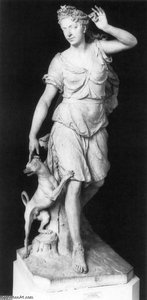
A Companion of Diana by Jean-Louis Lemoyne: A Glimpse of Roman Grace
Jean-Louis Lemoyne’s “A Companion of Diana,” sculpted in exquisite marble around 1724, isn't merely a depiction of a nymph; it’s an invitation into the opulent world of Louis XIV’s France and a poignant meditation on beauty, loyalty, and the subtle power of feminine presence. Commissioned for the meticulously designed gardens of Marly – a retreat from the formality of Versailles – this statue embodies the Rococo style's emphasis on movement, naturalism, and an almost palpable sense of emotion. Lemoyne, a master sculptor deeply influenced by his uncle Jean-Baptiste Lemoyne’s earlier work, skillfully captures a moment of quiet contemplation within a scene brimming with classical allusion.
The sculpture portrays a young woman, likely representing a nymph or attendant to the goddess Diana (Artemis in Greek mythology), engaged in a graceful interaction with her hunting dog. Her posture is dynamic – she’s not frozen in static elegance but appears to be glancing downwards, suggesting a thoughtful observation of the world around her. The drapery, cascading from her body in soft folds, isn't simply decorative; it contributes significantly to the sense of movement and fluidity that defines Rococo art. Notice how the fabric seems to ripple with an unseen breeze, mirroring the naturalism so prized by Lemoyne.
The Language of Marble: Technique and Detail
Lemoyne’s mastery lies not just in his composition but also in his technical execution. The choice of marble itself is crucial – its cool, smooth surface allows for incredible detail, revealing subtle variations in texture that speak to the artist's meticulous hand. Observe how he has rendered the dog’s fur with delicate strokes, capturing both its softness and the sheen of its coat. The folds of the drapery are sculpted with a remarkable degree of precision, creating an illusion of depth and volume. The use of light and shadow is particularly effective, highlighting the contours of the figure and emphasizing her graceful form.
Furthermore, the statue’s surface exhibits a subtle ‘pentimenti’ – areas where Lemoyne altered his initial design during the sculpting process. These small corrections, barely perceptible to the casual observer, offer a fascinating glimpse into the artist's creative journey and demonstrate his commitment to achieving the desired effect. The careful attention to detail—from the delicate curve of her neck to the subtle expression in her eyes—underscores Lemoyne’s dedication to capturing the essence of human form and emotion.
Symbolism and Context: Echoes of Roman Mythology
“A Companion of Diana” is deeply rooted in classical mythology. Diana, the goddess of the hunt, wilderness, and the moon, was revered for her association with nature, loyalty, and protection. The inclusion of a hunting dog reinforces this connection, symbolizing Diana’s role as guardian of the wild and her bond with animals. The nymph's downward gaze is often interpreted as a moment of introspection or perhaps even melancholy – a subtle suggestion that beauty and grace can coexist with deeper emotions.
Within the context of Louis XIV’s court, this sculpture represents more than just an artistic achievement; it embodies the king’s desire to emulate the grandeur of ancient Rome. The gardens of Marly were designed as a carefully curated landscape inspired by Roman villas and temples, creating a space where the aristocracy could indulge in leisure and cultivate their appreciation for classical art and culture. “A Companion of Diana” perfectly captures this spirit, offering a refined and elegant representation of Roman ideals within the opulent setting of Versailles.
An Enduring Legacy: Beauty, Grace, and Timeless Appeal
“A Companion of Diana” remains a captivating work of art due to its exquisite craftsmanship, evocative symbolism, and timeless appeal. It’s more than just a beautiful sculpture; it's a window into the artistic sensibilities of 18th-century France and a testament to Lemoyne’s skill as a sculptor. Its graceful form, serene expression, and subtle emotional depth continue to resonate with viewers today, making it a cherished masterpiece within the National Gallery of Art’s collection.
Srodna umetnička dela
Biografija umetnika
The Sculptural Legacy of Jean-Louis Lemoyne
In the grand tapestry of eighteenth-century French art, few names evoke the delicate transition from the structured grandeur of the Baroque to the playful intimacy of the Rococo as effectively as Jean-Louis Lemoyne. Born in Paris in 1704, Lemoyne was a man shaped by the very essence of the French artistic tradition. As a sculptor deeply embedded in the cultural fabric of his era, his life and work were inextricably linked to a lineage of masters. He was not merely an individual creator but a vital link in a generational chain of talent, inheriting a profound understanding of form, texture, and the emotive power of stone and bronze.
The foundations of Lemoyne's artistry were laid within the prestigious workshops of Paris, where the influence of his contemporaries and predecessors provided a rigorous training ground. His development was characterized by an ability to capture the fleeting nuances of human expression, a skill that would become his hallmark. While much of the historical narrative surrounding his era focuses on the dramatic shifts in political power, Lemoyne’s work remained focused on the enduring beauty of the human figure, navigating the complex waters between the formal requirements of royal commissions and the burgeoning desire for more naturalistic, emotive portraiture.
A Mastery of Form and Emotion
To observe a work by Lemoyne is to witness a delicate dance between strength and softness. His technique was marked by an extraordinary command over his medium, allowing him to imbue cold materials with a sense of warmth and vitality. He possessed a unique ability to manipulate light and shadow across the surfaces of his sculptures, creating a sense of movement that seemed to defy the stillness of the medium. This mastery was particularly evident in his approach to portraiture, where he sought to capture not just the physical likeness of his subjects, but their very essence—the subtle flicker of a smile or the dignified weight of a gaze.
His contributions to the sculptural landscape were significant, contributing to an era where art served as both a mirror to the aristocracy and a testament to the technical prowess of French craftsmen. Through his work, we see the evolution of a style that embraced:
- The Intimacy of Rococo: A focus on smaller-scale, more personal subjects that allowed for greater detail and emotional resonance.
- Classical Foundations: An underlying respect for the proportions and structural integrity inherited from the classical tradition.
- Textural Realism: The meticulous rendering of fabrics, lace, and skin to create a lifelike presence within the sculpture.
Historical Significance and Artistic Resonance
The era in which Jean-Louis Lemoyne practiced was one of profound transformation, as the rigid hierarchies of the previous century began to yield to the more fluid social structures of the Enlightenment. His work stands as a testament to this period of transition. While some critics of later movements would look back upon the Rococo style with skepticism, viewing it as a departure from classical austerity, Lemoyne’s ability to bridge these two worlds ensures his place in the canon of great French sculptors. He helped define an aesthetic that celebrated elegance, grace, and the profound beauty found in the momentary.
Though time and the turbulent shifts of history have obscured some of the finer details of his complete oeuvre, the impact of his vision remains palpable. His legacy is found in the way he taught future generations to look beyond the surface of a subject, seeking instead the soul beneath the stone. In the annals of art history, Lemoyne remains a vital figure whose work continues to inspire awe through its seamless blend of technical perfection and heartfelt expression.

jean louis lemoyne
1704 - 1778 , France
Kratke činjenice
- Artistic Movement Or Style: Rococo
- Artists Or Movements Influenced By This Artist: ['Neoclassicism']
- Artists Who Influenced This Artist:
- Robert Le Lorrain
- Jean Louis Lemoyne (father)
- Date Of Birth: Paris, France (1679)
- Date Of Death: Paris, France (1731)
- Full Name: Jean-Baptiste Lemoyne
- Nationality: French
- Notable Artworks:
- A Companion of Diana
- Bust of the Regent
- Place Of Birth: Paris

